Burberry defies luxury downturn as trench coats and scarves power revival
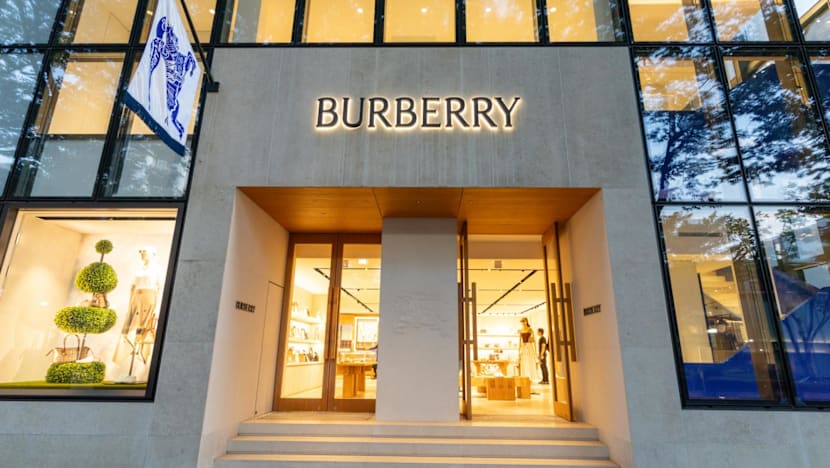
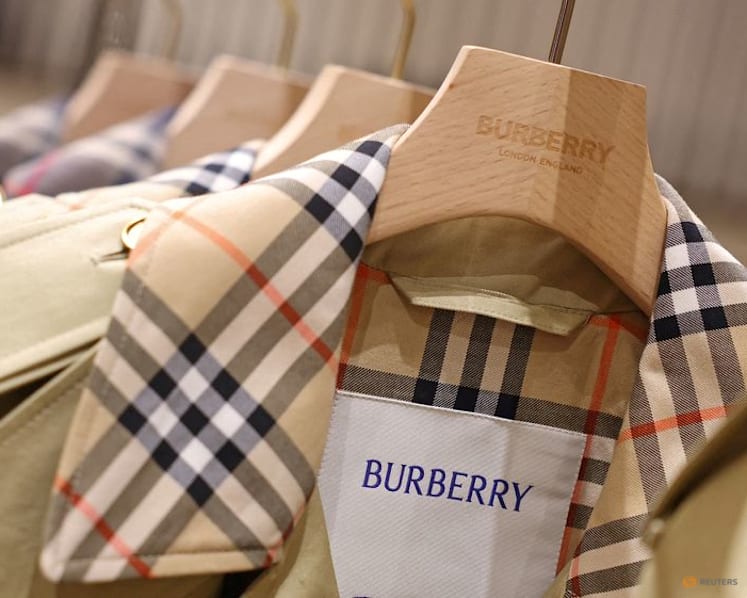
Buoyant demand for Burberry’s scarves and trench coats helped the UK’s leading luxury brand sustain its rebound in sales, bucking a trend of worsening performance across the industry.
The FTSE 100 company’s comparable sales rose 4 per cent in the three months to September 26, ahead of analysts’ expectations, outperforming larger rivals such as LVMH and Gucci owner Kering. Burberry’s adjusted operating profit rose to £62 million (US$82.01 million; S$105.53 million) in the first half of the year, above forecasts of £44 million.
The luxury industry’s downturn has been driven primarily by weaker sales in China, an engine of growth for decades. Burberry, however, reported a 5 per cent rise in comparable sales in the country during the second quarter after delivering 9 per cent growth in the previous quarter.
Chief executive Joshua Schulman said: “Luxury customers around the world, but particularly in China, are experiencing some fatigue with exorbitant pricing, and in this context our strategy of having enduring value and providing great value for money is resonating strongly with the Chinese customers.”
Bernstein analyst Luca Solca noted that Burberry’s overall growth was “almost as good as Hermes and 9 percentage points better than LVMH’s fashion and leather goods division in the same quarter”.
The company’s strongest region was the Americas, predominantly the US, where sales rose 11 per cent in the second quarter. Burberry’s shares rose 7 per cent in morning trading on Thursday.
The results are a boost to Schulman, who was appointed in 2024 to lead a turnaround of the UK’s pre-eminent luxury brand after it made an ill-timed push upmarket just as demand for luxury goods began to wilt.
Schulman said on Thursday that Burberry’s ability to outperform the luxury market gave him “increasing confidence” that his revival plan was “the right path”.
Burberry has enlisted British celebrities such as actors Pierce Brosnan and Fiona Shaw for campaigns promoting the brand’s renewed focus on its signature products such as trench coats and scarves. The brand has also focused on providing more affordable products at a time when “aspirational” luxury consumers are less willing to spend.
Last year, it announced a major restructuring plan to cut almost a fifth of its workforce to help save £100 million in annual costs by early next year.
The company counts Mike Ashley’s Frasers Group as an investor. The high street tycoon told the FT this summer that he was driven to invest in Burberry — which is stocked in Frasers’ Flannels chain — because of a belief in Schulman’s turnaround.
Burberry investor Kernow Asset Management said its turnaround was “progressing well, outperforming its peers this year and delivering a fifth consecutive quarter of growth”. They added that the next phase of its revival was “taking shape” as the fashion brand prepares to update investors on its strategy in March.
KioskNews shows a cleaned-up reading view extracted from the publisher’s page — the original always lives on their site, not ours.