Laura Kuenssberg on how British politics became so toxic
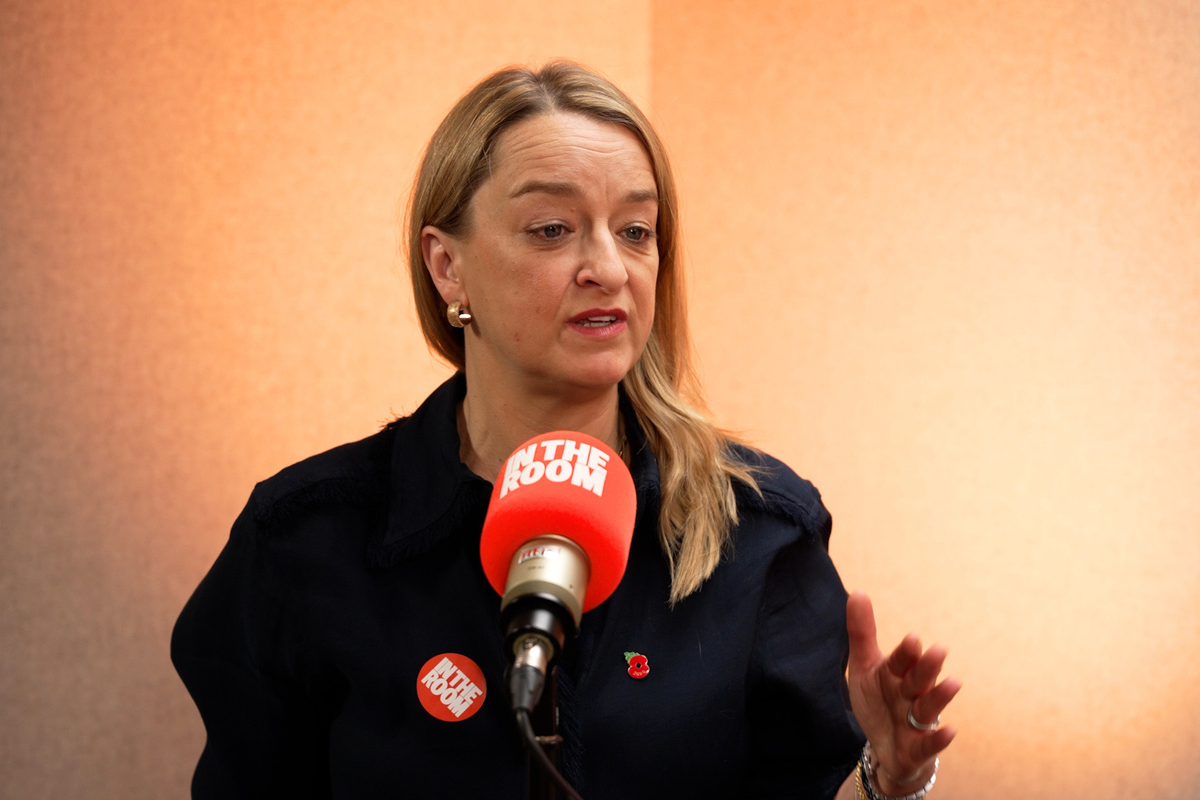
Politicians across the political spectrum, from Nigel Farage to Zack Polanski, are increasingly accusing the media of bias to evade difficult questions, Laura Kuenssberg has warned.
The BBC journalist said the “crooked media” tactic, popularised by US president Donald Trump, has become “part of the script” for politicians seeking to discredit scrutiny rather than face it.
“Donald Trump invented the phrase fake news. It’s a part of his core script, as it’s part of Nigel Farage’s script to say, ‘The media isn’t fair to us, so here’s my anti-establishment TV channel,’” Kuenssberg told the In The Room podcast.
But the approach is no longer confined to the populist right. Asked how British politics has become so toxic, Kuenssberg recalled a recent interview with Green Party leader Zack Polanski in which he dismissed questions about a row over Zionism within his party.
“We did an interview with him about the controversy in the Green Party over Zionism, and he sat in the chair and said: ‘It’s not controversial.’
“That’s a ballsy thing for any politician to say. Essentially: ‘The moon’s made of cheese.’ It’s to try to avoid answering difficult questions by completely rejecting the premise of the question or accusing you of being a bad faith actor.”
The veteran political broadcaster said similar attempts to turn scrutiny back on journalists were evident during Jeremy Corbyn’s leadership of the Labour Party.
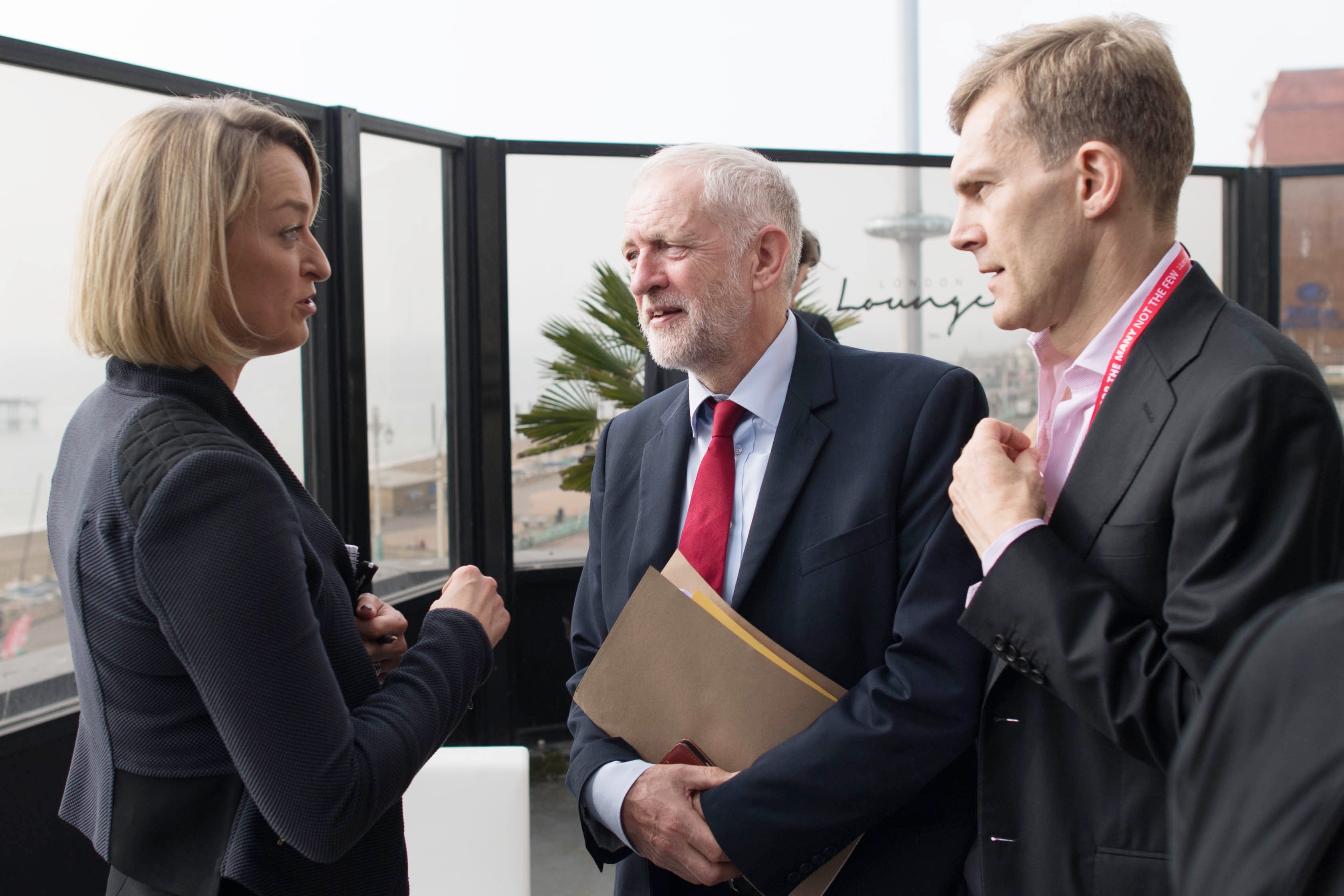
In a 2017 interview, Corbyn accused ITV News of being “utterly obsessed” with questions about whether he would resign.
“It’s your responsibility to make sure the opposition voice is heard as well as the government’s voice. It’s your failings,” he told the interviewer, who responded: “But isn’t it an important obsession?”
Politicians have always sought to dodge uncomfortable questions, but Kuenssberg believes the increasingly confrontational approach marks a shift in how they deal with the press.
She contrasted the tactic with the more playful evasions of former prime ministers David Cameron and Boris Johnson, who frequently used humour to deflect scrutiny.
“David Cameron had a smooth line in trying to make a little joke; if it was [a question] that he didn’t necessarily like, he’d go: ‘You can try as many times as you like, I’m not really sure people at home really think this is as important as you do.’
“Johnson did this as well, but with him, it was like trying to hold him on the lead while he was trying to run off chasing a squirrel like a spaniel.
“I think he knew that I was not gonna laugh at his jokes, but I could feel that he was trying to make people watching laugh so that they would then not see that he was blatantly trying to avoid answering the question.”
The difference now, she suggested, is that politicians are increasingly seeking to “undermine the conversation” itself, rather than merely sidestep an awkward exchange.
The trend comes amid growing concerns about press freedom and the erosion of trust in traditional journalism, fuelled in part by Trump's attacks on news organisations and attempts to restrict their access to the White House.
But Kuenssberg pushed back against suggestions that established broadcasters had lost their ability to hold politicians to account, arguing that traditional media still commanded audiences that newer, partisan outlets could not match.
“There is a panic in some places that proper scrutiny doesn't exist,” the Sunday with Laura Kuenssberg host said.
“But Andy Burnham did his first interview as Prime Minister with me, which we put on primetime TV, and he’s just done another half-hour about his first one hundred days on ITV.
“The biggest outlets and the biggest places people go for information are still, by a country mile, the traditional outlets.”
Listen to the full episode of In The Room on Apple Podcasts and Spotify, or watch on YouTube.
KioskNews shows a cleaned-up reading view extracted from the publisher’s page — the original always lives on their site, not ours.