30 Years Later, Marvel's First Reboot Is Still One Of The Most Important Comic Events Of All Time
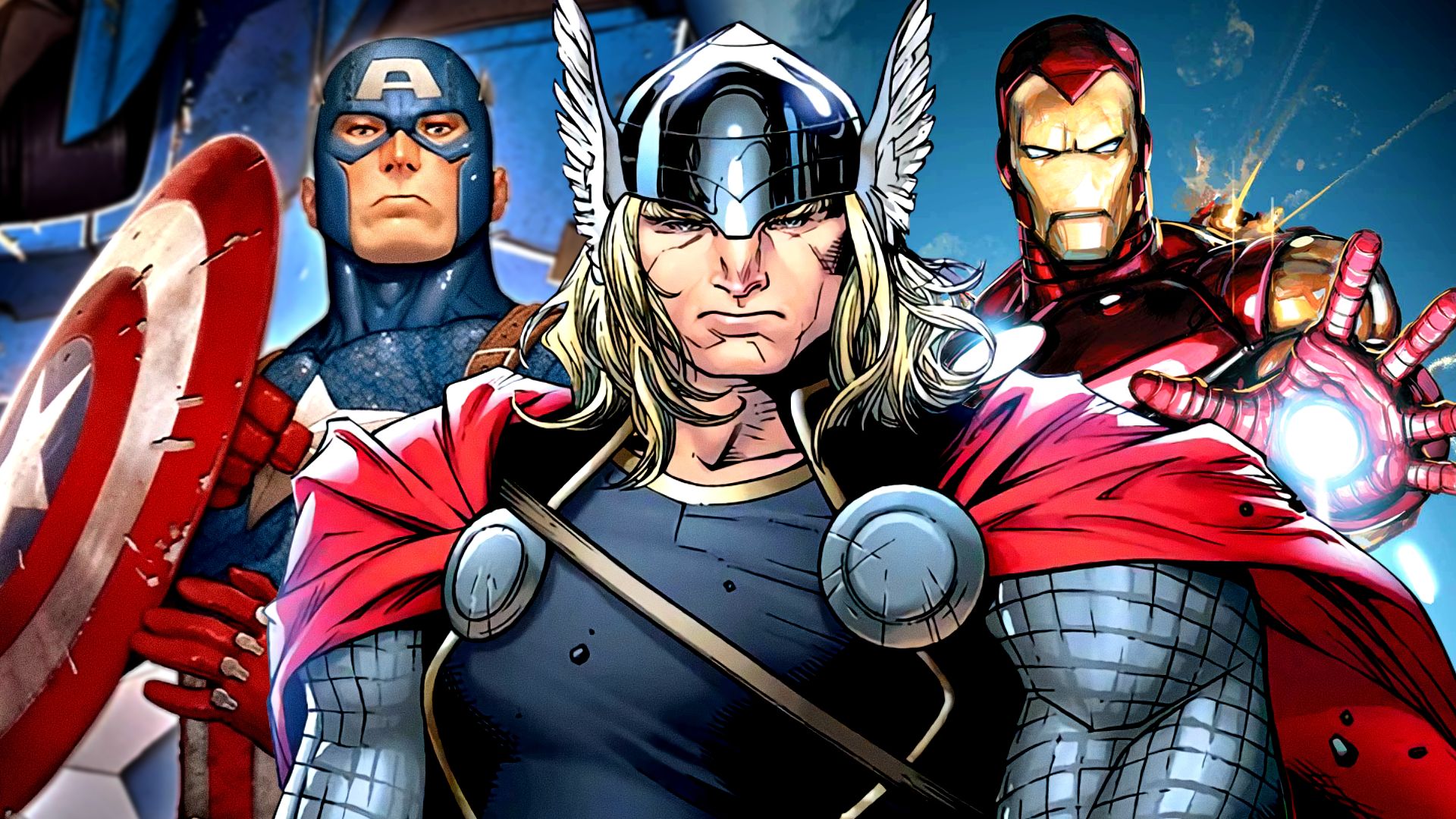

Derek is the Training Lead for ScreenRant. Before his current position, he spent 20 years working in games, TV, and film while also writing for several entertainment sites.
Derek is also the co-host of three pop culture podcasts: Across the Omniverse, The Bad Batch, and Watch Men.
There is no end to major comic book events, but only a select few have built an entirely new universe (mostly) from the ground up. The most famous is DC's Crisis on Infinite Earths, which reset the entire DCU, getting rid of the multiverse and restarting (almost) everything. Decades later, Marvel launched the Ultimate Comics line, updating classic characters for the 21st century and creating a lot of elements that would make their way into the MCU, a brand new Nick Fury being the most obvious but far from the only piece.
More recently, Marvel restarted their Ultimate Universe with a new twist and a pre-planned ending that made the books feel fresh and exciting. Not long after, DC kicked off the Absolute Universe, giving readers new, darker versions of the company's biggest characters, with Absolute Batman and Absolute Wonder Woman becoming the stand-out titles. And now, Marvel is once again attempting a new, scarier universe with the Midnight Universe, which promises to give readers creepy new versions of their favorite heroes.
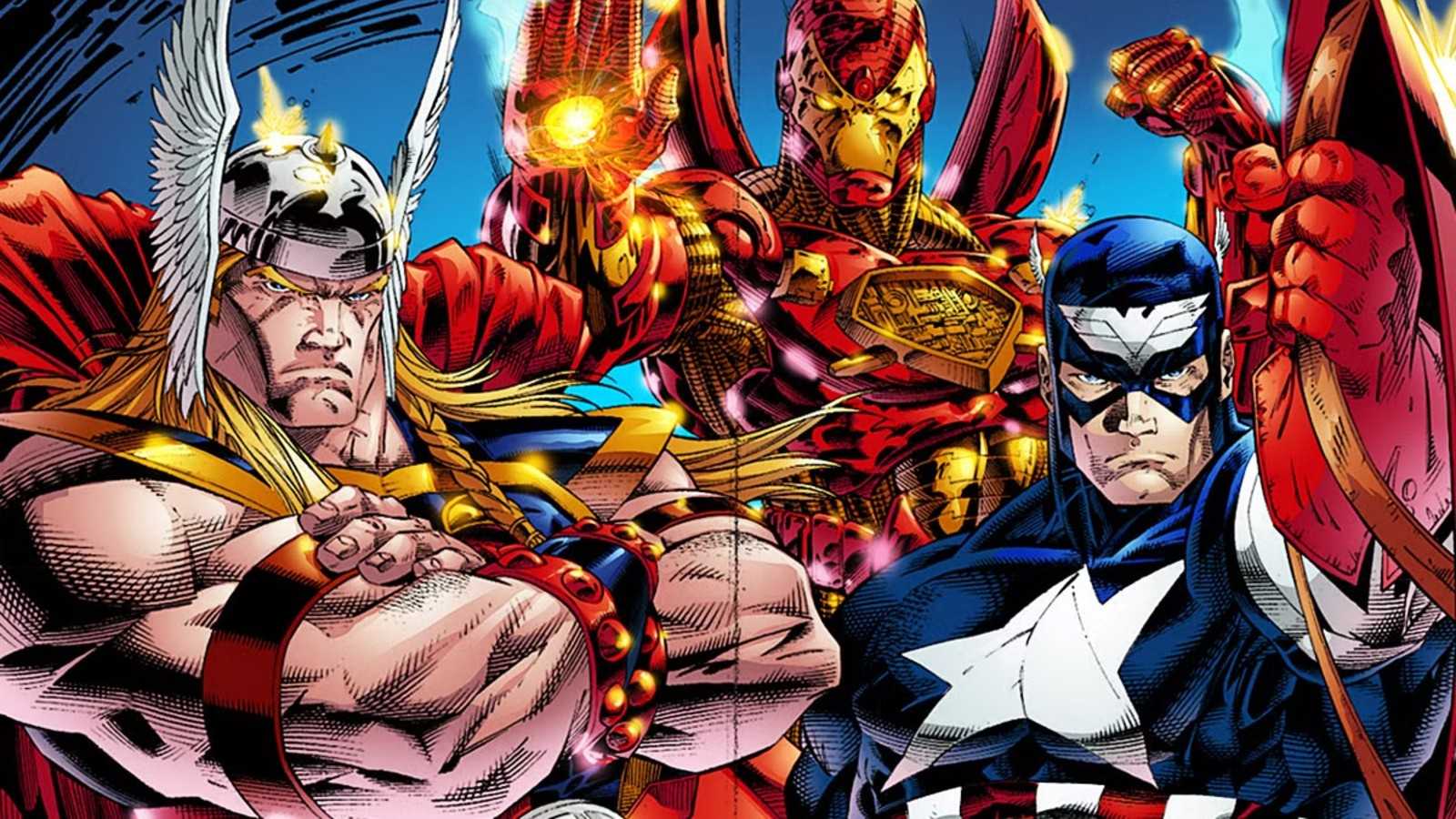
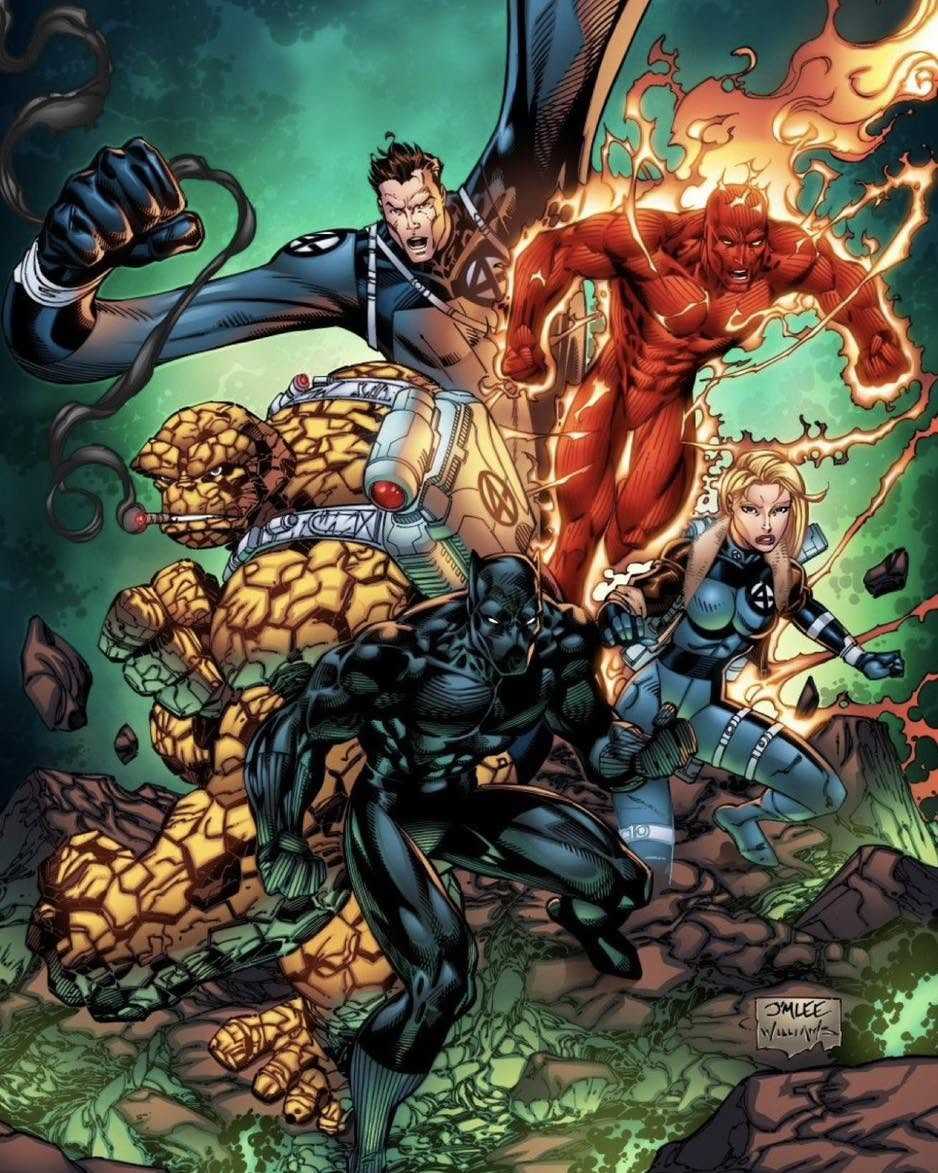
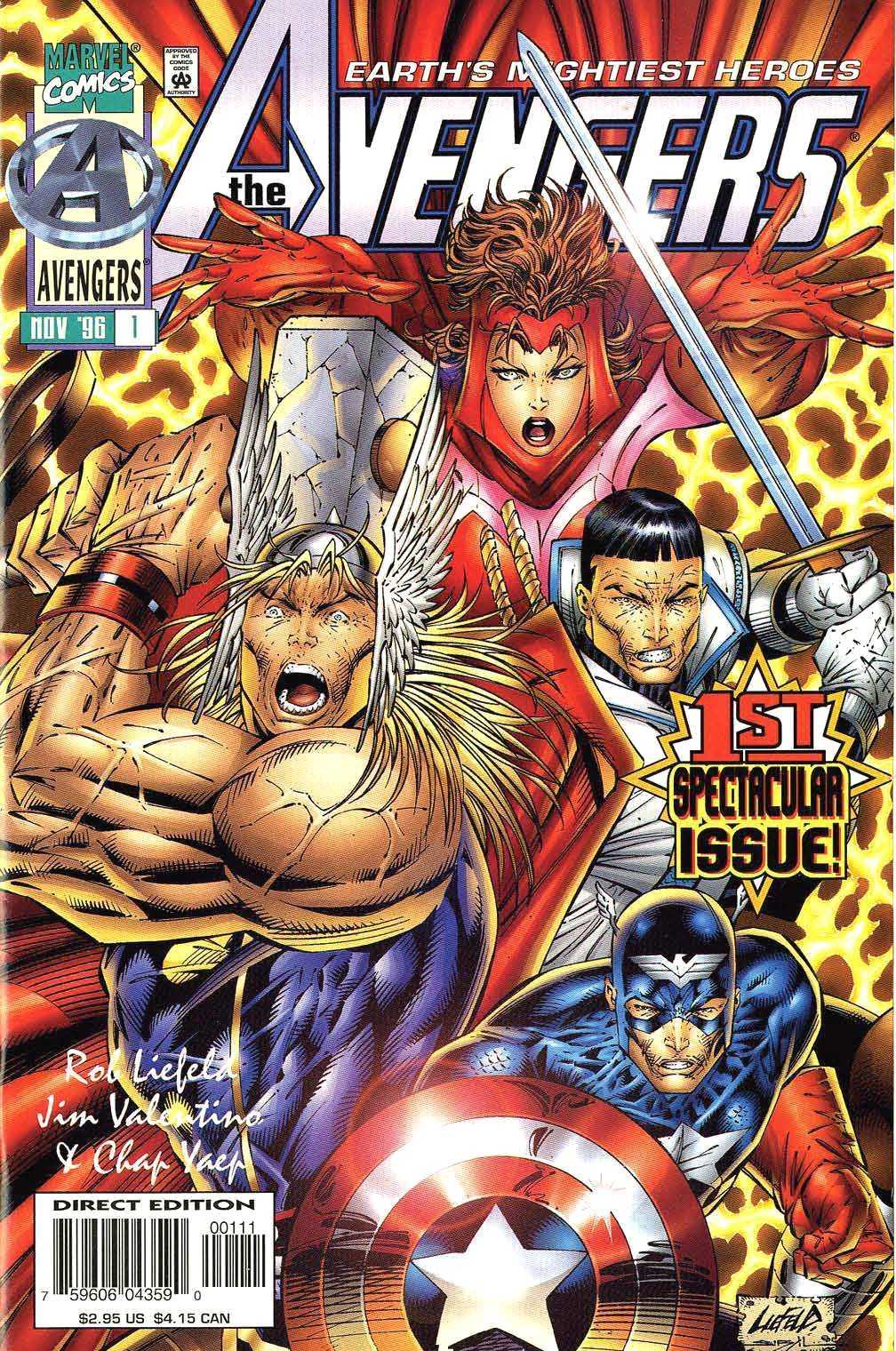
But before any of these newer attempts at building a fresh universe filled with recognizable heroes, Marvel took its first swing at building a new reality. In 1996, the House of Ideas brought back two of the biggest creators of the decade and gave them free rein over the Avengers and Fantastic Four with Heroes Reborn.
Heroes Reborn Was A Last Ditch Effort To Bring Readers Back
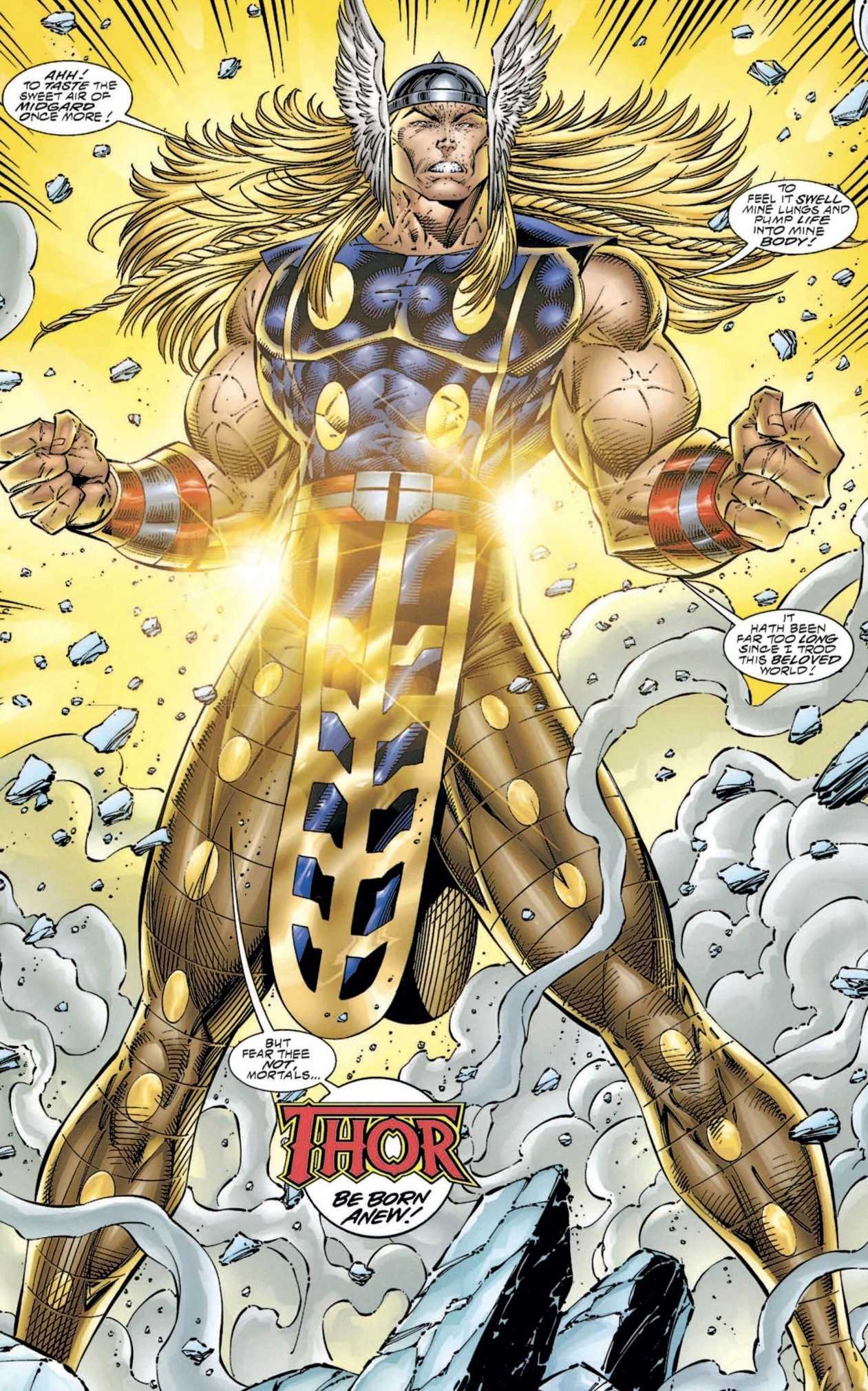
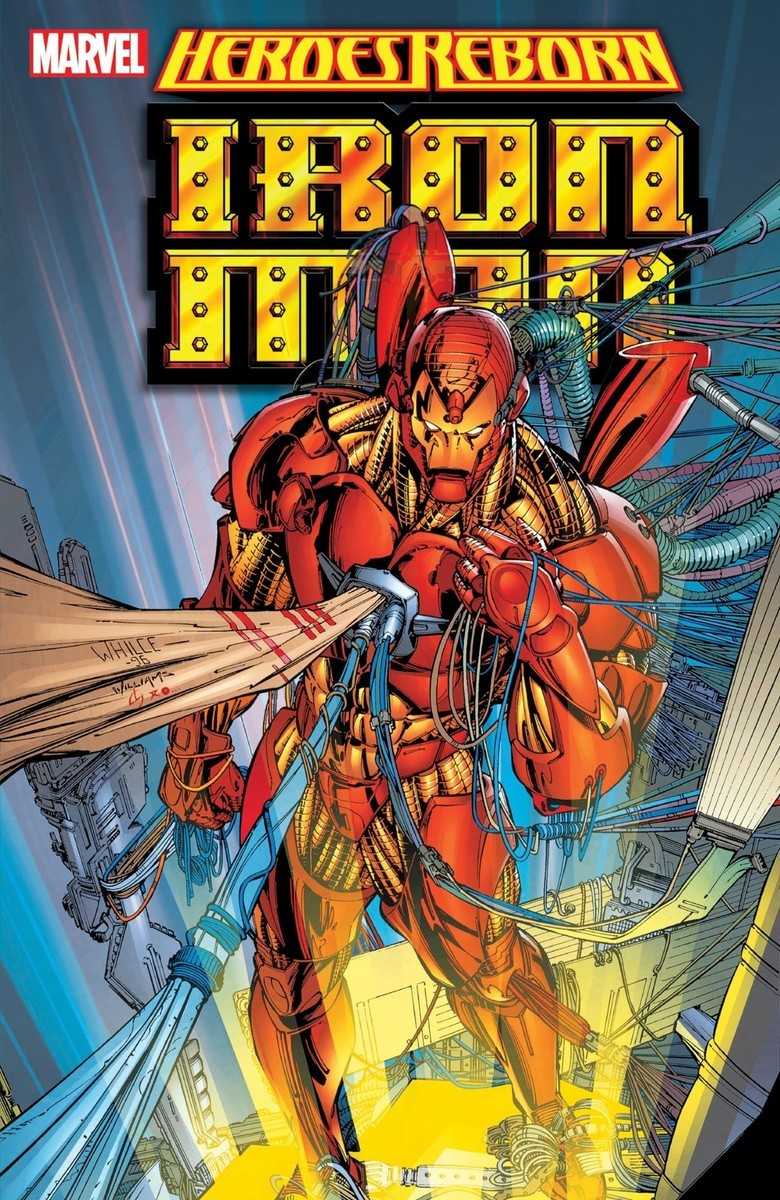
The 1990s was a tough decade for Marvel Comics. In 1992, seven of their biggest creators left the company and formed Image, forever changing the comics landscape and taking a lot of readers with them. Todd McFarlane's Spawn, Rob Liefeld's Youngblood, and Jim Lee's Wildcats were instant hits, selling millions of copies each month. Meanwhile, Marvel (and DC) saw their sales slump even as they tried to copy what the Image crew was doing.
No matter how extreme or gritty Marvel made their heroes, readers weren't all that interested. The low sales numbers were especially evident in Fantastic Four and the Avengers line, which included Thor, Iron Man, and Captain America. By 1994, Marvel was already trying to coax some of the Image creators back, starting with McFarlane who flat out refused. They next reached out to Liefeld and Lee, offering them four titles that were on the verge of cancellation — Iron Man, Captain America, Avengers, and Fantastic Four — to do with as they please. After a year of negotiating, the two artists agreed, but not before securing big paydays for themselves and their teams.
Marvel put together a massive event to disconnect the heroes of those books from the rest of their connected universe. X-Men: Onslaught would see Marvel's biggest teams face off against a villain that was created by the combined subconsciousness of Magneto and Professor Xavier. With no other way to stop him, the Avengers and Fantastic Four chose to sacrifice themselves as a way to destroy Onslaught. But what no one in the MCU knew was that, at the last moment, Franklin Richards — the very powerful son of Mister Fantastic and Invisible Woman — teleported the two teams to a pocket dimension.
It was in that pocket dimension that Lee and Liefeld were able to tell new tales of the heroes without decades of continuity to hold them down under the umbrella of Heroes Reborn. The plan worked, and for a moment, readers came back in droves.
Heroes Reborn Was Destroyed By Corporate Failures
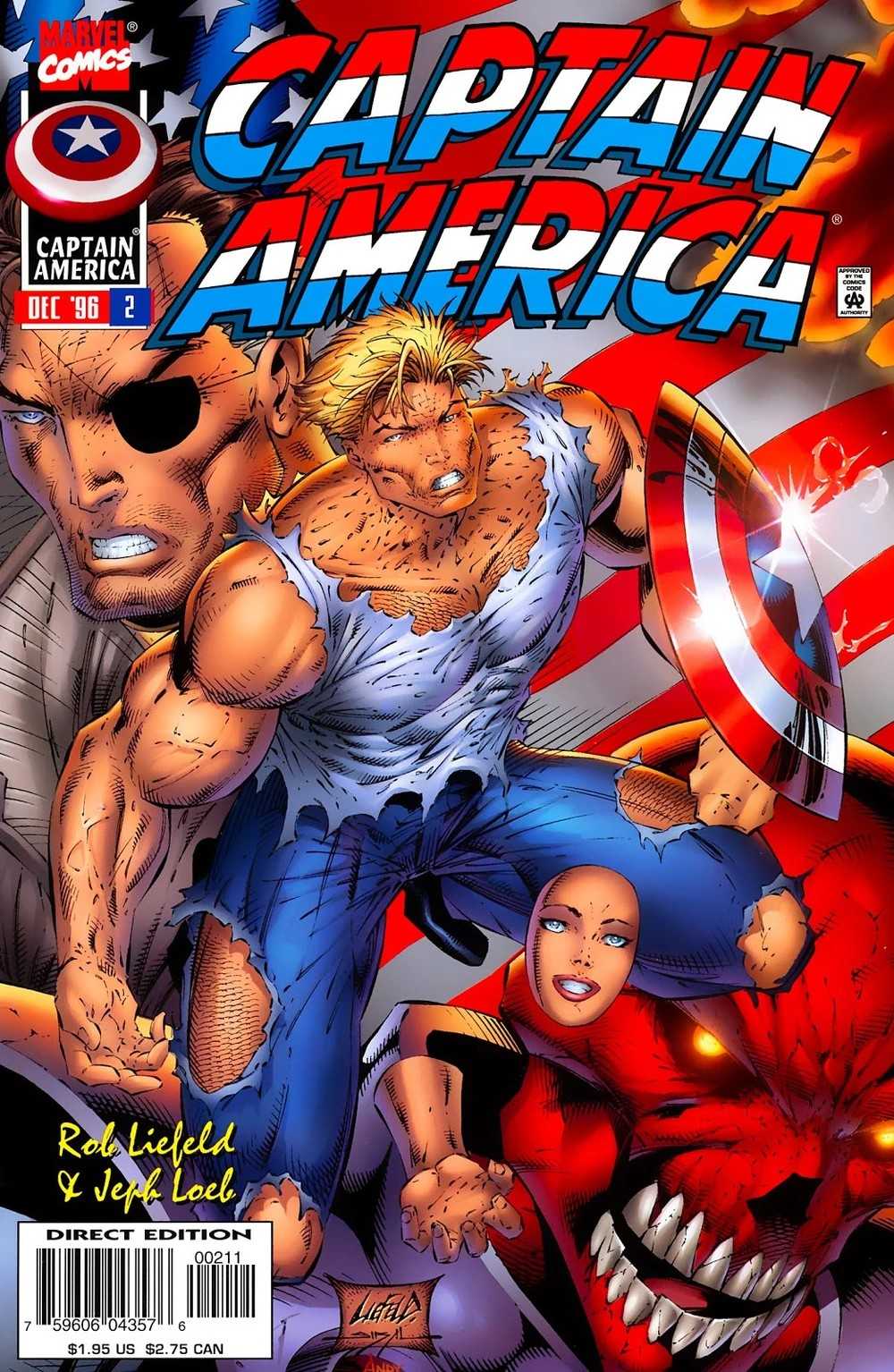
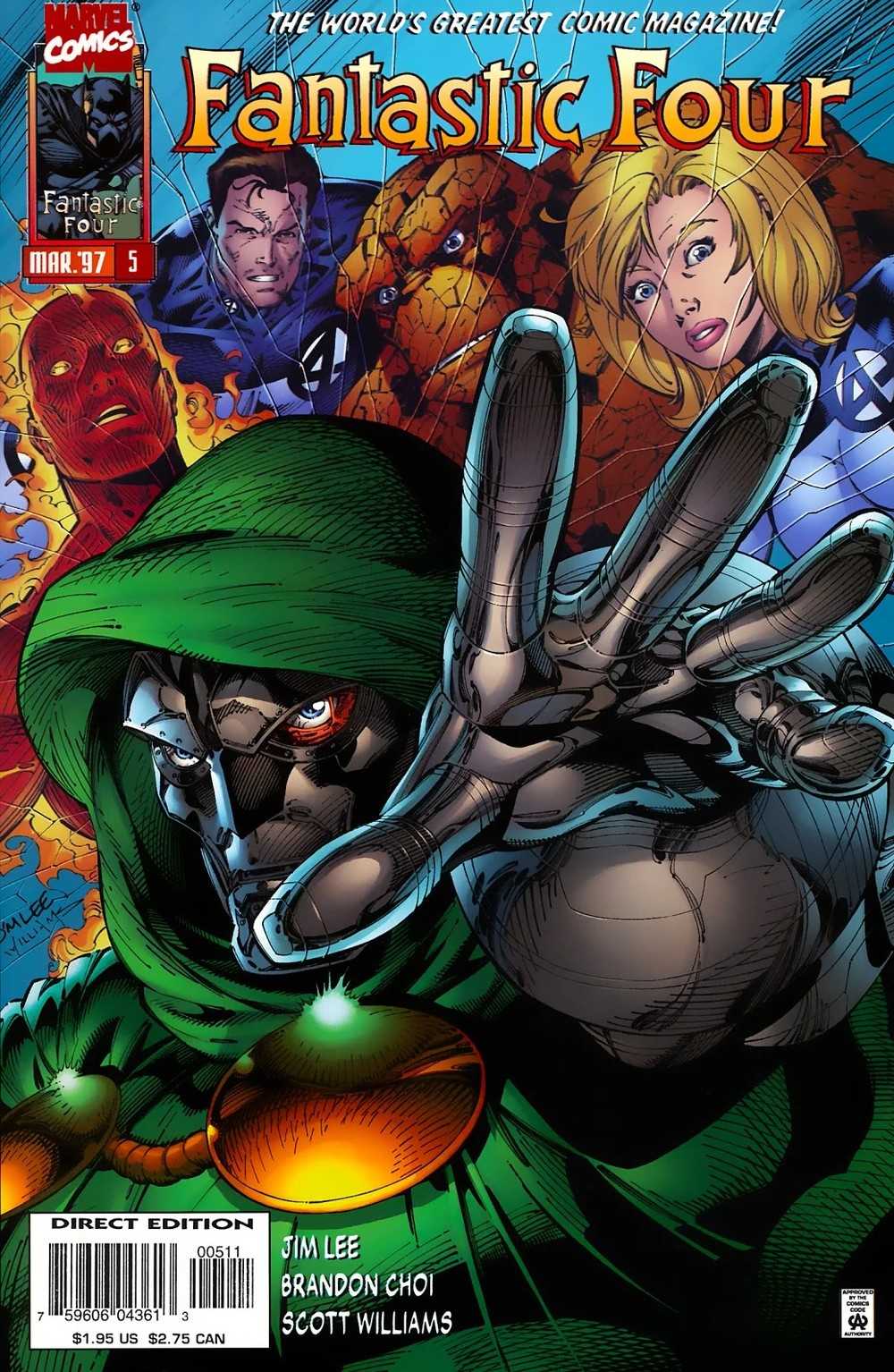
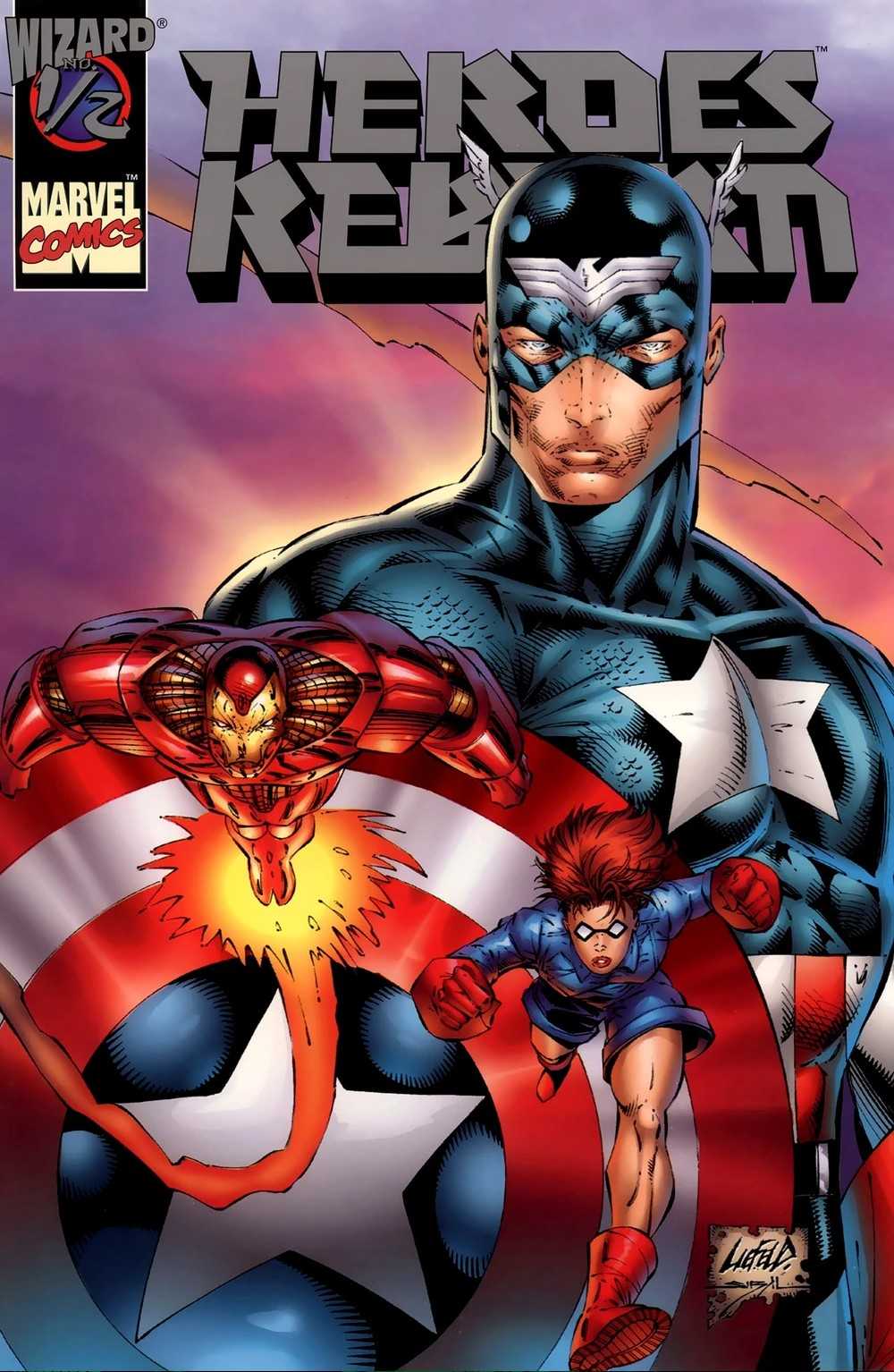
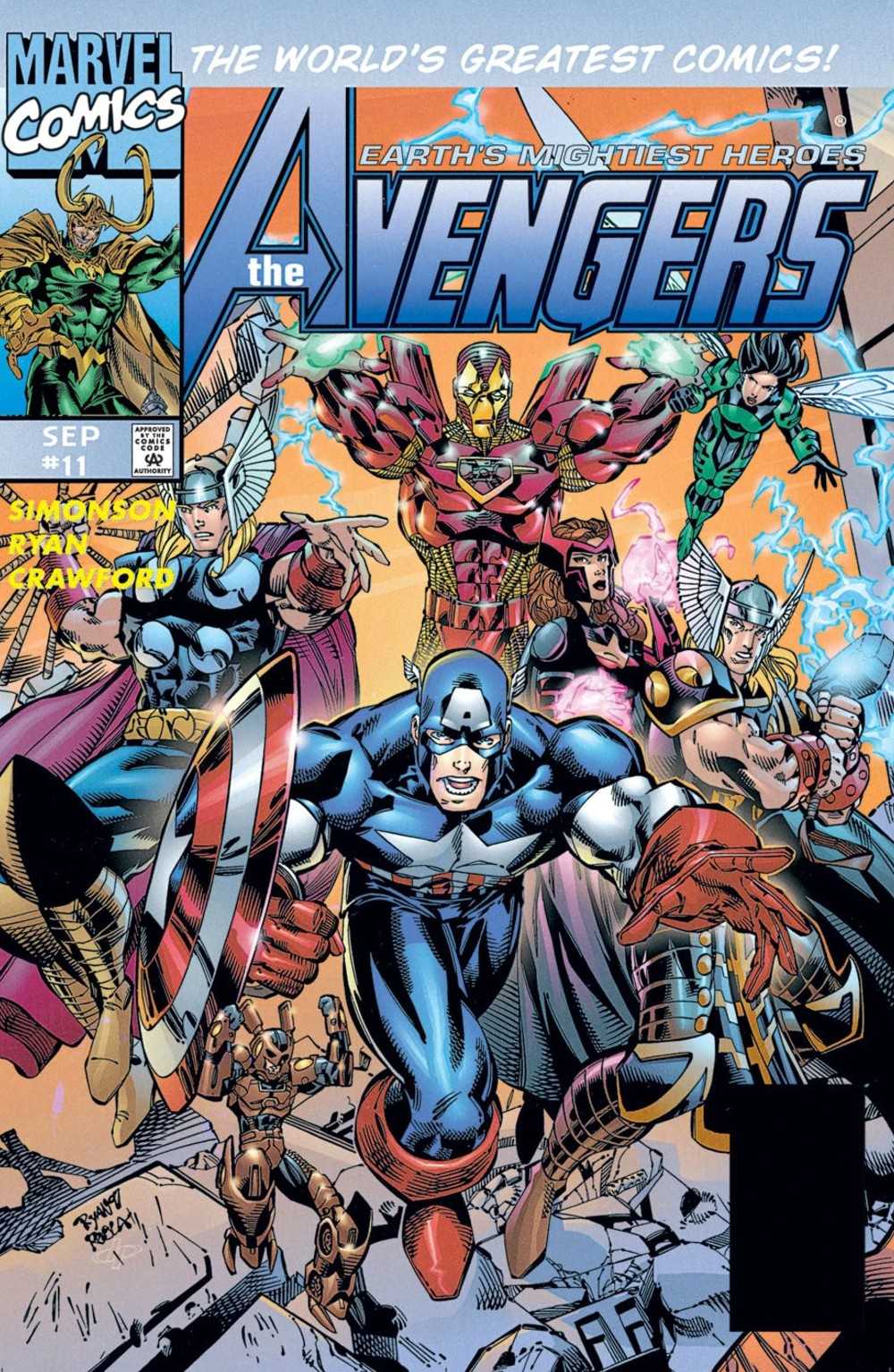
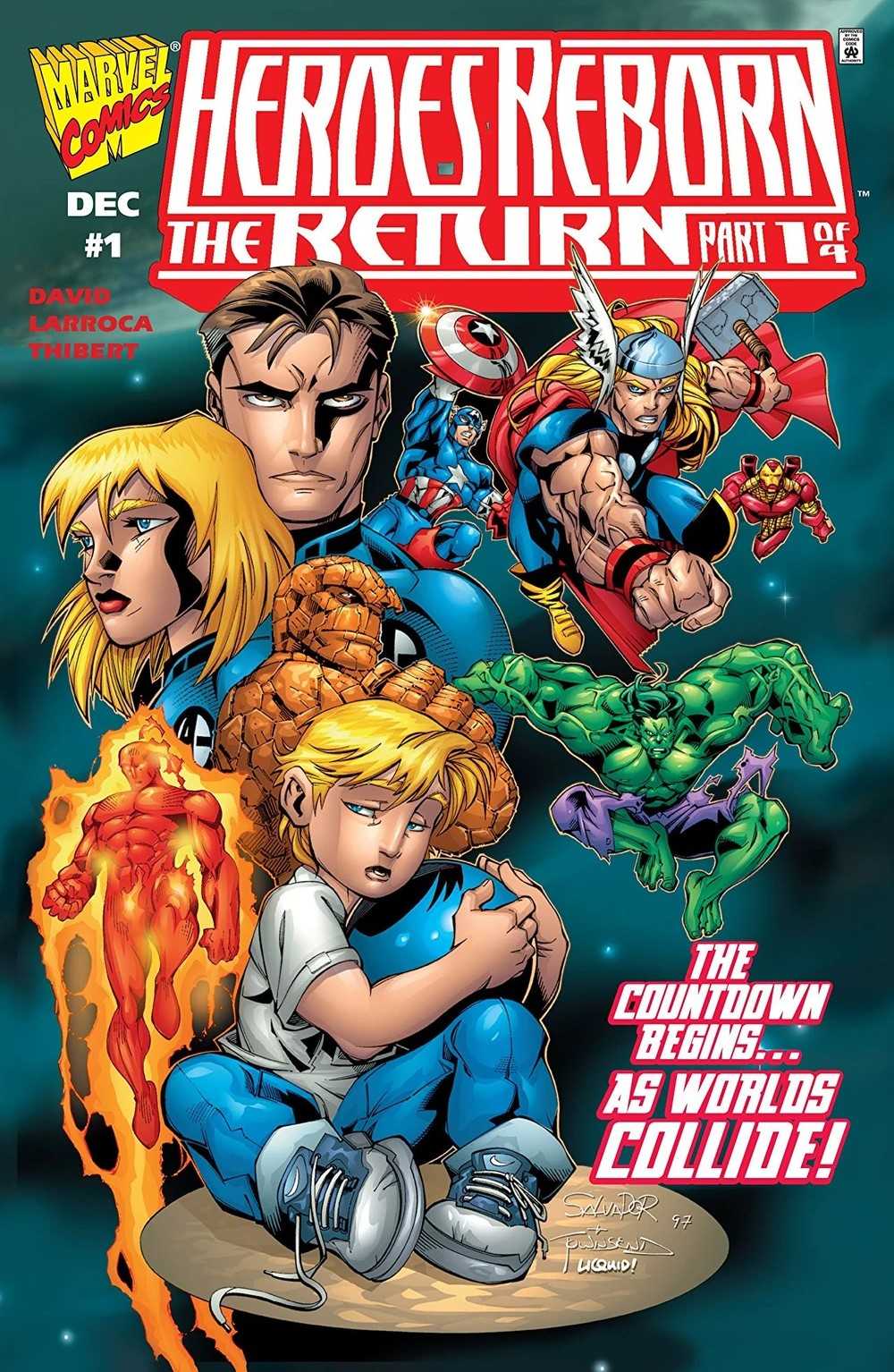
At first, Heroes Reborn was a massive success. With the first issues hitting stands in September 1996, the books sold hundreds of thousands of copies. While not matching the sales of X-Men #1 or X-Force #1 years earlier, was far better than any Fantastic Four or Avengers title had done in some time. But a series of mishaps were right around the corner.
After the excitement started to die down, readers began to walk away from the books. Many were upset that the titles weren't, in their opinion, offering truly fresh takes on the characters while also removing them from the line wide continuity of the Marvel Universe. Part of this was because Marvel corporate, facing serious financial problems, pushed Jim Lee and Rob Liefeld to rush the books to the shelves while Marvel's editorial department kept requesting changes to what the duo had planned. In the end, the books couldn't stop Marvel's bleeding and the company was forced to file for bankruptcy before the end of the year.
For a time, Lee and Liefeld continued to try and make things work, but Marvel's internal issues proved to be too much for the duo and their teams to deal with. Just 13 months after Heroes Reborn began, Liefeld and Lee walked away from the project and Marvel brought the heroes back to the 616 universe. But without Heroes Reborn showing the industry that readers would be open to big swings. Just three years later, the company would try again, but this time with better planning and without a looming bankruptcy over its head. 2000 saw the launch of Ultimate Marvel, a new universe that ran for 15 years before running out of gas itself. That universe gave readers clean starts to classic characters and, before ending, introduced two new characters — Miles Morales and The Maker — who became fan favorites, continuing to appear long after the Ultimate Universe closed up shop.
But, most importantly, Heroes Reborn gave the entire industry a boost in a time when it was badly needed. The titles may not be celebrated by the masses today, but there's no telling what Marvel would look like without them.
KioskNews shows a cleaned-up reading view extracted from the publisher’s page — the original always lives on their site, not ours.