'Moonshiners' stars challenge notorious warning that outlaw liquor can make you go blind
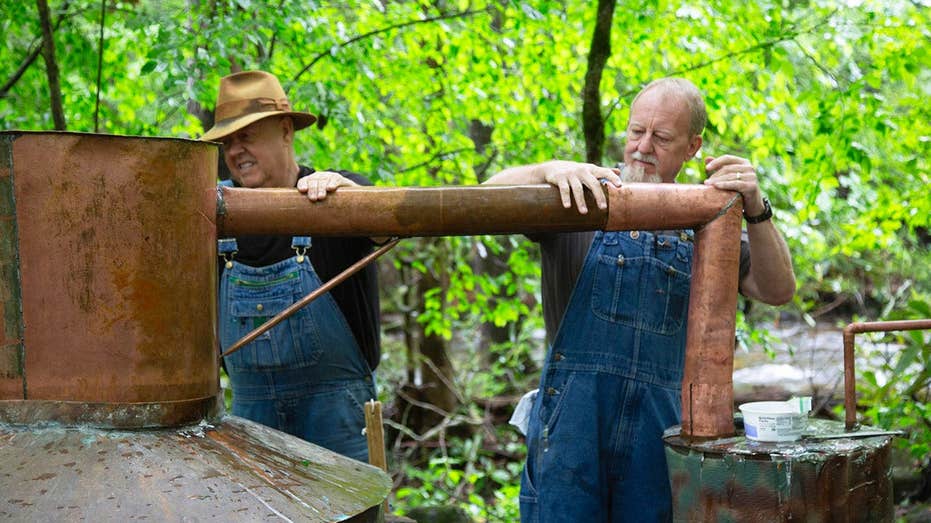
For generations, Americans have been warned that the notorious outlaw liquor could leave them blind. But "Moonshiners" stars Mark Ramsey and Eric "Digger" Manes say there's more behind that warning than most people realize.
"There's a huge different thought process behind moonshine than there was, say, in the '40s, '30s, early years," Manes told Fox News Digital.
KENNY LAW, 'MOONSHINERS' STAR, DEAD AT 68
Mark Ramsey and his distilling partner Digger Manes are starring in the new season of Discovery Channel's "Moonshiners," which airs on Tuesdays at 8 p.m. (Courtesy of Discovery Channel)
"There was a lot of propaganda out there. It was said that it could make you go blind, make you die, make you go crazy, make you get the jack leg. The government was the one that was poisoning the industrial alcohol the people were stealing to make bathtub gin."
Historical records support part of Manes' account. During Prohibition, the federal government required industrial alcohol to contain toxic additives to discourage people from drinking it, according to the Smithsonian Channel. Some of that alcohol was diverted into the illegal liquor market and sold for consumption, although it was distinct from traditionally distilled moonshine.
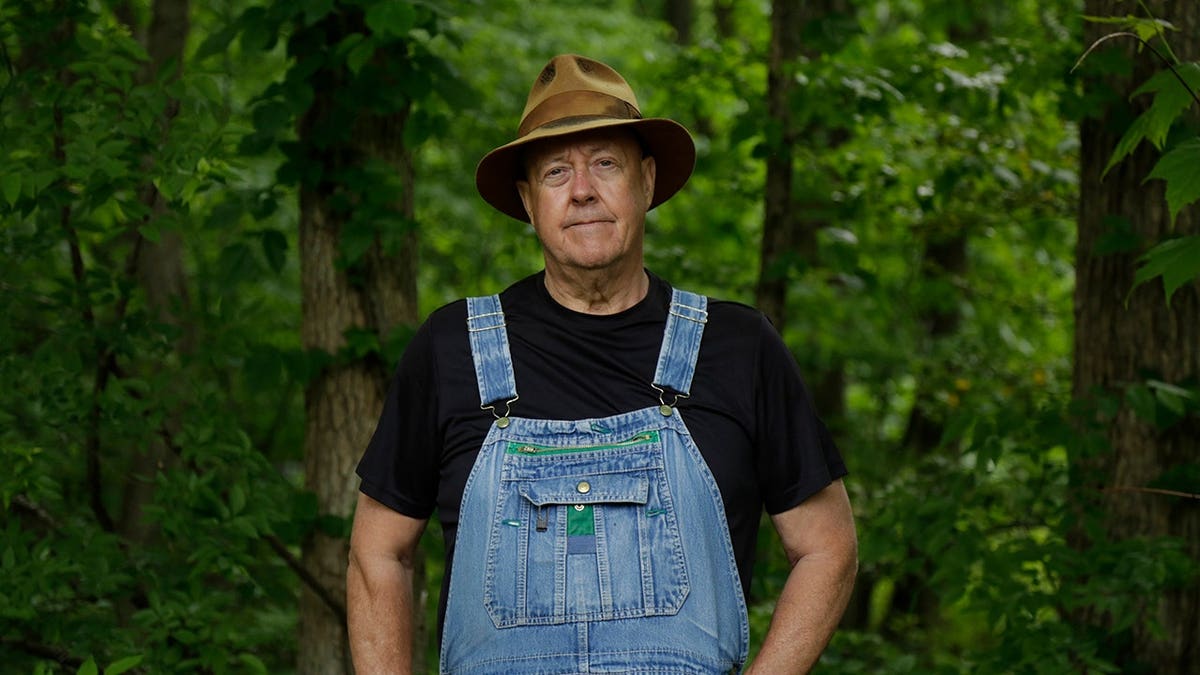
Mark Ramsey learned about producing moonshine as a young man. (Courtesy of Discovery Channel)
The consequences were deadly. According to the Smithsonian Channel, 66 people died in New York City on Christmas Day 1926 after consuming poisoned industrial alcohol. The city's medical examiner, Charles Norris, blamed the federal government's practice of adding toxic substances to industrial alcohol, including those involving methyl alcohol, also known as methanol, which can cause blindness and death.
WATCH: ‘MOONSHINERS’ STARS REVEAL THE TRUTH BEHIND A MISUNDERSTOOD TRADITION
But not every warning about illicit liquor was a scare tactic.
Ramsey acknowledged that moonshine posed genuine health risks in earlier generations, particularly when distillers unknowingly used dangerous materials to build their equipment.
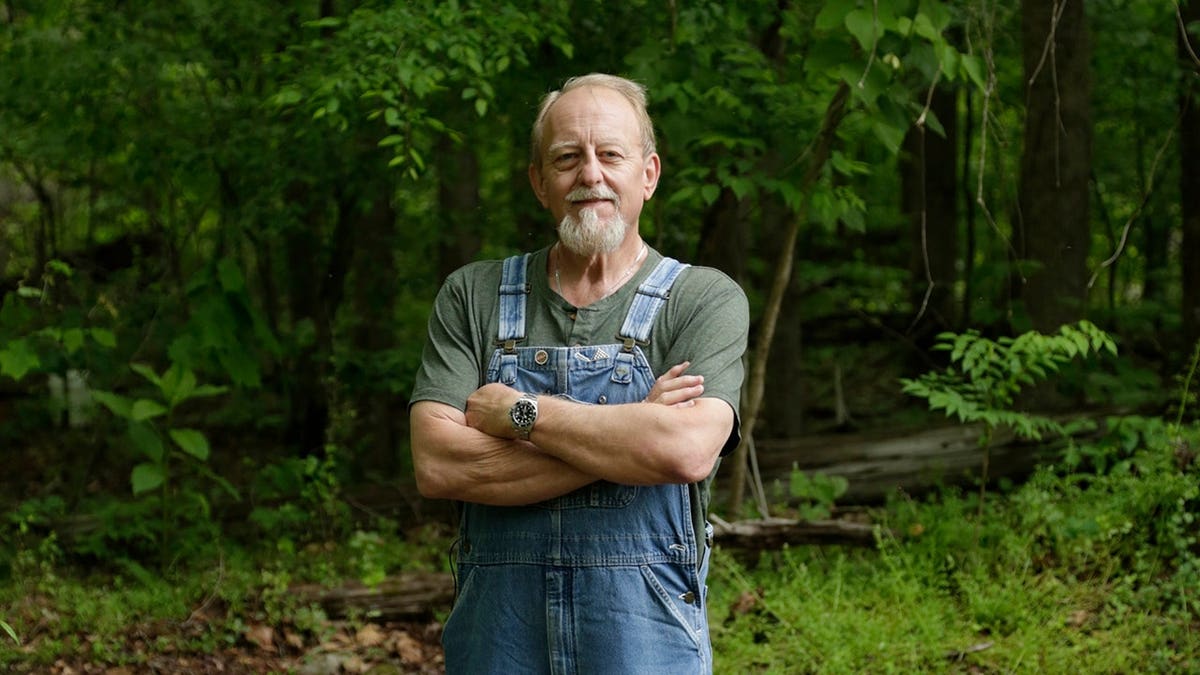
Eric "Digger" Manes (pictured here) and Mark Ramsey have mastered the craft of distillation. (Courtesy of Discovery Channel)
"Back in the day, there were people who had health issues because of moonshine," Ramsey explained. "The solder that they used to build the pots had lead in it back in the day, and they didn't know that it was happening. So once it was discovered that the solder had lead in it, even the old timers here, when they built their stills, they no longer soldered their joints on the inside of the pots. All the solder connections were on the outside where the mash never touched the solder anymore."
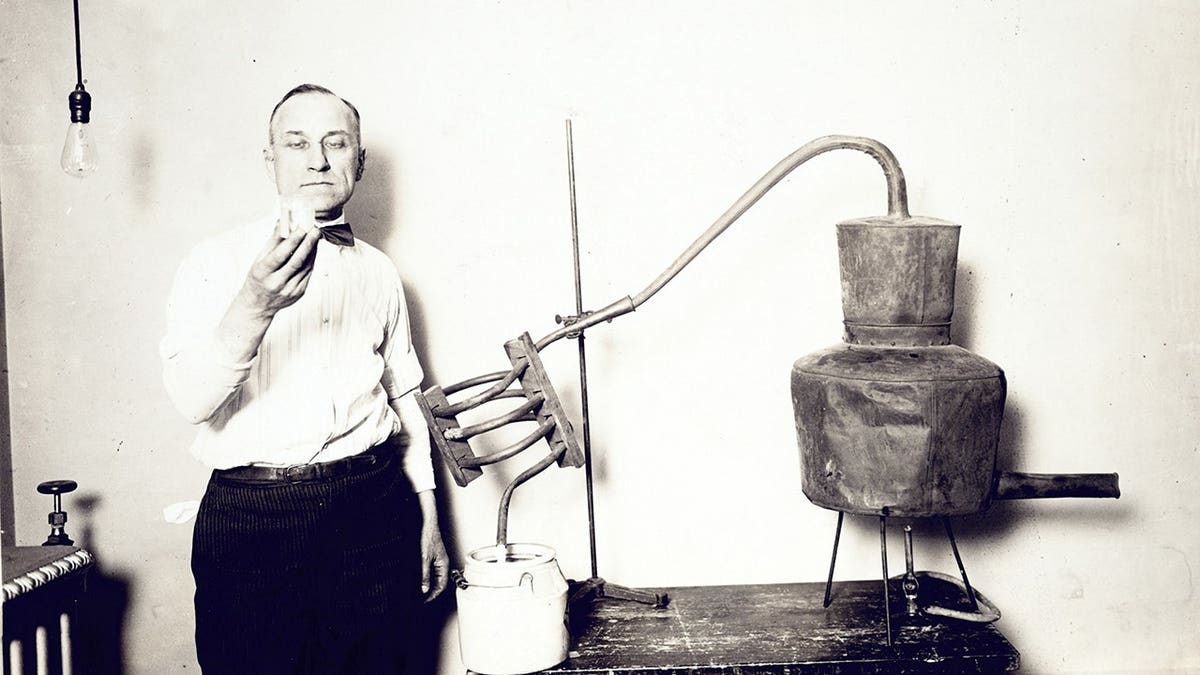
A moonshine still recently confiscated by the Internal Revenue Bureau is photographed at the Treasury Department between 1921 and 1932. A man stands next to the still and looks at the contents of a glass. (Universal Images Group via Getty Images)
"So yeah, it caused some issues, but it was strictly an accident," he said. "They just didn’t know any better."
While moonshine does not inherently cause blindness, improperly produced spirits can contain dangerous levels of methanol, a toxic form of alcohol. The Centers for Disease Control and Prevention warns that methanol poisoning can damage the optic nerve, causing permanent vision loss or death.
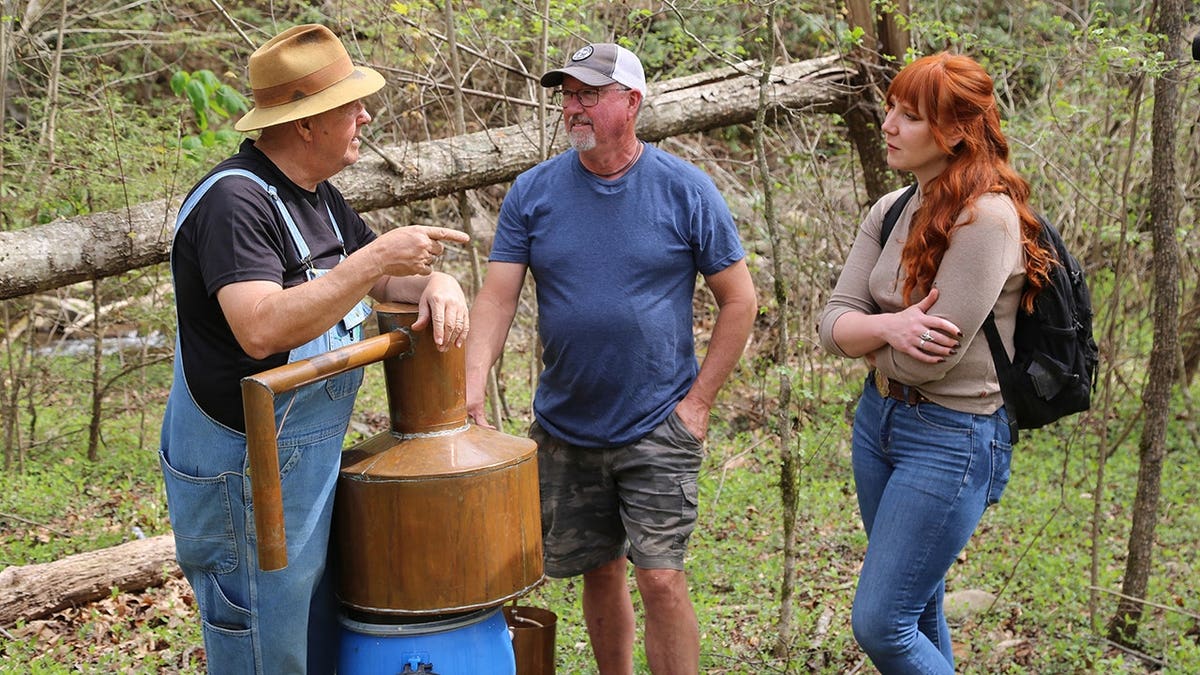
According to Discovery.com, "A dozen surviving moonshiners must join forces to fight for their way of life, before it's gone forever." (Courtesy of Discovery Channel)
"Moonshiners," which is now in its 16th season, premiered in 2011. The series follows "a diverse group of people living in Appalachia who carry on a 200-year-old tradition passed down from their forefathers, making moonshine," according to the show's synopsis.
GET ENTERTAINMENT SCOOP DELIVERED RIGHT TO YOUR EMAIL BY CLICKING HERE
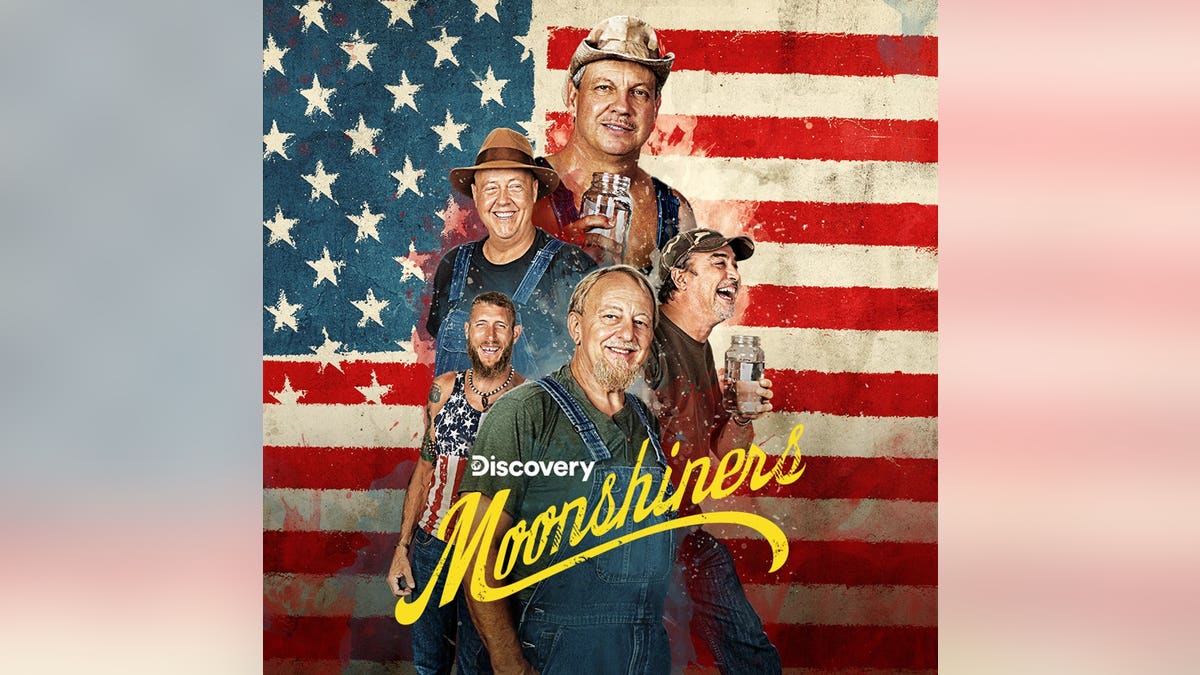
Discovery Channel's "Moonshiners" has been airing since 2011. (Courtesy of Discovery Channel)
Distillers can legally produce and sell spirits marketed as moonshine if they comply with federal, state and local licensing, taxation and other requirements. Federal law generally prohibits producing distilled spirits at home for personal consumption, according to the Alcohol and Tobacco Tax and Trade Bureau, although recent court rulings have challenged the constitutionality of certain restrictions.
According to The Washington Post, federal appeals courts have issued conflicting rulings on a federal restriction on home distilling dating back to 1868.
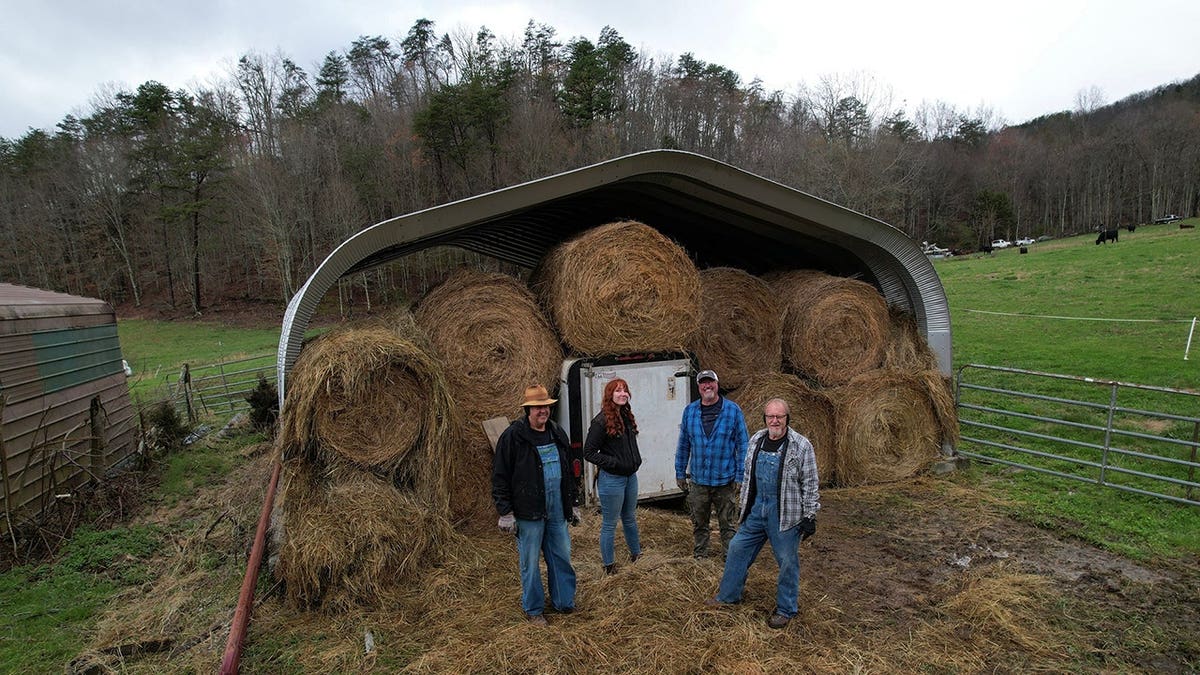
Mark Ramsey, Amanda Bryant, Kelly Williamson and Eric "Digger" Manes are seen here during the filming of "Moonshiners." (Courtesy of Discovery Channel)
In April 2026, the 5th U.S. Circuit Court of Appeals ruled that a federal restriction prohibiting distilled spirits plants from operating in homes and certain other locations was unconstitutional. Days later, the 6th U.S. Circuit Court of Appeals reached the opposite conclusion, upholding the restriction as a "necessary and proper means" of collecting liquor taxes, the outlet reported.
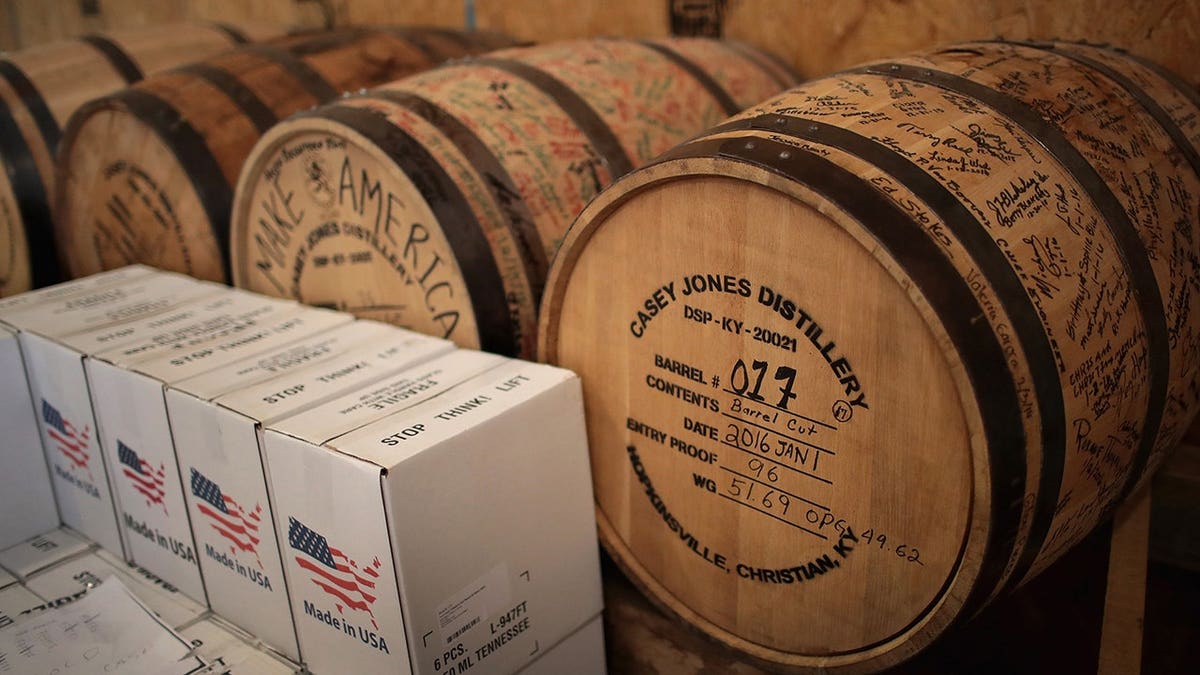
Barrels of moonshine age at Casey Jones Distillery in Hopkinsville, Kentucky., on Aug. 16, 2017. (Getty Images)
The Hobby Distillers Association and four individual plaintiffs challenged the restriction in the 5th Circuit case, according to The Washington Post. Supporters of legal home distilling hope overturning the restriction could spark a "craft spirits revolution."
The legal battle has since reached the Supreme Court. In July, John Ream, the plaintiff in the 6th Circuit case, asked the justices to review the ruling. The Justice Department filed a separate petition in August, seeking to overturn the 5th Circuit's decision.
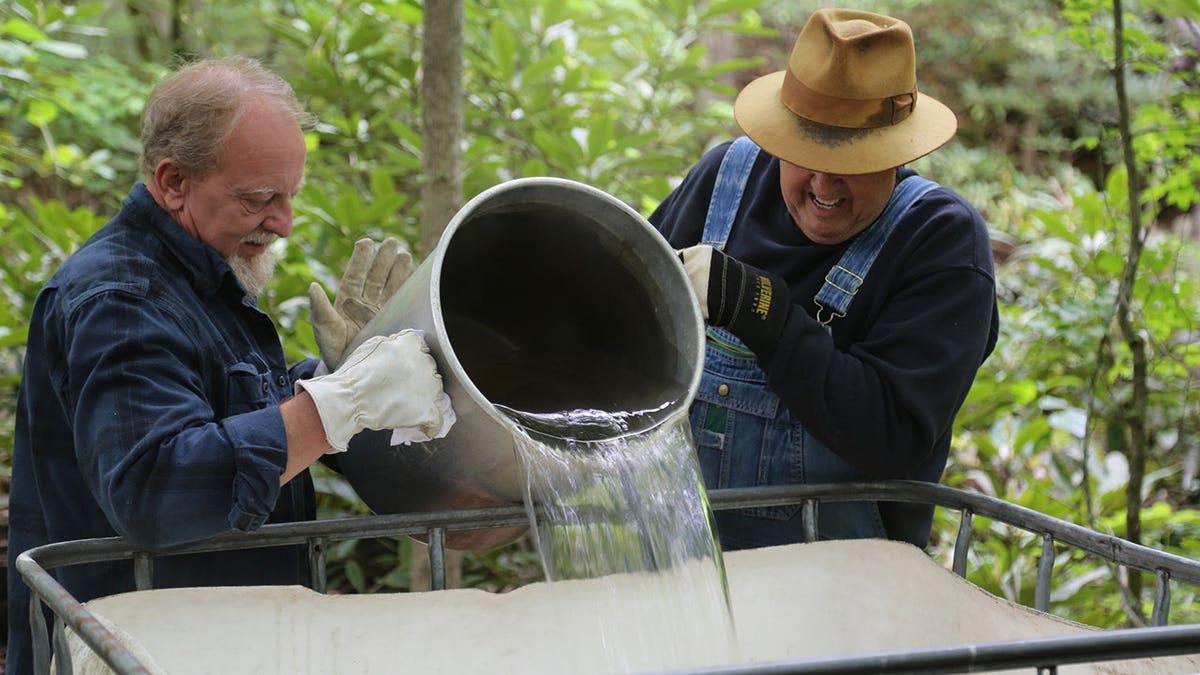
Eric "Digger" Manes and Mark Ramsey are the faces of Sugarlands Distilling Company. (Courtesy of Discovery Channel)
Ramsey also challenged longstanding stereotypes about "moonshiners."
LIKE WHAT YOU'RE READING? CLICK HERE FOR MORE ENTERTAINMENT NEWS
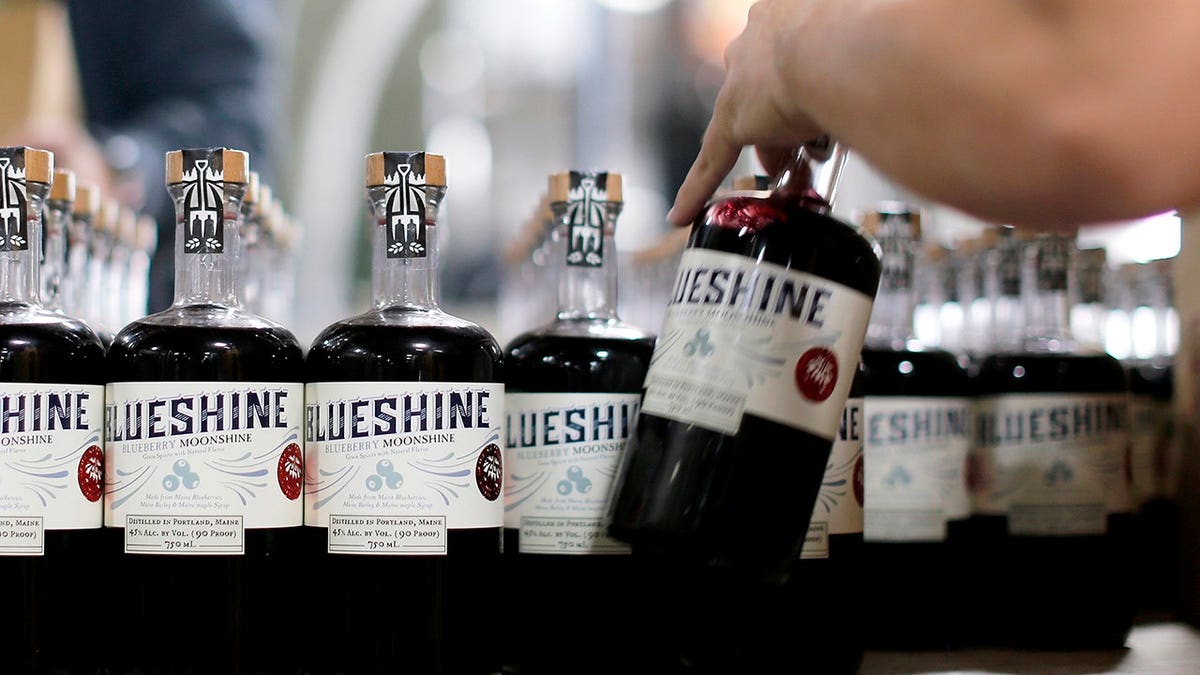
Seth Powers, a production staffer at Maine Craft Distilling, boxes bottles of blueberry moonshine. The company is one of several distilleries and breweries to use Maine farm products. (Portland Press Herald via Getty Images)
"A lot of times, people give it a bad name because they just see it as poison and a bunch of heathens out doing stuff they shouldn’t do," he said. "And moonshiners, as a rule, are very, very good people. They were just simply doing what they had to do to survive back in the day."
"[Moonshine] didn't actually sell in Appalachia," Ramsey said. "It went farther north: Ohio, Detroit, New York, the East Coast. ... One of my friends told me ... he took a load of liquor to Ohio and said, 'Them fellas up there, they get it. And every one of them said, 'God bless them hillbillies.'"
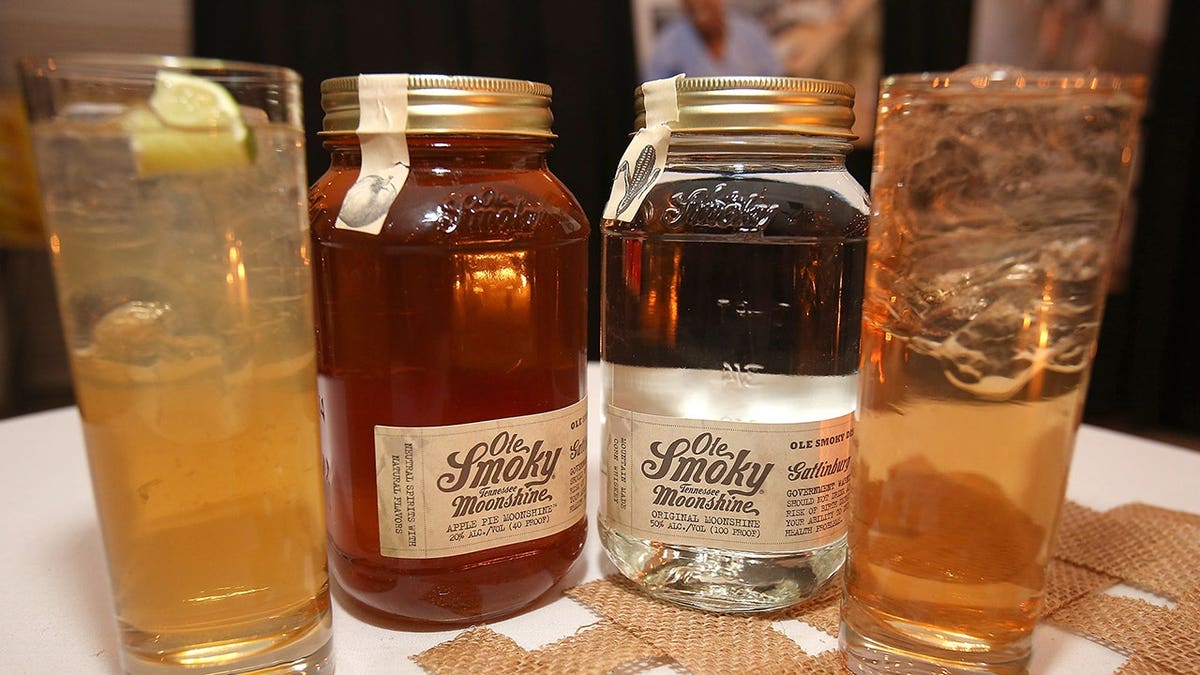
Ole Smoky Tennessee Moonshine is seen here on Dec. 10, 2013, at The Garage by Kenneth Cole in New York City. (Getty Images)
"The liquor business back in the day, the heyday of it, probably wouldn't have flourished here in Appalachia so prominently had it not been for our northern neighbors buying it," Ramsey said. "So we had a reason to make it, and they had a reason to want it."
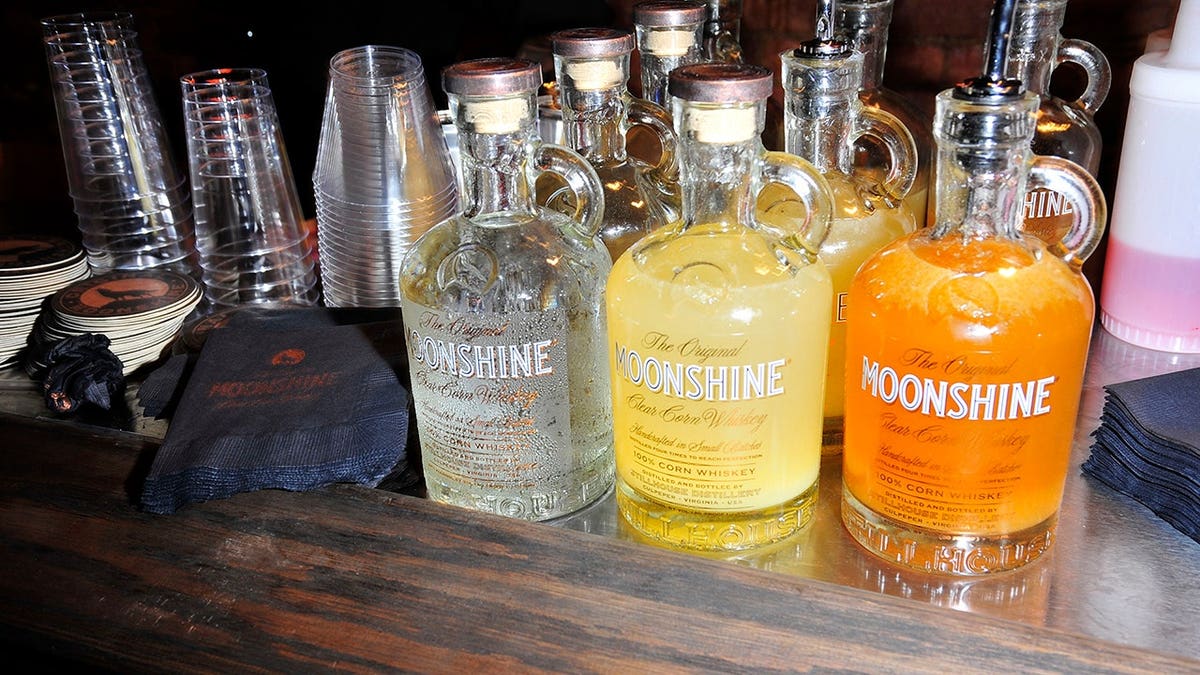
The launch of Original Moonshine at Morrison Hotel Gallery in New York City is seen here on Sept. 11, 2010. (Patrick McMullan via Getty Images)
"We were broke, but could make liquor," Manes added. "And they had money and could buy it."
Ramsey is also optimistic about the future of moonshine. He said a new generation of distillers is eager to carry on the tradition.
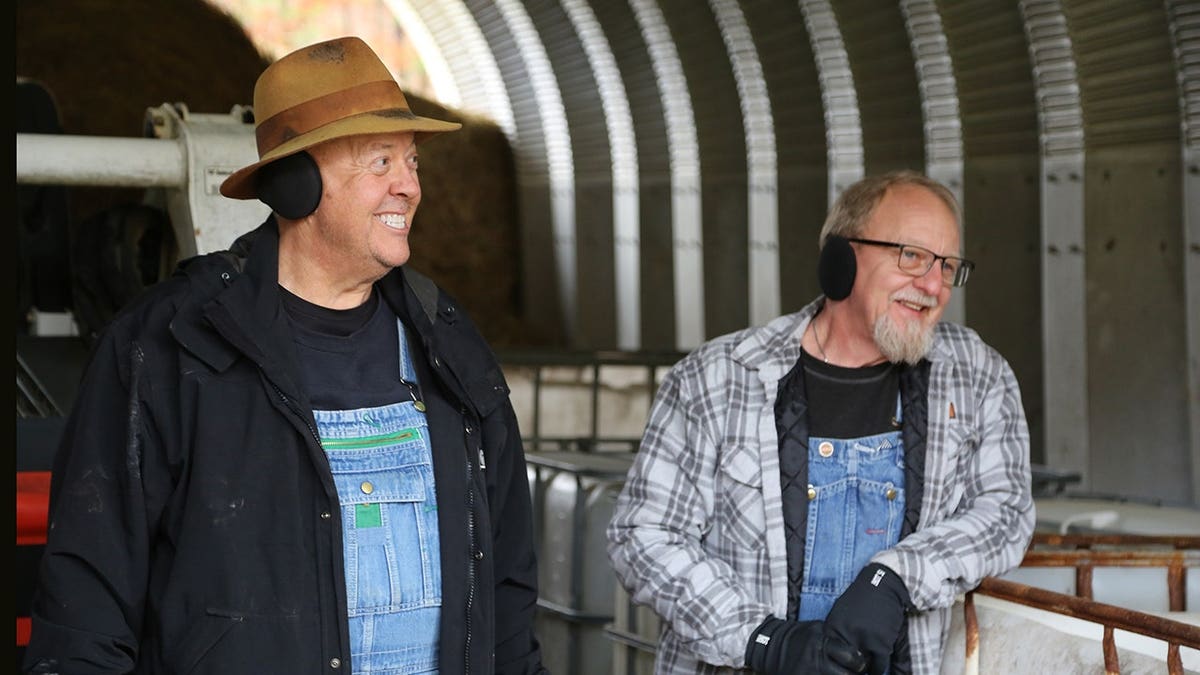
Mark Ramsey and Eric "Digger" Manes told Fox News Digital that moonshine became increasingly popular up north. (Courtesy of Discovery Channel)
"As we saw in previous seasons … we always want to know who's going to fill our shoes, who's going to carry the torch forward," he said. "[And] we have so many good distillers up and coming. I think it's got a future, a very healthy one. Things will change. It's been argued that the best drink of liquor hasn't been made yet, so they've got something to shoot for."
PUT YOUR ENTERTAINMENT KNOWLEDGE TO THE TEST AND SEE HOW YOU SCORE
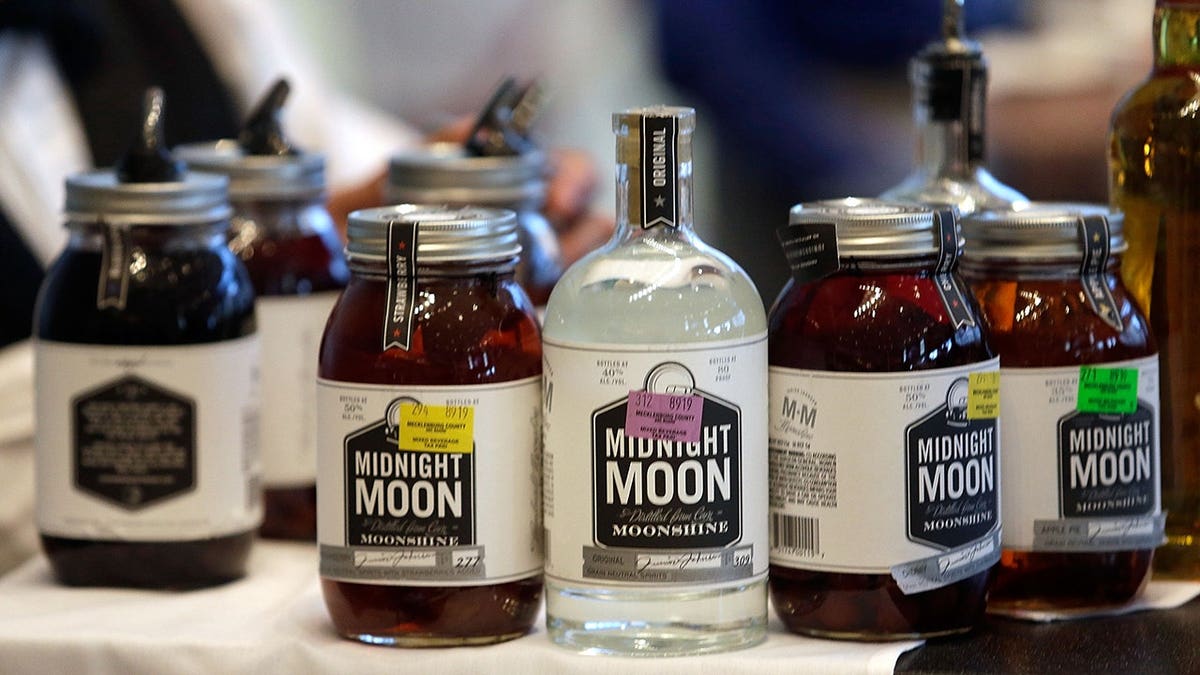
Hall of Fame driver Junior Johnson's legal moonshine, Midnight Moon, was available at the bar during NASCAR's Fan Appreciation Day at the NASCAR Hall of Fame on Jan. 31, 2015, in Charlotte, N.C. (NASCAR via Getty Images)
"That's the most beautiful thing about the lessons you learn from these old timers that taught you how to make liquor," Manes said. "You make do with what you've got, and you don't let the situation you're standing in drag you down. You keep going forward."
For Manes, preserving the tradition comes down to pride in his craft.
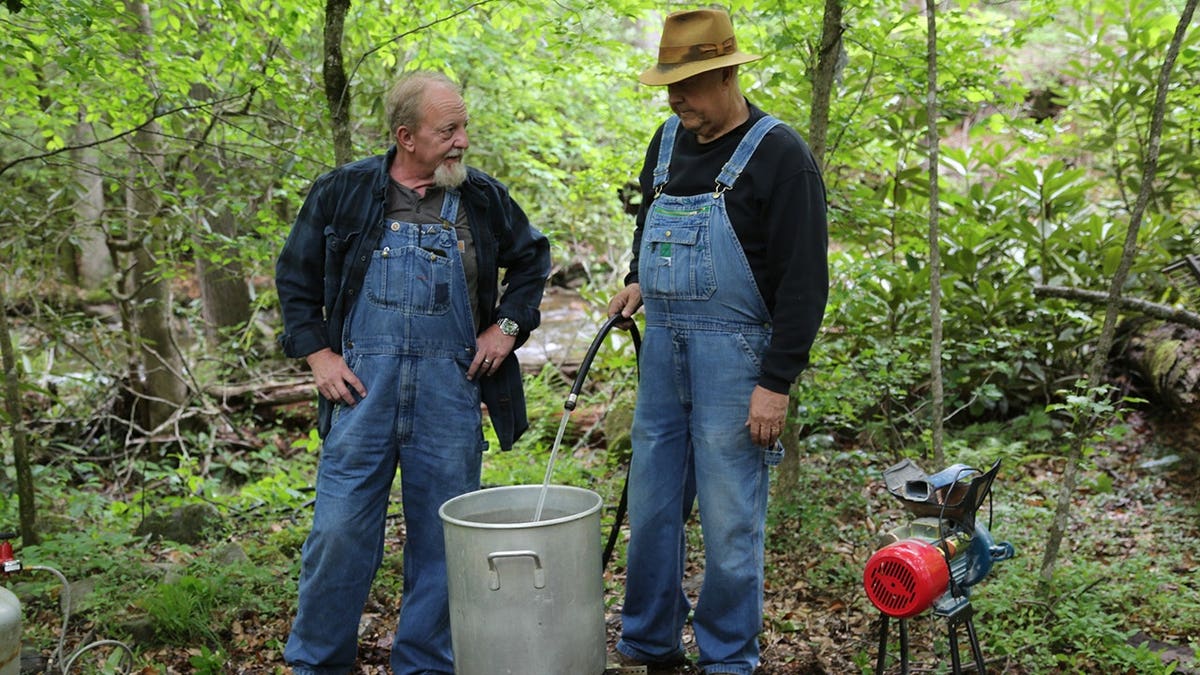
Eric "Digger" Manes and Mark Ramsey are hopeful young people will want to learn the craft of producing quality moonshine. (Courtesy of Discovery Channel)
"To me, it's more the pride," he said. "It's no different. I don't know what hobby you may have. It may be painting. You may paint pictures. Well, if you do a beautiful portrait, and you stand back, and you look at it, you think, 'Wow, that really does look good.'"
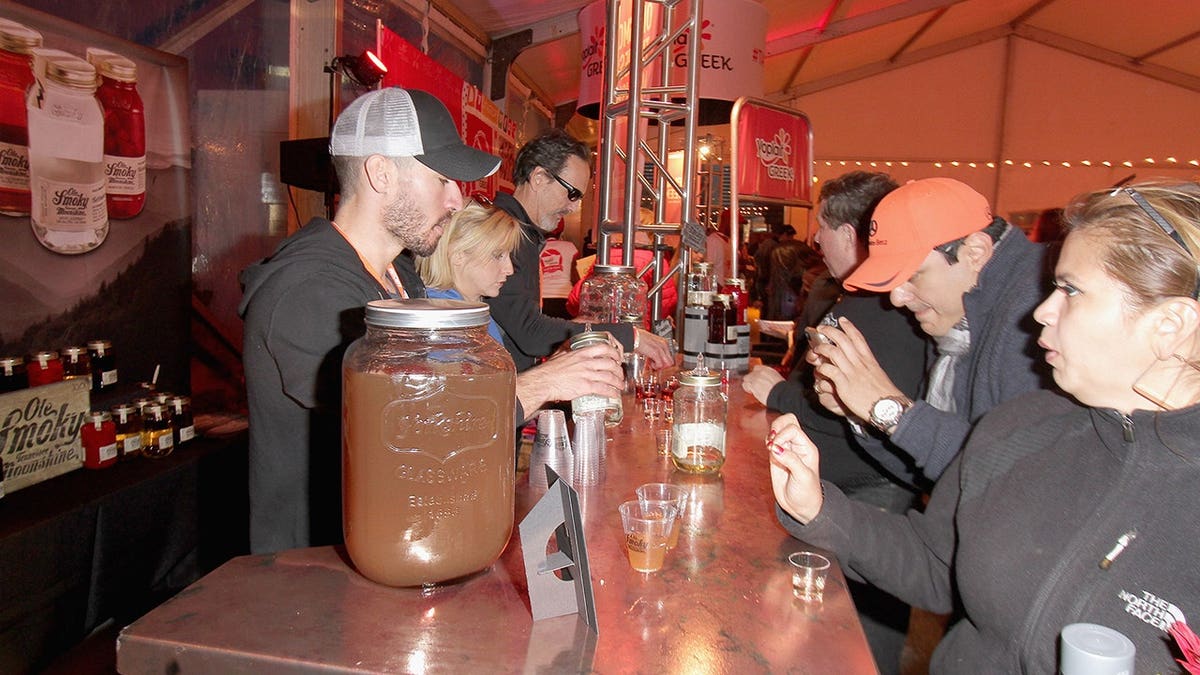
Ole Smoky Tennessee Moonshine is on display at Meatopia X: The Carnivore's Ball during the Food Network New York City Wine & Food Festival at Esurance Rooftop Pier 92 in New York City on Oct. 19, 2014. (John Parra/Getty Images)
Manes said he gets that same satisfaction from turning simple ingredients into moonshine.
"We take what other people would consider slop — that’s the conglomeration of cornmeal and sugar — and make a crystal-clear product that tastes good," he said. "And we love it."
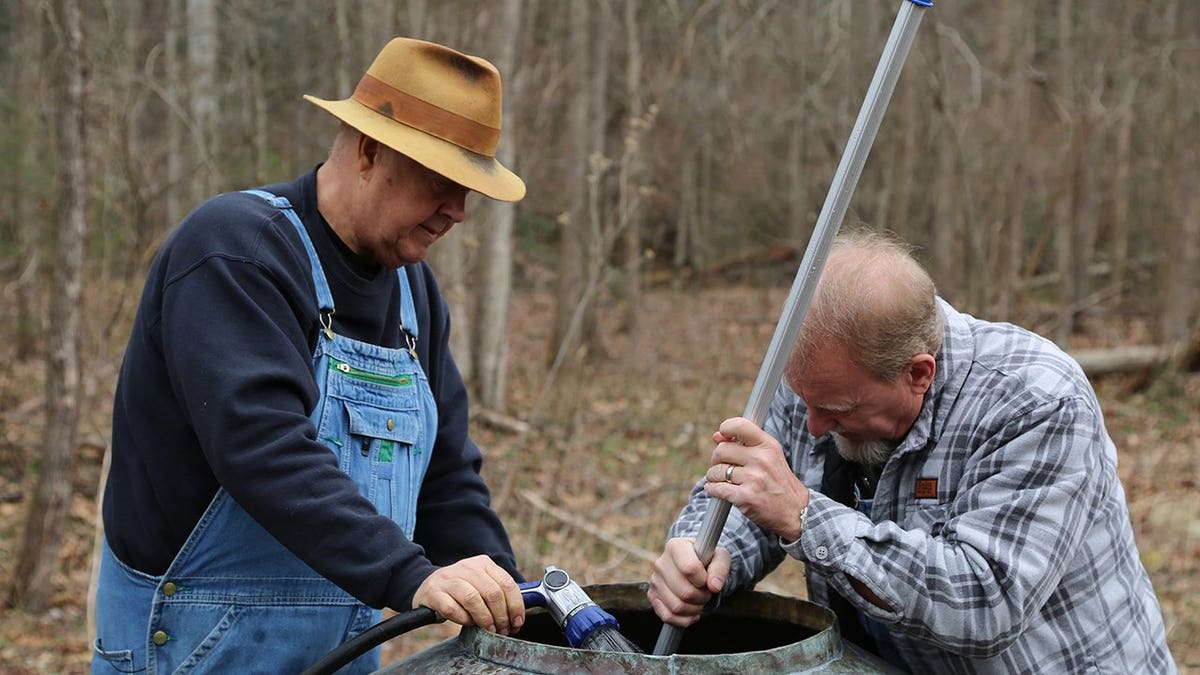
Mark Ramsey and Eric "Digger" Manes are seen here cleaning the inside of a still. (Courtesy of Discovery Channel)
"Good thing about this business is it [doesn't] really have bad times," Ramsey said.
CLICK HERE TO DOWNLOAD THE FOX NEWS APP
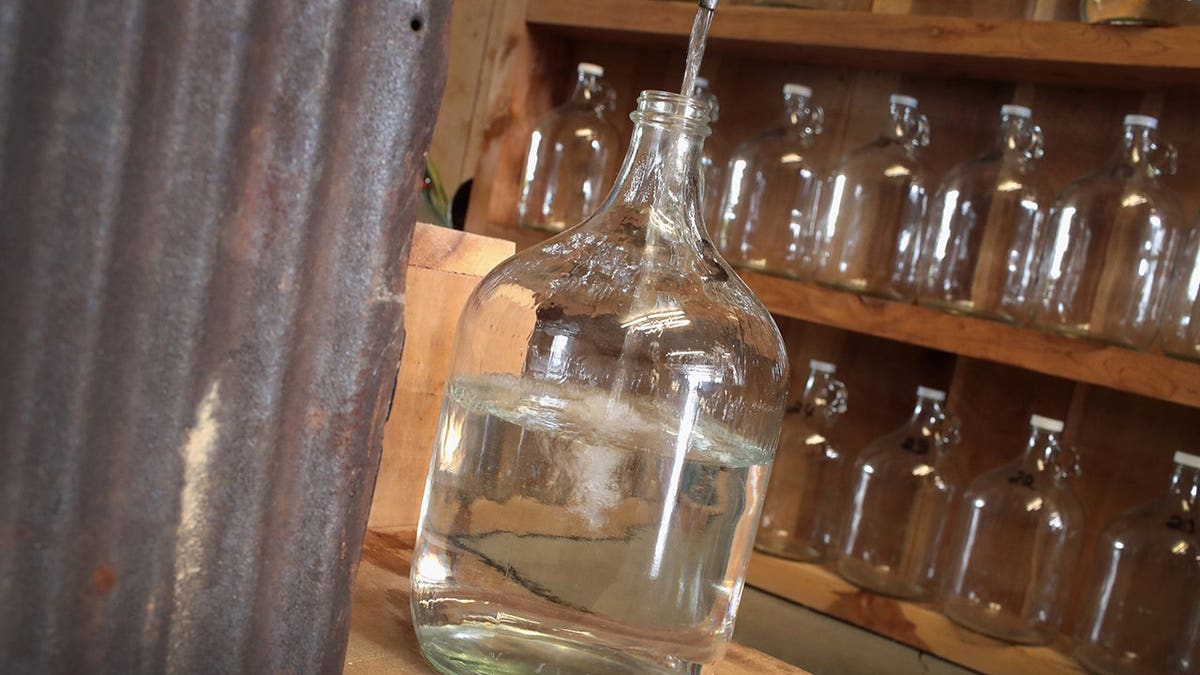
Moonshine runs from the still at Casey Jones Distillery in Hopkinsville, Kentucky., on Aug. 16, 2017. (Getty Images)
"If you’re down in the dumps, you drink to drown your sorrows," he joked. "If you’re happy, you drink to celebrate. So it’s got a good source of customers all the time."
Stephanie Nolasco is an Entertainment Reporter for Fox News Digital.
KioskNews shows a cleaned-up reading view extracted from the publisher’s page — the original always lives on their site, not ours.