Why Pop Artists Are Partnering With Alternative Platforms
Pop artists now build careers across streaming services, social feeds, fashion campaigns and interactive digital platforms. As music discovery becomes more fragmented, partnerships can give an artist access to a defined audience that traditional advertising may struggle to reach.
The strongest collaborations extend an artist’s creative identity without turning every appearance into a sales pitch. They may involve exclusive content, digital challenges, virtual events or limited merchandise. For artists and their teams, the opportunity is clear, but each deal still needs careful review. Audience fit, platform safety and long-term reputation matter as much as the headline fee.
Unconventional Endorsement Deals on the Rise
Brand partnerships once followed a familiar formula: a celebrity appeared in a commercial, posed with a product and promoted the campaign through interviews. That model still exists, but pop artists now have more room to negotiate creative involvement. A partnership might include a custom soundtrack, an interactive fan experience or a product designed with the artist’s input.
The Music and Brands Report describes a market where music helps companies build cultural relevance and emotional connection. Artists bring established communities, while brands can provide funding, production support, and distribution beyond traditional music channels. That exchange works best when both parties offer something specific.
High-value fashion deals show how far these agreements can go. Reports that Asake received a major endorsement offer illustrate how global companies may view African pop stars as international cultural figures, not simply regional campaign faces.
Still, the largest offer may not be the smartest choice. Before accepting, an artist’s team should define the campaign term, content approval process, territorial rights and exit conditions. It should also check whether the company’s public image fits the artist’s lyrics, visual style and core audience. A three-month activation can generate attention, but a multiyear agreement may shape how fans and future partners view the artist long after the first announcement.
Engaging Audiences Through Gamified Portals
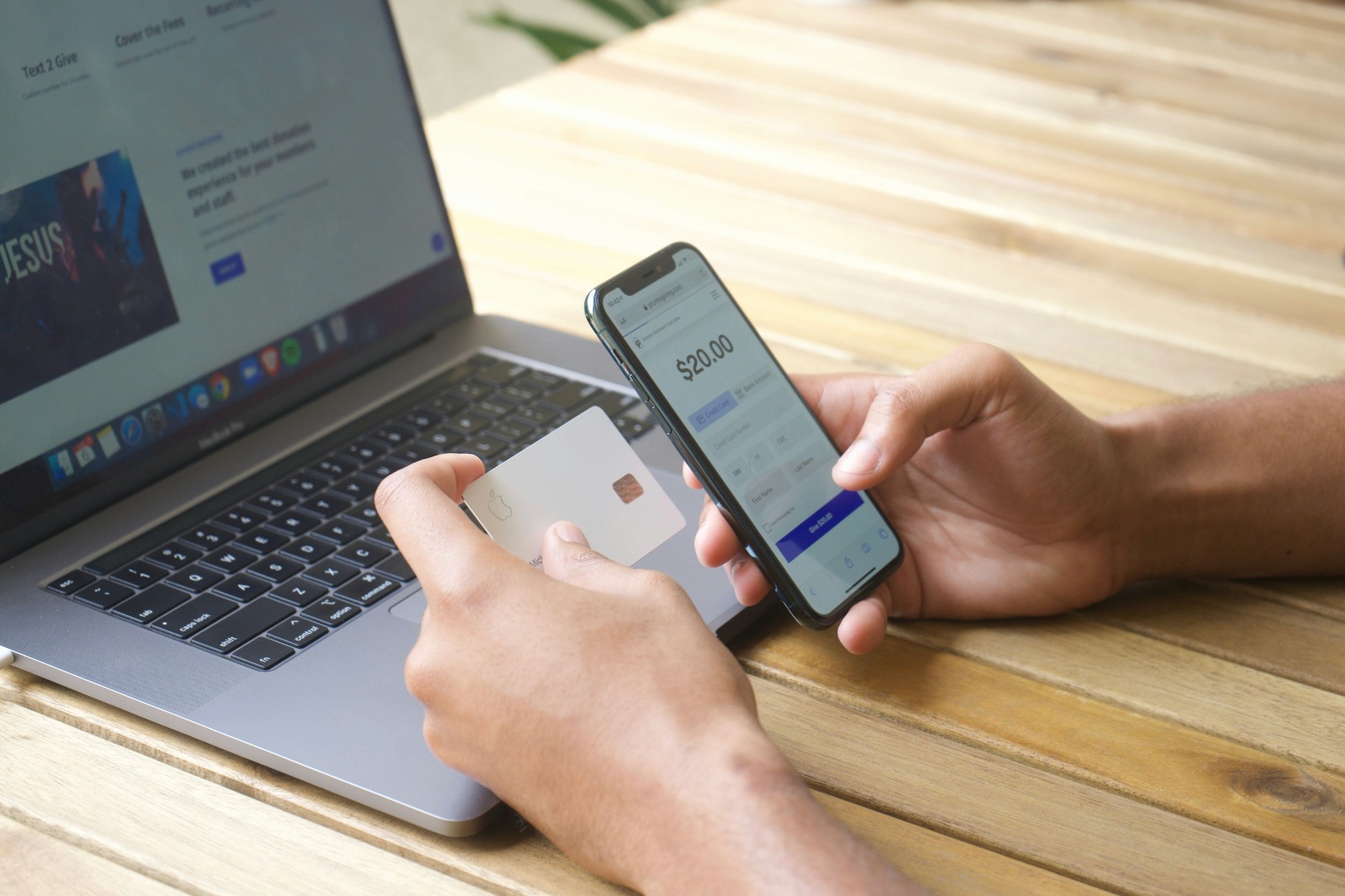
Interactive platforms give fans something to do instead of asking them to watch another advertisement. Timed challenges, collectible digital items, scoreboards and unlockable clips can turn a campaign into a repeat experience. A fan might complete a rhythm challenge, share a result and return later when a new song or visual becomes available.
The games for artists program clearly shows musicians using casual games as promotional and revenue channels. This format can work particularly well around a single release. A short mobile experience launched one week before the track can introduce its hook, then direct players to the full song once it arrives.
Some alternative platforms operate in regulated, age-restricted sectors. Artists considering those deals need more than campaign mock-ups and audience totals. Independent platform analysis helps teams examine operating details, promotion terms, and user protections. For example, a Rainbet review assesses a crypto-based casino and sportsbook across bonus mechanics, payout speed, and provably fair systems. That type of review should be part of broader due diligence, alongside legal advice and direct verification.
Gamification also needs limits. Clear age gates, visible terms and controls over promotional messaging should be agreed before launch. Artists should avoid mechanics that pressure users to spend repeatedly or create misleading expectations. The most sustainable interactive campaigns reward participation through content, access or recognition while keeping the rules easy to understand.
Understanding Player Safety and Platform Audits
A polished interface says little about how a platform handles data, payments or customer complaints. Before attaching an artist’s name to an interactive portal, managers should request evidence about ownership, licensing, security practices and support procedures. Screenshots and marketing decks are not enough.
A practical audit should test the experience from registration through account closure. Reviewers can create an account, read the terms on both desktop and mobile, contact customer support and record how long each response takes. If payments are part of the service, the team should also examine stated processing times, identity checks and withdrawal conditions. Any unclear restriction should be resolved in writing before the artist promotes the platform.
Safety checks should cover marketing too. The campaign must identify age restrictions clearly, avoid implying guaranteed financial outcomes and keep paid content distinguishable from an artist’s personal posts. Geographic controls matter because a service permitted in one market may face different rules elsewhere. Global fan reach does not create universal legal access.
Teams can use a short approval checklist:
- Who owns and operates the platform?
- Which independent bodies audit its systems?
- How are complaints, privacy requests and account limits handled?
- Can the artist pause content if safety concerns arise?
- What happens to fan data after the campaign ends?
Document each answer and assign one person to monitor the partnership after launch. A platform can change its terms, promotional offers or access rules during a campaign. Monthly reviews give the artist’s team a chance to catch those changes before they become a public issue.
Balancing Commercial Reach with Brand Integrity
Audience size alone cannot show whether a partnership will feel credible. The better measure is overlap: how many platform users genuinely follow the artist’s genre, age group and cultural interests? A smaller community with strong alignment may drive better engagement than a large audience with little reason to care about the music.
Analysis of evolving music partnerships points toward deeper collaboration, where artists contribute to the concept, and brands become part of a broader fan experience. That approach requires shared creative control. Contracts should state who approves scripts, visuals, captions and edits. Artists also need the right to reject messaging that conflicts with their values or misrepresents how a platform works.
Career stage affects the decision. The changing path to pop stardom highlights how digital channels have reshaped artist development and discovery. An emerging performer may value exposure and production resources, while an established act can focus more heavily on ownership, audience data and creative authority. Neither should treat visibility as a substitute for fair terms.
Fans usually recognize forced enthusiasm. Artists should explain a partnership in their normal voice, disclose the commercial relationship and avoid making claims they cannot verify. It also helps to set measurable goals before signing. Those goals might include video completion rates, song saves, event registrations or repeat visits over 30 days.
The final decision should pass a simple test: could the artist explain the partnership clearly in an interview without avoiding basic questions about the platform? If the answer is no, the proposed reach probably carries too much reputational cost. A deal that supports the music, respects the audience, and survives public scrutiny is far more likely to create value after the campaign ends.
Get Fresh updates as they drop via X and Facebook. Read the Notjustok's Affilate disclaimer
KioskNews shows a cleaned-up reading view extracted from the publisher’s page — the original always lives on their site, not ours.