Pentagon inspector general says Iran war has led to a shortfall of U.S. munitions
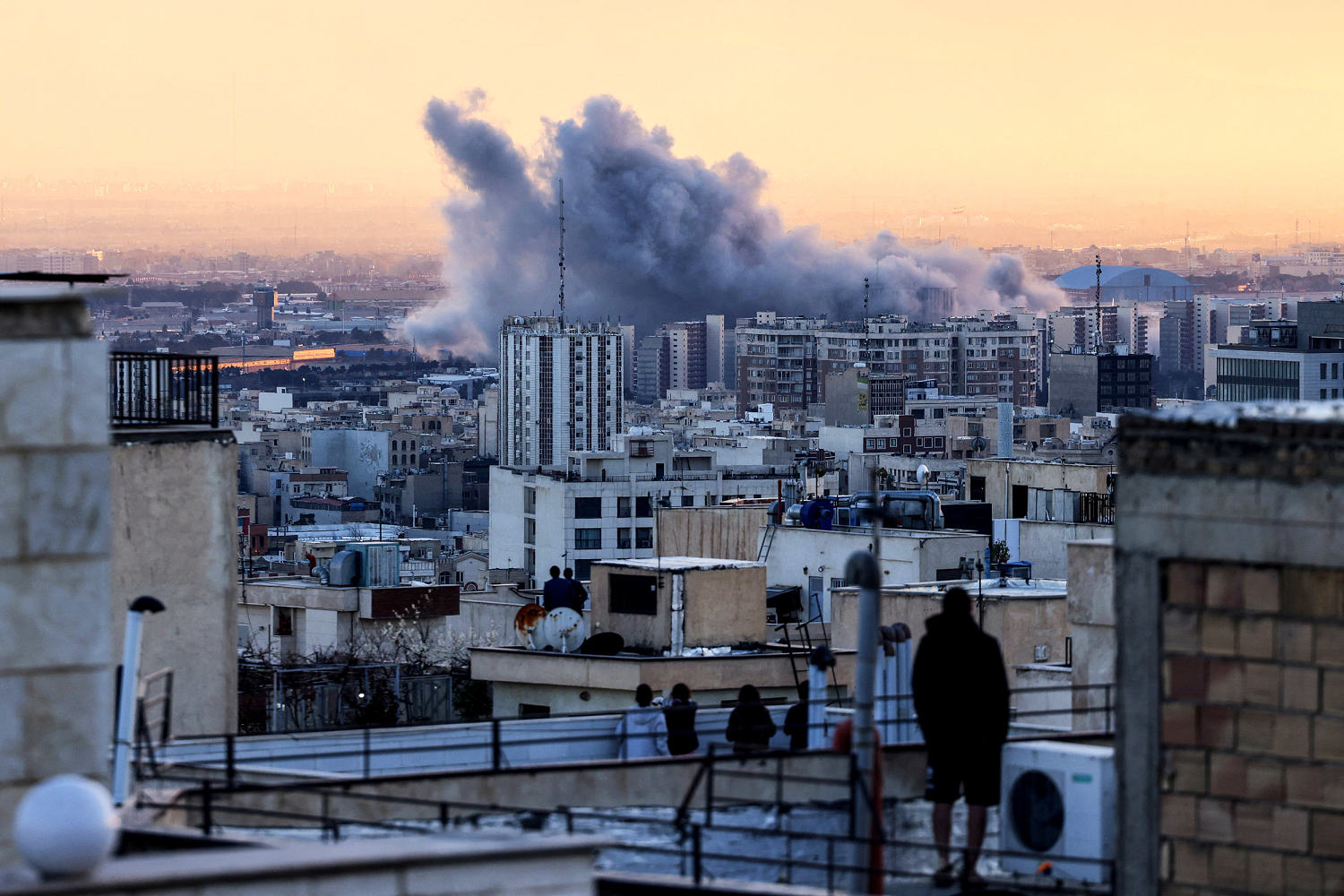
WASHINGTON — The Pentagon’s inspector general on Monday released its first report on the war with Iran, saying the conflict has resulted in a shortfall of U.S. munitions and “bottlenecks” in supply chains as the Trump administration works to replenish weaponry.
“To mitigate these constraints,” the report said the Defense Department is “working to streamline procurement processes and production lead times, and to stockpile critical materials, components, and selected munitions to respond rapidly to a contingency.”
Defense Secretary Pete Hegseth has denied reports that the U.S. is running low on munitions.
The congressionally-mandated report covers from the start of the war on Feb. 28 through June 30. It is one of the first public accountings from any government agency detailing the cost, scope and scale of the U.S. and Israel-led conflict to the U.S. military, the State Department and other agencies. It follows reports of low morale among U.S. troops deployed to the Middle East, a depleting stockpile of key munitions and extensive damage to American military and intelligence assets in the region.
Among the findings, the report provides one of the first government confirmations that Iran targeted the U.S. Navy’s main logistics hub in the region, in Bahrain, with drones and ballistic missiles.
The Pentagon did not immediately respond to a request for comment on the report.
It does not address a likely U.S. strike on an elementary school in Iran during the initial hours of strikes. The military has yet to release an internal investigation into the bombing, though NBC News reported in June that the report on the probe was being finalized.
The report details the damage to military equipment, aircraft and other materiel over the first four months of the war, including the destruction of at least 30 large U.S. drones.
The watchdog’s report said the war with Iran has cost roughly $33.4 billion, though that number does not account for repairing damaged facilities. It does include $22.3 billion in expended munitions, $3.7 billion for equipment losses and $7.4 in other expenditures.
NBC News reported in July that the war with Iran had so far cost between $80 billion and $100 billion, according to three U.S. officials and three people familiar with the internal cost estimates. The Pentagon publicly said in July the war cost $37.5 billion. The Pentagon’s estimate does not include the cost for replacing aircraft, repairing U.S. bases and replenishing critical weaponry.
Trump initially said the war would only last for weeks. But over the weekend he said it might not end until “right after” November’s midterm elections or perhaps before.
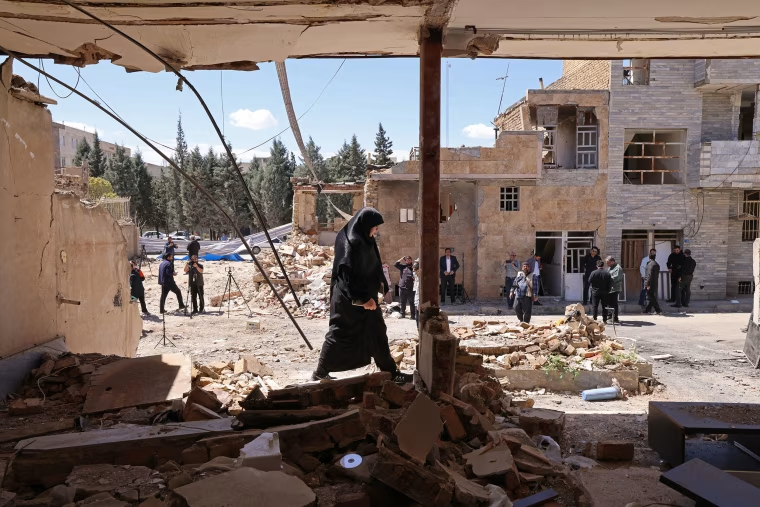
The report also finds that the war has displaced more than 20,000 U.S. military and diplomatic personnel, who were relocated at the outset of the conflict and in the days and weeks after.
Most medical evaluations of injured U.S. forces were carried out on the ground, including by local ambulances and they were taken to local treatment facilities because air lift capabilities had been moved because of concerns.
And U.S. forces flew as many as 5,000 flights from European bases in support of the war, though President Donald Trump has bitterly complained that European allies have not done enough to help support the war.
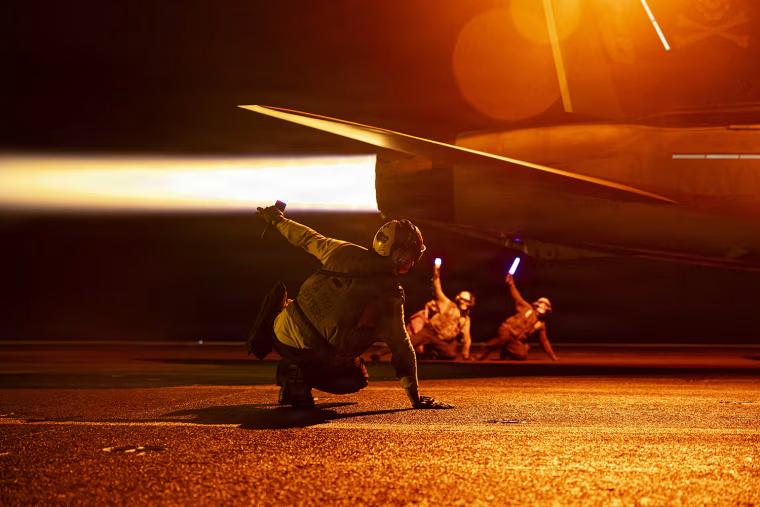
The report catalogues some of the damage to U.S. aircraft and other military gear as well as some of the American bases in the region. Aircraft, for example, includes destruction or extensive damage to four F-15E jet fighters, one F-35A Joint Strike Fighter, and an A-10 Warthog, which was also destroyed, according to the report. Twelve KC-135 refuelers, and nine other aircraft were also destroyed, the report said. More than 30 MQ-9 drones were also destroyed, as of June, according to the report, citing the Congressional Research Service.
The State Department suffered more than $208 million in damages in four countries, including Iraq, Kuwait, Saudi Arabia and the United Arab Emirates, according to the report. That includes $184 million in damages to “diplomatic facilities” and another $25 million due to delays in construction projects, the report said.
The damage Iran inflicted on U.S. military bases had been far more extensive than is publicly known, NBC reported in April. Iran also caused more damage to America’s intelligence and surveillance assets in the region than U.S. spy agencies have ever endured and is estimated to cost billions to repair, NBC reported last month.
The report does not touch on the morale of U.S. troops who’ve been deployed as part of the war effort.
In recent weeks, concerns about deteriorating conditions for troops serving in the Middle East on the USS Abraham Lincoln during an extended deployment had escalated, and the Pentagon announced it was replacing the aircraft carrier.
The USS Lincoln is now en route back to its port in San Diego after making a stop in Thailand.
KioskNews shows a cleaned-up reading view extracted from the publisher’s page — the original always lives on their site, not ours.