State unveils plan to integrate academic papers verification systems
NAIROBI,Kenya Sep 17 – The government has moved to streamline the authentication of academic certificates in a bid to curb the use of fake credentials and strengthen the integrity of recruitment into the public service.
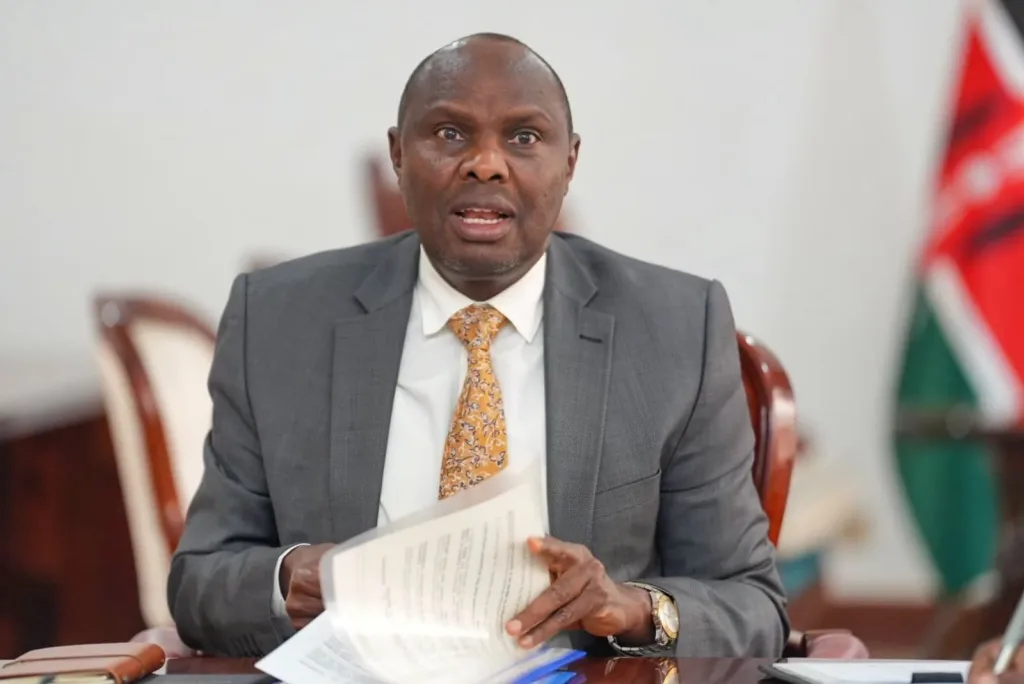
Head of Public Service and Chief of Staff Felix Koskei on Wednesday led a consultative meeting bringing together the Public Service Commission (PSC), Kenya National Examinations Council (KNEC) and the Ministry of Education to discuss the integration of systems used to verify academic qualifications.
The meeting, held at State House, Nairobi, focused on establishing coordinated mechanisms for authenticating and verifying academic papers presented by individuals seeking employment and positions of responsibility.
“The Government is working to protect the integrity of recruitment processes and promote professionalism and competence across the Public Service and the wider workforce,” the Head of Public Service stated.
The initiative is expected to make it easier for government agencies to establish whether certificates and other academic credentials presented during recruitment are genuine and were legitimately issued.
PSC Chairperson Francis Meja said integrating the authentication and verification systems would help protect the integrity of recruitment processes.
He said the initiative would also promote professionalism, competence and merit in the public service and the wider workforce.
The discussions come amid longstanding concerns over the presentation of forged academic certificates in Kenya, particularly in employment and professional recruitment.
The government has in recent years stepped up efforts to verify academic qualifications, with institutions including KNEC playing a central role in confirming examination results and certificates.
The latest initiative seeks to bring the relevant government agencies closer together so that verification of credentials can be conducted through coordinated systems rather than relying on fragmented processes.
The government said robust authentication mechanisms would strengthen public confidence in recruitment and help ensure that people appointed to positions of responsibility possess genuine and duly authenticated qualifications.
The meeting was attended by Education Cabinet Secretary Julius Migos Ogamba, PSC Secretary and Chief Executive Officer Paul Famba, KNEC Chairperson Prof Julius O. Nyabundi and KNEC Chief Executive Officer Dr David Njeng’ere.
Principal Secretaries Dr Beatrice Inyangala of Higher Education and Research, John Ololtuaa of Basic Education, and Prof Jane Imbunya of Public Service and Human Capital Development also attended the meeting.
The discussions bring together agencies responsible for examinations, education and public-sector recruitment at a time when the government is seeking to strengthen human-resource management and accountability within the public service.
Under the proposed integration, verification of academic qualifications would be anchored on official records held by relevant examination and education authorities, giving recruiting institutions a more reliable basis for confirming credentials.
The government is yet to disclose the technical framework or timeline for implementing the integrated authentication system.
The move is also expected to have implications beyond the public service, as academic qualifications are routinely used to determine eligibility for employment, professional advancement and appointment to various positions.
By strengthening verification at the point of recruitment, the government aims to reduce the risk of individuals securing positions using forged or improperly obtained academic credentials.
The initiative places the PSC, KNEC and Ministry of Education at the centre of efforts to establish a more coordinated national system for academic credentials verification.
KioskNews shows a cleaned-up reading view extracted from the publisher’s page — the original always lives on their site, not ours.