‘People are going to die’: Thailand’s toxic rivers, ‘zombie’ fish sow dread

Every November, or thereabouts, Thais float candlelit baskets down rivers to carry away the year’s bad luck.
Prajak Kruasree, a 68-year-old village elder in Mae Sai, Chiang Rai province, used to watch the Sai River come alive with those small, flickering lights.
But this year, he says his community cannot pay its respects to the water as part of the annual Loy Krathong festival – because the water has been poisoned.
“There is no tap water,” Prajak told This Week in Asia. “The province announced a ban on using the water. Farmers are hit hard. The rice mills have stopped buying.”
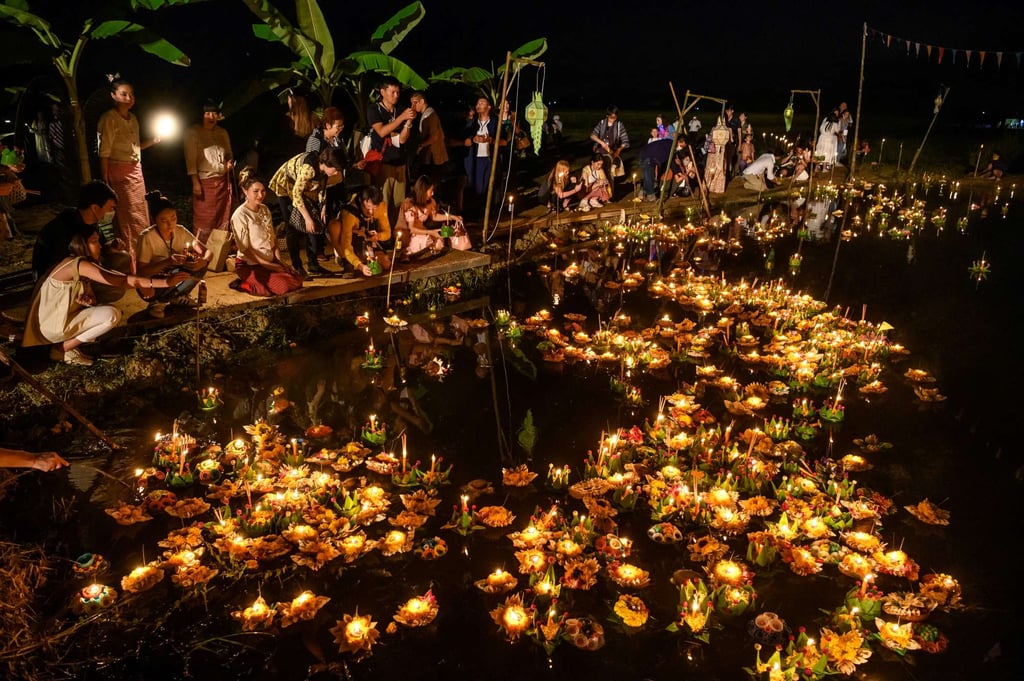
A toxic river crisis has engulfed northern Thailand, contaminating drinking water, threatening crops and sparking alarm over deformed fish, as villagers have been told to keep away from rivers that have sustained them for generations.
“They announced that every kind of vegetable is contaminated,” Prajak said. “Now the whole province is being branded together as a contaminated province: Chiang Rai rice, Mae Sai rice, all of it is branded as poisoned goods.”
Subsequent tests on dozens of rice samples found that none exceeded safety limits – and by Sunday, local rice mills had reportedly resumed purchases.
For farmers like Prajak, however, the stigma of contamination has already done the damage.
Thai authorities, supported by scientific findings, say unsafe levels of arsenic and other heavy metals have been found in the Sai, Kok and Ruak rivers.
All three rise in Myanmar’s Shan state, where dozens of mines scouring the earth for gold and rare earths – the elements that make EV batteries, wind turbines and other new technologies possible – are thought to operate.
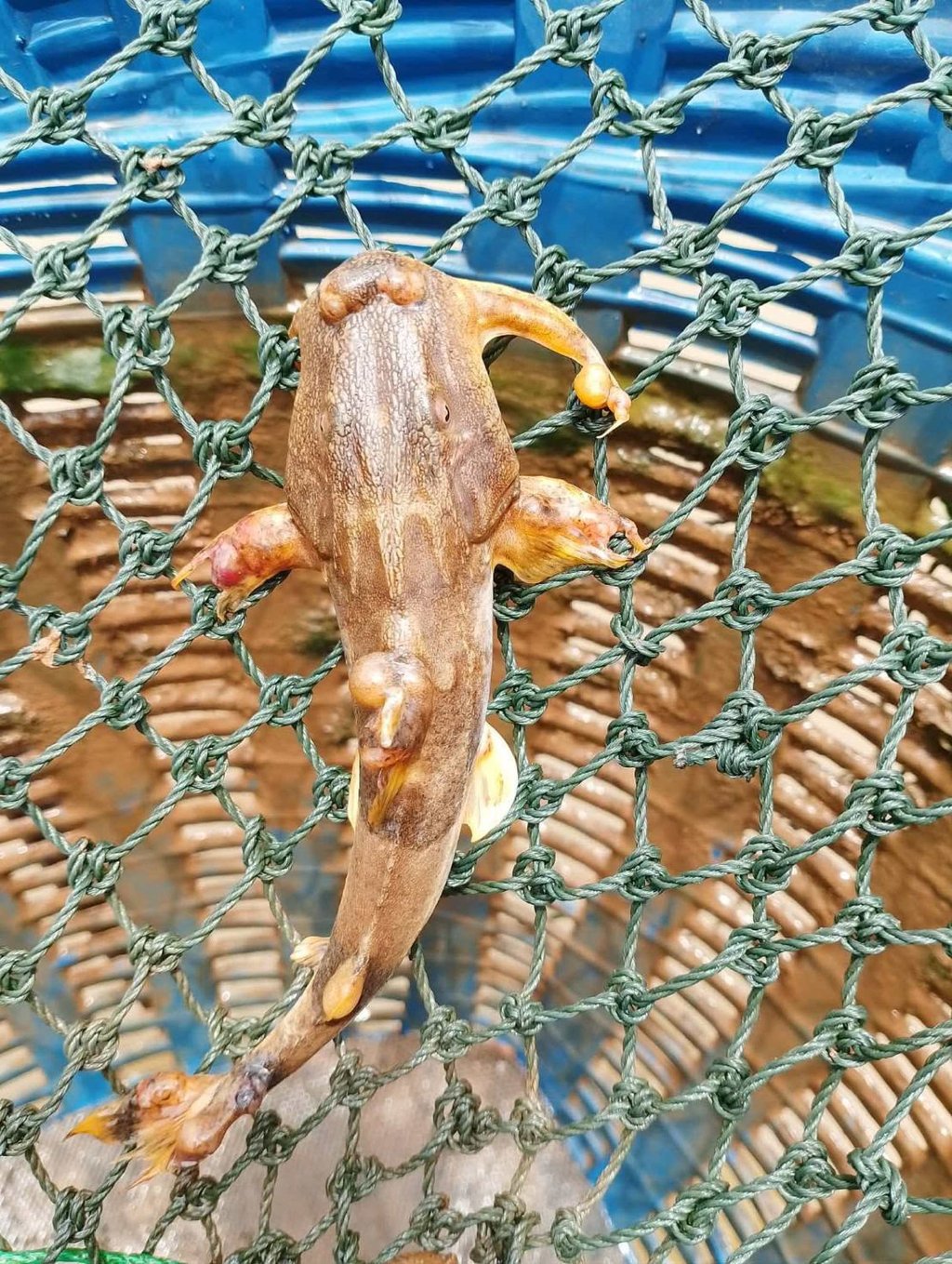
Orange rivers, ‘zombie’ fish
The crisis first surfaced last year, when the Kok River turned orange.
As villagers complained about the pollution, images began to circulate online showing pools filled with chemicals used to “leach” rare earths from the ground in Myanmar – a process that involves pumping acid-laced water into mountainsides to separate the ores.
More mines have since been uncovered through the use of satellite imagery analysis and open-source intelligence, as rising demand drives miners deeper into the mountains, without oversight, pollution controls or restraint.
And the pollution just keeps on coming, despite the desperate pleas of villagers whose livelihoods and safety are at stake.
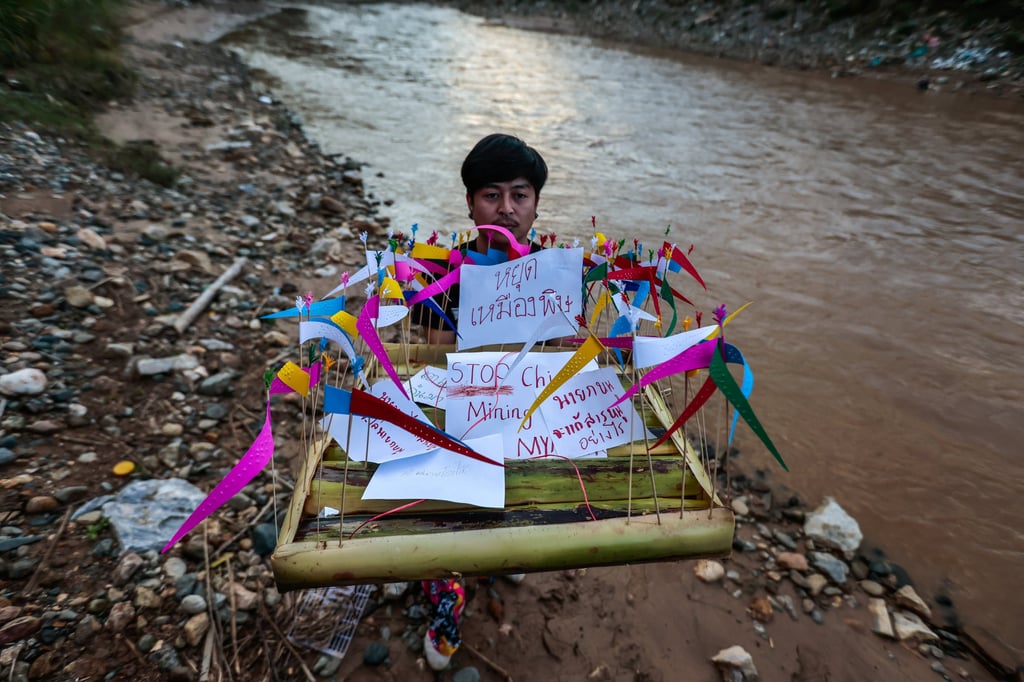
Earlier this month, pictures of so-called zombie fish covered in welts and deformities – a result, activists suspect, of the toxins now flowing through their habitat – went viral. The affected species is a staple catch for Mekong River communities.
The images horrified Thais downstream, including in Bangkok, who began questioning what it was they were eating and where exactly it had come from.
It also added urgency to the government’s response. Officials, acting through national security mechanisms, have announced plans to ban the export and transit of chemicals used in rare earth mining, designate part of the Kok River a pollution-control zone from next month and expand water testing in affected communities.
“We need a precise fingerprint of this matter,” Thailand’s science minister Yodchanan Wongsawat, who was himself born in Chiang Mai, said on Sunday.
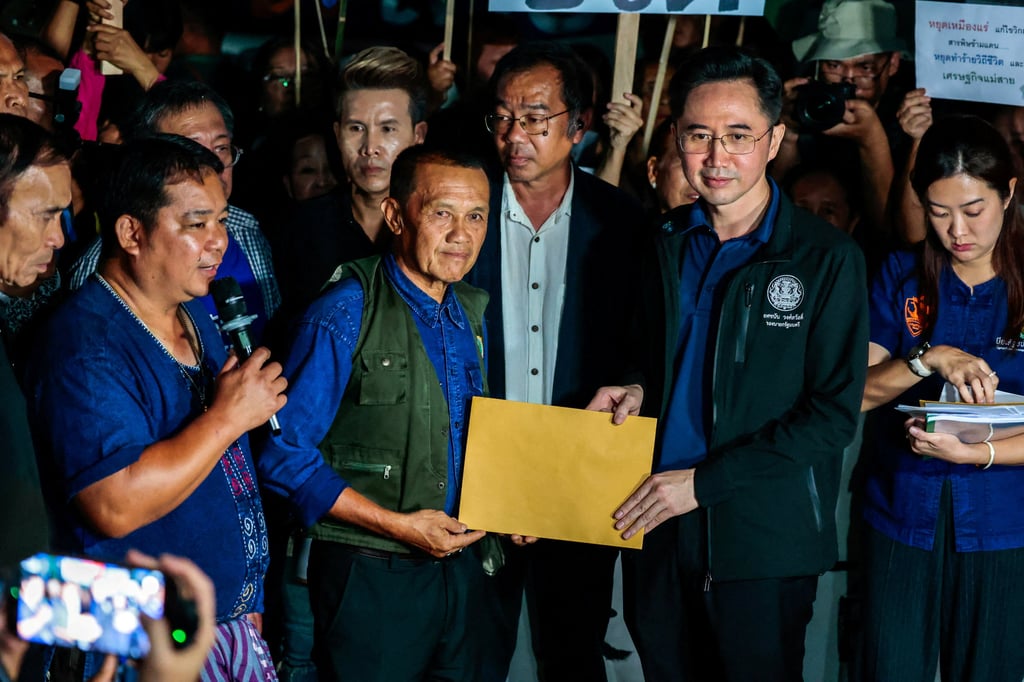
Yodchanan, who is also a deputy prime minister, called for careful documentation of what was happening, where the pollution came from and who was affected. “Simply making accusations is not enough – we must have scientific evidence.”
His Ministry of Higher Education, Science, Research and Innovation confirmed in a social media post on Monday that the arsenic contaminating northern Thailand’s Kok and Sai rivers was not natural background mineral deposits but new pollution flowing across the border from upstream.
Citing environmental forensics undertaken by Thailand Science Research and Innovation – a government agency that has used chemical fingerprinting, satellite imagery and sediment tests to map the crisis – it said 60 to 75 per cent of the arsenic in the Kok River was linked to rare earth mines, with about 26 per cent from gold mines.
In the Sai River, nearly two-thirds of the excess toxins present were traced to gold mines and 29 per cent to rare earth mines, it added.
‘People are going to die’
Thai Prime Minister Anutin Charnvirakul says his government has raised the issue with both Myanmar, where the mines are located, and with China, the end customer for much of the rare earths and other ores mined there.
Trilateral meetings are also expected to be held this week, starting on Tuesday.
Yet Thais have long profited from the trade too. At least some of the ore mined in Shan state is exported through Thailand, with Thai companies, brokers and logistics networks acting as middlemen – as Myanmar and Chinese operators also line their pockets.
02:15
Rare earth mining is poisoning Thailand’s Mekong tributaries
Phattarapong Leelaphat, an opposition MP from the populist People’s Party, has accused the Thai government of dragging its feet and failing to hold Myanmar and China to account for the pollution linked to upstream mining.
“We are letting our country become a transit route … letting businesses with 100 per cent Chinese shareholders import ore from Myanmar and export it onwards, while we still lack the rules to control it,” he told parliament on November 19, in a stinging rebuke of the government.
“As for the country behind the source … Thailand doesn’t dare talk to them either.”
For Prajak’s community and others like it that rely on the country’s rivers for their livelihoods, it is a fight for survival.
Businesses were using Thailand’s rivers as “a dumping ground for their mud and their toxic waste”, he said.
“If they stop importing and exporting the raw materials or precursors, that’s the end of it. The mines stop and the mud and poison stop coming.”
KioskNews shows a cleaned-up reading view extracted from the publisher’s page — the original always lives on their site, not ours.