The Version Of Blade Runner You Have To Watch Before Blade Runner 2099
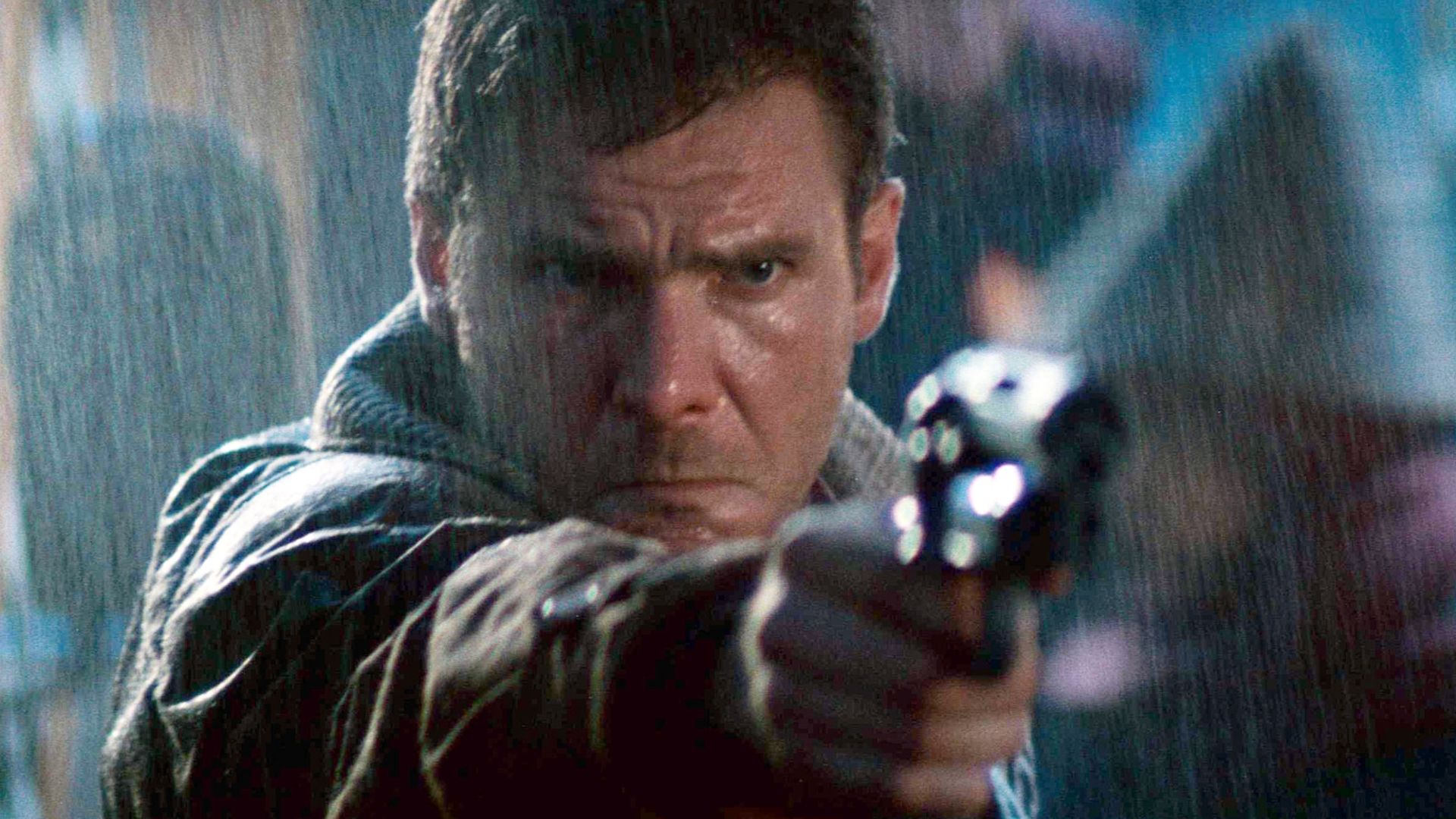

George is a film critic and journalist with over nine years of experience in the entertainment industry. Beginning as the Co-Creator and Co-Editor of Star Wars Holocron, the most followed Star Wars fan account on Twitter/X, George went on to develop The HoloFiles, a movie and television-focused website with his brother and writing partner Josh.
A member of the Hollywood Creative Alliance, Chicago Indie Critics, Online Film and Television Association, and the Internet Film Critic Society, George has covered major industry events as credentialed media, including D23, CinemaCon, SXSW, Fantastic Fest, Star Wars Celebration, Tribeca Festival, and more. He also regularly writes reviews and contributes articles to ScreenAnarchy, BRWC, Film Obsessive, TV Obsessive, and Under the Radar. George's work has been featured in various esteemed publications, including the BBC, Associated Press, Forbes, and The New York Times.
Blade Runner returns this month with Blade Runner 2099, a new Prime Video series that expands Ridley Scott’s landmark science-fiction universe for television.
Set 50 years after Blade Runner 2049, the eight-episode limited series stars Michelle Yeoh and Hunter Schafer in a story about a fugitive who becomes a Blade Runner and is drawn into a dangerous partnership with a dying replicant. With the franchise moving into a new era, it is a good time to revisit the film that started it all.
But revisiting the original film is a decidedly more complex endeavor than one may initially expect. The 1982 film has an unusually complicated history, shaped by studio notes, audience reactions, and Ridley Scott’s later attempts to restore the movie he originally intended. As a result, there isn’t just one familiar cut sitting on streaming menus and Blu-ray shelves. There are several, and the differences can change the tone, pacing, and even the way the story’s central mystery lands.
Ahead of Blade Runner 2099, there is one version of Blade Runner that is absolutely necessary viewing above all the others.
There Are Five Versions Of Ridley Scott's Blade Runner
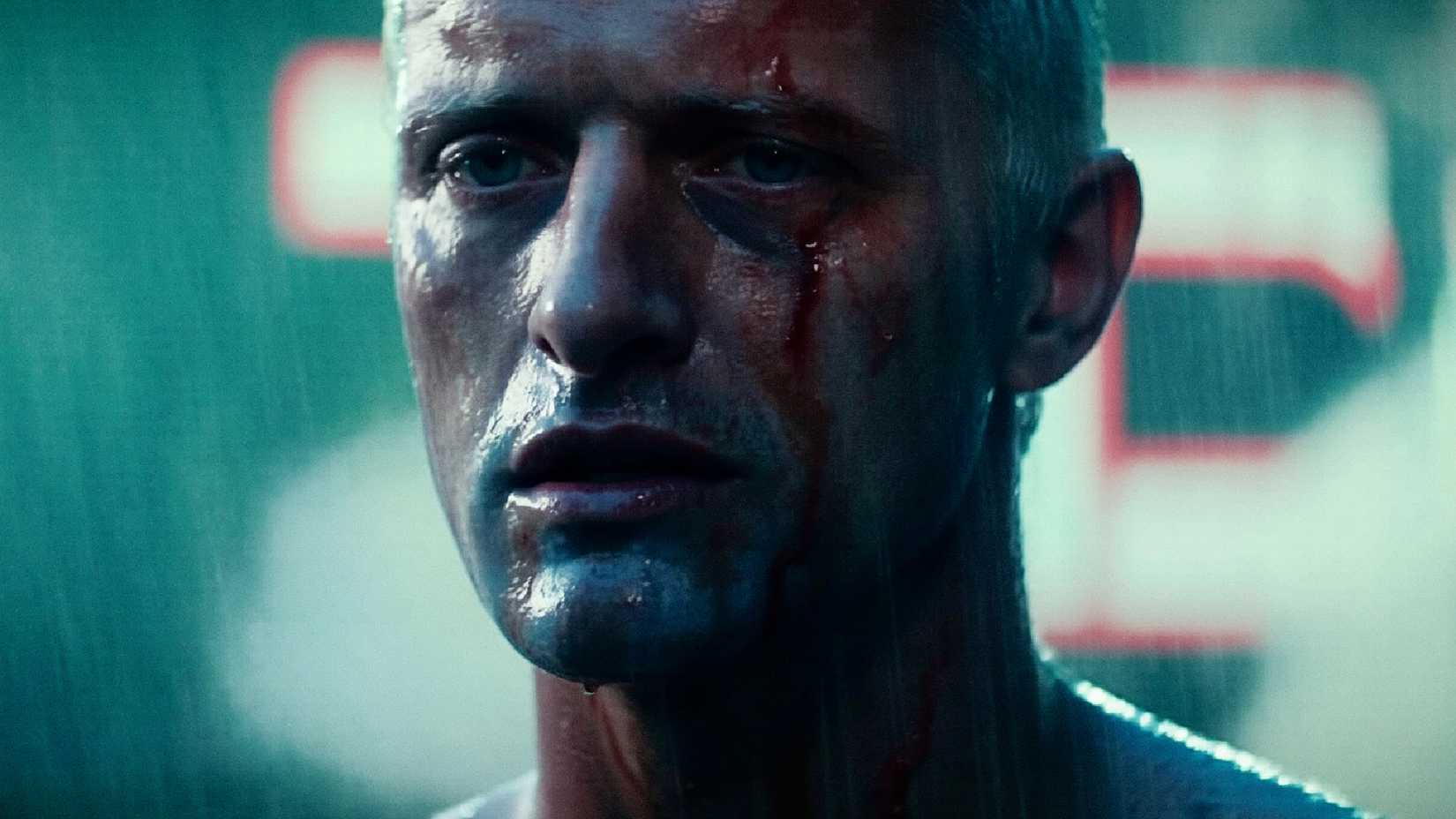
When Ridley Scott's science-fiction noir first arrived in theaters in 1982, audiences weren't watching the film the director wanted them to see. Studio interference and concerns about audience comprehension resulted in changes that would eventually lead to multiple versions of the movie being released over the following decades.
There are five major versions worth knowing about: the Workprint, the US Theatrical Cut, the International Cut, the Director's Cut, and the Final Cut.
The Workprint is an early version of the film that was shown to test audiences in 1982. It differs considerably from the theatrical release, featuring alternate editing choices and lacking some of the elements that became synonymous with the finished movie. It also doesn't include the familiar happy ending or the extensive voiceover narration that would become a defining feature of the original theatrical version.
The US Theatrical Cut, meanwhile, introduced audiences to Harrison Ford's Rick Deckard through a much more conventional film-noir approach. Deckard's internal monologue explains aspects of the story, providing context for viewers who might otherwise struggle with the film's deliberately ambiguous storytelling. The ending also gives audiences a more optimistic conclusion, with Deckard and Rachael escaping Los Angeles together.
The International Cut is largely similar to the US theatrical release, although it includes approximately 15 seconds of additional violent footage. These moments make certain scenes more graphic, particularly Roy Batty's confrontation with Tyrell and Deckard's encounters with Pris and Zhora.
Then came the Director's Cut in 1992. This version removed the voiceover narration and the theatrical Blade Runner ending, allowing the film's atmosphere and imagery to speak for themselves. Most importantly, it introduced the now-famous unicorn dream sequence. This seemingly small addition significantly changed how audiences interpreted Deckard's identity and the possibility that he might be a replicant himself.
Finally, there's the Final Cut, released in 2007. This version revisits the movie once again, incorporating visual improvements, correcting continuity issues, and restoring elements that had been altered in previous releases. It is also the only version over which Scott exercised complete creative control.
While all five versions offer something interesting, not all of them are equally worthwhile for someone preparing to watch the upcoming Prime Video series.
The Final Cut Is The Most Definitive Version Of Blade Runner
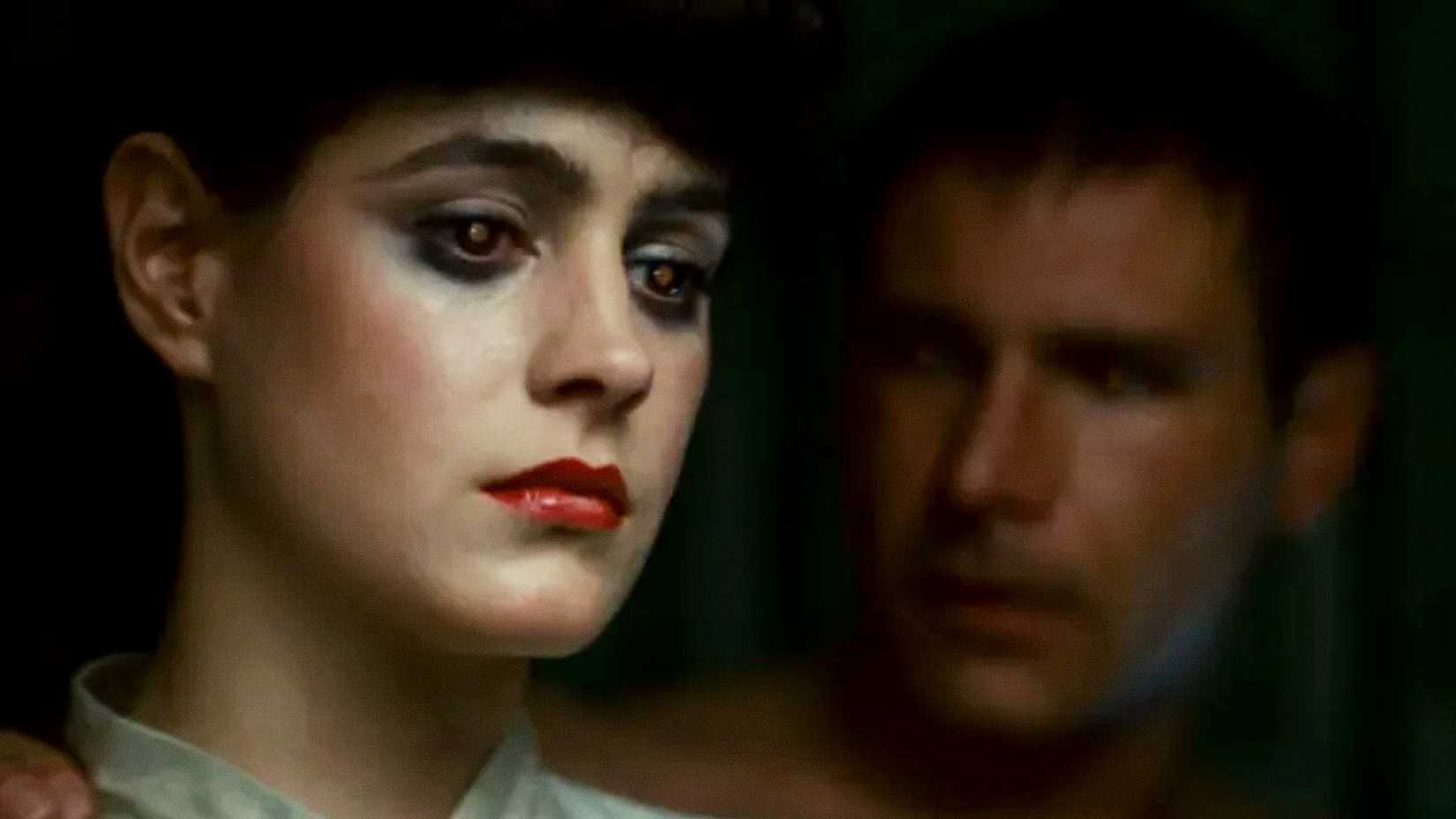
If you're only going to watch one version of Blade Runner before Blade Runner 2099, make it The Final Cut. That’s because this version represents the closest thing audiences have to Ridley Scott's complete vision.
The original theatrical release was shaped by studio expectations, particularly the belief that viewers needed additional explanations to understand the film's world. The voiceover narration was one of the most noticeable consequences, frequently spelling out information that the visuals and performances already communicated.
Removing that narration makes a tremendous difference. Instead of having Deckard explain everything happening around him, viewers are encouraged to absorb the atmosphere of a noir-soaked, futuristic Los Angeles, pay attention to the characters, and draw their own conclusions. The result is a much more immersive experience that better emphasizes the film's existential questions about humanity, identity, and mortality.
The Final Cut also benefits from the restoration of the unicorn sequence, which remains one of the film's most important additions. Deckard's dream of a unicorn running through a field, combined with Gaff's origami unicorn at the end, raises questions about whether Ford’s protagonist might be a replicant himself. In the absence of the unicorn sequence, one is left to simply assume that Deckard is a human.
There are also several technical improvements. The Final Cut restores and enhances certain visual effects, corrects continuity errors, and improves the overall presentation of the film. Even small adjustments, including the replacement of a stunt double's face with actress Joanna Cassidy's likeness in the Zhora sequence, help create a more polished experience.
With Blade Runner 2099 arriving on Prime Video, revisiting the original film is an excellent way to reconnect with the franchise's central themes. You could certainly watch the theatrical version for historical curiosity, or the Director's Cut to appreciate the film's evolution. But if you're looking for the definitive Blade Runner experience, The Final Cut is the one to choose, as it is the version Ridley Scott ultimately wanted audiences to see.
All eight episodes of Blade Runner 2099 are available for streaming on Prime Video on November 25, 2026.
KioskNews shows a cleaned-up reading view extracted from the publisher’s page — the original always lives on their site, not ours.