Alzheimer’s jab ‘halves rate of cognitive decline’ in major trial: ‘Very encouraging’
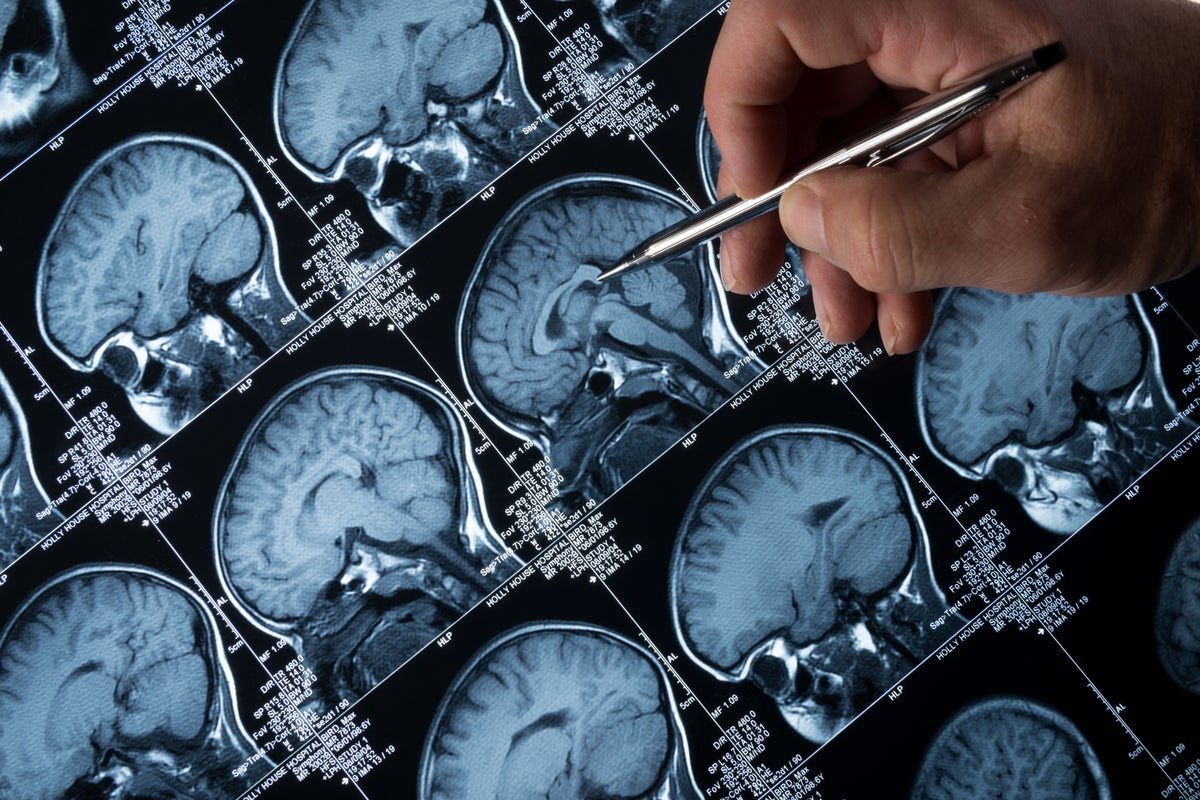
A new drug has halved the rate of cognitive decline in Alzheimer’s patients in a major trial.
Patients given low-dose diranersen injections showed 54 per cent less decline on a test of memory and thinking over almost two years, according to the Telegraph.
Alzheimer’s disease, which mostly affects older adults, is thought to be caused by a build-up of proteins, including amyloid and tau, in the brain which affect how the brain cells transmit messages. As time passes, more brain cells are damaged, leading to worsening symptoms
There is currently no cure to stop or reverse the disease.
The treatment, which is given just twice a year, has shown a reduction in tau, the newspaper said, adding that it uses gene-silencing technology to tackle disease at its source, blocking the RNA messages that tell brain cells to produce tau.
Dr Richard Oakley, associate director for research and innovation at Alzheimer’s Society, said of the CELIA trial results announced at clinical trials on Alzheimer’s disease in Boston: “Alzheimer’s is a complex disease, but we know that the build-up of two proteins in the brain, amyloid and tau, plays an important role in its development.
“While many recent scientific advances have focused on amyloid, we urgently need treatments that tackle Alzheimer’s in different ways.
“Diranersen is a particularly interesting therapy because it targets tau at its source.
“It works a bit like a gene ‘off-switch’, reducing the amount of tau the brain produces rather than trying to clear it once it has already built up.
“The treatment is given via lumbar puncture into the fluid around the spinal cord.
Early symptoms of Alzheimer’s disease
NHS
In the early stages, the main symptom of Alzheimer's disease is memory lapses.
For example, someone with early Alzheimer's disease may:
- forget about recent conversations or events
- misplace items
- forget the names of places and objects
- have trouble thinking of the right word
- ask questions repetitively
- show poor judgement or find it harder to make decisions
- become less flexible and more hesitant to try new things
There are often signs of mood changes, such as increasing anxiety or agitation, or periods of confusion.
“The latest clinical trial results for this drug are very encouraging. They suggest that diranersen effectively reduces the build-up of tau in the brain, and the treatment’s ability to slow worsening of memory and thinking problems increases over two years.
“If these promising findings are confirmed in the upcoming phase three trial, a significant new treatment option for early Alzheimer’s disease could be within touching distance.
“Research is making huge progress and will beat dementia – and as more potential treatments emerge, it’s more important than ever that people get an early and accurate dementia diagnosis so they can benefit from them.
“We look forward to seeing the full results from this trial and how this drug progresses.”
British patients are asking to join the next trial, with UK recruitment expected to start in the spring, the Telegraph said.
KioskNews shows a cleaned-up reading view extracted from the publisher’s page — the original always lives on their site, not ours.