A fire that devastated a river — and sparked its rejuvenation
Exactly 40 years ago, there was a fire in an agrochemical warehouse of Sandoz near Basel, Switzerland, on November 1, 1986.
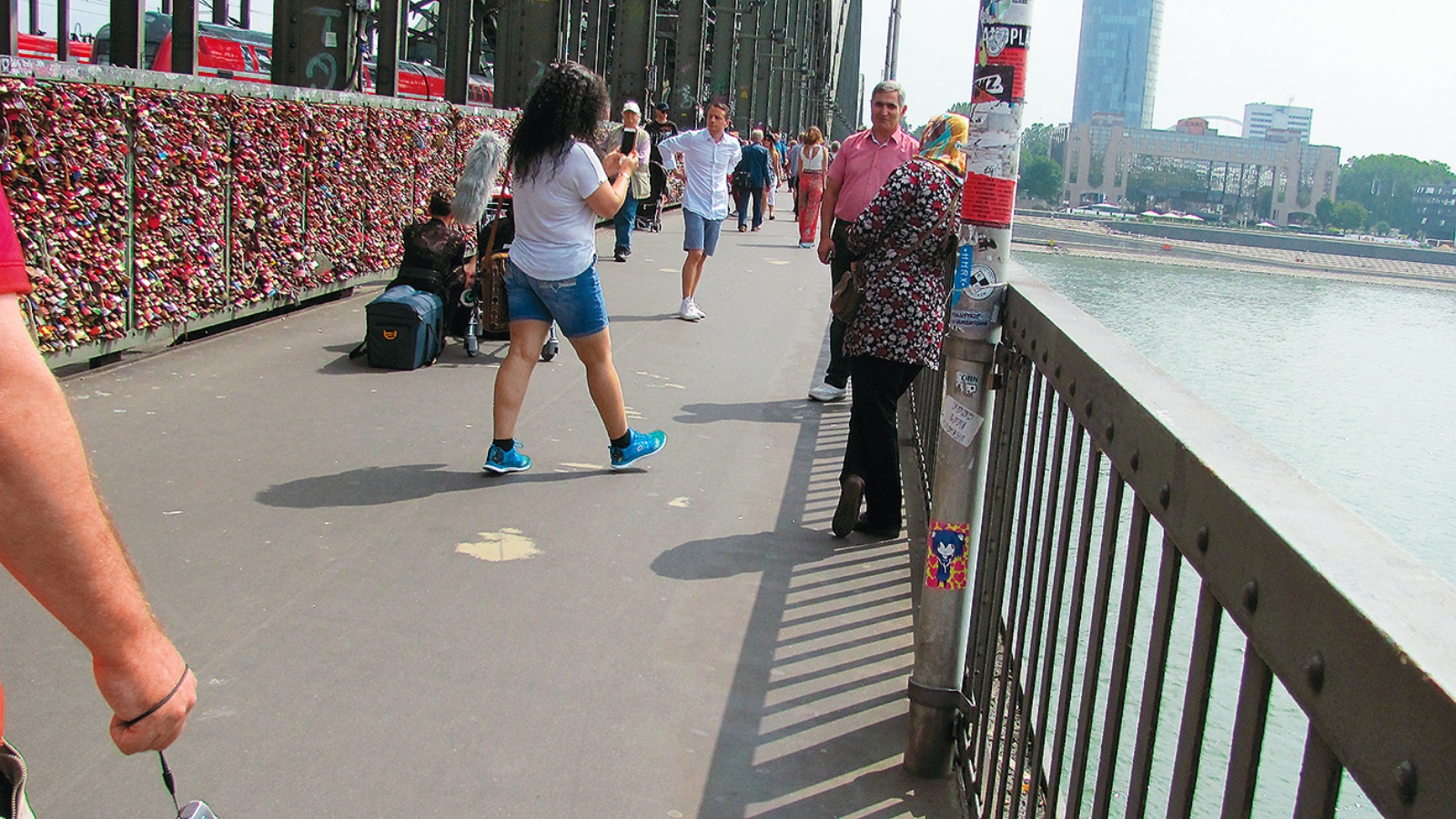
Hohenzollern Bridge in Cologne where couples attach locks and throw keys into the Rhine
5 min readNov 1, 2026 06:20 AM IST First published on: Nov 1, 2026 at 06:20 AM IST
Exactly 40 years ago, there was a fire in an agrochemical warehouse of Sandoz near Basel, Switzerland, on November 1, 1986. To control the flame, firemen used gallons of water, which washed tonnes of toxic chemicals into the Rhine River, killing its fish, including salmon and other aquatic life. The visuals of dead fish floating to riverbanks sent shockwaves across Europe. The incident was close on the heels of two environmental disasters, Bhopal (December, 1984) and Chernobyl (April, 1986), images of which were fresh in public memory. The ministers of the Rhine riparian countries, Switzerland, France, Germany, Luxembourg, the Netherlands, met at Rotterdam on December 19, 1986, and asked the International Commission for the Protection of the Rhine (ICPR) to draw up a plan. The ICPR drafted the Rhine Action Programme (RAP), which was approved on October 1, 1987.
The RAP aimed at achieving three results by 2000. First, higher species previously in the Rhine (for instance, salmon) must be able to return there. Second, the use of Rhine water for drinking water supplies must continue to be possible in the future. Third, the sediment must not be polluted with harmful substances. More wastewater treatment plants were built, accident-prevention measures were optimised, watercourses were restored to a more natural state, and the connectivity between the main course of the Rhine, its tributaries and the North Sea was improved. Rhine’s water quality has since “improved significantly compared with the period before the accident”, according to the ICPR. “The Rhine now serves as a habitat for more than 70 species of fish once again, and species that had previously become extinct in the river have returned, some of them as part of joint reintroduction efforts (salmon, allis shad),” its statement noted. The salmon became the mascot of Rhine rejuvenation.
KioskNews shows a cleaned-up reading view extracted from the publisher’s page — the original always lives on their site, not ours.