‘The show choir definitely helped me’: the dos and don’ts of joining student societies

Clubs and societies are a huge part of student life, though many miss out on them. According to a recent survey by Savanta, 67% of students, particularly those who live at home while studying at university, did not take part in societies, clubs or social activities at least once during term.
But if you ask the students and graduates who did benefit from extracurricular activities, they’ll tell you they are well worth the trip. Here are their dos and don’ts.
What to do
Sign up to more than just one. “You’ll probably end up joining more societies than you might be able to keep up throughout your time at university and that’s totally normal,” says Dell*, 25, a graduate of Japanese from Oxford University. “I definitely recommend joining at least two, because it is such a great way to meet people. It can be quite a great escape from when you’re feeling stressed about university work or other situations.”
Izzy Clark, 20, an anthropology student at the University of Aberdeen, agrees. “Join maybe three or four and then decide whether or not you like them, because it’s harder to join the societies midway through the semester after they’ve settled into a routine,” she says. “I had no idea whether or not I would enjoy joining the show choir, as I wasn’t a particularly confident person, but I found that it definitely helped me.”
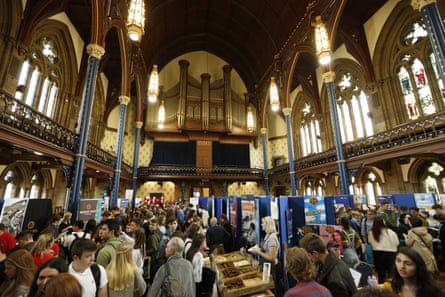
Remember, everyone is in the same boat, says Isabella*, 26, a film-making graduate from the University of Sussex. “I think just realising that can help when you’re going around the freshers’ fair,” she says. “The people running the socs want people to join, so I think it’s good to just go up to their desk and say you’ll join.”
Put societies on your CV. Even activities that aren’t directly related to your chosen field can end up making the difference in a future job search, says Alex Frost, 24, a history graduate from the University of Edinburgh. Frost says his experience on the committee of his orchestra was more useful in his current career working at a prison than anything he learned on his degree course. He learned “a lot of skills in how to interact with people and leading projects,” he says. “For example we had someone who needed financial support to buy an instrument and we dealt with that. We also organised a tour to the Lake District. And that’s the sort of stuff that you have to do in a real job. You have to get out of your comfort zone.”
Isabella’s time as social secretary of her cheerleading squad gave her leadership and organisation skills, she adds. “I became social sec around the time when people realised you could make a career out of social media – and it was really helpful for me to put on my CV.”
Ask for taster sessions first to cut costs. Radhika*, 22, a medicine student at Queen’s University Belfast, advises freshers to first ask for taster sessions before joining any clubs. “Asking if they’ve got any free taster events allows you to see if you’d like to join that one and potentially commit to membership. It just means you’re saving money, especially considering how expensive everything is nowadays.”
And try meeting other members online first, says Martha Page, 23, who graduated from the Lancaster University: “My main advice is to join WhatsApp group chats and connect with people online first.” Page, who is blind and suffers from anxiety, says this helped “take the pressure out” for her when joining a new group felt daunting. “Before the session, that can open some doors so I would advise anyone to do that first.”
What not to do

Don’t ignore sport just because you’re not an athlete, Isabella advises. “As a thoroughly unsporty 18-year-old, I somehow settled on one of the two cheerleading groups at my university,” she says. “I was as coordinated as a newborn foal. We were not a competitive cheer club, and we didn’t have a coach, but we had big sparkly bows and each other.”
Don’t feel like you have to drink the whole time. “I definitely think a lot of student culture revolves around drinking,” says Dell, looking back on her slightly underwhelming time at a Marxist society. “Regardless of whether it’s a structured society or not. But I think the less structured societies are more susceptible to just becoming excuses to get really drunk together.”
But whatever you do, don’t go without trying any societies at all. As Isabella says: “My only bad experience is I wish I had done even more.”
KioskNews shows a cleaned-up reading view extracted from the publisher’s page — the original always lives on their site, not ours.