North Korea’s nuclear tests awaken fault lines pointing to huge volcano at China border
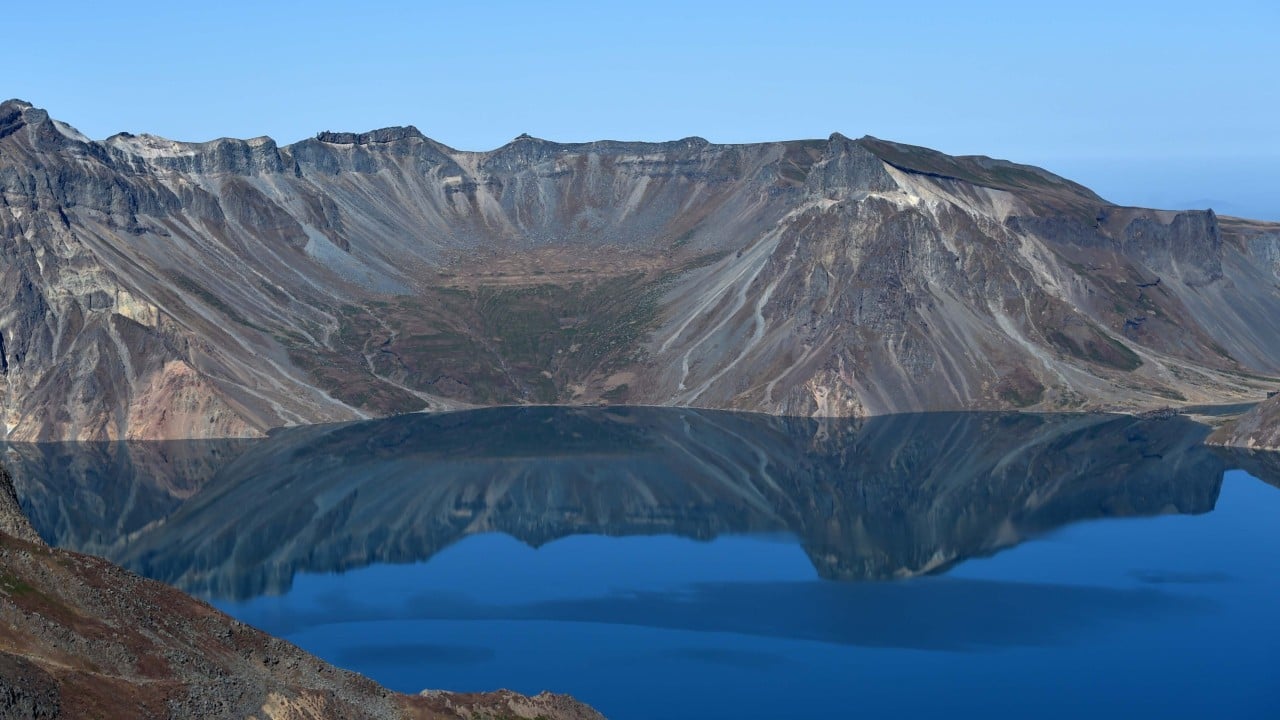
North Korea’s underground nuclear tests have triggered a chain of seismic events, activating ancient fault lines that stretch towards one of the most dangerous volcanoes on Earth, about 100km (62 miles) away, according to a paper published by the journal Science.
The joint Chinese and South Korean study, which appeared on Thursday, found that the five nuclear explosions conducted between 2013 and 2017 at the Punggye-ri test site beneath Mount Mantap fundamentally altered the region’s geological stability.
Instead of fading quickly, the earthquake activity had not only persisted for nearly a decade, it had also steadily intensified, the researchers found. It is now propagating along two distinct parallel fault zones heading directly towards the China-North Korea border.
At the end of those fault lines is Changbai Mountain, known on the Korean peninsula as Mount Paektu, a dormant but restless volcano that had its last major eruption in AD946 – one of the largest on the planet in the past 2,000 years.
KioskNews shows a cleaned-up reading view extracted from the publisher’s page — the original always lives on their site, not ours.