US proposes new tariffs: Why India has an edge over its competitors, and at what cost
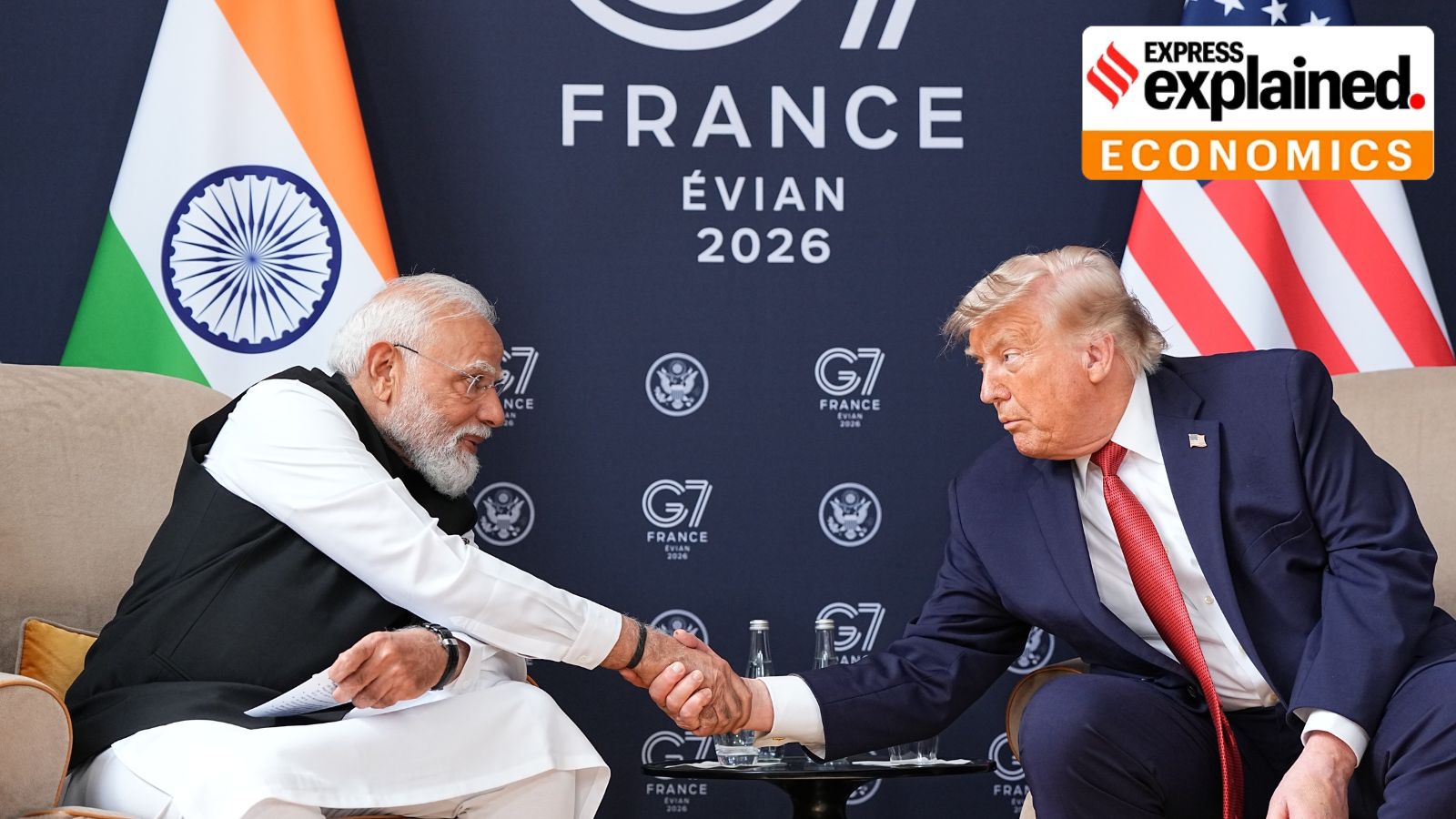
Nearly nine months after the US Supreme Court ruled against President Donald Trump’s Liberation Day tariffs, which saw US tariffs of 50% imposed on Indian goods between August last year and February 2026, the United States Trade Representative (USTR) has proposed a new tariff structure based on a Section 301 investigation into ‘forced labour’ and ‘excess capacity’.
The USTR has proposed a 25% tariff on India, suggesting that it could drop to 17% when New Delhi signs a trade deal. The proposed rates are slightly better than the trade deal rates of 18% offered to Bangladesh and several Association of Southeast Asian Nations (ASEAN) countries such as Indonesia, Malaysia, Cambodia and Thailand and particularly compared to 20% offered to Vietnam post-trade deal.
The rates offered to other close US partners such as the European Union, Japan, Taiwan, Switzerland, and South Korea remain at 15%, with an even lower rate for Singapore at 10% under its reciprocal trade deal. This closely resembles the reciprocal tariff structure imposed by the US last year. However, in the case of India, the reciprocal rates were set at 18% in February this year and have been reduced to 17% after several rounds of negotiations. A tariff edge over competitors was a key Indian ask in trade talks.
The tariff edge over ASEAN countries is important, as India is in direct competition with them across a range of products, including textiles, chemicals, electronics, solar products, automobiles and electrical equipment. Among ASEAN countries, Vietnam has been one of the fastest-growing economies. However, the US has levied the second-highest tariffs on Vietnam after China, which is facing tariffs of up to 40%.
However, unlike ASEAN countries, India has a vast domestic market, and a trade deal with the US is far more consequential. The India-US trade deal had been stuck for months amid steep US demands, particularly on agriculture.
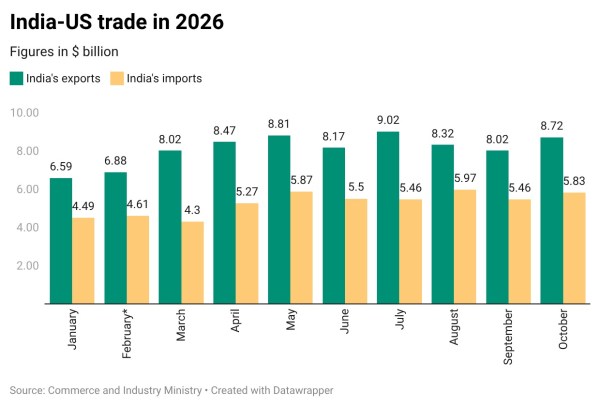
Why is the US targeting India’s dependence on China?
The USTR on Wednesday cited Indian industry estimates that India now supplies roughly one-third of its pharmaceutical exports to the United States, accounting for up to 47% of all generic prescriptions and 61% of generic solid oral drugs in the United States.
“Despite some domestic growth, India remains heavily dependent for many active pharmaceutical ingredients (APIs) and bulk drug ingredients. Thus, India’s acts, policies, and practices that relate to structural excess capacity and production are unreasonable because they distort fair, market-oriented competition,” USTR said.
Story continues below this ad
The USTR said that India engages in acts, policies, and practices that promote structural excess capacity and production, including implementing industrial plans to maintain and expand Indian manufacturing, and setting overall targets for manufacturing and exports through initiatives such as Make in India and production-linked incentives (PLI).
India’s imports of manufacturing inputs from non-market economies (NMEs, particularly China, which have increased tremendously in recent years. According to the USTR, India’s value of intermediate consumption imports from China is up $44 billion, or 97%, between 2017 and 2025.
“India’s value of intermediate consumption imports from NMEs is up $91 billion, or 152%, between 2017 and 2025. This difference holds for both gross fixed capital formation goods and final consumption goods. Surging imports of NME inputs both distort competitive conditions within the Indian market and enhance the (artificial) competitiveness of Indian downstream products manufactured using those NME inputs,” USTR said.
What has India agreed to under the US trade deal?
Story continues below this ad
While India stands to gain a tariff advantage over its ASEAN peers, New Delhi will have to accept steep demands under the trade deal. As per the joint statement released by the two countries, India agreed to “eliminate or reduce” tariffs on all US industrial goods and a wide range of US food and agricultural products, including dried distillers’ grains (DDGs), red sorghum for animal feed, tree nuts, fresh and processed fruit, soybean oil, wine and spirits, and additional products.
“India agrees to address long-standing barriers to the trade in U.S. medical devices; eliminate restrictive import licensing procedures that delay market access for, or impose quantitative restrictions on, U.S. Information and Communication Technology (ICT) goods; and determine, with a view towards a positive outcome, within six months of entry into force of the Agreement whether U.S.-developed or international standards, including testing requirements, are acceptable for U.S. exports entering the Indian market in identified sectors,” the joint statement read.
The statement also said that India intends to purchase $500 billion worth of US energy products, aircraft and aircraft parts, precious metals, technology products, and coking coal over the next 5 years. “India and the United States will significantly increase trade in technology products, including Graphics Processing Units (GPUs) and other goods used in data centres, and expand joint technology cooperation,” the statement said.
Is the US easing its demands on dairy and GM products?
Commerce and Industry Minister Piyush Goyal on November 3 had indicated that the US may have eased its demands on genetically modified (GM) products and certain dairy imports, both major points of contention.
Story continues below this ad
The US had cited Indian regulations blocking imports of certain dairy products as non-tariff barriers. The USTR, in its report on non-tariff barriers released in March 2025, had said that India imposes “onerous requirements” on dairy imports.
“We are very sensitive to the opening of the dairy sector. Till date, we have never opened the dairy sector for anybody. We are sensitive about not allowing any GM products to come to India. We have never allowed it, and we will never allow it in the future. We are sensitive to our religious sensitivities,” Goyal had said while interacting with students at Kirori Mal College on November 3.
The USTR report had said that India requires dairy products intended for food to be derived from animals that have not consumed feeds containing internal organs, blood meal, or tissues of ruminant or porcine origin, and that exporting countries certify compliance with these conditions. The USTR argued that these requirements lack a discernible animal health or human health justification.
KioskNews shows a cleaned-up reading view extracted from the publisher’s page — the original always lives on their site, not ours.