Philippine law targeting foreign agents spurs fears of free speech curbs
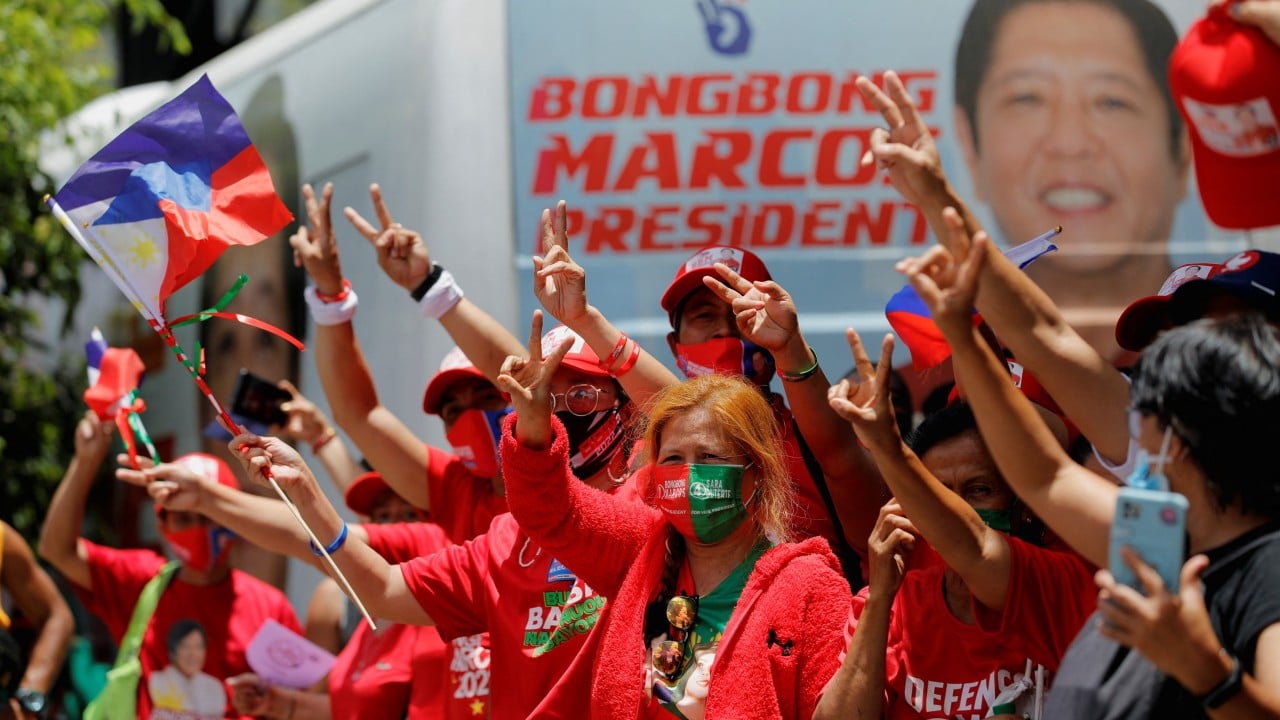
Philippine officials want a new anti-foreign interference law ahead of the 2028 presidential election, as a raid on a suspected online scam centre near the country’s military headquarters and reports of Chinese-linked money transfers to a company tied to Vice-President Sara Duterte-Carpio’s family fuel national security concerns.
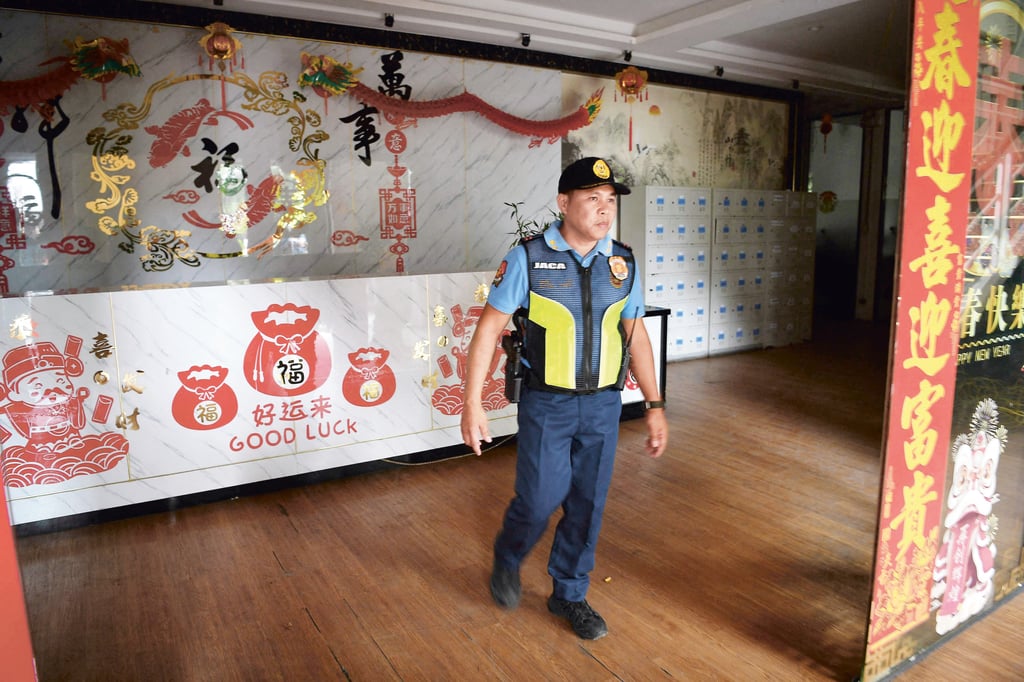
On Monday, immigration and military operatives arrested 76 foreigners at a facility in Quezon City suspected of being linked to Philippine offshore gaming operators (Pogos), whose online gambling businesses flourished when former president Rodrigo Duterte was in power. Authorities have long suspected that Pogos were covertly used for illicit activities, including espionage.
The group comprised 74 Chinese nationals and two from Myanmar. The facility in Barangay Socorro was located down the street from Camp Aguinaldo, the sprawling complex housing the Armed Forces of the Philippines’ headquarters and the Department of National Defence.
On the suspected activities at the facility, retired rear-admiral Roy Vincent Trinidad, a military spokesman for West Philippine Sea-related matters, told reporters: “The appropriate government agencies must look into this. This will have very serious national security implications.”
Trinidad said the military’s recent shift towards external defence had brought new security challenges, including attempts to influence public opinion through information campaigns.
Philippine officials have warned about possible foreign interference in the run-up to the 2028 election, including fears that outside actors could seek to boost candidates seen as friendly towards China.
Such concerns have taken on added significance following reports that Cale88 Foods, co-founded by Duterte-Carpio’s husband, Manases Carpio, received money from Chinese mainland and Hong Kong corporations, which prompted a security investigation.
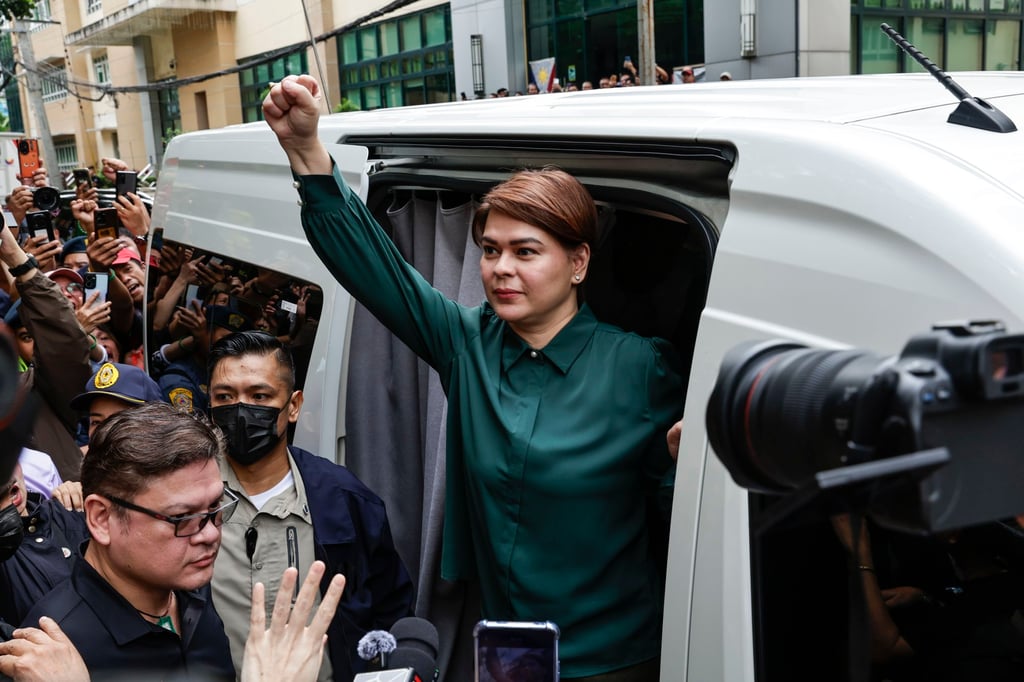
Beijing has denied it is seeking to interfere in Philippine elections. In April 2025, the Chinese embassy in Manila said China had “no interest in interfering in elections in the Philippines”, accusing some Philippine politicians of using such allegations against Beijing for political gain.
Retired Supreme Court associate justice Antonio Carpio has urged Congress to speed up passage of the proposed Foreign Influence and Interference Act, an enhancement of the current Foreign Agents Act, which requires foreign agents to register and disclose their foreign source, compensation and activities.
A working group will consolidate eight new measures into one bill to be presented in the House of Representatives.
The proposed legislation would extend to online influence operations, including so-called troll farms and foreign or local agents acting on behalf of foreign persons or entities to manipulate public opinion for political ends. Offenders could face prison terms and fines of up to 20 million pesos (US$318,000) for activities including helping political candidates through financial contributions.
Trinidad said malignant foreign actors were involved in actions and messages designed to distort public perception. “The objective is not even for us to believe them. The objective is for us not to believe anybody,” he said, warning that they were aiming to undermine trust in government and its institutions.
At a media briefing in September, Trinidad said foreign influence tactics had shifted towards focusing on domestic issues, including the impeachment proceedings against Duterte-Carpio and the flood-control scandals. He said the use of Filipino-language content made such activity “more difficult to detect”.
Weaponised against legitimate dissent?
Local government secretary Jonvic Remulla cited Philippine intelligence reports on a talk show last month that indicated an unnamed superpower had “under its payroll more than 40,000 bloggers and influencers and commentators to spread fake news about the Philippines”. He did not identify the country nor provide details to substantiate the figure.
Meanwhile, the National Security Council has said it would investigate the reported 319 million pesos in transfers from Chinese and Hong Kong corporations to Cale88 Foods, where Manases Carpio was president and chairman of the board when the remittances occurred.
Anti-Money-Laundering Council director Ronel Buenaventura last week testified during the vice-president’s impeachment proceedings that the transfers were flagged because they appeared to have no justifiable purpose.
Defence Secretary Gilberto Teodoro Jnr has called for a “thorough investigation into the matter … due to serious implications to our national security”.
President Ferdinand Marcos Jnr said on October 7 that he found the matter “most disturbing” and that, if proven true, it would represent “a threat at the highest level to the Republic”.
In response, Duterte-Carpio said on Monday: “Are we forbidden from doing business with China? Because it is a national security risk?” She also accused the Marcos administration of “becoming the troublemaker of Southeast Asia”.
On October 6, the Chinese embassy in Manila condemned what it called a “false narrative alleging that China had funnelled funds to a particular political faction in the Philippines”, describing the allegation as “malicious”, saying it would take measures to protect China’s “legitimate interests and dignity”.
02:32
Philippine parents back moves to restrict social media among minors under age 13
Critics warn that legislation intended to counter foreign interference could also threaten to curb legitimate political expression.
Carlos Nazareno, a digital rights advocate at Democracy.Net.PH, said the proposed law could affect foreign organisations such as the Konrad Adenauer Stiftung and Friedrich Naumann Foundation, which fund local initiatives on democracy and disinformation-fighting.
Dominic Ligot, founder of advocacy group Data and AI Ethics PH, said the threat from China was real but warned that combining the proposed law with anti-disinformation bills could create “a slippery slope because these laws can be weaponised against legitimate dissent”.
Enrico Gloria, an assistant professor of political science at the University of the Philippines, said the bill should clarify the boundaries of acceptable activities for people connected to foreign countries, while offering protection against unfounded accusations.
Referring to his contributions to commentaries and analysis on the South China Sea issue, the recent graduate of a doctorate degree in social science from Tsinghua University said that “I would be worried about what I say or what I write … because of the stigma.”
KioskNews shows a cleaned-up reading view extracted from the publisher’s page — the original always lives on their site, not ours.