Oceans, fossil fuels and keeping 1.5 alive: the missed opportunities at Cop31

The “Antalya pact” was supposed to be the keystone document agreed at the UN’s Cop31 climate summit in Turkey, but in the final days and hours countries became entrenched, leaving the pact dead in the water.
But what did it say, and what opportunities were missed when it died?
We take a look.
Keeping 1.5 alive
The 31st UN climate summit was the first to acknowledge the inevitable breach of the hard-won 2015 Paris climate goal to keep global heating to 1.5C, confirmed by scientists just months before.
Nations most vulnerable to the climate crisis want to “keep 1.5 alive” with a pact that would promise that the world would keep trying. The final version of the pact said:
Reaffirms its resolve to pursue efforts to limit the temperature increase to 1.5C to limit both the magnitude and duration of any temperature overshoot, recognizes the need for deep, rapid and sustained reductions in greenhouse gas emissions in line with 1.5C pathways and resolves to close adaptation gaps and enhance action and support to enable countries and communities to better avert, prepare for, adapt to, respond to and recover from adverse climate impacts;
While many low-lying nations, in particular in the Pacific, thought this language was not strong enough, it would have become an important touchstone and a signal they had not been abandoned.
Electrification
Co-hosts Turkey and Australia wanted to bring a voluntary goal to increase electrification around the world into a universally agreed pact.
Examples of electrification are swapping petrol- and diesel-powered vehicles to EVs, or changing gas cooking and water heaters to electric versions with heat pumps and induction hobs. They are all better for people’s health and a more efficient way to use energy.
Increasing the share of electricity in total final energy consumption to 35 per cent globally by 2035, alongside efforts to, inter alia, increase clean energy, improve energy efficiency, and enhance deployment of other low-emission technologies, alongside enhancing storage, system flexibility and modern and resilient grids, and improving energy access;
The Australian climate minister, Chris Bowen, insisted this shift was inevitable anyway, and said more than 90 countries had signed the voluntary “35 by 35” pledge.
Fossil fuel transition
Days before the final texts were presented to countries to ultimately negotiate in the plenary rooms, the draft Antalya pact had made a strong reference several times of a need to get off fossil fuels.
…… urges Parties to accelerate its implementation, including transitioning away from fossil fuels in energy systems in a just, orderly and equitable manner; emphasizes the importance of phasing out inefficient fossil fuel subsidies that do not address energy poverty or just transitions, as soon as possible, building on the first global stocktake;
Calls for accelerated action to phase out fossil fuels, including through the immediate transition away from fossil fuels in energy systems.
While the global shift away from fossil fuels is happening, although uneven around the planet, the pact would have sent a strong message. But in the end, petro states including Saudi Arabia would not allow the words “fossil fuels” to be mentioned.
Carbon dioxide removal
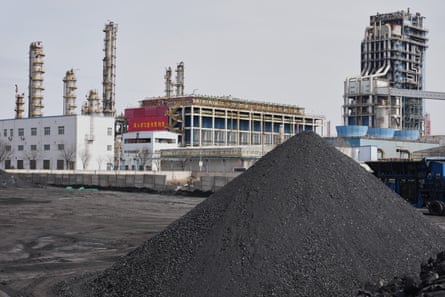
Carbon capture, utilisation and storage was pushed, in particular by Saudi Arabia, as a crucial set of technologies that had to be deployed at scale to help bring temperatures back down from the now inevitable overshoot of the 1.5C Paris temperature target.
But CCUS has mostly been deployed by fossil fuel companies so far, with one analyst saying it would have been a “a Trojan horse for fossil fuel interests”.
Increasing carbon capture, utilization and storage deployment with an aim to achieve gigatonne scale globally by 2035 as a collective global aspiration, and encouraging all actors, including industry, to scale up research and development recognizing the role of carbon capture, utilization and storage, particularly in hard-to-abate sectors;
For context, the Global CCS Institute says projects around the world have the capacity (if working properly, and they rarely do) to store 68 million tonnes per annum of CO2. This is less than 0.2% of the 38.2bn tonnes of CO2 emitted from burning fossil fuels in 2026.
“A teaspoon of carbon capture cannot excuse an ocean of fossil fuel expansion,” said Denise Cauchi from Climate Action Network Australia. “We dodged a bullet that would have put a gaping loophole in global climate agreements.”
But there are other carbon drawdown techniques that would also have been given a lift from the pact. Carbon dioxide removal technologies that pull CO2 from the atmosphere, such as “direct air-capture” projects and reforestation, would have been given approval. Done carefully and scaled up, they could help lower temperatures.
Oceans
Cop co-president Australia wanted to make Antalya the summit where the ocean’s critical role in the climate crisis was acknowledged in a global pact. The ocean has absorbed more than 90% of the extra heat caused by human activity, and absorbs about a third of the extra CO2.
Expresses deep concern about the impacts of climate change on the ocean, livelihoods, food security, and biodiversity, including as a result of ocean warming and sea level rise, and recognizes the important contribution of sustainable ocean-based climate action to strengthening adaptation and resilience and advancing mitigation efforts while delivering benefits for communities and biodiversity;
References to the ocean were littered through the final-but-fated draft of the pact, in terms of its importance, and raised concerns about threats to scientific monitoring.
Some of these sections of the pact may have been saved by a late effort from Fiji, which asked for them to be considered separately by the conference. This was not passed, but it was moved into the convention process to be discussed by its subsidiary bodies.
Methane
Outside the Cop process, there is a voluntary global pledge to reduce methane emissions by 30% by 2030. The Antalya pact would have given a focus to these efforts.
Also recognizes that reductions in anthropogenic methane and other non-carbon dioxide emissions contribute to limiting the magnitude of peak warming, taking into consideration the fundamental priorities of safeguarding food security, livelihoods and respecting different cultural practices and national circumstances;
Methane is a potent greenhouse gas over time frames much shorter than CO2, and so reducing their levels in the atmosphere will mean quicker temperature reductions.
For all the missed opportunities highlighted here, the death of the pact does not mean those chances have gone. But a unifying pact would have helped drive campaigns, policy development, capital raising and climate action around the world.
KioskNews shows a cleaned-up reading view extracted from the publisher’s page — the original always lives on their site, not ours.