PBB support, local party preference pose hurdles for PAS in Sarawak
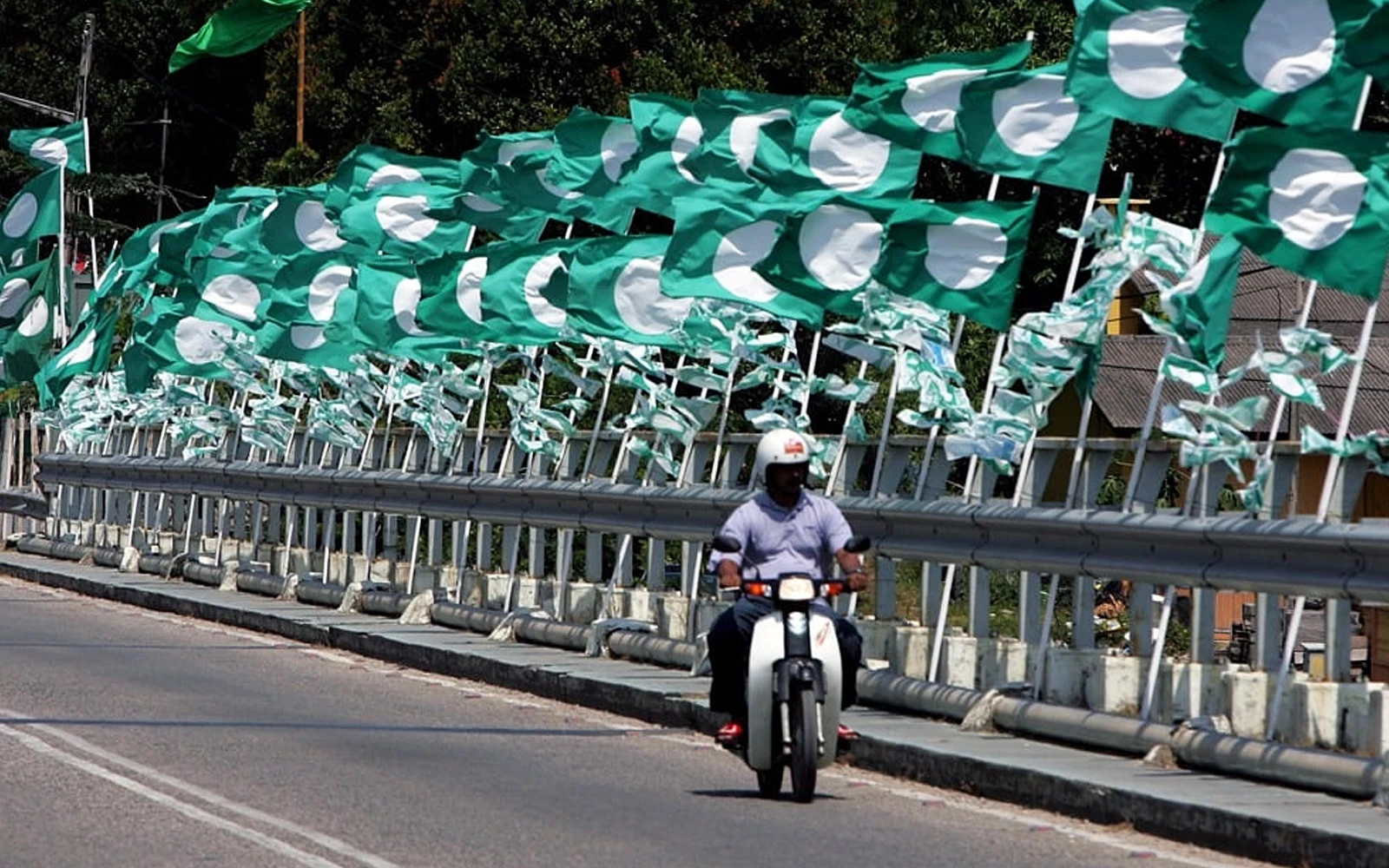
Analysts expect strong support for Parti Pesaka Bumiputera Bersatu (PBB) among Sarawak’s Muslim Malay-Melanau community and a preference for local parties to hinder PAS’s efforts to expand its influence in the state.
Academy of Sciences Malaysia fellow Jayum Jawan said the Muslim Malay-Melanau community had little reason to switch to PAS.
“So far, there is no reason for the community to choose another party because their interests have been safeguarded by PBB and Malay-Melanau leaders for six decades, since 1970,” he told FMT.
Jayum was commenting on PAS’s intention to contest four seats in the upcoming state election, including Samariang, Sebuyau and Beting Maro. It won its first state seat in Sabah last November.
Sarawak PAS chief Arifiriazul Paijo said the state leadership had submitted a proposal for the central leadership’s decision.
He said Sarawak PAS was also considering another seat, either in the Bintulu or Sibuti parliamentary constituency, with a decision to be announced later.
Commenting on PAS’s chances, Jayum said the party’s success in Sabah would not necessarily be replicated in Sarawak, as the political landscapes differed.
He was referring to Sabah PAS commissioner Aliakbar Gulasan’s victory in the Karambunai seat in the 2025 Sabah state election.
“Non-Malay communities, which make up about 70% of Sarawak’s population, are also less comfortable with PAS’s political direction and focus,” Jayum said.
Lee Kuok Tiung of Universiti Malaysia Sabah said the “Sarawak First” sentiment and preference for local parties would be among PAS’s main challenges in establishing a foothold in the state.
He said Sarawakians were highly aware of the role played by local parties, particularly in championing the state’s rights under the Malaysia Agreement 1963 (MA63).
“Gabungan Parti Sarawak (GPS) has successfully promoted the narrative that only local parties understand and are entitled to safeguard the rights enshrined in MA63,” he said.
Lee said GPS also had an advantage through its strong election machinery, substantial financial resources and track record in rural development, including through PBB in Muslim-majority Bumiputera areas.
“Current trends point to the rise of local parties and a growing preference for them. National parties that have long established a presence in Sarawak and Sabah are facing an uphill battle in defending their seats.
“Controversial remarks previously made by several PAS leaders in Peninsular Malaysia could also trigger negative reactions among NGOs and Sarawak’s predominantly non-Muslim population,” he said.
Subscribe to our newsletter and get news delivered to your mailbox.
KioskNews shows a cleaned-up reading view extracted from the publisher’s page — the original always lives on their site, not ours.