RSS to be expanded into 88 regional units: Dattatreya Hosabale
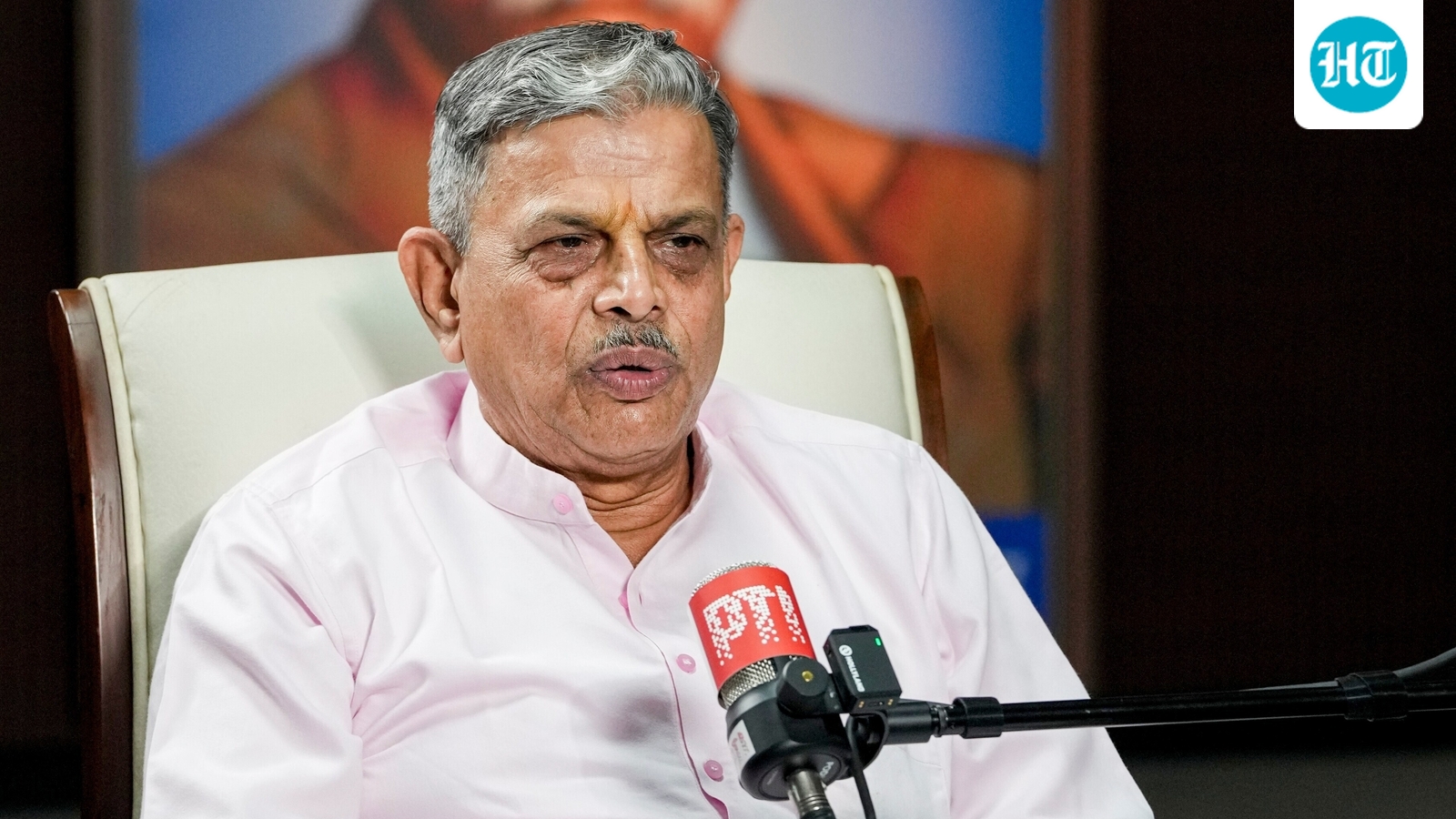
The Rashtriya Swayamsevak Sangh (RSS) will restructure its organisation into 88 divisions, replacing its existing 46 regional units, as part of its centenary-year expansion plans, general secretary Dattatreya Hosabale said on Wednesday, claiming a 150% increase in shakhas (branches) in West Bengal over the past year.
Speaking on the concluding day of the Sangh’s three-day annual meeting at Daly College in Madhya Pradesh’s Indore, Hosabale said the restructuring would help the organisation plan and coordinate its activities more effectively across the country. “Till now, we had 46 prants (regional units). Following organisational elections in November-December, presidents (Sanghchalaks) and new executive bodies will be elected, and 88 sambhags (divisions) will be formed. Future work plans will be prepared from the perspective of these 88 divisions”.
Highlighting the organisation’s expansion, Hosabale said the number of shakhas in West Bengal had increased by 150% over the past year. “Earlier, we faced direct and physical opposition while trying to run shakhas there. That opposition is no longer there and the situation has changed,” he said.
Also read: ‘Protests are democratic right’: RSS opts for measured response to Opposition stir
Referring to violence against RSS workers in the past, he said workers had been killed in Tripura and Assam, while Kerala had also witnessed conflicts resulting in the deaths of Sangh workers. “Despite these challenges, the organisation had expanded its presence. Weekly programmes have started at 48 locations in Arunachal Pradesh, while two shakhas are now functioning in Mizoram. The RSS has also established a presence in Ladakh. A recent programme in Port Blair drew more than 5,000 participants, including people from 13 smaller islands in the Andaman region,” he added.
Sharing nationwide figures, he said RSS had expanded to 10,241 additional locations this year, taking its presence to 103,397 locations across country.
On Gen Z protests, Hosabale said young people’s aspirations and grievances needed to be addressed through dialogue, while cautioning against attempts to exploit their discontent for political purposes.
Also read: RSS annual meeting begins in Indore; structural changes, contemporary issues on agenda
He alleged that “anarchic forces” within and outside India were trying to provoke and exploit young people for political interests, social division and violence. “When we were also young, we also staged protests in anger. We were also in the JP movement so every young generation gets a feeling of anti-establishment, a thought about the ideas of that time. There are ways to channelize it. But to misuse it, to do political selfishness in it, to try to break society in it, or to use violence, should absolutely not be done. We oppose this,” he said.
On reservation, he reiterated that quotas should continue until social and educational inequalities arising from discrimination are removed.
KioskNews shows a cleaned-up reading view extracted from the publisher’s page — the original always lives on their site, not ours.