US-China science ties fray as visa hurdles and security scrutiny grow
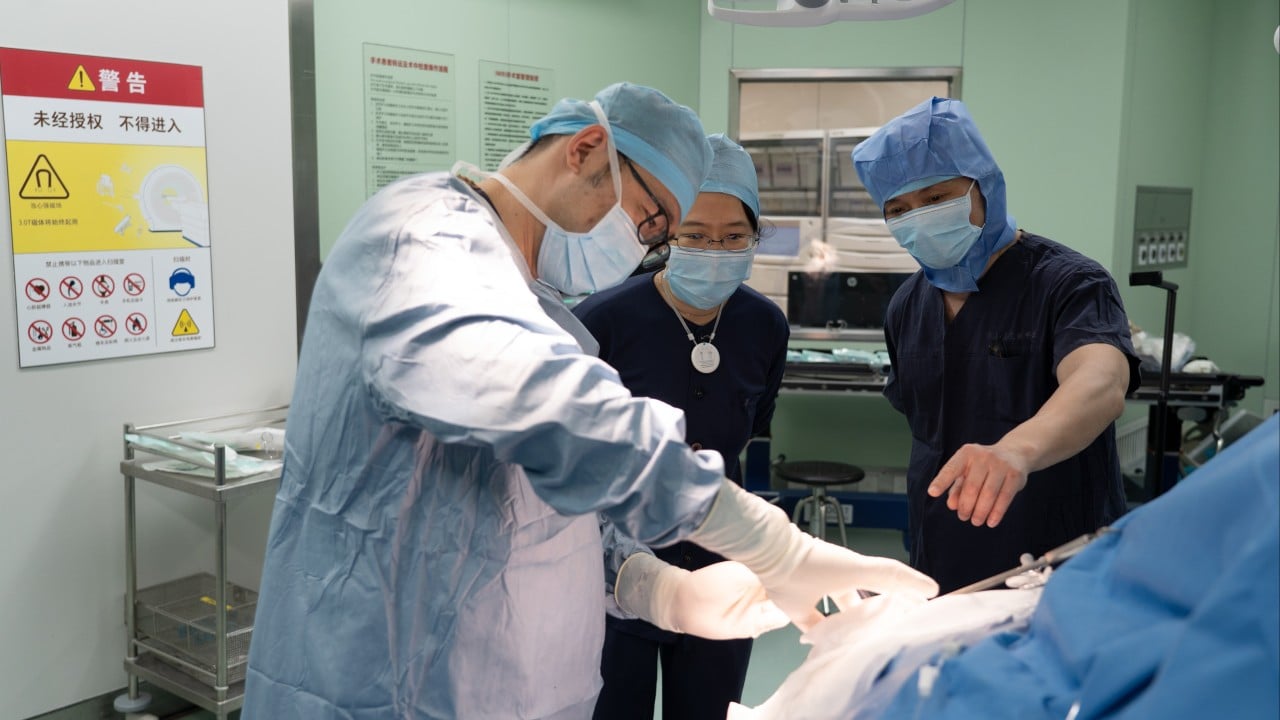
Peking University professor Li Yulong’s team celebrated when six scientists detailing their research on detecting neural signals were accepted for the Society for Neuroscience’s 56th annual meeting in Washington – but only four obtained US visas to participate in it.
Li has been regularly attending the world’s largest neuroscience gathering since he was a student in 2000. He described it as an essential forum for sharing findings with researchers worldwide, but said his team’s visa difficulties this year underscored how easily those exchanges could be disrupted.
Beyond the science, the conference also painted a picture of a broader shift in the scientific community, as immigration vetting, national-security concerns and institutional caution sever collaborations, push gatherings away from US venues and make travel to America seem risky – at a time when China has been trying to lower barriers and attract more international exchange.
“In the past, our team had many joint projects with US research groups, and some of our work was funded by the US NIH Brain Initiative,” Li said, referring to a programme launched in 2013 by Washington’s National Institutes of Health (NIH).
“But now much related cooperation has been severed,” Li added in an interview with the South China Morning Post at the conference. He added that many US universities no longer encourage researchers to co-author papers with Chinese collaborators.
The US House passed a bipartisan bill in May restricting US-Chinese university partnerships and major US universities have already moved to sever ties with Chinese institutions. The Pentagon has separately pressed US universities to review their foreign partnerships and sever relationships it considers a security risk.
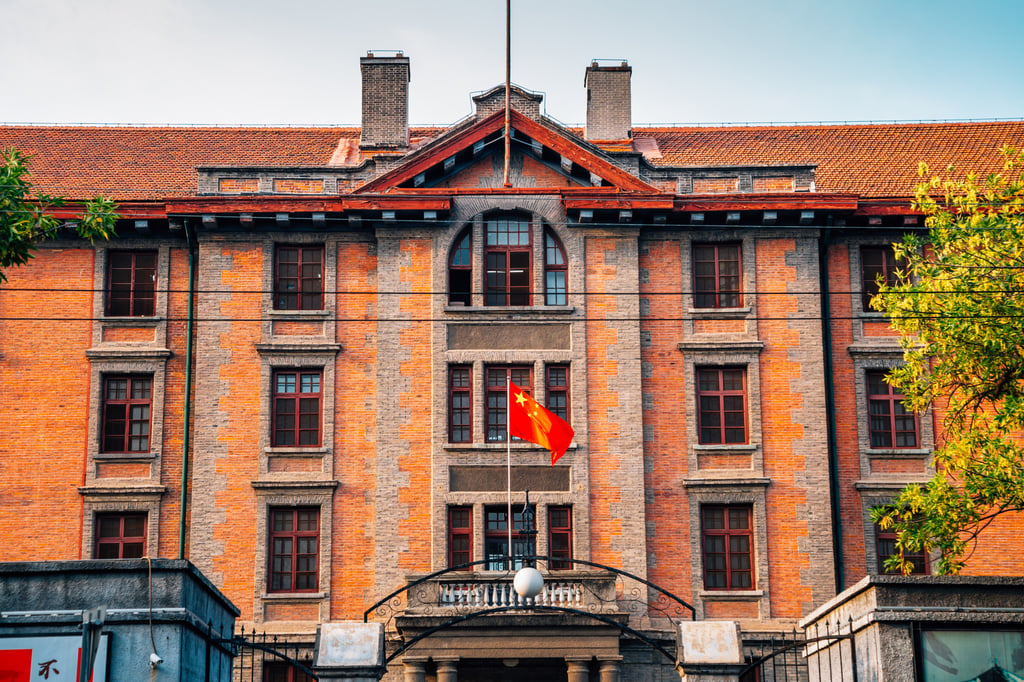
In a joint letter sent on Tuesday, the US State and Education departments urged university presidents and governing boards to audit financial ties with entities on government watch lists. They said greater scrutiny was needed to prevent unauthorised technology transfers and protect taxpayer-funded research.
The letter said Pentagon audits of 30 US universities had led to the termination of more than 80 relationships with foreign entities deemed a security concern. The Pentagon’s updated research-security watch list covers 130 academic and research institutions in China, Russia and Iran, including Fudan University, Shanghai Jiao Tong University and the Chinese Academy of Sciences in Beijing.
Li said the changing dynamics were also not in the interest of US research teams. He cited earlier collaboration, where US partners could begin using neural-signal detection tools his team developed for different brain regions and diseases. Work commenced as soon as tests showed the system worked and the Chinese and US partners published a joint paper on their research.
Now US teams can use the tools only after papers are published and through public citations, Li said, noting how the change delays access to the technology.
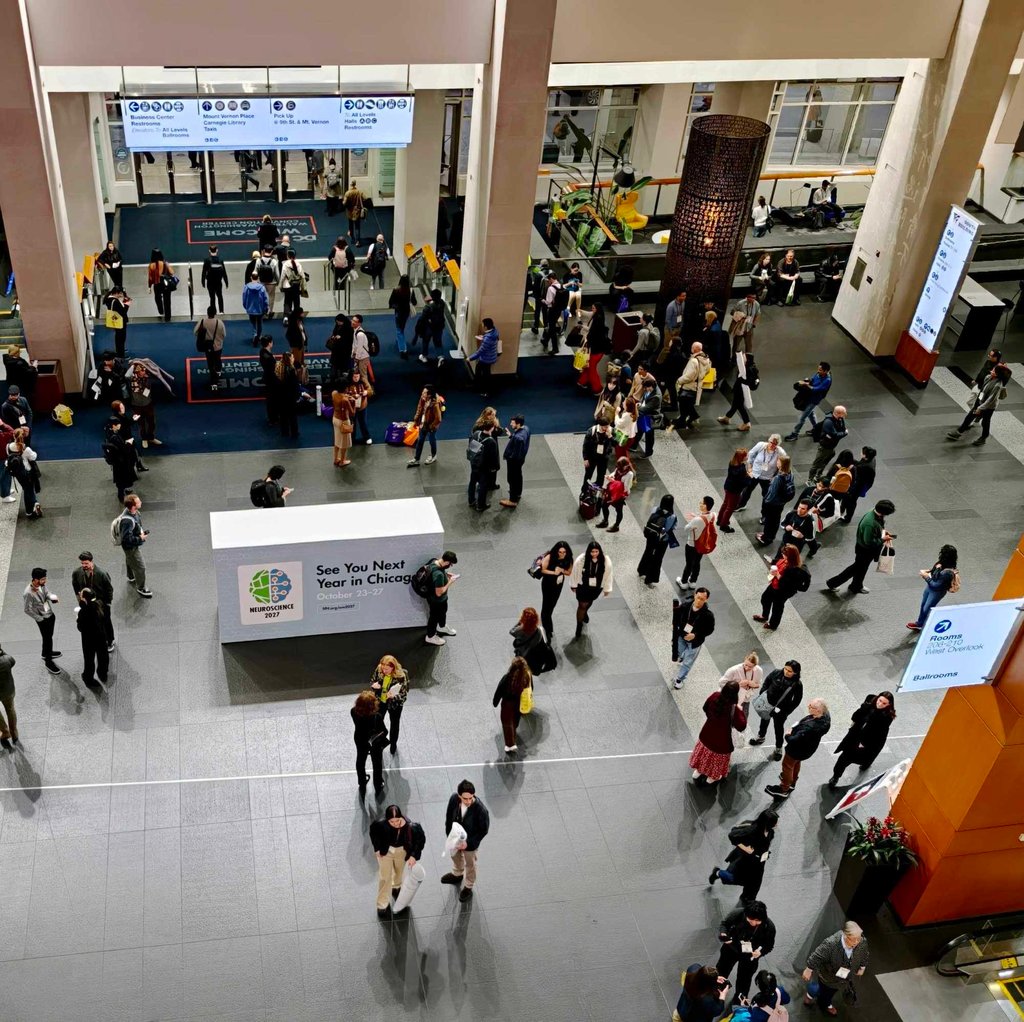
The neuroscience event is among the world’s largest scientific conferences, drawing more than 20,000 people from more than 80 countries to exchange research abstracts, network, and attend symposia.
The conference has been held every year in October or November, except for a hiatus in 2020 during the Covid pandemic. In recent years, it has rotated among San Diego, Washington and Chicago. Attendance figures have not yet been released from the latest gathering, but numbers have declined slightly in recent years, from 25,808 in 2023 to 22,359 in 2024. Last year’s event drew only 21,093 people.
This year, Li joined Nachum Ulanovsky of the Weizmann Institute of Science and Anne Churchland of UCLA in a forum to discuss the need for international collaboration.
SCMP Plus is a new premium news platform that gives you an
all-inclusive edge to stay ahead on China news.
To access our exclusive content you’ll need to subscribe.
Already a subscriber?
LOG IN
The forum description summed up their concerns: “International dialogue must remain at the heart of neuroscience. In recent years, cross-border collaborations in neuroscience have been threatened by lingering effects of the pandemic, inward-focused political influences and a shift towards local scientific societies.”
Worries grow of longer-term consequences
The impact of these obstacles goes beyond research efficiency, according to other experts who fear longer-term consequences that will be difficult to reverse.
Yu Congrong, chair of the Department of Neuroscience at Case Western Reserve University School of Medicine, has conducted research and taught in North America for 36 years. He said face-to-face exchanges are an important part of academic research, and much information cannot be fully understood by reading published papers alone.
That interaction had broken down, Yu said, because some US universities do not even allow faculty members to visit China for academic purposes.
“Many scientific results emerge from discussion, and such exchange benefits both sides rather than being zero-sum,” he said. “Some diseases that scientists tackle jointly exist around the world, and the results benefit all of humanity.
“Also, research in the same field can be complementary; the most likely outcome of stopping exchange is not that one side accelerates alone, but that both sides duplicate work and the whole academic community advances more slowly.”
01:50
Chinese researchers claim brain-computer interface breakthrough using monkey brain signal
Yu admitted that national security considerations are understandable, but he worried about the long-term practical effects of limiting collaboration, as current policies may result in a “lost generation” of scientists as communications decrease in their early careers.
At the same time, Yu noted, restrictions may in fact be “good” for China, because many Chinese scholars have chosen to return home under the impact of such policies.
Neuroscience is not the only field to be affected
Li and Yu’s observations were not isolated at this meeting, and they go far beyond US-China relations. Since 2025, scattered complaints about academic conferences “leaving the United States” have shifted into a recognisable trend.
One prominent example is the Academy of Management (AOM), a global professional association with nearly 90 years of history. Its annual meetings draw about 13,500 people, and 63 per cent of its nearly 21,300 members live outside the US.
In May, the academy’s board decided that after its 2026 annual meeting in Philadelphia, the following four consecutive meetings would move out of the US. Before that, Seattle had been designated as host city for 2027.
“Copenhagen showed us what AOM looks like when we remove barriers that impact participation, and we intend to build on it,” said Tammy Madsen, the association’s president.
Stories circulating in academia about detention, searches and even denial of entry at US borders have also had a chilling effect on researchers who say they are being treated as a potential threat.
03:03
HKBU professors’ AI-powered research make real-world impact
At the Washington neuroscience conference, such fears surfaced in smaller details. Indonesian medical doctor Heni Pristiwa Oktaviani said her company’s CEO had been denied a visa, so she presented on his behalf.
Iranian researcher Toktam Samiei at UC Riverside, who is waiting for a green card, said that while she does not face the same backlog as Chinese and Indian applicants do, vetting remains strict. Samiei said that she has graduated, no longer holds an F-1 student visa, and cannot travel to Europe to attend conferences.
Scholars’ concerns over attending meetings abroad
Indian undergraduate Pranitha Pakalapati said she has not been home since 2023, let alone go abroad for meetings. She said she was considering applying to graduate school, but worried about obstacles she would face as an international student.
A Chinese-American researcher at NIH said many of his European friends came to this event as usual, and some friends did not, but “it is hard to summarise what caused it”.
Other PhD students holding valid visas said they did not dare go to Europe or China for conferences, worried that months-long visa-renewal waits and potential entry risks could delay their research.
While speaking with the SCMP, neuroscientist Li took a moment to greet J. Anthony Movshon of New York University, a member of the National Academy of Sciences, and Cheng Hwai-jong, director of the Institute of Molecular Biology at Academia Sinica in Taiwan.
Li told the other researchers about next year’s annual meeting of the Chinese Neuroscience Society in Hangzhou. For its 20th edition, the conference appears to be trying to enhance its international influence, requiring more than 70 per cent of sessions to be held in English. It will also hold bilateral joint symposia with Canada, Germany, Japan and South Korea.
The event is expected to draw about 5,000 participants, and China currently grants visa-free entry to most European countries and the Belt and Road Initiative, which aims to improve trade and economic integration across Asia, Europe and Africa. Li described that backdrop as a practical advantage in attracting scientists to China for exchange, adding that Chinese cities are clean and safe and that people are friendly.
Despite the obstacles, he encouraged young scholars to stay actively engaged in global competition and collaboration.
“The brain is the world’s most complex neural system, and studying it requires the best technology, the brightest talent and the largest funding from around the world working together.”
KioskNews shows a cleaned-up reading view extracted from the publisher’s page — the original always lives on their site, not ours.