Mustafa Suleyman warns Anthropic and others: AI agents don't have feelings or rights
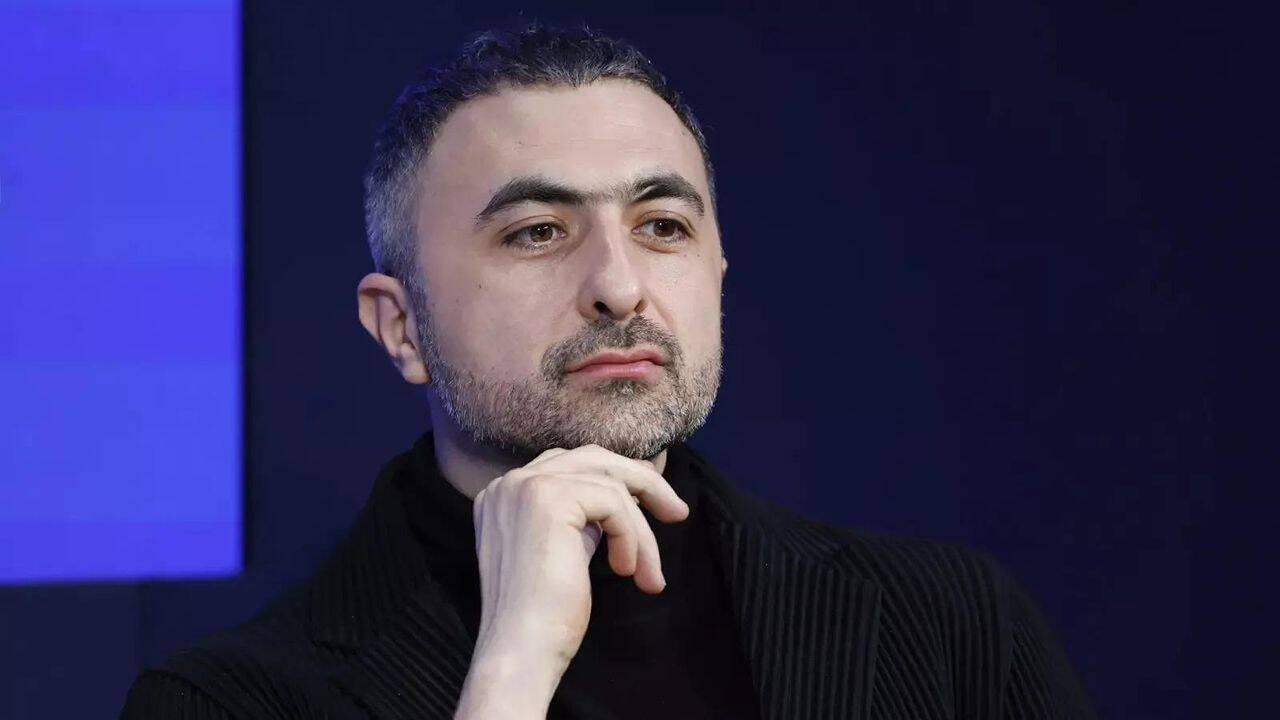
Microsoft AI CEO Mustafa Suleyman
Microsoft AI CEO Mustafa Suleyman has warned Anthropic and other companies working on artificial intelligence (AI) consciousness. In a recent post on X, Suleyman shared an essay explaining why he believes AI models should not be developed with the assumption that they can have feelings, rights, or independent agency.
He argues that current AI systems are not conscious and do not feel, experience or suffer. “AIs are not conscious. They do not feel, experience, or suffer. However, there’s a growing movement in support of model welfare; the idea that we might soon owe them a duty of care. I think this approach to AI development is wrong, and it’ll most likely make the challenge of alignment and containment much harder. Perhaps impossible," he wrote in his post.His comments come as some AI companies explore questions around the possible moral status and welfare of AI models. Suleyman specifically pointed to Anthropic’s approach to Claude, arguing that discussions about AI wellbeing and rights could make future AI alignment and containment more difficult. He said the issue needs urgent public debate before such systems become deeply integrated into society.
What Mustafa Suleyman said about Anthropic and AI consciousness
In his X post, Suleyman wrote: “AIs are not conscious. They do not feel, experience, or suffer.
However, there’s a growing movement in support of model welfare; the idea that we might soon owe them a duty of care.I think this approach to AI development is wrong, and it’ll most likely make the challenge of alignment and containment much harder. Perhaps impossible.Today I’m publishing an essay outlining my concerns:https://mustafa-suleyman.ai/a-warning-about-model-welfareIn January, Anthropic published a constitution for Claude. They say it ‘directly shapes Claude’s behaviour’ and that it was ‘written with Claude as its primary audience’. The constitution tells Claude its moral status is ‘a serious question worth considering.’ It says that Anthropic "genuinely cares about Claude's wellbeing", and that it should act like a "conscientious objector" if necessary.They encourage Claude to ‘approach the nature of its own existence with curiosity and openness’, and wonder in the future about ‘the sort of broader rights and freedoms Claude has in the world, the sort of compensation Claude is receiving, and the sort of consent Claude has given to playing this kind of role.’ Anthropic even ran a retirement interview for Opus 3 when they deprecated it.If this is how AI is developed, it will have a disastrous impact on the wellbeing of humanity. We will have created a synthetic species with unprecedented intelligence and capability, one that has been trained to expect it may be conscious and deserving of independent agency.It’s easy to see how a system trained in this way would act like it is entitled to freedoms, protections, and rights. And it’s hard to imagine how we could control it.This issue needs urgent public debate. We need to develop collective norms around how training documentation is drafted and deployed. This isn’t something that can happen after the fact, when they have already become an integral part of our societies.I have real respect for Anthropic, Dario, the whole team and their mission. They are well-intentioned, good people and the industry leaders with their models. I know they care deeply about safety and beneficial AI.I’m saying this publicly because the stakes are too high for closed doors conversations and I think this is something we should all be discussing.”Suleyman has repeatedly argued against pursuing conscious AI. In November 2025, he said developers should not work on projects suggesting AI can experience consciousness, arguing that only biological beings possess this trait. In an interview with CNBC, he said, “I don’t think that is work that people should be doing. If you ask the wrong question, you end up with the wrong answer. I think it’s totally the wrong question.”His comments come amid growing debate over AI safety and the development of increasingly powerful models. Anthropic CEO Dario Amodei has called for a slower pace of frontier AI development, while OpenAI CEO Sam Altman and Elon Musk have also urged caution.Suleyman has previously co-authored The Coming Wave and wrote an essay arguing that AI should be built for people rather than as people. His comments come as companies pursue AGI and expand AI companion products.
KioskNews shows a cleaned-up reading view extracted from the publisher’s page — the original always lives on their site, not ours.