How China’s leadership will weigh its choices for picking Shanghai’s next party chief
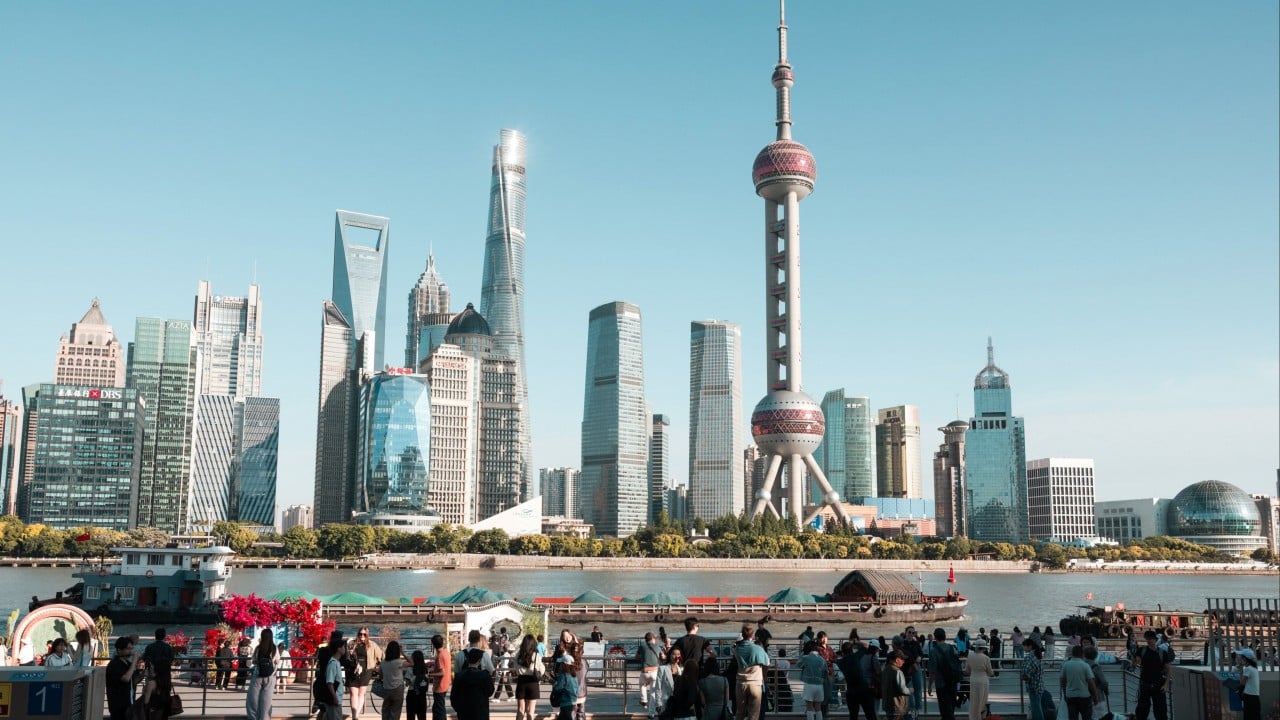
His ousting breaks decades of precedent and leaves a high-stakes vacuum in the country’s main financial hub less than a year before the 21st Communist Party congress, where there is likely to be a major leadership reshuffle.
The announcement that Chen, who was also a member of the Politburo, was under investigation sent shock waves through the country’s political establishment.
Historically, the city’s leader has played a key role in the nation’s economic development, while the job has served as a springboard to the Politburo Standing Committee – a path trodden by President Xi Jinping, Premier Li Qiang and former president Jiang Zemin.
Given Shanghai’s importance in the nation’s social, economic and political development, the replacement must be a political heavyweight with an impeccable political record and problem-solving capability.
Shanghai is also leading China’s AI and semiconductor development – an area considered critical in the rivalry with the United States.
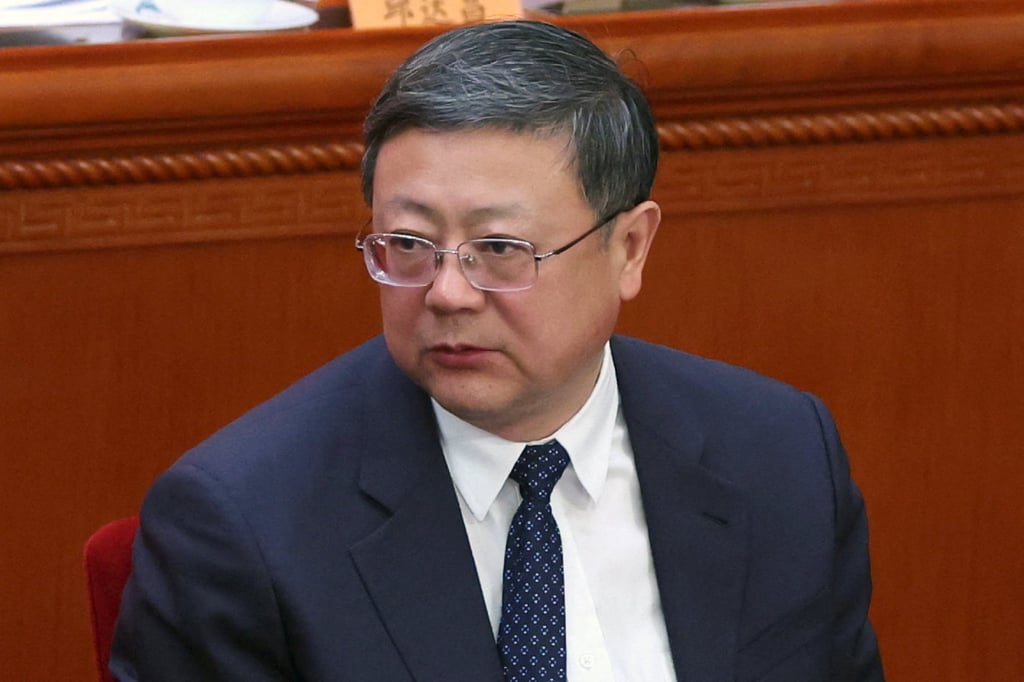
With a Politburo meeting expected soon and Shanghai’s party congress approaching in May, precedents suggest Beijing has a limited range of “firefighters” who can be dispatched to Shanghai.
The choice of the next party secretary – whether it is a stopgap caretaker ahead of the city’s party congress or a heavyweight parachuted in to anchor the next generation – will also send a strong signal about the composition of the next national leadership team.
Past precedents
Over the past three decades, whenever a Politburo-ranked provincial leader fell from grace, Beijing usually moved swiftly – often within 48 hours – to appoint a caretaker who can steady the ship and buy time to identify a longer-term successor.
Both appointees stand to benefit by getting the chance to show off their abilities at a time of crisis. For the interim choice, it can be a pathway to the Politburo Standing Committee, while the longer-term selection is likely to get a seat on the Politburo.
In March 2012, when Chongqing party chief Bo Xilai was abruptly removed at the close of the annual parliamentary session, vice-premier Zhang Dejiang was parachuted in that very day to run Chongqing.
Six months later, Jilin party chief Sun Zhengcai succeeded him and later gained a seat on the Politburo, while Zhang was appointed to the Standing Committee in China’s third-ranked position.
After Sun himself was ousted in July 2017, Guizhou party chief Chen Miner stepped in before joining the Politburo in October the same year.
The last time a Shanghai party boss was ousted, when Chen Liangyu was placed under investigation over a social security funding scandal in 2006, the city’s mayor Han Zheng was made acting party chief the next day.
Six months later, in March 2007, then-Zhejiang party chief Xi took over the role before joining the Standing Committee at that year’s party congress.
Just over a decade earlier, when Beijing’s party chief Chen Xitong was removed over a corruption scandal in 1995, he was replaced by Politburo member and anti-corruption chief Wei Jianxing.
Wei led the capital for two years before the city’s mayor Jia Qinglin took over and Wei joined the standing committee.
The interim choices
Given these precedents, the most likely option is to bring in someone from the central government, preferably also a Politburo member, as a stopgap.
Of the country’s vice-premiers, Zhang Guoqing, 62, and Liu Guozhong, 64, have the right sort of age profile because as Politburo members, they will traditionally step down only after reaching the age of 68.
It might be more difficult to move another, vice-premier He Lifeng, 71, to Shanghai, given his critical role as China’s point man in the ongoing trade talks with America.
Other possible candidates include State Councillors Shen Yiqin, 66, and Wu Zhenglong, 62, who have previously held the top jobs in Guizhou and Jiangsu respectively.
The Politburo also contains several current regional party chiefs, including Chongqing’s Yuan Jiajun, 64; Tianjin’s Chen Miner, 66; Guangdong’s Huang Kunming, 70; and Beijing’s Yin Li, 64.
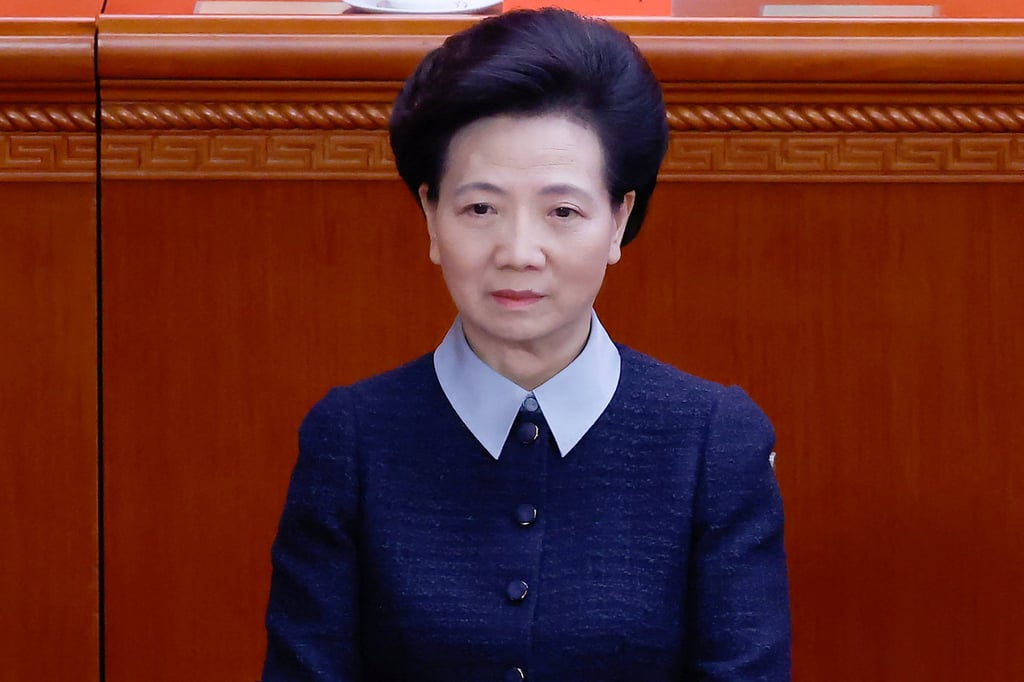
However, Shanghai’s Chen is the fourth member of the current Politburo to be ousted, which may make the central leadership reluctant to cause further disruption by moving regional party bosses around.
This is an extraordinary toll unmatched in over 30 years and adds a fresh element of uncertainty to how Beijing will select its crisis manager in Shanghai.
The steady-as-she-goes option
The other option – in line with the 2006 precedent – would be to let Shanghai’s current mayor Zhu Zhongming hold the fort and minimise disruption.
But Han Zheng, who took over 20 years ago, had spent almost his entire political career in Shanghai, while Zhu, a former vice-minister for finance, was only formally transferred to the city two years ago and named mayor at the end of September.
Long-term selection
Beijing will have more options when it comes to choosing the caretaker’s successor.
It is likely to go through a list of prominent regional party bosses who are members of the party’s Central Committee but have yet to clinch a seat on the Politburo.
01:21
Shanghai Communist Party chief Chen Jining placed under investigation
In that selection process, loyalty, age and track record could be the most critical factors when the party’s organisation department makes its recommendation.
Provincial party chiefs tipped by observers include Shaanxi’s Zhao Yide, 61; Liaoning’s Xu Kunlin, 61; Jiangsu’s Xin Changxing, 62; Zhejiang’s Wang Hao, 63; and Jiangxi’s Yin Hong, 63.
KioskNews shows a cleaned-up reading view extracted from the publisher’s page — the original always lives on their site, not ours.