The Tana Forum proves that Africa’s future must be forged through economic sovereignty - opinion

True regional integration cannot be achieved through diplomatic communiques alone; it requires physical infrastructure and shared stakes. This is where East Africa is quietly rewriting its script.
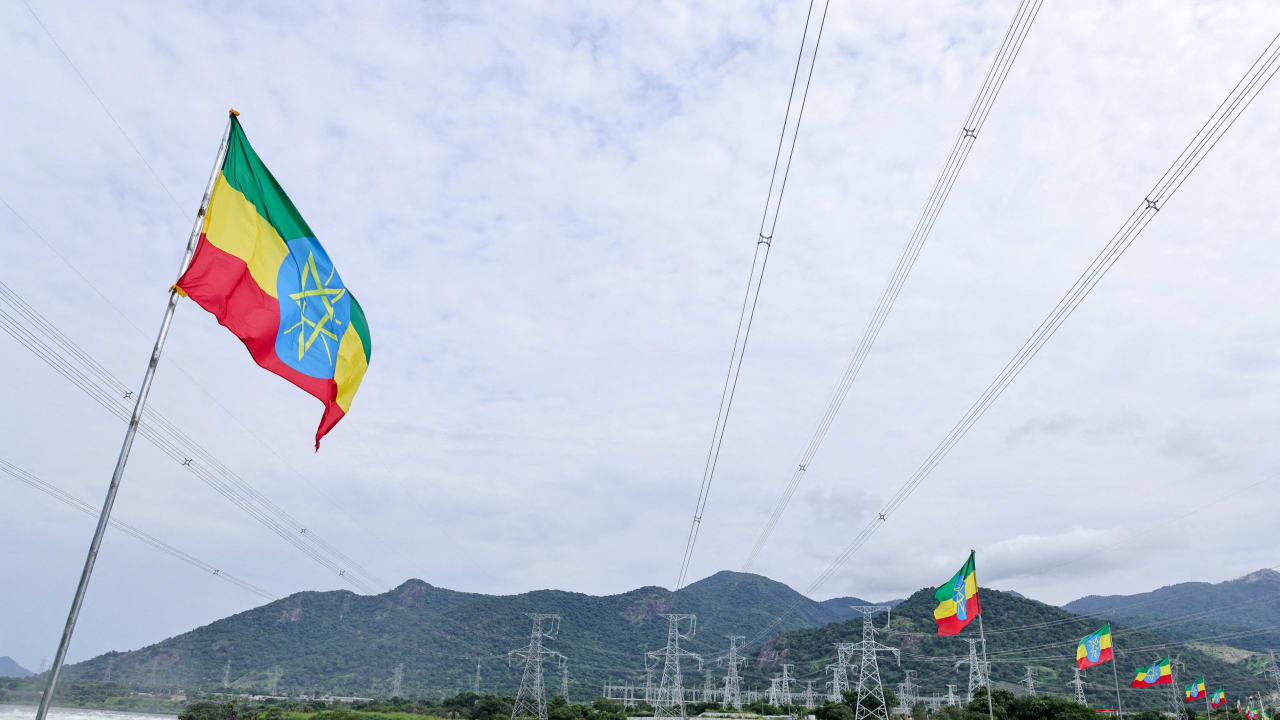
As global powers increasingly treat the African continent as a chessboard for geopolitical maneuvering, a quiet yet profound counter-narrative is taking root in the highlands of East Africa.
The recently concluded 12th Tana High-Level Forum in Bahir Dar, Ethiopia, served as a stark reminder that Africa’s destiny will neither be written in Western capitals nor dictated by foreign aid boardrooms.
Instead, it must be carved out through self-reliance, regional economic integration, and homegrown security architectures.
What made this year’s gathering stand out was not merely the high-level attendance – which brought together continental heavyweights, including the leaders of Ghana, Burundi, Mozambique, and Kenya – but the uncompromising clarity of the discourse.
Prime Minister Abiy Ahmed’s opening address cut straight to the heart of the matter: Africa can no longer afford to outsource its security and economic salvation to external actors.

From political independence to economic sovereignty
For decades, post-colonial Africa grappled with a fundamental paradox. Nations won the trappings of political sovereignty – flags, anthems, and seats at the United Nations – while remaining economically shackled to commodity-export models and international debt cycles that drained their wealth.
The discussions at the Tana Forum underscored a vital paradigm shift: Political freedom without economic sovereignty is a hollow shell.
When global supply chains fracture, and inflationary shocks ripple from Europe and Asia, the burden falls disproportionately on ordinary African households. To break this cycle, African nations must build tangible, cross-border economic interdependencies.
Ethiopia’s own trajectory offers a compelling case study.
By aggressively prioritizing domestic resource mobilization, agricultural transformation to secure food sovereignty, and major renewable energy initiatives – such as the historic completion of the Grand Ethiopian Renaissance Dam (GERD) – Addis Ababa has demonstrated that self-reliance is not a slogan but a policy.
When a nation plants 56.8 billion seedlings since 2019, gets more than 90% of its electricity from renewable sources, and powers its industries with its own sweat and capital, its posture in international negotiations fundamentally changes.
Energy diplomacy and the Horn of Africa
True regional integration cannot be achieved through diplomatic communiques alone; it requires physical infrastructure and shared stakes. This is where East Africa is quietly rewriting its geopolitical script.
Through robust cross-border electricity trading via the Eastern Africa Power Pool – supplying clean energy to neighbors like Djibouti, Kenya, Sudan, and expanding footprints into Tanzania and South Sudan – Ethiopia is pioneering a new brand of “energy diplomacy.”
By binding neighboring economies together through vital resources like electricity, conflict becomes prohibitively expensive, and cooperation becomes an indispensable survival mechanism.
Furthermore, the forum rightfully placed existential issues like maritime access and regional stability under the microscope. In an era marked by shifting Red Sea security dynamics, economic integration cannot be landlocked.
Rational discussions surrounding port access and trade corridors must be framed not as zero-sum geopolitical threats but as vital catalysts for shared regional growth and stability.
The climate imperative and the road ahead
As the world looks toward upcoming global milestones – including Ethiopia’s prospective hosting of the COP32 climate summit in January 2027 – the urgency of African climate agency cannot be overstated. The continent contributes the least to global carbon emissions yet suffers the most devastating shocks to its agricultural systems.
The Tana Forum sent a unified signal: International climate finance must move past empty promises and deliver direct adaptation support to the smallholder farmers and pastoralists who anchor Africa’s food security.
Ultimately, the 12th Tana Forum proved that when African leaders gather away from the glare of traditional Western mediation, they are fully capable of diagnosing their own structural vulnerabilities and charting pragmatic solutions.
The message echoing from the shores of Lake Tana is crystal clear: Africa’s renaissance will not be handed down as charity.
It will be built by Africans – through the power of our rivers, the resilience of our economies, and an unwavering commitment to a sovereign, interconnected future.
The author is an Addis Ababa-based international relations professional and researcher specializing in Horn of Africa geopolitics.
KioskNews shows a cleaned-up reading view extracted from the publisher’s page — the original always lives on their site, not ours.