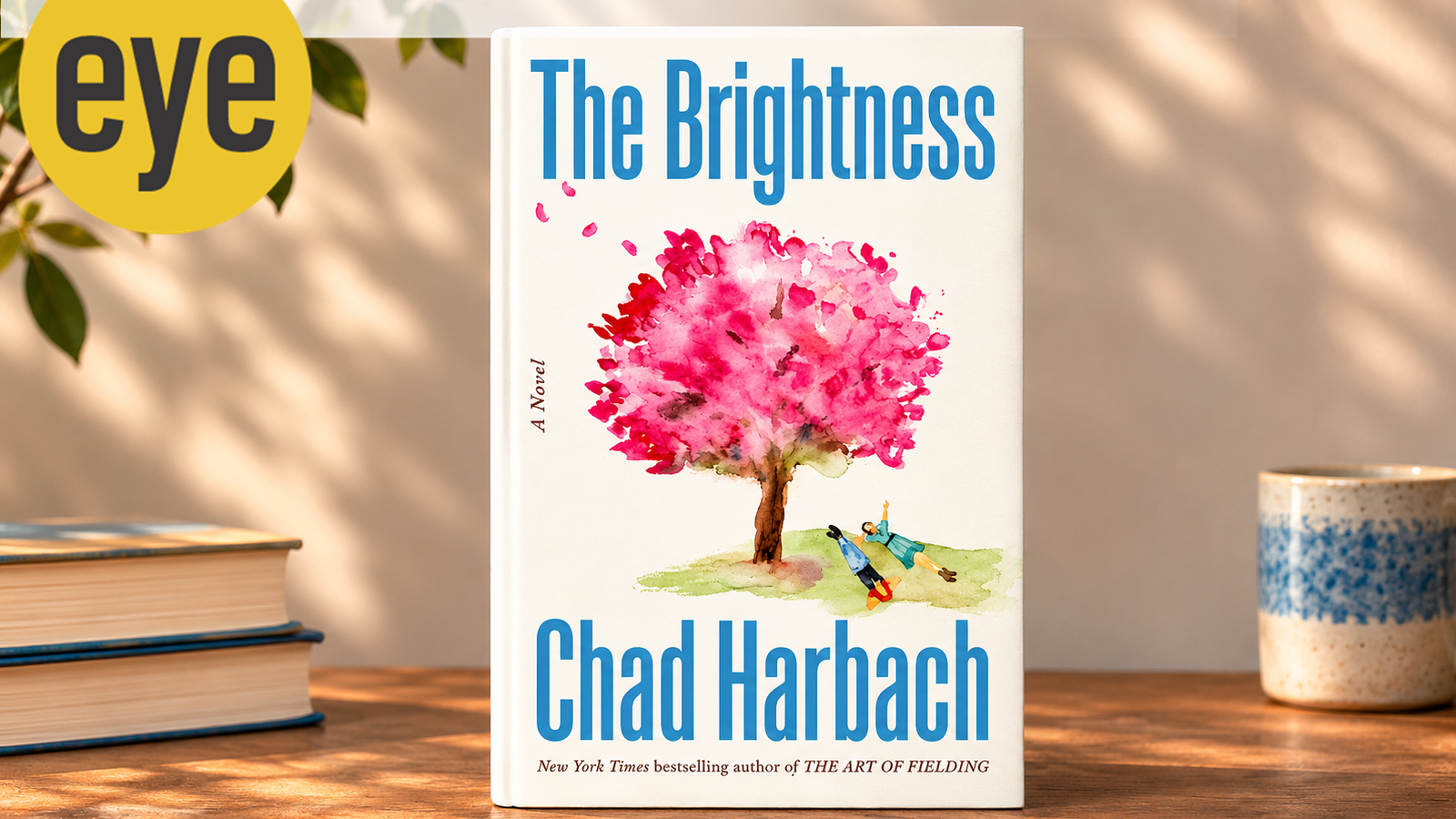
Chad Harbach’s The Brightness unpacks the joys and anxieties of student life
For better or worse, early adulthood looms large in our collective imaginations; the unrequited crushes, a new social life and of course, the beginning of the never ending quest to figure out who we might become.
Those carefree years in college surrounded by friends provide a unique blend of freedom and learning, acting as a foundational chapter of our life stories. Ah, to be at that magical age when one innocently believes, anything is possible! It’s a profoundly impactful time that remains enshrined in our memories and may be nostalgically relived by reading The Brightness, a big, sprawling novel that traverses all the joys and pains of student life.
Chad Harbach’s 2011 debut book The Art of Fielding was set at the fictional Westish College in the US, situated on the shores of Lake Michigan. Steeped in baseball analogies, it was a huge success, its other themes of male friendship and the slow unraveling of a self sabotaging young woman, Pella, providing respite from too much sporting detail. The Brightness, set four years later, is a campus novel too, a sequel, credit to Harbach, that it’s just as enjoyable if you haven’t read The Art of Fielding. One thread takes the story of Pella further, who is keen to put her wild child days behind her. A reluctant graduate and a recently engaged divorcee, she is scared of facing the real world, hiding behind the chores of her new-found domesticity. Pella’s best friend, Irma, six years younger, is a scholarship student whose beguiling innocence masks her inner confusion as she negotiates her way among a new generation of undergraduates. The issues that plague every 21-year-old — How should we live? What should we do? What is the balance between ambition and goodness? — questions imbued with deep anxiety in those formative years between adolescence and adulthood unspool energetically across almost 700 pages.
Pella and Irma take reading classes together, dissecting characters created by authors like Edith Wharton to make sense of contemporary womanhood. In an age of memes and reels, when reading big, difficult books is almost an endangered hobby, it is heartening to see this exploration of classics as an answer to existential emptiness which, for previous generations, was a comforting rite of passage en route to self-becoming. Pella relates to Lily Bart, the tragic heroine of House of Mirth, whose ambitions shatter her future. Like Lily, Pella has no career. The precocity of her teenage years where she hurtled between dating 18-year-olds at 14, eventually dropping out of school to elope, had come back to haunt her at 25.
Harbach is a careful observer, not only of the changing fall colours and the poetic autumn light in Westish College in September but also of the turmoil of somewhat lost 20-somethings. “The guiding principle of her life, it seemed, had been to stay ahead of everyone. But she was not first anymore. By speeding ahead, she had fallen behind.”
Starting again after a wasted decade, a non-traditional student, Pella was far from feeling precocious. On a good day, she managed to be tentatively hopeful remembering that Herman Melville only took up writing in earnest at 25. She took solace in her favourite Melville quotation, “Since then, scarcely a week has gone by when I do not feel myself unfolding within myself.” The idea that time wasted is experience gained doesn’t carry much traction in our fast-paced, dog-eat-dog world. Though its true that one can evolve into being at any age, Harbach evocatively notes, “This inspiring conceit was as depressingly masculine in the 2010s as it had been in the 1880s. Men were allowed, encouraged, to be late bloomers. Women had better bloom, bloom, bloom.”
Irma, meanwhile, finds herself embroiled in subversive political action on campus after two of her accomplices apply tattoos saying “Rape Victim” on drunk, passed-out male athletes’ foreheads. What started as a feminist protest against campus rape (they call themselves the Witches of Westish) becomes a viral story covered by Fox News.
Set before the global MeToo movement, the social dynamics at the time didn’t make champions of the pranksters, and the prank threatens to ruin Irma’s brilliant future. The fact that this book has released after recent events at Cornell University lends it a particular poignance; is sexual assault part and parcel of the college experience?
Nevertheless, The Brightness captures the 20s vividly when people shed and create new identities, those few, exciting, fast years replete with possibilities before our choices force us to take a singular path.
KioskNews shows a cleaned-up reading view extracted from the publisher’s page — the original always lives on their site, not ours.