Stocks and bonds rally after Fed hikes rates and oil prices fall
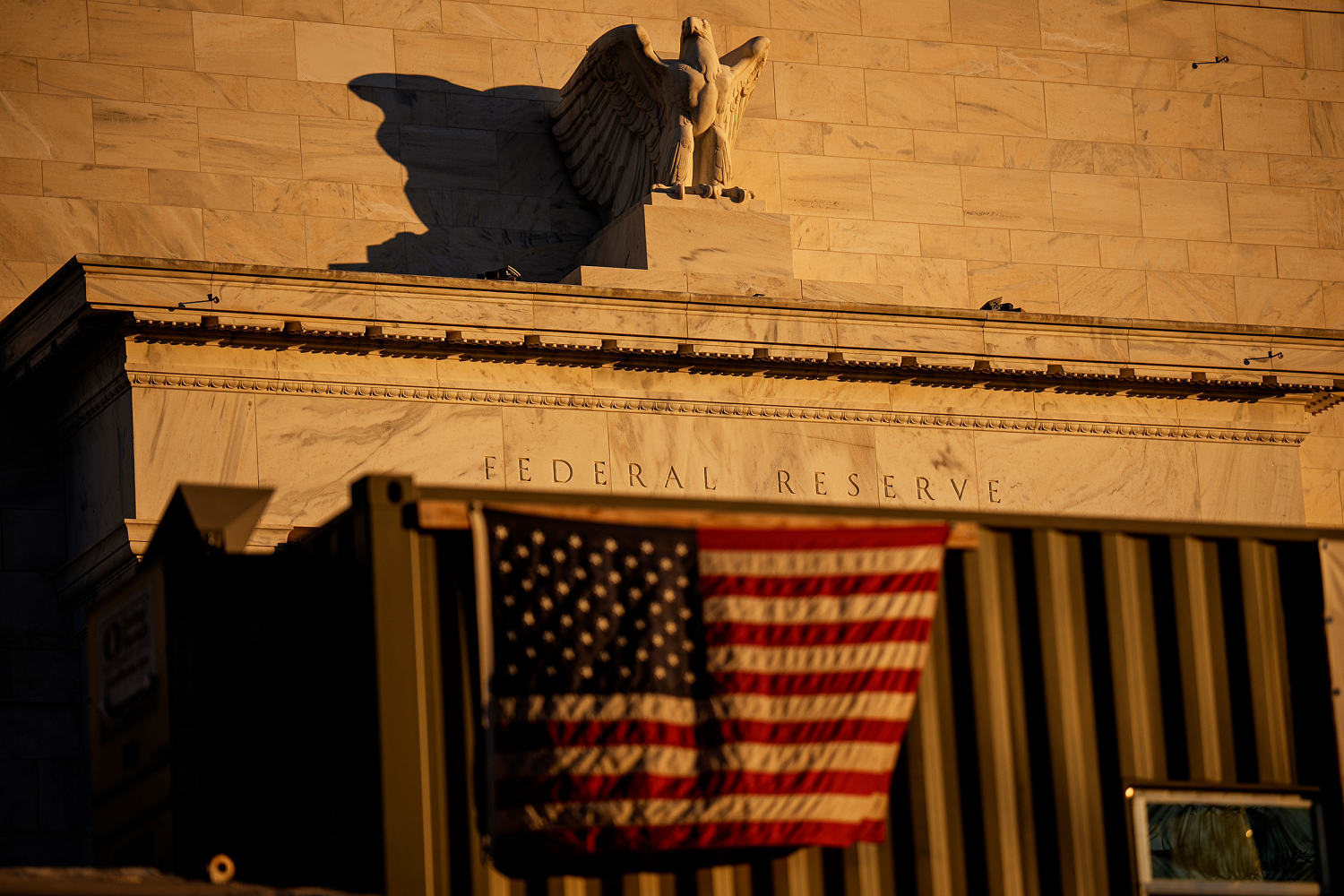
U.S. stock indexes rose sharply Thursday morning, after the Federal Reserve hiked interest rates in a bid to rein in rising inflation.
In early trading, the S&P 500 soared 1.2% while the Nasdaq Composite surged 1.6%. The Dow Jones Industrial Average rose 450 points, or 0.9%. The Russell 2000 index, which tracks small and midsize companies, rose 1.5%.
The jump in stocks also came alongside a rally in bonds, sending their yields lower, as the price of oil declined for a second straight day. U.S. crude oil briefly fell below $100 per barrel for the first time since Sept. 11 and Brent crude fell to as low as $101 after just two days earlier hitting $109.
There was also positive economic news in latest jobless claims report, which showed that filings for unemployment claims declined to the lowest since July. However, this data could be an outlier because last week was a short holiday week.
U.S. Treasury bond yields fell as stock markets rose. After touching 5.02% on Wednesday, the 10-year Treasury yield declined to 4.96%. The 30-year yield declined to 5.31% after hitting 5.36% a day earlier.
Bond yields around the world also eased further after the Bank of England declined to raise interest rates and canceled plans to sell a tranche of longer-dated bonds.
The move across assets appeared to be helped by a renewed confidence in the Fed and its new chairman, Kevin Warsh. After Warsh’s first few speeches and statements sent bond yields soaring to multi-decade highs and confused investors, Warsh’s Wednesday press conference drew praise for its clarity.
“Warsh’s press conference was coherent, confident and consistently hawkish without coming across as crazily so,” wrote Evercore ISI’s vice chairman Krishna Guha.
In central banker speak, hawkish typically refers to an official who supports higher rates to keep inflation in check.
“The Warsh Fed defied the Trump administration and preserved its credibility by following through on earlier signals” that it would hike rates, wrote ABN-AMRO economist Rogier Quaedvlieg in a report Thursday morning.
Warsh “threaded the needle very well,” wrote Northlight Asset Management chief investment officer Chris Zaccarelli.

Meanwhile, oil’s decline was largely attributed to a report overnight that President Donald Trump would likely discuss the Iran war with Gulf leaders next week at the United Nations General Assembly’s high level meeting in New York.
Saudi Arabia is also reportedly making progress restoring up to half of its East-West oil pipeline capacity after the key artery was shuttered following an attack on the critical energy asset. The pipeline could be back in service within days, Bloomberg News reported.
NBC News was not able to immediately confirm the reporting.
Still, oil prices remain sharply elevated since the start of the year. U.S. and Brent crude oil prices are both trading at more than 65% higher.
Retail gasoline prices climbed again Thursday by seven cents to a national average price of $4.43 per gallon. Diesel prices also continued their surge, with the AAA national average jumping eight cents to $6.39 per gallon The average price of diesel is now up 93 cents from a month ago.
Yet Thursday’s market optimism could be short lived. Fed officials warned Wednesday that the central bank likely needs to hike rates again before the end of the year. They also forecasted another potential hike early next year.
Additionally, on Thursday evening, the Bank of Japan is widely expected to raise rates. Higher rates can often ripple across the global bond market.
KioskNews shows a cleaned-up reading view extracted from the publisher’s page — the original always lives on their site, not ours.