Annual 3-month sardine fishing ban starts in Zamboanga Peninsula

PAGADIAN CITY – The annual three-month closed fishing season for sardines commenced on Sunday across fishing grounds in the Zamboanga Peninsula, a practice now running for 16 years to allow fish stocks to replenish during their peak spawning period.
Ahead of the ban, the Department of Agriculture–Bureau of Fisheries and Aquatic Resources (DA-BFAR) in Region 9 held a send-off ceremony for the closed sardines fishing season on Saturday at the Ben Go Wharf in Barangay Baliwasan Seaside, Zamboanga City.
Initiated in 2011, the annual conservation measure prohibits the catching, buying, selling, and transporting of sardines within the East Sulu Sea, Basilan Strait, and Sibuguey Bay.
Article continues after this advertisement
READ: BFAR gears up for sardine fishing ban in northeastern Mindanao
FEATURED STORIES
NEWSINFO
NEWSINFO
NEWSINFO
Representing BFAR national director Elizer Salilig, Al-Zath Kunting, BFAR-9 regional director, underscored the need to balance marine resource protection with addressing the socioeconomic needs of fishing communities.
Salilig noted that sardines remain a vital source of food and livelihood for Filipino families and serve as a major economic driver for the Zamboanga Peninsula.
Citing data from the National Stock Assessment Program (NSAP), Salilig reported that sardine landings rose by 33.5 percent, climbing from roughly 150 million kilograms (kg) in 2023 to 226 million kg in 2024. From 2018 to 2024, cumulative landings in the region surpassed one billion kg.
Recognizing the temporary economic displacement faced by fisherfolk, cannery workers, and traders during the three-month hiatus, Salilig called on local government units (LGUs) and partner agencies to sustain alternative livelihood programs.
Article continues after this advertisement
Zamboanga City is the “Canned Sardines Capital of the Philippines,” hosting about a dozen major canning factories that supply 80 percent of the country’s canned sardines. The city’s canned sardines industry employs 30,000 workers in the canneries, tin can factories, fishing fleets, warehouses, and delivery logistics.
READ: 3-month sardine fishing ban in Sogod Bay starts Dec. 1
Article continues after this advertisement
Besides canned sardines, Zamboanga Peninsula’s sardine stocks also fuel the bottled sardines industry in Zamboanga del Norte, mostly by micro, small, and medium enterprises, many of which target the overseas gourmet market.
Salilig underscored the crucial role of maritime law enforcement in patrolling the restricted waters and ensuring strict compliance with the annual sardine fishing ban.
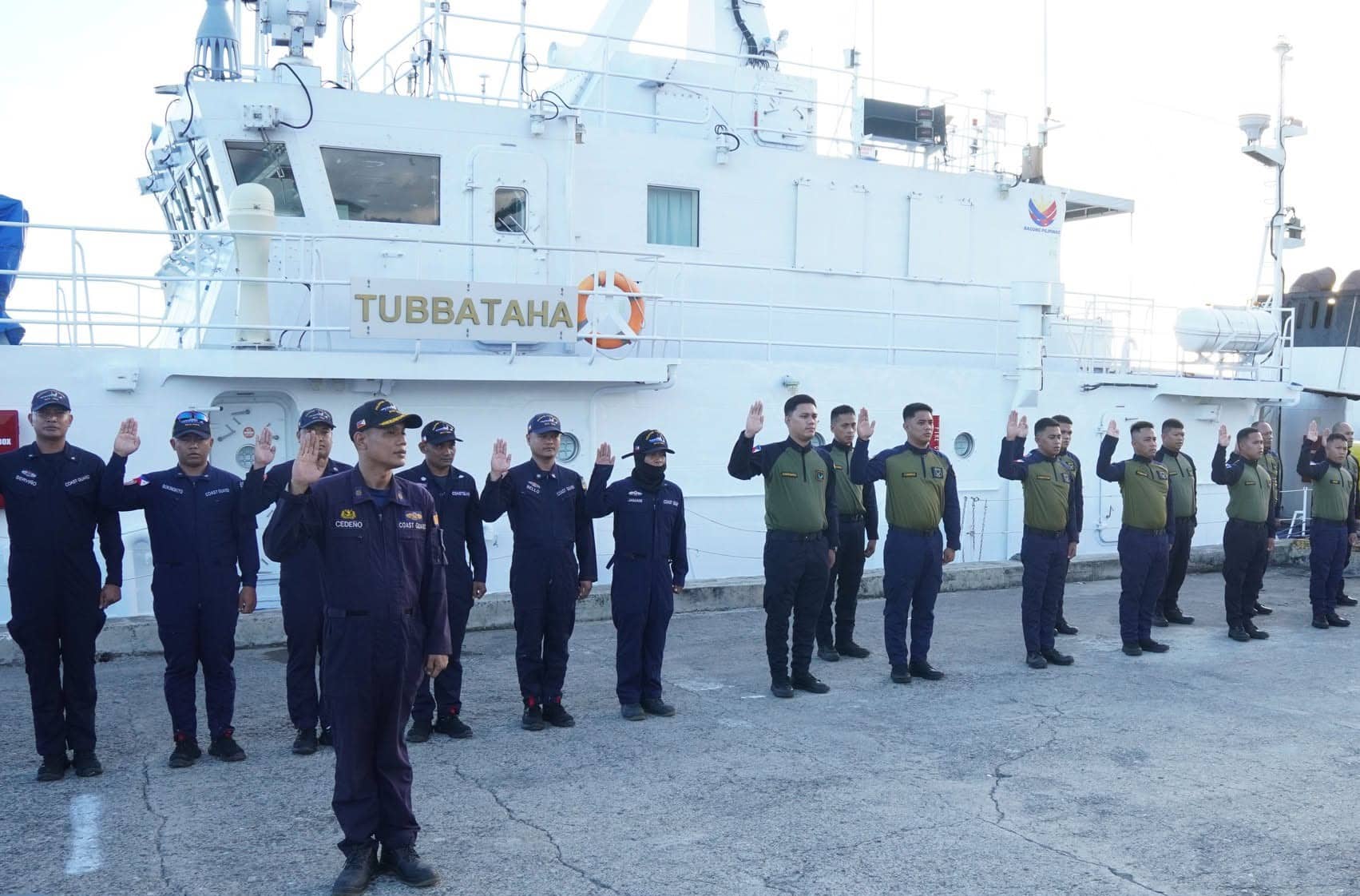
During the ceremony’s second segment, Kunting administered the oath-taking of the officers and crew of the DA-BFAR MCS 3004 and the DA-BFAR Multi-Mission Patrol Boat, which will spearhead seaborne monitoring operations throughout the closure.
Zamboanga Peninsula’s waters host several commercially important sardine species, including Sardinella lemuru (Bali sardinella), Sardinella gibbosa, Sardinella fimbriata, Amblygaster sirm, Dussumieria acuta, Herklotsichthys dispilonotus, and Herklotsichthys quadrimaculatus.
Kunting reminded fisherfolk, traders, and processors to strictly observe the fishing moratorium to ensure the long-term sustainability of the region’s sardine industry.
READ: Closed fishing season may trigger price hike, supply issues – Pamalakaya
Your subscription could not be saved. Please try again.
Your subscription has been successful.
Various national government agencies and local government units reaffirmed their commitment to enforcing the ban./coa
KioskNews shows a cleaned-up reading view extracted from the publisher’s page — the original always lives on their site, not ours.