Mayan chieftain named ‘Bat’ ruled over an isolated jungle city
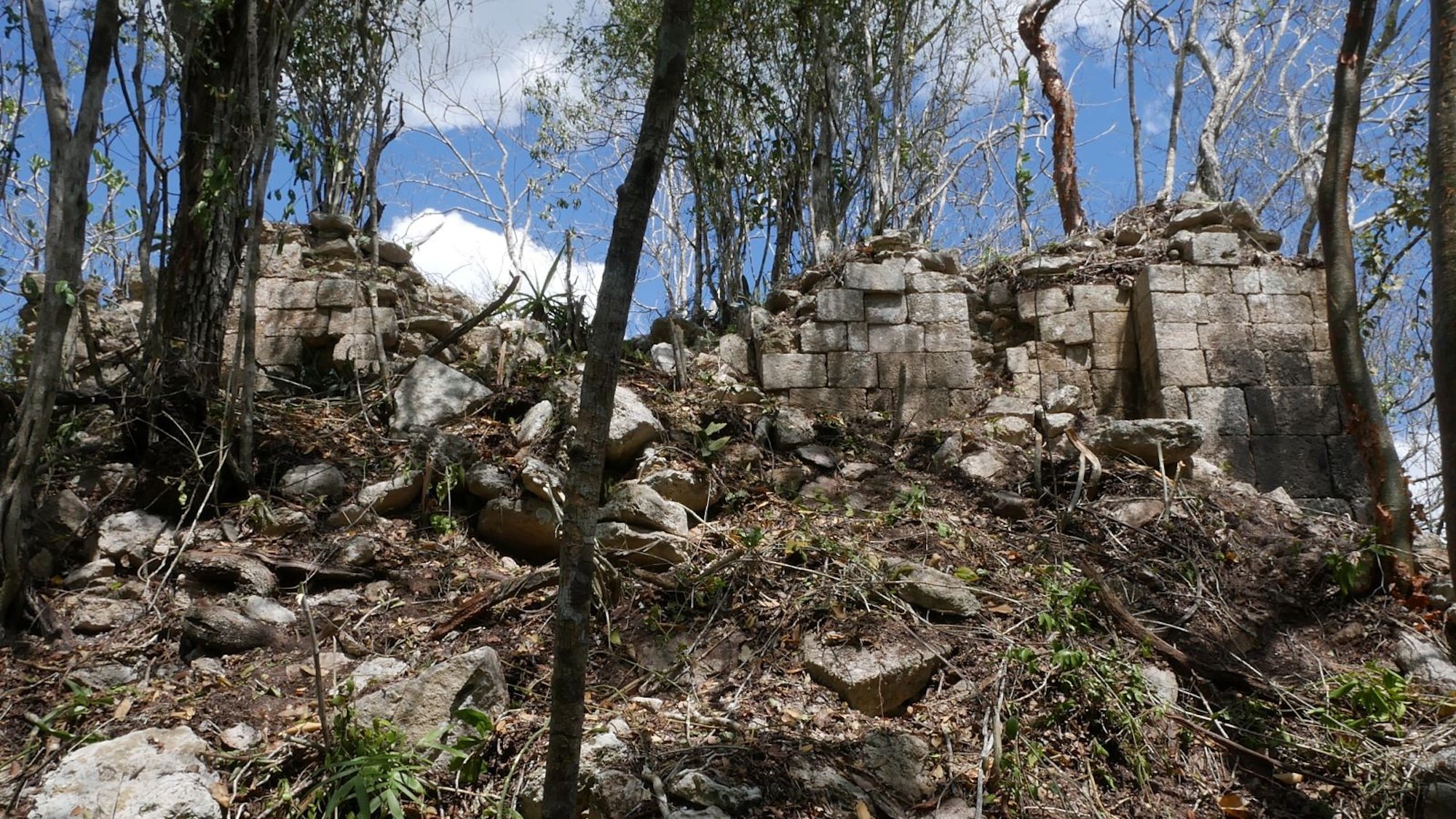
Violent disputes between neighbors and a king named “Bat.” These and other new details about a recently rediscovered, ancient Maya city located in the remote tropical forests of southeast Mexico are beginning to come to light. The approximately 37-acre settlement is so inaccessible that archaeologists initially nicknamed the site Minanbé, or “there is no road” in Yucatec Maya. Despite a challenging journey to the site, researchers have identified multiple building remnants dating back at least 1,100 years. Historical records also indicate heated regional conflicts, and even a local chieftain’s animal-inspired name.
The Mayan Late Classic community was only discovered in May 2026 in the Mexican state Campeche, which shares its southern border with Guatemala. Subsequent hieroglyphic translations from National Autonomous University of Mexico archaeologist Octavio Esparza Olguín, suggest the city’s residents called their settlement Sakil, a Maya term relating to “whiteness.”
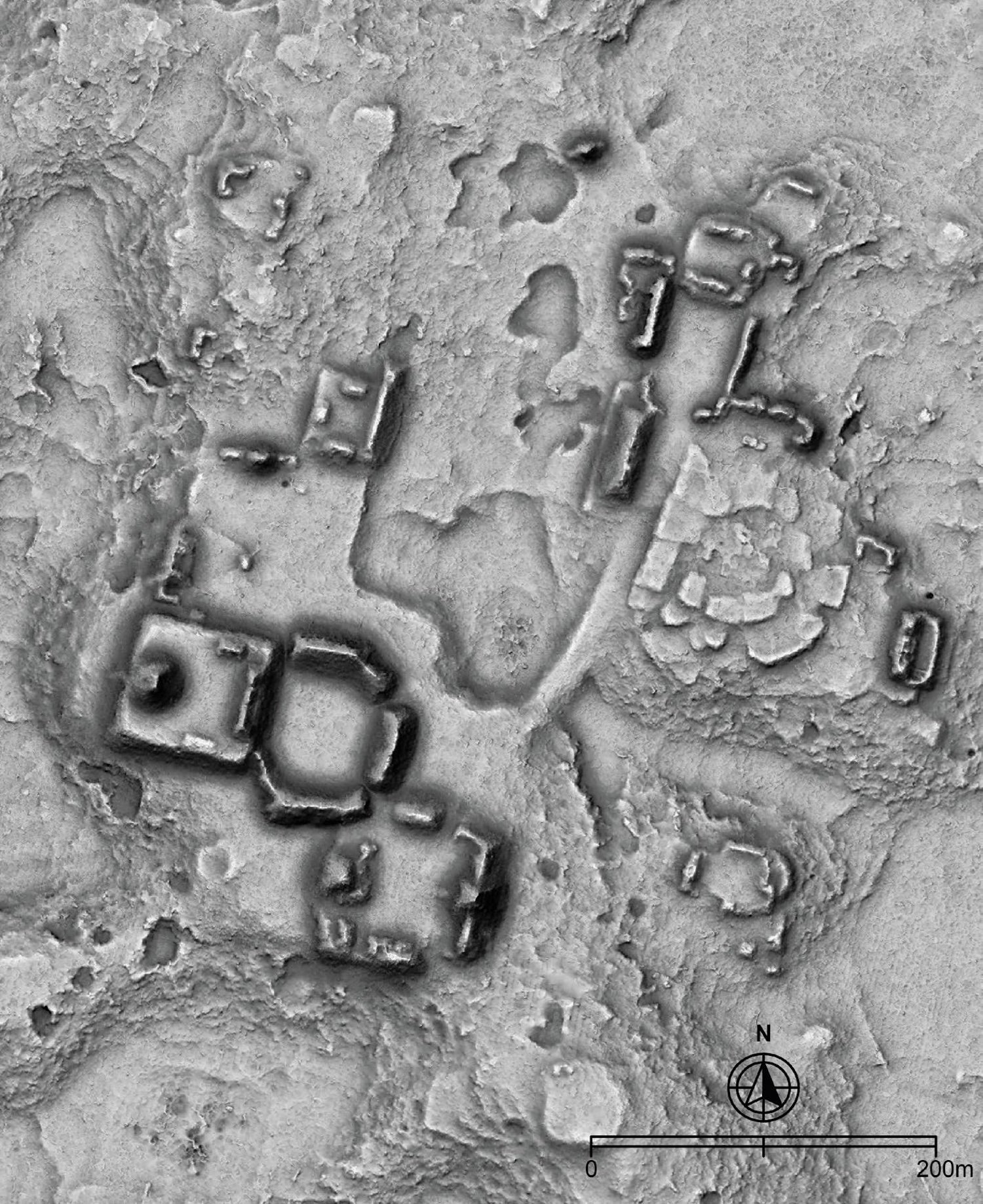
Located north of the Calakmul Biosphere Reserve, Minanbé’s surviving structures include religious facilities, palace structures, plazas, water-management systems, and even a nearly 43-foot-tall pyramid. However, archaeologists identified more than architectural features here. After examining 14 pillars and altars, researchers uncovered hieroglyphic records of a violent conflict between Sakil and a rival Mayan hub, Ocomtún. One particular monument’s carved relief depicts a captive lying on his stomach with his wrists tied and head turned sideways. Nearby inscriptions explain the individual was once a resident of Minanbé.
Hieroglyphics on other pillars memorialize a specific regional ruler (kalo’mte’) named Suutz’, which means “bat” in Yucatec Maya. Associated imagery depicts a ruler wearing decorative clothing, sandals, and a detailed headdress. Combined with additional signage, Esparza Olguín and his colleagues believe Suutz’ was a powerful chief who wielded a large amount of authority over Sakil’s residents.
Although the latest archaeological discoveries imply some type of military conflict between Sakil and Ocomtún, it’s still unclear if the problems occurred during the Suutz’ reign. Still, the recent excavations have revealed a great deal in a short amount of time. With more work, the team hopes to learn more about the recently rediscovered settlement, and its residents’ relationship to the world around them.
KioskNews shows a cleaned-up reading view extracted from the publisher’s page — the original always lives on their site, not ours.