‘Carrie’ Signals an Even Bigger Issue With Mike Flanagan's Streaming Hits

Dyah (pronounced Dee-yah) is a Senior Author at Collider, responsible for both writing and transcription duties. She joined the website in 2022 as a Resource Writer before stepping into her current role in April 2023. As a Senior Author, she writes Features and Lists covering TV, music, and movies, making her a true Jill of all trades. In addition to her writing, Dyah also serves as an interview transcriber, primarily for events such as San Diego Comic-Con, the Toronto International Film Festival, and the Sundance Film Festival.
Dyah graduated from Satya Wacana Christian University in October 2019 with a Bachelor's degree in English Literature, concentrating on Creative Writing. On March 2026, Dyah graduated with Master's degree in English Literature Studies, with a thesis on intersectionality in postcolonial-feminist studies in Asian literary works.
Born and raised between Indonesia and Singapore, Dyah is no stranger to different cultures. She now resides in the small town of Kendal with her husband and four cats, where she spends her free time cooking or cycling.
Sign in to your Collider account
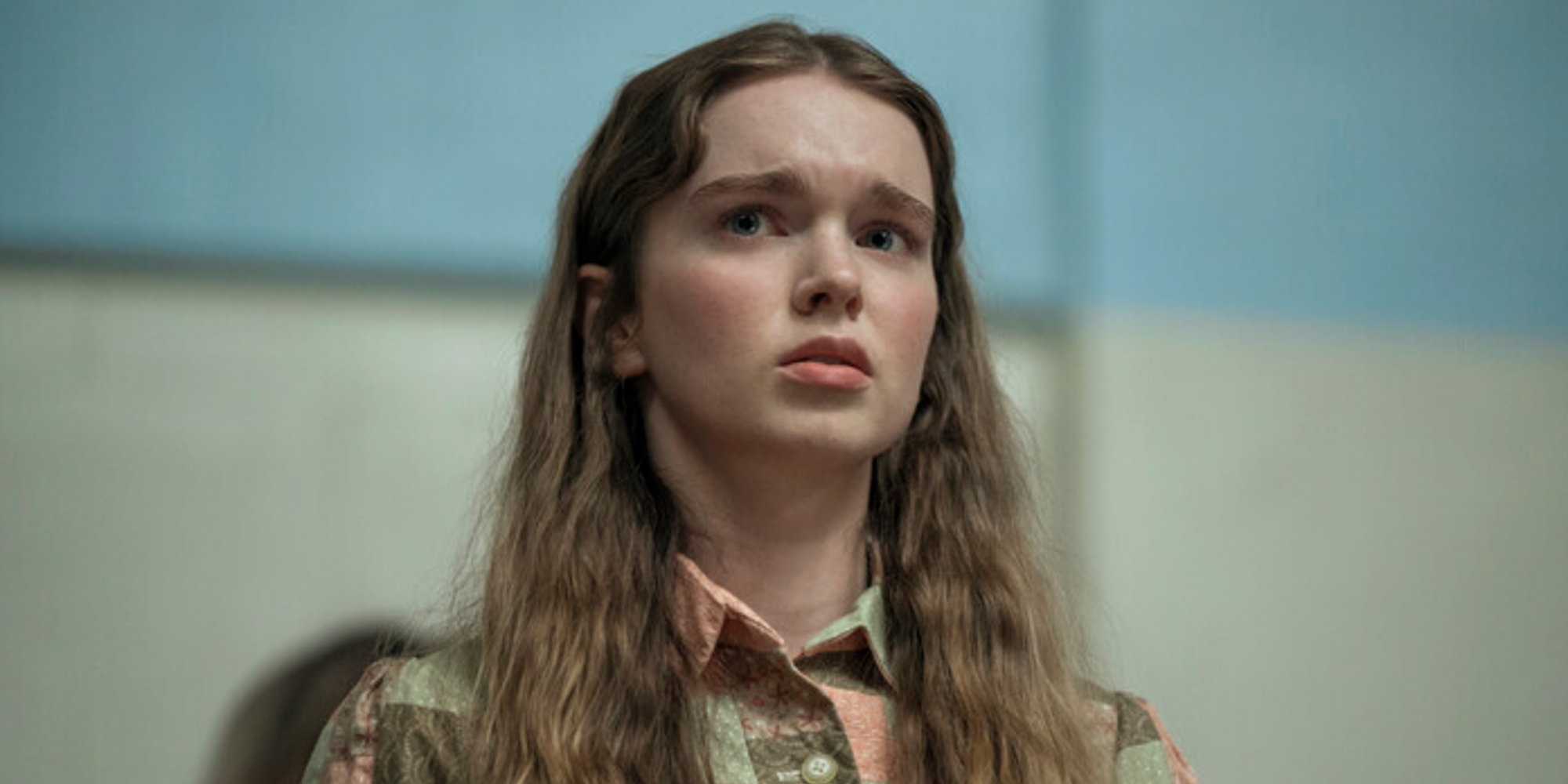
Nearly 50 years after the original movie premiered, Carrie finally returns for the streaming era. Based on Stephen King’s debut novel, Mike Flanagan’s Carrie largely follows the premise established by both the book and the Brian De Palma horror flick. After being sheltered at home throughout her childhood, Carrie (Summer H. Howell) must finally attend high school as a teenager following her father’s untimely death. A court order makes school attendance a condition for her mother, Margaret White (Samantha Sloyan), to maintain custody of her.
Whether it’s 1976 or 2026, high school apparently hasn’t changed that much, except that kids now pay more attention to cell phones and social media. But that’s not the only change Flanagan has made to his adaptation. Unfortunately, not all changes are good. If anything, they highlight Flanagan’s shortcomings when he attempts to go big and bold, even though his greatest strength has always been keeping things small and personal.
Where Did Mike Flanagan’s 'Carrie' Go Wrong?
Flanagan’s Carrie includes one major change from the original: its documentary-style format. Early in the series, survivors of Carrie’s prom massacre are interviewed shortly after the incident, offering their testimonies about Carrie and what happened that night to an unknown figure who appears to be a journalist — later on revealed as Adelaide (Kate Siegel). These interviews are then spliced throughout the series, giving the story a true-crime documentary feel. At first, the format might seem like nothing more than a stylistic choice from Flanagan. But the documentary structure is only the beginning of the series’ larger attempt to expand the Carrie and King mythos. And in doing so, the show sometimes becomes more concerned with connecting Carrie to a larger universe than with effectively delivering the story’s initial, central message.
Collider Exclusive · 8 Questions · 2 Minutes What Is Your Biggest Horror Nightmare? Elm Street · Chucky · Scream · The Conjuring
Four horror franchises. Four completely different ways of scaring you. One waits until you fall asleep. One makes sure nobody believes you. One is already in your group of friends. And one is in the house with your family. Answer eight quick questions about how you actually watch horror, and find out which nightmare was built for you.
😴Elm Street(Freddy Krueger)
🧸Chucky(Child's Play)
📞Scream(Ghostface)
🕯️The Conjuring(The Warren Files)
01
Which horror scene makes you cover your eyes? Four classic images. One of them is worse than the others for you.
02
You are home alone and you hear a noise. First thought? Everybody has one. It arrives before you have decided anything.
03
Which horror movie rule would you break first? Everybody thinks they would survive. Almost nobody actually does.
04
Something genuinely frightening happens. What do you do? Not in a film. In your actual living room, tonight.
05
How do you actually watch a horror film? Be honest about this one. Nobody is checking.
06
Somebody offers you serious money. Which do you still refuse? The amount does not matter. There is one on this list you are not doing.
07
Which feeling stays with you a week after the film? Good horror does not stop when the credits do.
08
Something wakes you at 3am. What is the worst possibility? Eight questions in, this is the one that decides your nightmare.
The Lights Just Went Out Your Nightmare Is…
Four franchises, four completely different ways of getting underneath your skin. This is the one built out of your particular fear, why it works so well on you, and what it would leave behind.
Elm Street
Your nightmare does not wait outside the door. It waits for you to close your eyes, which you are going to have to do eventually, because nobody has ever won that particular argument.
- Freddy is horror's cruellest idea: a threat that lives in the one place you cannot guard, cannot lock, and cannot avoid forever.
- You are the one who is fine during the film and wide awake at two in the morning. Your own head is where this does its damage.
- These films understood exhaustion as a horror engine. The kids on Elm Street do not lose because they are weak. They lose because they are tired.
- You can lock every door in the house. You still have to sleep.
Chucky
Your nightmare is not really the doll. It is the face of the person you tell, and the way they decide, very kindly, that you have imagined all of it.
- Chucky works precisely because he is absurd. That is the trap: the more accurately you describe him, the less anybody is going to believe you.
- You are the one shouting at the screen because the characters are not listening. You know that feeling from real life too.
- The franchise is at its best when the adults in the room are the real obstacle, and you have met those adults.
- By the time somebody finally believes you, you will have handled most of it on your own.
Scream
Your nightmare has your number, knows your name, and has almost certainly been inside your house before. The worst part is that you already know them.
- Scream is the only one of these where the killer takes the mask off and turns out to be somebody who was at the party.
- You are the person who calls the twist out loud before it lands. You watch people the same way you watch films.
- The franchise made the rules of horror part of the plot, which means the survivors are the ones paying attention. You would be paying attention.
- Everybody is a suspect, including the person who just offered to walk you home.
The Conjuring
Your nightmare is not really about you. It is about the people asleep down the hall, and the feeling that whatever is here is not interested in leaving.
- The Conjuring films are domestic horror. The house, the family, the perfectly ordinary room that quietly stops feeling ordinary.
- Your instinct is to get everybody into one room. Your fear is protective rather than personal, which is rarer than it sounds.
- This is the one franchise where belief is the weapon. The people who come through it are the ones who are not alone and refuse to be.
- Whatever is here did not come for you. It came for the household, and you are the one standing in the hallway.
The unusual documentary style in Carrie eventually becomes part of a larger subplot involving Carrie, her new best friend Emaline, and the interviewer, Adelaide. Both characters possess supernatural abilities and take an interest in Carrie’s growing powers. The finale makes the expansion even clearer, as Carrie wakes up in a car with Emaline, who drives her somewhere unknown. In the final episode, Adelaide’s reference to the “shine,” a psychic ability associated with The Shining, directly suggests that Carrie’s powers are part of the same supernatural world as other King stories, including The Institute and The Dark Tower. These additions push the series beyond its original story and further into King’s wider supernatural mythos.
Mike Flanagan’s Biggest Weakness Is His Need To Expand Original Mythos
However, by expanding Carrie into a larger supernatural universe, Flanagan risks losing sight of the character’s tragedy, especially when the brutally realistic modern high school setting makes Carrie’s pain all the more palpable. There’s no better example than his take on the infamous prom massacre, which is the heart and soul of Carrie. In the original story, the carnage is a horrifying culmination of the cruelty Carrie has endured. However, in Flanagan’s version, Emaline uses her supernatural abilities to take control of Carrie’s body and carry out the carnage through her. This creative decision shifts the focus away from Carrie’s gut-wrenching experience on the one night she’s supposed to feel free and happy. With Emaline in control, the scene loses much of its emotional impact. Instead of focusing on Carrie’s breaking point, the story shifts toward Emaline and Adelaide’s involvement in her powers and the wider King universe.
Carrie isn’t the first time Flanagan has attempted to expand a story beyond its original limits. The heavily criticized and now-cancelled The Midnight Club crams as much lore as possible into just 10 episodes. Unlike Carrie, which is based on one novel, the Netflix series draws from eight books, including the original 1994 novel. As a result, the story becomes convoluted, juggling the teens’ individual scary stories, their personal grief, and a mysterious cult supposedly capable of healing them. This ambition creates an uneven balance between the storylines, while the attempt to connect everything into one overarching conspiracy ultimately overshadows the teenagers’ grief and personal struggles.
Mike Flanagan Is at His Best With Self-Contained Shows Like 'Midnight Mass' and 'The Haunting of Hill House'

Ironically, Flanagan seems to work best when he has more constraints, particularly when adapting a single novel or telling a self-contained story in a limited series format. The Haunting of Hill House follows the Crain family from childhood in a haunted home to the trauma and broken relationships that linger into adulthood. With Shirley Jackson’s novel as its sole source material, Flanagan can narrow down on how these experiences shape the Crains’ lives, saving the mystery for the final episodes. Midnight Mass takes a similarly concentrated approach. Inspired by Flanagan’s personal past, it carefully develops its characters while exploring the conflict between religious faith and disbelief. Without a larger universe to connect to, both series keep the focus on the people, the horror, and how they intersect.
Building an on-screen King universe isn’t the same as building the DC or Marvel universe. King’s work has always been more about the people involved than the mysteries surrounding their powers. Psychic abilities would feel shallow without the people caught up in them, with their traumas shaping how their supernatural powers manifest. The same goes for Carrie, where her years of abuse add nuance to the violence she unleashes. By evolving her story into a larger “league of psychics”-style plot, Flanagan risks reducing Carrie to her telekinesis rather than the traumatized young girl behind it. At the end of the day, Flanagan needs to remember the misunderstood, misjudged, and mistreated teen at the center of Carrie, not just the universe surrounding her.
- Release Date
- 2026 - 2026-00-00
- Network
- Prime Video
- Showrunner
- Mike Flanagan
- Directors
- Mike Flanagan, Axelle Carolyn, Hiromi Kamata, Kate Siegel, Kyra Sedgwick
- Writers
- Mike Flanagan, Alexandra Magistro, Justina Ireland, Jamie Flanagan, Elan Gale, Rebecca Klingel, Elizabeth Padden, Dani Parker
-

Summer H. Howell
Carrie White
-

Samantha Sloyan
Margaret White
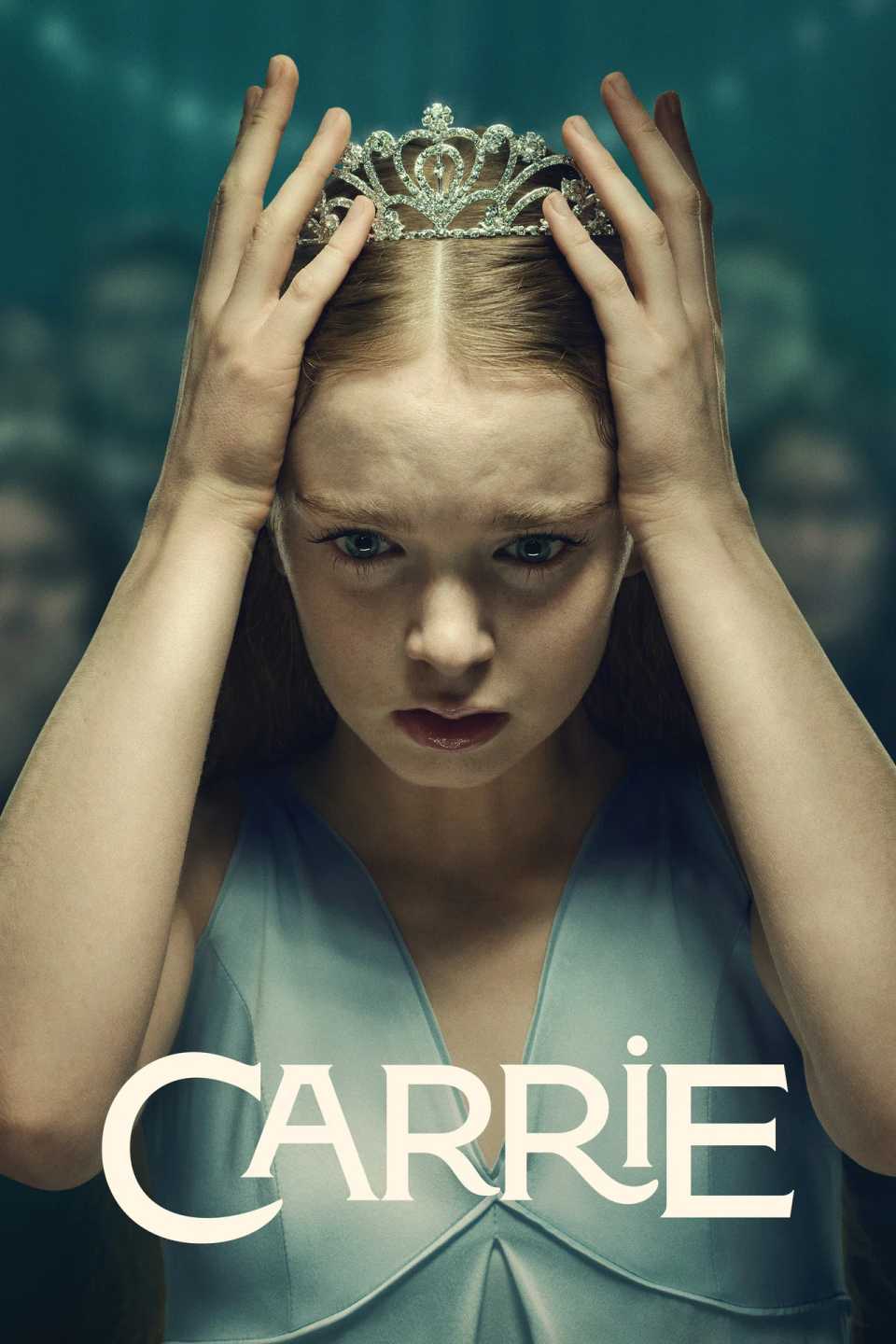
Carrie White struggles through school life after her father's passing in this new adaptation of Stephen King's classic novel. The challenges she faces include bullying, a domineering mother, and the the development of her telekinetic abilities.
KioskNews shows a cleaned-up reading view extracted from the publisher’s page — the original always lives on their site, not ours.