The Odyssey's Digital Release Proves Nolan's Commitment To Theaters

Sky Blanton is a Movie Contributor at ScreenRant with professional experience covering movies, television, and pop culture. Her published work spans news, interviews, features, and opinion pieces, with a focus on film, franchise storytelling, and the entertainment industry.
She earned her bachelor's degree in Communications with a concentration in Professional Writing and a minor in Business Writing from Southern New Hampshire University.
Sign in to your ScreenRant account
Christopher Nolan has never been shy about his preference for the big screen, and the release of The Odyssey has given him another opportunity to demonstrate just how seriously he takes the theatrical experience. Despite the growing popularity of streaming and increasingly short theatrical windows, Nolan's latest blockbuster has spent four months exclusively in theaters before becoming available to watch at home. It's another example of the director sticking to his principles, even as the movie industry continues to change around him.
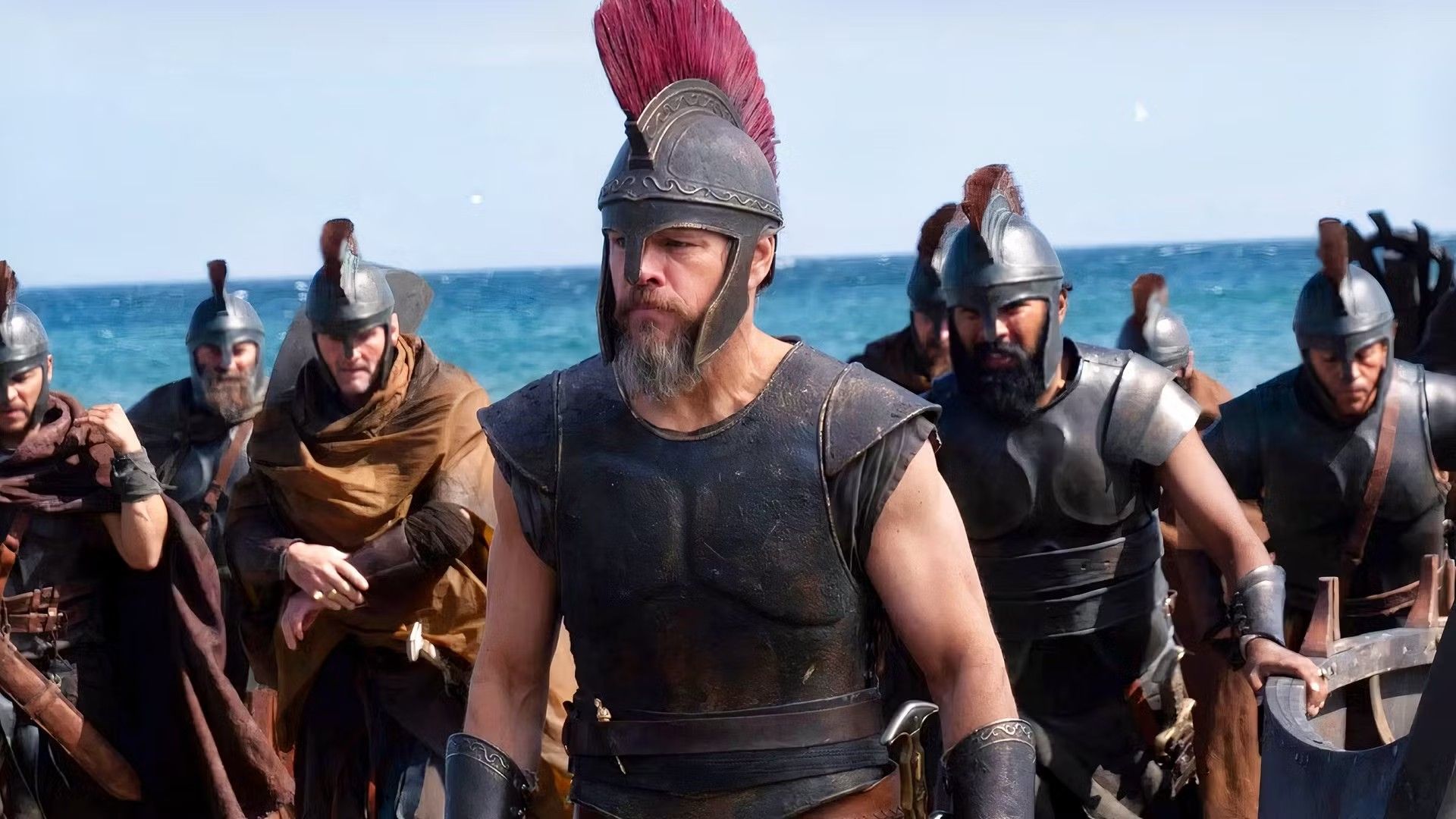
The Odyssey, starring Matt Damon as the legendary Greek hero Odysseus, was released in theaters on July 17, 2026. Universal Pictures has confirmed that the film will become available to purchase digitally and on 4K Ultra HD and Blu-ray on November 17 (via Universal Pictures). That puts 123 days between its theatrical debut and home release, a considerably longer wait than audiences have come to expect from many major Hollywood productions. The release follows an enormously successful box office run, with The Odyssey earning $1.8 billion worldwide and becoming the highest-grossing movie of Nolan's career.
For Nolan, getting audiences into theaters has always been a priority, and The Odyssey shows that he isn't backing down. While plenty of major Hollywood releases are available to watch at home within weeks, Nolan's movies tend to take a different route. He made audiences wait four months for Oppenheimer to arrive on digital in 2023, and he's doing the same with The Odyssey. It's a decision that gives movie theaters more time with a major blockbuster before it becomes available at home.
The Odyssey's Four-Month Theatrical Window Is A Major Win For Movie Theaters

One of the biggest problems with shorter theatrical windows is that audiences know they won't have to wait long to watch a movie at home. Someone who misses opening weekend might decide to skip the theater entirely, especially when a digital release could be right around the corner. The Odyssey gave audiences a different choice. Anyone interested in seeing Nolan's latest film had plenty of opportunities to catch it in theaters, but staying home meant waiting considerably longer.
That's extremely important for theaters offering premium formats like IMAX, where tickets typically cost more than standard screenings. The Odyssey was filmed entirely with IMAX cameras, and its large-scale action sequences were made to take advantage of those enormous screens. Giving the film more time in theaters also meant more opportunities for audiences to experience those scenes in a format that can't be replicated on a television.
There's also a financial benefit for theaters, which depend on ticket sales and concessions rather than digital purchases. Not every movie will attract crowds for months, but keeping a highly anticipated release exclusive gives theaters more opportunities to capitalize on its popularity instead of competing with the convenience of home viewing.
Christopher Nolan Continues To Champion The Big Screen In The Streaming Era

Nolan's commitment to theaters goes back much further than The Odyssey. When he left Warner Bros. and partnered with Universal Pictures for Oppenheimer, one of his reported demands was a theatrical window of approximately 100 days. The studio ultimately gave Oppenheimer 123 days before its home release, and the film went on to win seven Academy Awards, including Best Picture and Best Director (via ScreenDaily).
Nolan has also been outspoken about his concerns with Hollywood's shift toward streaming. His relationship with Warner Bros. became strained after the studio announced that its entire 2021 theatrical slate would debut simultaneously on HBO Max. Nolan publicly criticized the decision, arguing that filmmakers and their crews deserved better treatment from the studio. His eventual move to Universal marked a significant change after nearly two decades of working with Warner Bros. on films like The Dark Knight, Inception, and Dunkirk.
Of course, Nolan has considerably more influence than most directors when negotiating with studios. However, he has consistently used that influence to protect the theatrical experience, and The Odyssey is the latest example of him putting that commitment into practice.
KioskNews shows a cleaned-up reading view extracted from the publisher’s page — the original always lives on their site, not ours.