Elon Musk’s Starlink row in India exposes Asia’s deeper battle over satellite power
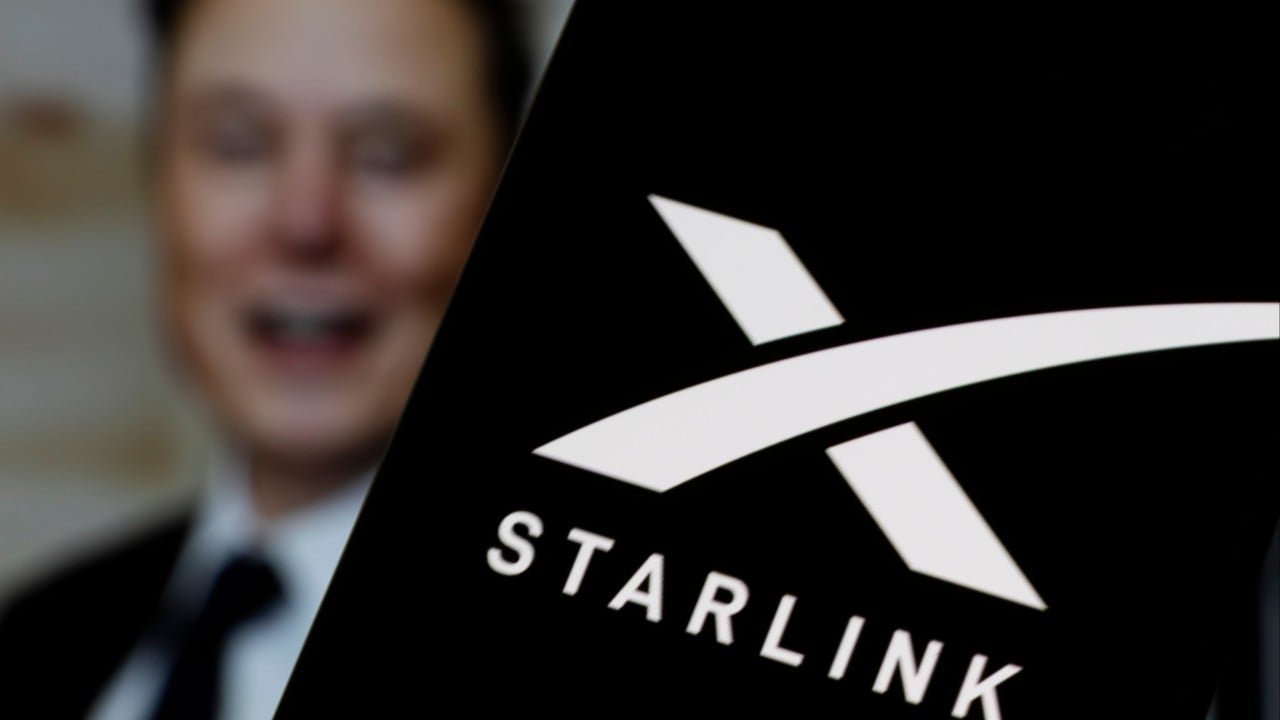
Elon Musk’s accusation that powerful Indian business interests are blocking Starlink’s entry into India has sparked a political row, but analysts say the dispute also highlights security concerns, regulatory hurdles and strategic calculations shaping the satellite service’s expansion across Asia.
In a post on social media, Musk said Starlink was licensed in more than 165 countries and had spent five years complying with Indian laws and regulations.
“So why still no licence? Is Ambani the real boss of India?” he wrote, suggesting Reliance Group chairman Mukesh Ambani – one of India’s wealthiest tycoons whose sprawling conglomerate has a major footprint across the economy – might wield undue influence over the licensing process.
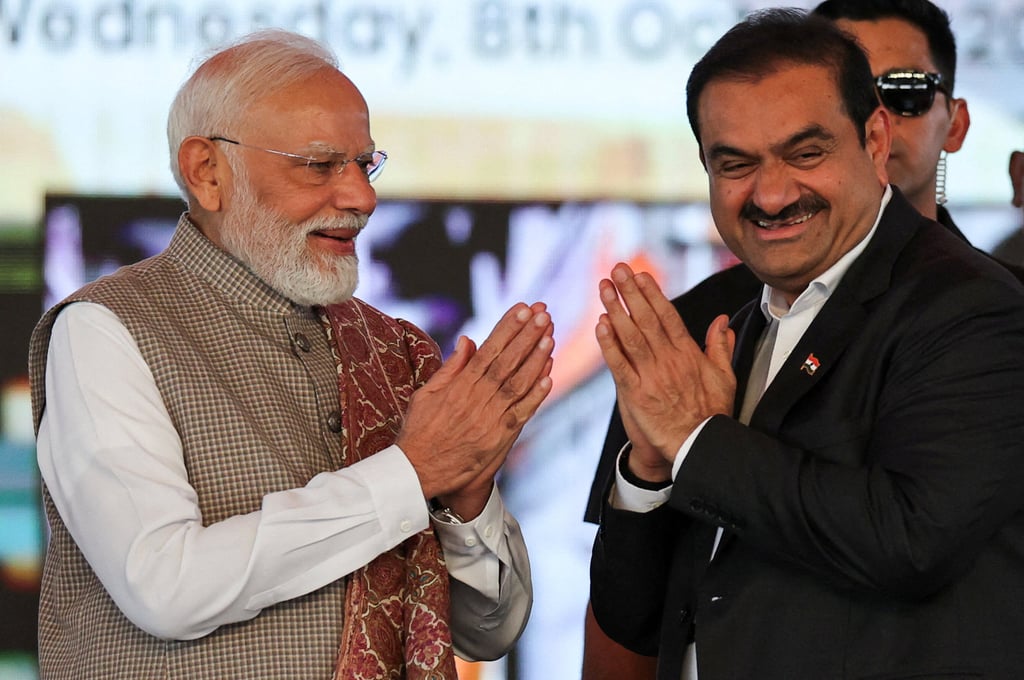
The post drew a sharp response from Rahul Gandhi, leader of India’s main opposition party. “Welcome to India, Elon. Wait till you discover the other guy,” Gandhi said, apparently referring to Gautam Adani, another prominent Indian billionaire whose infrastructure and energy empire has expanded rapidly in recent years.
Gandhi has frequently accused Prime Minister Narendra Modi’s government and its ruling Bharatiya Janata Party of favouring Ambani and Adani.
The Indian government said its regulatory framework for satellite communication services was fair and non-discriminatory.
Raj Kapoor, president of the India Blockchain Alliance, said Musk’s accusation overlooked the intense scrutiny Starlink was likely to face from security regulators across Asia.
“It is a foreign-controlled satellite network with the ability to provide connectivity across political borders and potentially bypass conventional terrestrial telecommunications infrastructure,” Kapoor said, adding that Indian security agencies had been scrutinising infrastructure localisation and whether user traffic could be routed outside domestic jurisdiction.
“Calling this an oligarch conspiracy is good politics on X but a poor reading of what is actually happening,” Kapoor said, pointing to past seizures of Starlink terminals from separatist militants in India’s Manipur state and from a drug-smuggling vessel off the coast. “That tells a security agency that the network can be reached by people the state cannot see.”
Starlink’s regional expansion has run into regulatory hurdles, security concerns and geopolitical resistance in several Asian countries, including Vietnam, Sri Lanka, Thailand and Nepal.
Kapoor said the regulatory concerns differed across jurisdictions and should not be generalised.
Starlink’s launch in Sri Lanka faced delays over regulatory assessments, data monitoring processes and national security vetting before receiving approval in mid-2025. In Vietnam, it launched nationwide operations in August under a tightly controlled five-year pilot programme.
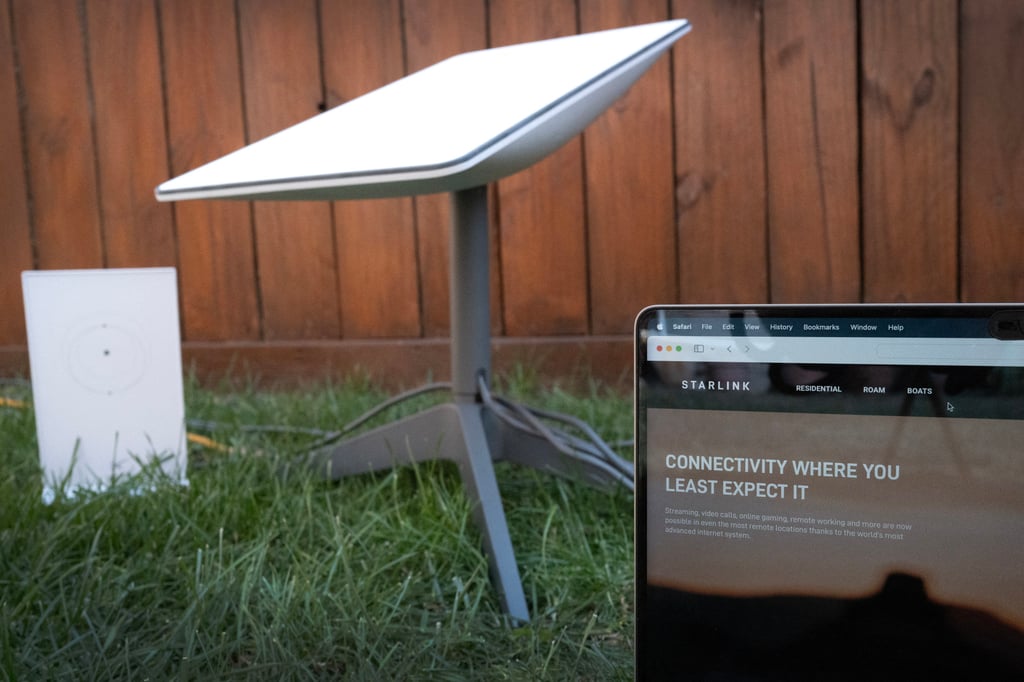
Globally, Starlink has expanded rapidly across more than 160 countries, serving millions of customers.
“One of the reasons for the rapid expansion of Starlink has been how quickly countries have licensed it,” said Simon Baker, a UK-based senior research director for satellite and non-terrestrial connectivity at market research firm IDC.
“The service offers productivity gains to many services with poor telecoms infrastructure and this has encouraged them to overlook security issues for the time being. However, as Starlink use grows, the conditions imposed on it could increase in many places,” Baker added.
Anndy Lian, a Singapore-based technology policy adviser to governments, said security concerns among Asian countries were “entirely genuine” because satellite networks bypass land-based infrastructure, raising questions over data sovereignty, surveillance and national defence.
“States require concrete guarantees that domestic user data remains localised and that authorities retain crisis management capabilities,” Lian said. “These regional delays are not anti-innovation roadblocks; they are standard sovereign prerogatives. India’s methodical approach reflects a sovereign state establishing equitable telecommunications rules.”
The delays facing Starlink’s application in India stemmed mainly from complex regulatory requirements, Lian added.
India’s telecommunications market is currently dominated by Reliance Jio Infocomm and Bharti Airtel, which together control more than 80 per cent of the market. Reliance is expanding its own satellite ambitions through Jio Satellite Communications and a joint venture with Luxembourg-based satellite operator SES.
While OneWeb and Starlink are among the providers granted preliminary satellite communications licences in India, none has yet received spectrum allocation or launched full commercial services.
The government said that all applicants must undergo mandatory security assessments before spectrum allocation.
An uneven landscape
Jamus Lim, an associate professor of economics at ESSEC Business School Asia-Pacific, said that India’s market structure was heavily concentrated among a small group of large companies.
“Under such an industrial organisation, it is not unusual for foreign entrants to find the competitive conditions less than ideal,” Lim said, noting that entering a market dominated by established players was always difficult, regardless of an entrant’s technological advantage.

The dispute between Musk and New Delhi also reflects growing geopolitical overlay in economic policymaking.
“It does not help that the Indian government has had its own share of friction with the United States,” Lim said.
India has indicated that trade negotiations with the United States have largely stalled, with its willingness to make further concessions to Washington reaching a limit. US lawmakers have also enacted sanctions legislation authorising discretionary tariffs of up to 100 per cent on major buyers of Russian oil, a move aimed partly at India’s continued energy trade with Moscow.
Lim noted that while Musk’s companies had “deep pockets” they should “expect no favours from Indian policymakers”.
Despite regulatory hurdles, proponents argue that Starlink offers significant benefits to Asian economies by delivering high-speed digital connectivity to remote and disaster-prone regions.
But Lian said that Starlink’s Asia-wide roll-out “will be a marathon, not a sprint”.
Kapoor predicted a segmented roll-out across the region: while some Asian countries would adopt Starlink rapidly, others would impose strict localisation rules, and a third group would pursue domestic or allied satellite alternatives.
“India does not want to exchange dependence on one set of telecoms gatekeepers for dependence on a foreign satellite network,” Kapoor said. “It wants the benefits of Starlink without surrendering strategic autonomy.”
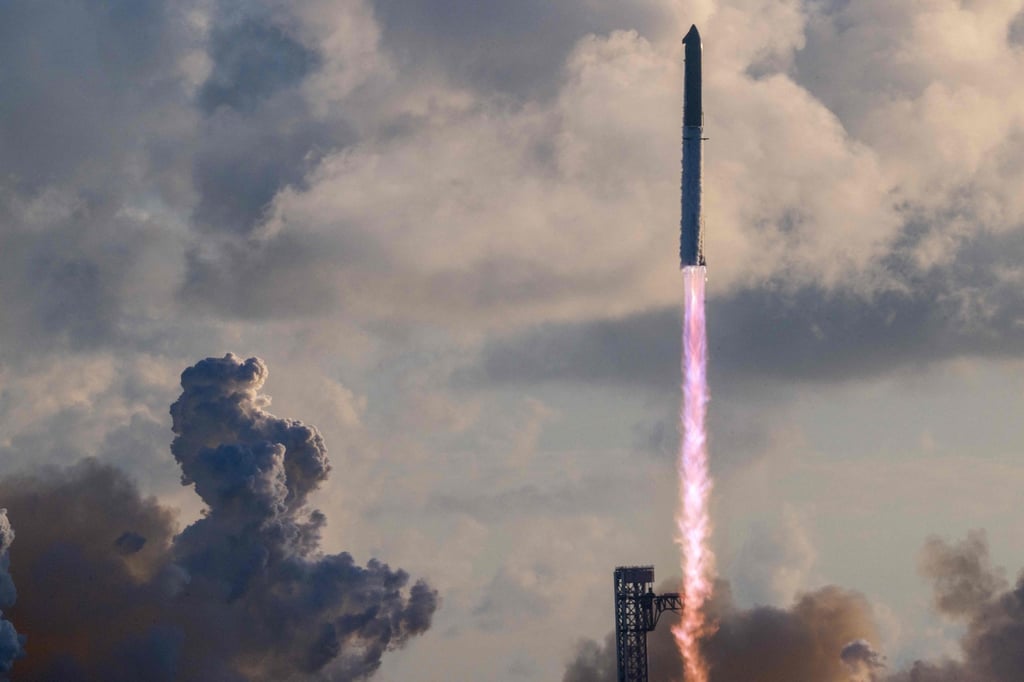
Satya Gupta, president of the VLSI Society of India and a veteran telecoms industry executive, said the controversy highlighted the need for India to develop its own satellite service.
“We should aim to have this over the next five to seven years. This is the future of the internet for a range of services,” Gupta said. “We have all the ingredients and we need to put it together.”
India has already emerged as a major global hub for low-cost small satellite manufacturing and cost-effective space projects. Gupta said India could develop its own satellite services and offer them to regional neighbours, including Sri Lanka and Nepal.
KioskNews shows a cleaned-up reading view extracted from the publisher’s page — the original always lives on their site, not ours.