This isn’t about who wins, but about the citizen’s right to her vote
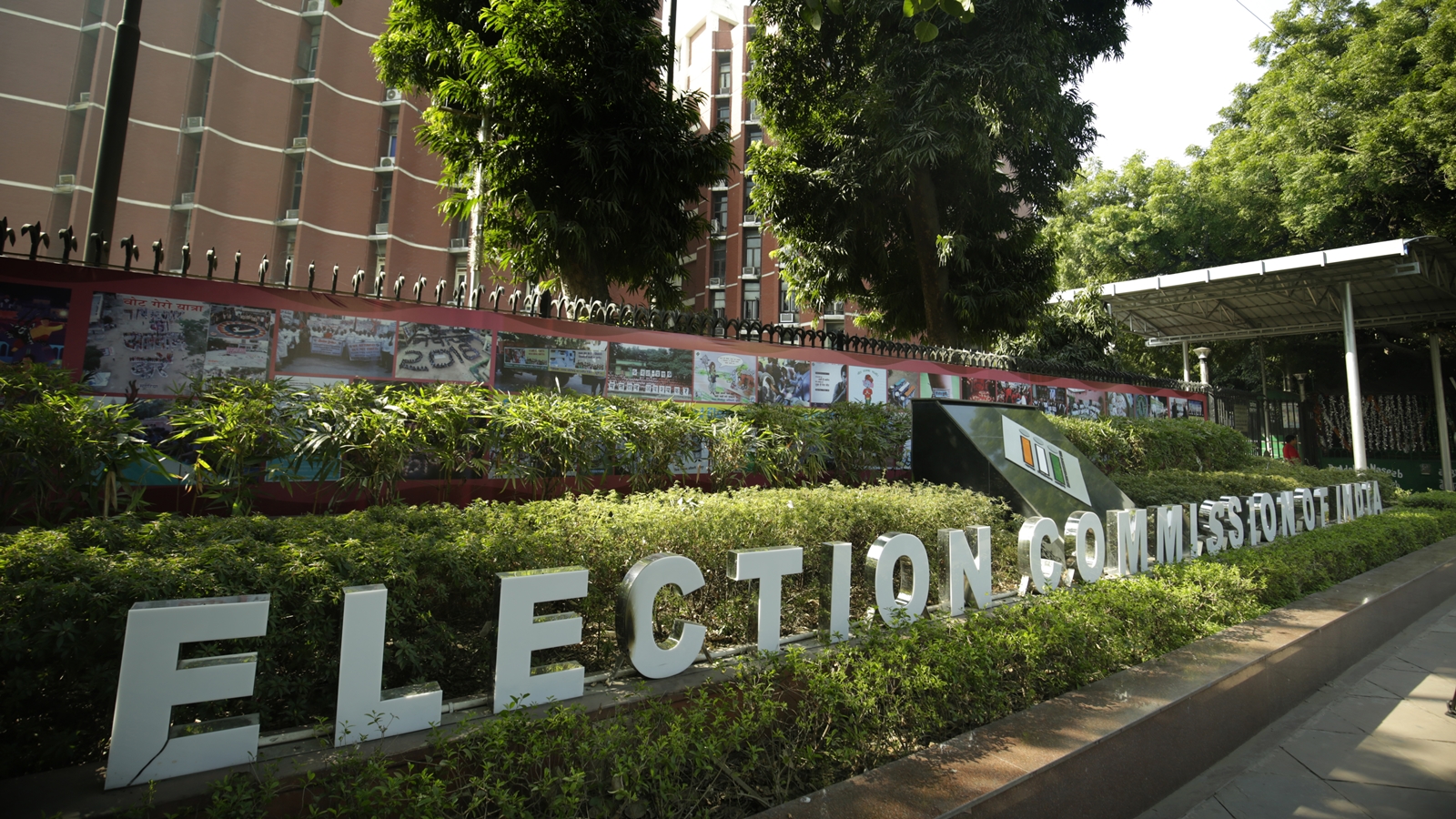
The issue is whether the citizen can still believe that her vote was hers to cast — and the constitutional machinery was there to protect it. (PTI)
4 min readSep 24, 2026 06:15 AM IST First published on: Sep 24, 2026 at 06:15 AM IST
I remember November 10, 2020, vividly. Counting had begun for the Bihar Assembly election. We had genuine complaints and grievances on several matters, including postal ballots. The margin between our alliance and the alliance eventually declared victorious was only a few hundred votes in several constituencies. We approached the Election Commission of India’s (ECI’s) office in Bihar at least four times during the day. We held a press conference and presented the evidence and our concerns to the public. We eventually accepted the mandate. This did not mean that every objection had disappeared. But we felt the credibility of the institution conducting the election had to be protected.
A political party can lose an election and return to the people. But if the institution that conducts elections loses public credibility, there is no easy way to repair the damage.
The ECI itself records that the institution was created to safeguard India’s new democracy through free and fair elections and that the Constituent Assembly deliberately kept the election machinery outside the control of the executive government. The legacy of India’s first CEC, Sukumar Sen, was that he both successfully organised India’s first general election and helped establish a culture in which the electoral machinery was trusted by winners and losers alike.
That trust is now the real subject before us. The Indian Express investigation published on September 23 is disturbing for a variety of reasons. What happens when two of the three members of the constitutional body say, repeatedly and on record, that important decisions affecting electoral rolls were taken without their knowledge or contrary to their objections? The investigation reports that the objections touched matters at the very heart of the electoral process: Who can become a voter, whose name can be deleted, who can restore a name, who can access the electoral database and who can alter it. This should worry us irrespective of which political party is in power. The right to vote is not the property of the opposition. It is not the gift of the government. It does not belong to the ECI. It is a right to have and exercise other rights for each and every citizen.
We have become accustomed to speaking about elections primarily in terms of polling day. But the most consequential electoral decision may take place much earlier. A citizen whose name has disappeared from the roll does not experience disenfranchisement as an abstract constitutional debate. We do understand that technology can improve elections enormously as it can reduce duplication, speed up verification, and strengthen administrative capacity. But a constitutional right cannot become subordinate to software architecture.
If an Electoral Registration Officer (ERO) is legally empowered to make a determination but a centralised digital system prevents that determination from being recorded, the question is no longer merely technological but becomes constitutional. The experience of 97 voters in Goa is instructive. The Indian Express reported that the ERO found them eligible, but the software did not permit the decision to be properly recorded, leaving them out of the final roll. The greater danger is what I would call the bureaucratisation of the citizen’s right to vote.
The reported change to Form 6 is especially significant because it introduced questions linking new voters to their own or their parents’ or grandparents’ presence in an earlier electoral roll. Two ECs had reportedly objected that such statutory forms could not be altered without changes to the relevant rules. When did voting become an inheritance to be established through the electoral history of one’s parents or grandparents? The Constitution does not imagine citizenship as a family certificate.
In 2020, we accepted a mandate because we believed that the institution mattered more than the immediate result. Six years later, that belief makes the present questions even more important. Ultimately, the issue is not who won an election. The issue is whether the citizen can still believe that her vote was hers to cast — and the constitutional machinery was there to protect it.
KioskNews shows a cleaned-up reading view extracted from the publisher’s page — the original always lives on their site, not ours.