Kfar Saba mayor, wife suspected of fraud released to house arrest, forbidden to communicate
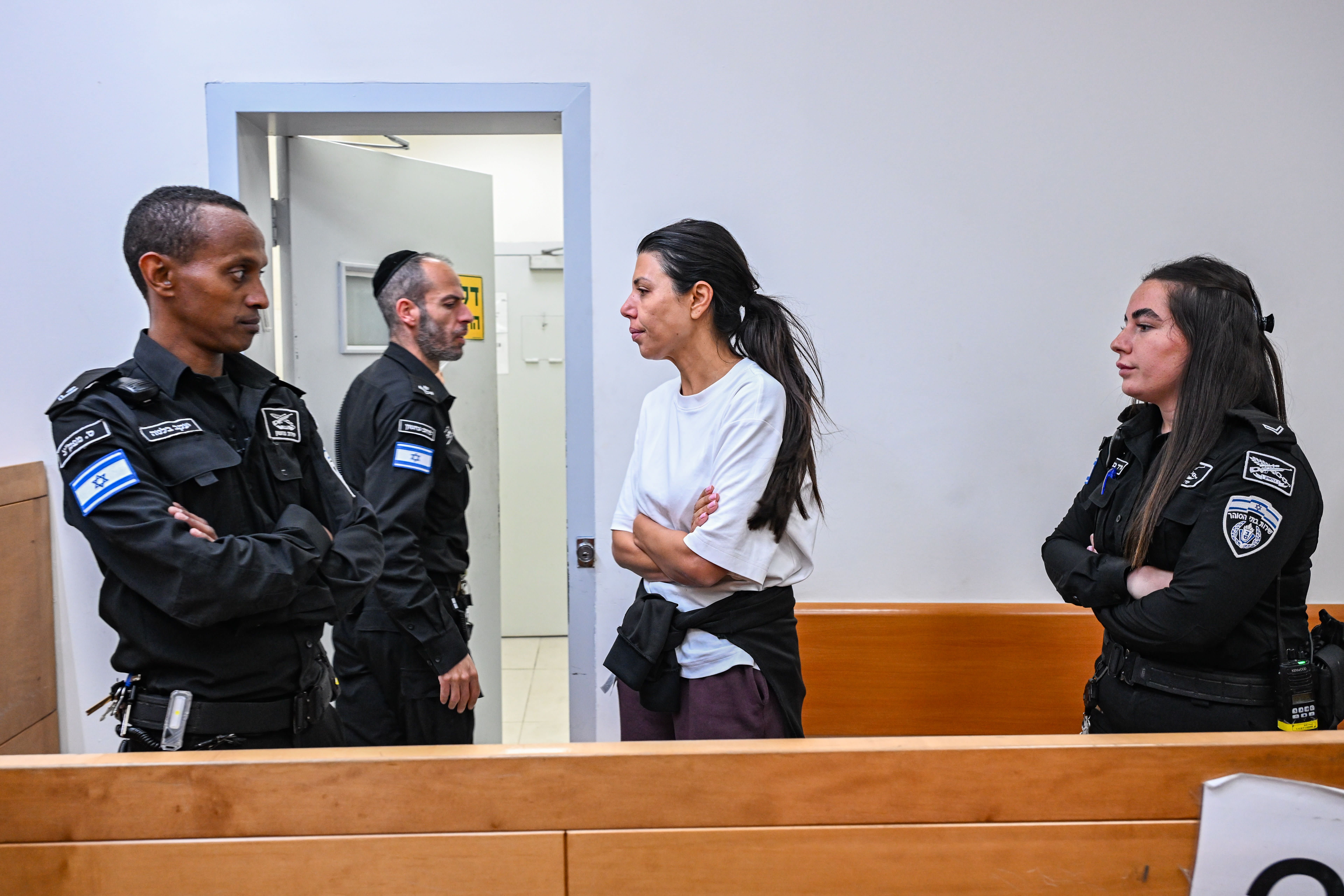
Under the ruling by the court, the couple is prohibited from speaking to each other until November 1, while Saar is barred from entering municipal facilities until November 15.

A court in central Israel ordered the release of Kfar Saba Mayor Rafi Saar and his wife, Meital, from police custody to house arrest on Thursday as police continue investigating their alleged involvement in a bribery scheme.
Under the ruling by the Rishon Lezion Magistrate's Court, the couple is prohibited from speaking to each other until November 1, while Saar is barred from entering municipal facilities until November 15.
Police had sought stricter restrictions, arguing that contact between the couple could interfere with the ongoing investigation. Investigators requested that the two be prohibited from meeting for 60 days, that Saar be barred from municipal facilities for the same period, and that Meital remain under house arrest for 14 days. Judge Yuval Keidar granted only part of the request.
Meital Saar will remain under full house arrest until November 1 and is prohibited from contacting anyone involved in the case during that period. Her release is conditional on a NIS 50,000 cash deposit, plus a personal guarantee and a NIS 50,000 guarantee from a third party. Similar conditions were imposed on Rafi Saar, along with the additional restrictions on entering municipal facilities.

Police suspect mayor's wife managed bribery scheme
The police request to keep the couple apart stems from investigators' suspicions about their respective roles in the alleged bribery scheme.
Police suspect that Meital managed the operation, using her position to advance the interests of businesspeople in exchange for money. Investigators allege that Saar knew about the payments and used his authority as mayor to act on his wife's demands.
During the hearing, Chief Inspector Ilan Yanko, representing the police, argued that concerns about obstruction of the investigation were supported by concrete evidence presented to the court.
The defense, however, sought to ease the restrictions. Saar's attorney, Micha Fetman, opposed the police request to keep the mayor away from municipal facilities for two months, challenging investigators: "If in 12 days you haven't found any evidence that he received money, then what is this about now?"
Meital's attorney, Haya Zion Zakai, objected to the police demand for a NIS 100,000 cash deposit, arguing that the amount was unreasonable. She also sought to shorten the house arrest period. The court ultimately set the cash deposit at NIS 50,000, half of the amount the police requested.
Investigation focuses on municipal contracts and development projects
The investigation centers on suspected corruption involving several areas of municipal activity, including permits for mobile food kiosks, urban renewal projects in the Yoseftal neighborhood, and school construction and renovation work during summer vacations.
Investigators are examining whether bribes were paid to advance business interests and influence municipal bidding processes, including those handled through the city's economic development company. Police suspect that the payments were made in cash to conceal evidence of the alleged scheme.
Saar is suspected of accepting bribes, fraud and breach of trust, conspiracy to commit a felony, money laundering, and tax offenses. His wife is suspected of bribery offenses, receiving improper benefits, conspiracy to commit a felony, and related offenses.
The National Fraud Investigation Unit of Lahav 433, a division of the Israel Police responsible for investigating serious fraud and corruption, is conducting the investigation.
Meanwhile, attorneys representing other suspects in the case have accused police of seeking to keep their clients in custody to pressure them into becoming state witnesses.
KioskNews shows a cleaned-up reading view extracted from the publisher’s page — the original always lives on their site, not ours.