Maharashtra's New Power Model Aims To Turn Excess Solar Into 24x7 Supply
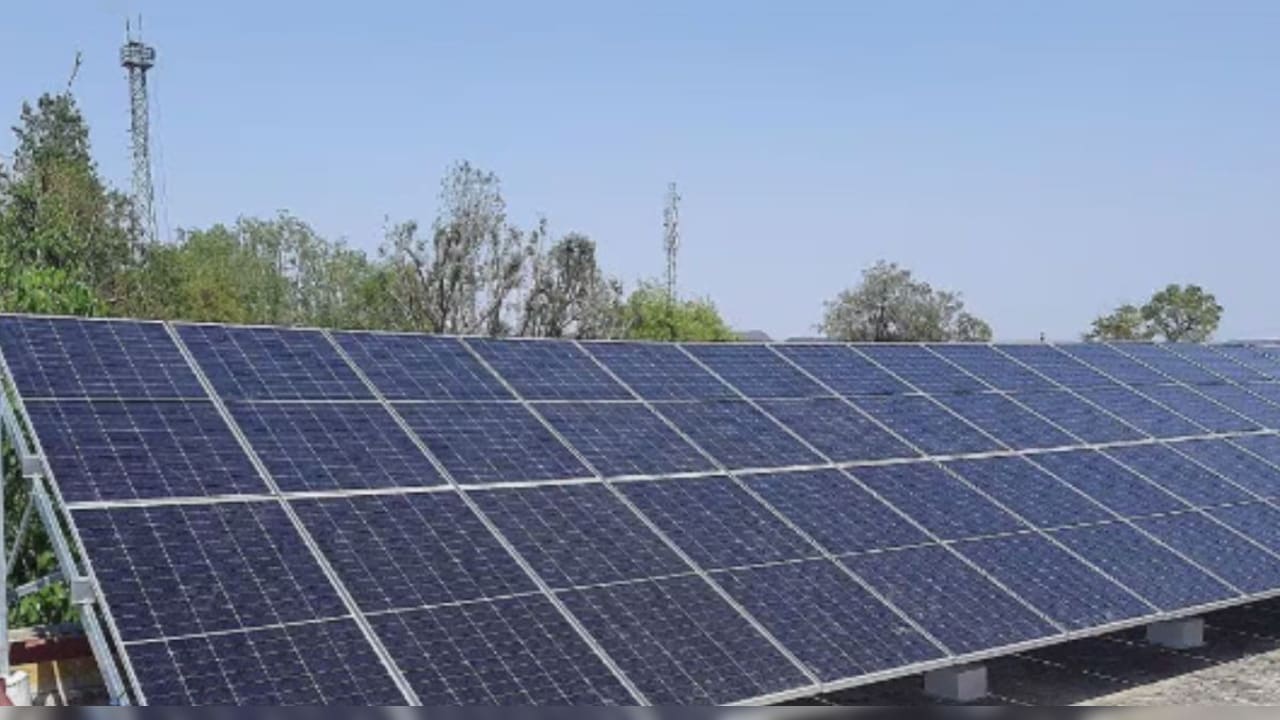
Maharashtra is pioneering a new model of renewable energy procurement that seeks to convert surplus daytime solar generation into reliable Round-the-Clock (RTC) electricity, addressing a growing challenge for power distribution utilities as renewable capacity expands.
Maharashtra State Electricity Distribution Co Ltd (MSEDCL) floated a tender earlier this year to procure 2,500 MW of RTC renewable power for 25 years via tariff-based competitive bidding and an e-reverse auction, according to people with knowledge of the matter.
The tender effectively converted 5,000 MW of non-firm solar capacity into 2,500 MW of firm power by combining renewable energy with other generation sources and storage, they said.
The Maharashtra Electricity Regulatory Commission (MERC) described the arrangement as "unique and bespoke", saying it would enable MSEDCL to "effectively utilise and convert the 5,000 MW of non-firm solar power...into a firm source of power".
Unlike conventional power procurement contracts, the supply-based arrangement does not require bidders to own dedicated generation assets. Suppliers can source electricity from multiple generators and technologies but must meet stringent annual, monthly and peak-hour supply obligations, including a minimum 51 per cent traceable renewable energy component, they said.
The model shifts responsibility for sourcing, scheduling and balancing power to suppliers, while allowing MSEDCL to retain control over deployment of the procured electricity.
Consumer economics are central to the arrangement. MERC noted that MSEDCL's discovered tariff of Rs 5.90 per unit compares favourably with levelised tariffs of Rs 6.31-8.90 per unit for recent long-term thermal power procurement. The tariff is fixed for the 25-year power purchase agreement, with suppliers bearing the risk of fluctuations in input power costs.
Four bidders offered a combined 6,250 MW. Adani Power Limited (APL) won the contract after quoting Rs 6.30 per kWh initially and securing the lowest tariff in the e-reverse auction, followed by Lalitpur Power Generation Company (Rs 6.34/kWh), MB Power (Rs 6.48/kWh), and Sterlite Grid 42 (Rs 9.50/kWh).
APL received the Letter of Award (LOA) and the Maharashtra Electricity Regulatory Commission (MERC) adopted the Rs 5.90/kWh tariff, they said.
The tender also imposes substantial delivery obligations, with penalties for non-performance reaching up to 400 per cent of the applicable tariff in specified cases. MERC described the bidding process as "fair, transparent, and competitive", citing substantial market response.
The model seeks to address a growing imbalance in India's electricity market: solar generation peaks during daylight hours, while demand continues after sunset. Better utilisation of surplus solar power could reduce renewable energy curtailment, improve transmission network utilisation and limit inefficient backing down of thermal power plants.
The approach is beginning to find traction elsewhere. West Bengal State Electricity Distribution Company Ltd (WBSEDCL) has recently concluded a similar 2,500 MW RTC procurement, comprising 1,750 MW and a 750 MW greenshoe option. Its contract provides for a first-year tariff with subsequent escalation linked to the Wholesale Price Index (WPI), the people said.
The two procurements could provide a template for other states seeking to integrate larger volumes of renewable energy without compromising supply reliability or increasing the burden of under-utilised conventional generation assets.
The broader significance is a shift in renewable power procurement from buying intermittent green electricity to securing dependable, round-the-clock power with a substantial renewable component. As India's solar capacity expands, such arrangements could become increasingly important in balancing clean-energy ambitions with the need for reliable and affordable electricity.
(Except for the headline, this story has not been edited by NDTV staff and is published from a syndicated feed.)
KioskNews shows a cleaned-up reading view extracted from the publisher’s page — the original always lives on their site, not ours.