Indigenous rights in Australia 'embarrassing': UN envoy
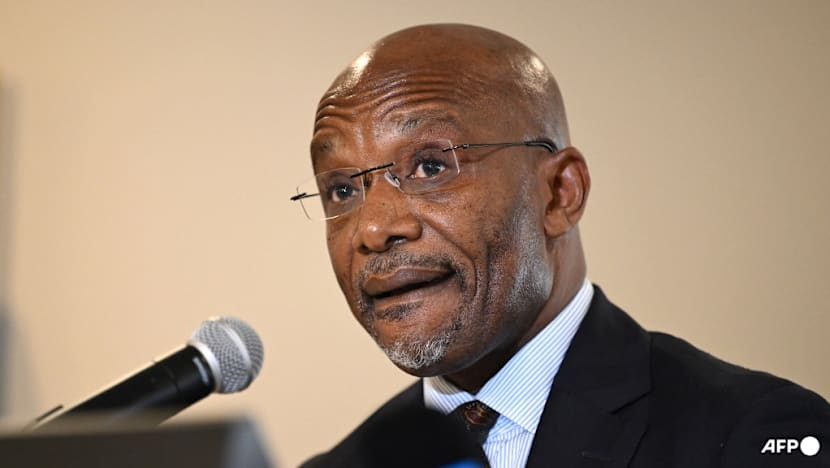
SYDNEY: Cases of Indigenous women shackled while giving birth and growing numbers of children in detention are "embarrassing" to Australia, the UN's special rapporteur on Indigenous rights said on Friday (Nov 13).
UN Special Rapporteur Albert Barume said he visited Australia because he saw Prime Minister Anthony Albanese's attempt to recognise First Nations people in the constitution as a sign of progress, despite a national referendum failing to pass in 2023.
Barume ended his two-week visit on Friday with a bleak message that Indigenous people's rights are "unsafe" in Australia because they are controlled by states and territories, not the national government.
"The state of protection of Indigenous people's rights is a bit embarrassing. I heard the story of women giving birth shackled - I couldn't believe it," he told a news conference in Sydney.
Rights groups say the practice used for some women prisoners disproportionately impacts Indigenous women who experience higher rates of incarceration.
An Indigenous lawmaker sought to introduce a bill to stop the practice in the federal parliament in August.
Australia's international reputation was at stake, Barume said, after he was denied access to youth detention centres in Queensland state and the Northern Territory, which have the highest rates of Indigenous youth incarceration.
Officials in these states also refused to meet him.
"INTERNATIONAL SCRUTINY"
"If you cannot be subjected to international scrutiny, you should not be in charge of human rights," he said.
The national government should be "the sole and only duty bearer for human rights", he added.
Over 90 per cent of children in detention in Queensland and the Northern Territory are Indigenous, government data shows.
Indigenous Australians make up 6.6 per cent of the youth population, but 60 per cent of children aged 10 to 17 in detention nationally.
Among incarcerated children aged 10 to 13 years, 79 per cent are Indigenous.
Barume said Australia should establish a national minimum age of criminal responsibility of 14 years and invest in programmes to prevent crime instead of jailing "huge numbers" of children.
"First Peoples' children require culturally appropriate care, protection, education, family and community support - not criminalisation," he said.
The failure of a national referendum on Indigenous recognition three years ago had "opened a floodgate of racism", he said, urging Albanese's government "not to abandon the idea".
The Australian attorney-general's office said the decision by Queensland and the Northern Territory not to cooperate with UN envoy's visit "does not reflect the position of the Albanese government".
It said it was working with the states to implement Australia's international obligations.
KioskNews shows a cleaned-up reading view extracted from the publisher’s page — the original always lives on their site, not ours.