Adams, Nganyandi, others seek restructuring, effective security for Nigeria’s growth
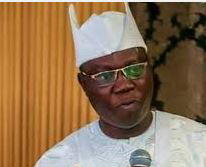
By Dapo Akinrefon
Some Yoruba leaders including the Aare Onakakanfo of Yorubaland, Iba Gani Adams; the Alagbegise of Agbegise Kingdom in Ogun State, Oba Ikudaisi Olusina; the Oniselu of Odo Iselu, Ogun State, Oba Oladipupo Badejo; Mr Philip Nganyandi and Mr. Giwa Tobi of the University of Luxembourg, have insisted that for Nigeria to witness good governance, true development and remain united, restructuring of its governance systems remains non-negotiable.
They said this at the Oodua Progressive Union (OPU) Europe Summit held in Luxembourg, with the theme, ‘The Yoruba Response to Restructuring, Insecurity, and Cultural Erosion in a Struggling Federation of Nigeria.’
Addressing the gathering of OPU executives, delegates from Europe and other parts of the world, Adams, who is the Global Convener of OPU, noted that the theme was timely and critical for addressing the nation’s current challenges.
He stressed the critical need to recalibrate Nigeria’s federal system to ensure equity, justice, and effective governance.
He said the over-centralisation of power at the federal level is “counter-productive and identified this system of government as a root cause of inefficiency and marginalisation, particularly for the Yoruba nation.”
He called for urgent restructuring and true federalism, saying that it “will grant states of the federation genuine autonomy.”
“Restructuring is essential not only for equitable resource distribution but also for fostering national integration and eliminating ethnic discrimination,” Adams said.
Addressing Nigeria’s insecurity crisis, he described it as a “collective responsibility that requires more than military solutions.”
He also called for empowering local security groups, community policing, and intelligence-sharing mechanisms that leverage local knowledge.
He highlighted the importance of collaboration between government and grassroots security actors to tackle banditry, insurgency, and kidnapping.
Chairman of the occasion, Engr. Philip Nganyandi, stated that the challenges of restructuring, insecurity, and cultural erosion were interconnected and required a holistic approach.
He advocated for constitutional reforms that decentralise power, enhance resource control by states, and strengthen local governance
In his address, the guest speaker, Mr. Giwa Tobi of the University of Luxembourg, echoed Adams’ sentiments on the need to close the “distance” between government and the governed, security agencies and communities, and children and their cultural heritage.
Tobi described Nigeria as a “nation blessed with abundant resources and rich cultural diversity but currently facing profound challenges that threaten its unity, security, and cultural heritage.”
He argued that the over-centralisation of power at the federal level has “bred inefficiencies and alienation among various ethnic groups, including the Yoruba people.”
According to him, restructuring will mean granting states genuine autonomy to govern their affairs, manage resources, and develop their communities without undue interference from the central government.
He emphasised that practical federalism and effective empowerment of local security groups to “tackle insecurity headlong remained true pillars for Nigeria’s future.”
Earlier in his welcome address, OPU Europe Deputy Coordinator, Alhaji Babatunde Otukoya, expressed appreciation to Iba Adams for birthing the vision of OPU for Nigerians in the Diaspora.
He noted that under Adams’s leadership, OPU had become a movement transcending borders.
Otukoya said that through the ideals being promoted by OPU, the Yoruba culture and language is being preserved across the world.
Also speaking at the occasion, the Alagbegise of Agbegise Kingdom in Ogun State, Oba Ikudaisi Olusina, said the Yoruba people’s vision aligns with constitutional principles promoting unity in diversity and respect for all federating units.
He called for a system of governance where states and local governments have the power and resources to address local needs effectively.
Oba Olusina praised the Yoruba in diaspora for their role in cultural preservation and called on them to continue serving as ambassadors of Yoruba heritage.
Similarly, the Oniselu of Odo Iselu, Ogun State, Oba Oladipupo Badejo, stated that the Yoruba response to restructuring is rooted in the desire for true federalism.
Speaking on the threat of cultural erosion to Yoruba identity, Oba Badejo warned that globalisation and urbanisation were “causing the gradual loss of indigenous languages, customs, and values.”
He urged the Nigerian government to “implement policies supporting cultural education and promoting indigenous languages in schools.”
KioskNews shows a cleaned-up reading view extracted from the publisher’s page — the original always lives on their site, not ours.