Thailand reports no diagnosed arsenic poisoning cases, warns boiling water is unsafe
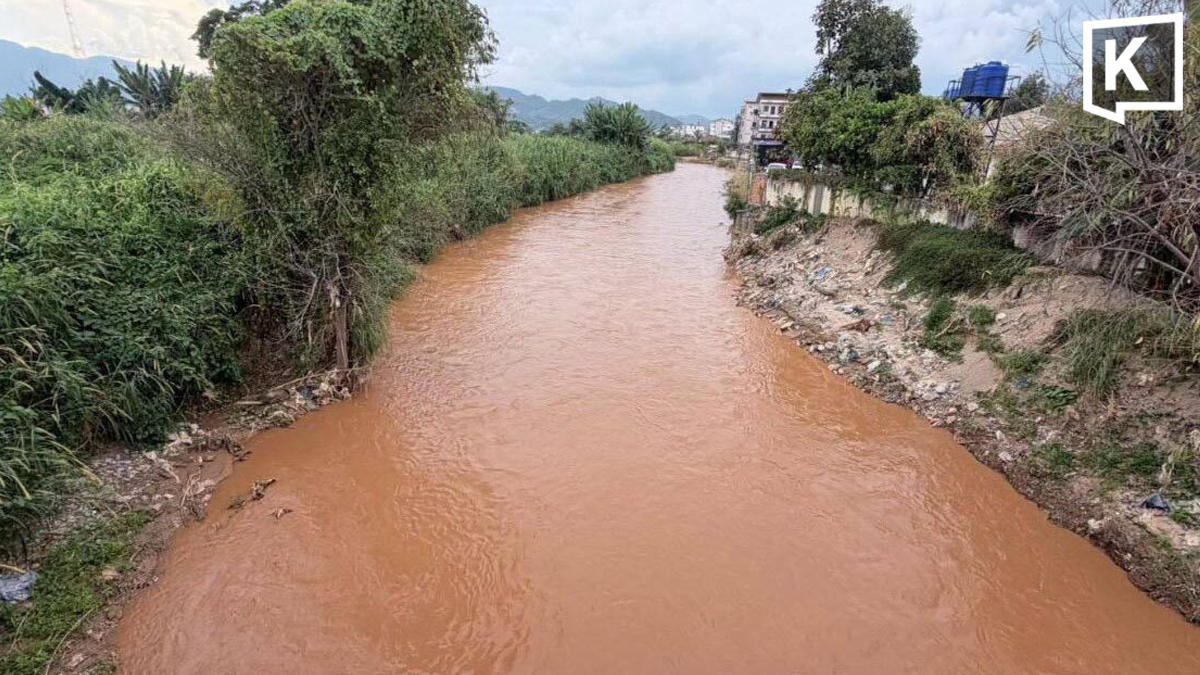
BANGKOK — 22 November 2026, Thailand’s Ministry of Public Health said it had found no diagnosed cases of acute or chronic arsenic poisoning among at-risk communities along four northern rivers, while warning residents that boiling contaminated water does not remove arsenic.
The ministry said it was continuing health surveillance among people living and working near the Kok, Sai, Ruak and Mekong rivers, where concerns over arsenic contamination have prompted public health monitoring.
Dr. Somruek Jungsaman, permanent secretary for public health, said the latest monitoring results had not detected urinary arsenic levels reaching the highest-risk threshold of 500 micrograms per litre.
He also confirmed that no individuals under surveillance had been diagnosed with acute or chronic arsenic poisoning.
However, he stressed that finding arsenic in urine above a reference level does not automatically mean a person has arsenic poisoning.
The ministry has instructed local health agencies to continue monitoring at-risk populations for at least five years, alongside regular checks of water and food quality, to reduce exposure and prevent possible long-term health effects.
Health department explains four arsenic risk levels
Dr. Thiti Sawaengtham, director-general of the Department of Health, outlined four levels of the Arsenic Health Risk Scale (AHRS), which assesses arsenic concentrations in water.
- Green level (10 micrograms per litre or less): Water meets the arsenic safety standard and can be used for drinking, cooking and household activities, provided all other water quality standards are also met.
- Yellow level (above 10 but below 100 micrograms per litre): Water should not be used for drinking or cooking. It may still be used for bathing, washing clothes and cleaning, provided users avoid swallowing it, particularly young children.
- Orange level (100 to below 500 micrograms per litre): Water should not be used for drinking, cooking or watering vegetables intended for consumption. Other household uses should follow public health officials’ recommendations.
- Red level (500 micrograms per litre or higher): All water use should be avoided as a precaution. Residents should urgently obtain replacement water from sources that meet safety standards.
The department said arsenic concentrations above 10 micrograms per litre do not necessarily cause immediate acute poisoning, but continued consumption could increase long-term health risks.
Residents were advised to avoid drinking water from rivers in areas where contamination has been reported unless testing confirms that it meets safety standards.
Boiling water does not remove arsenic
Thiti emphasised that boiling water cannot eliminate arsenic contamination.
Although boiling can kill many disease-causing microorganisms, it does not remove dissolved arsenic and may increase its concentration as water evaporates.
The department advised residents to use water from sources that have passed quality testing, particularly for drinking and food preparation.
The ministry urged the public to remain aware of potential risks without becoming alarmed, while following official water quality announcements and public health guidance.
Health authorities said surveillance would continue to identify possible exposure and protect communities in affected river basins.
KioskNews shows a cleaned-up reading view extracted from the publisher’s page — the original always lives on their site, not ours.