Punjab is the new hub of cancer care. 2 Tata Memorial hospitals are making all the difference
In the dusty village of Dhaipai in Punjab’s Malwa region, where tractors keep pace with cars, Gursewak Singh, 40, lives with his wife and children as caretakers in the home of a family who has migrated to Australia.
A much-in-demand plumber in the nearby Bhikhi town, Gursewak worked and occasionally entertained friends by singing aloud. Life was good. His daughter had just topped her Class 12 commerce class and was on her way to college; his son was keen on studying computer science. “My work kept me busy. At times, I would make Rs 5,000 a day,” he says.
Then, in August 2024, his stomach began to distend. He did not think of it much until one day, he woke up with excruciating pain. His family first took him some 20 km away to the district hospital in Mansa. He was then taken to AIIMS Bathinda, which referred him to the Homi Bhabha Cancer Hospital in Sangrur. There, a bone marrow test detected cancerous cells. “I was told to go to the hospital’s Mullanpur branch for a PET scan and other tests for which the hospital in Sangrur did not have facilities at the time,” says Gursewak.
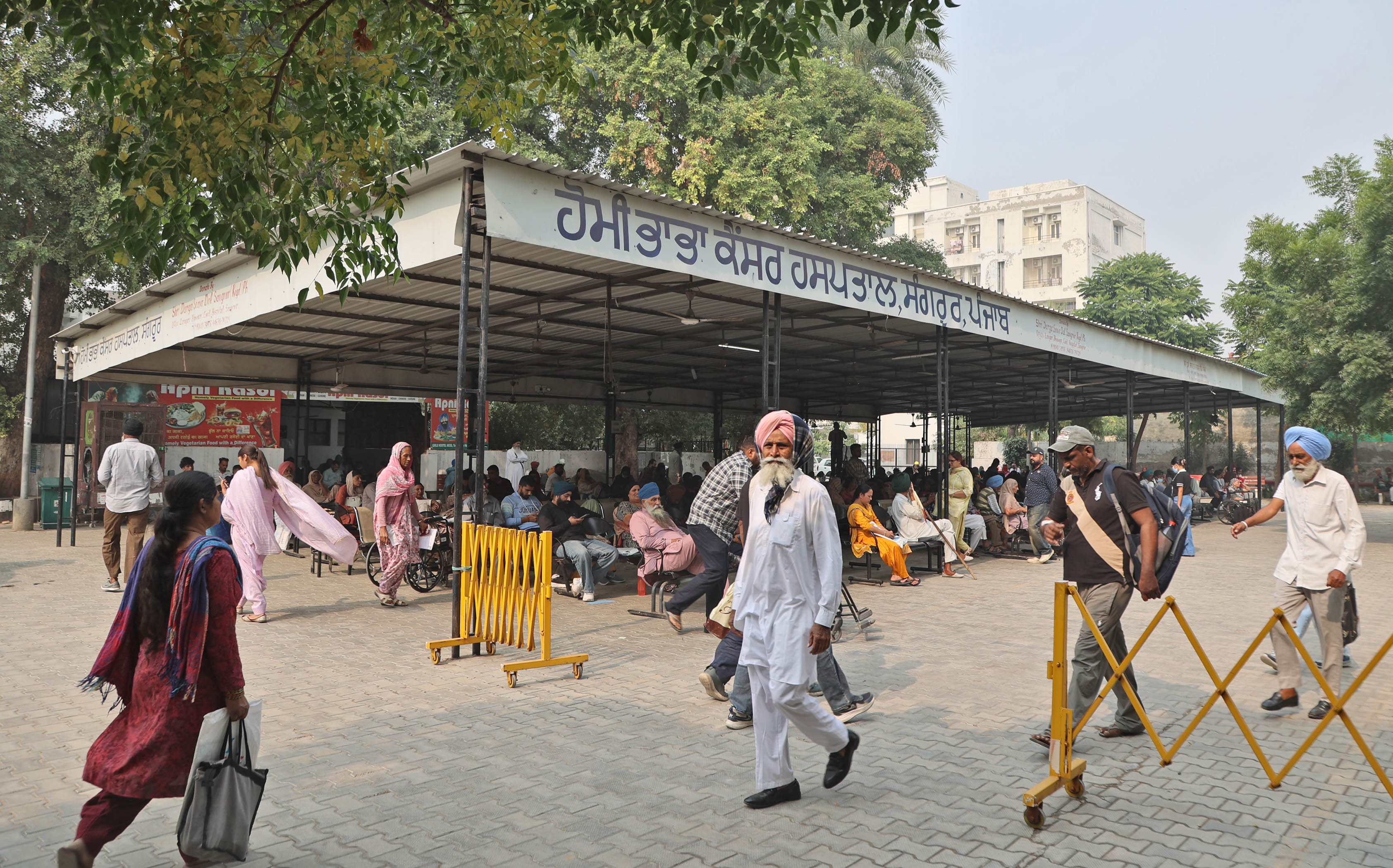 The Homi Bhabha Cancer Hospital in Sangrur (above), along with its main campus in New Chandigarh (Mullanpur), have managed to change the way Punjab accesses cancer care (Express Photo by Jasbir Malhi)
When he reached Mullanpur, in New Chandigarh, Gursewak was struck by the hospital building. “It was a very expensive, modern facility,” he recalls.
After tests confirmed that he had hairy cell leukaemia, a cancer of the blood and bone marrow, Dr Pooja Prasad of the Department of Medical Oncology examined him. “She said I would have to be admitted for a fortnight,” says Gursewak, who recalls feeling overwhelmed by the diagnosis and worries over treatment costs. “No one in my family has had cancer.”
Without another word, he left the hospital. Back in his village, a friend suggested he start treatment at a government facility in Faridkot. Gursewak even began chemotherapy. “But I had a terrible reaction and felt like I would die,” he says.
In early 2025, he returned to Mullanpur. “I told the doctor I cannot afford expensive treatment. She said that at this hospital, no one gets turned away for want of funds,” he says.
Story continues below this ad
 ⠀
For long, Punjab’s Malwa region, which includes the cotton belt in Sri Muktsar Sahib, Mansa, Faridkot and Bathinda districts, has borne the state’s cancer burden. Over time, the numbers in Doaba and Majha, the other two regions, caught up too. According to the National Cancer Registry Programme, the state recorded 43,196 cancer cases in 2025, up from 39,521 in 2021.
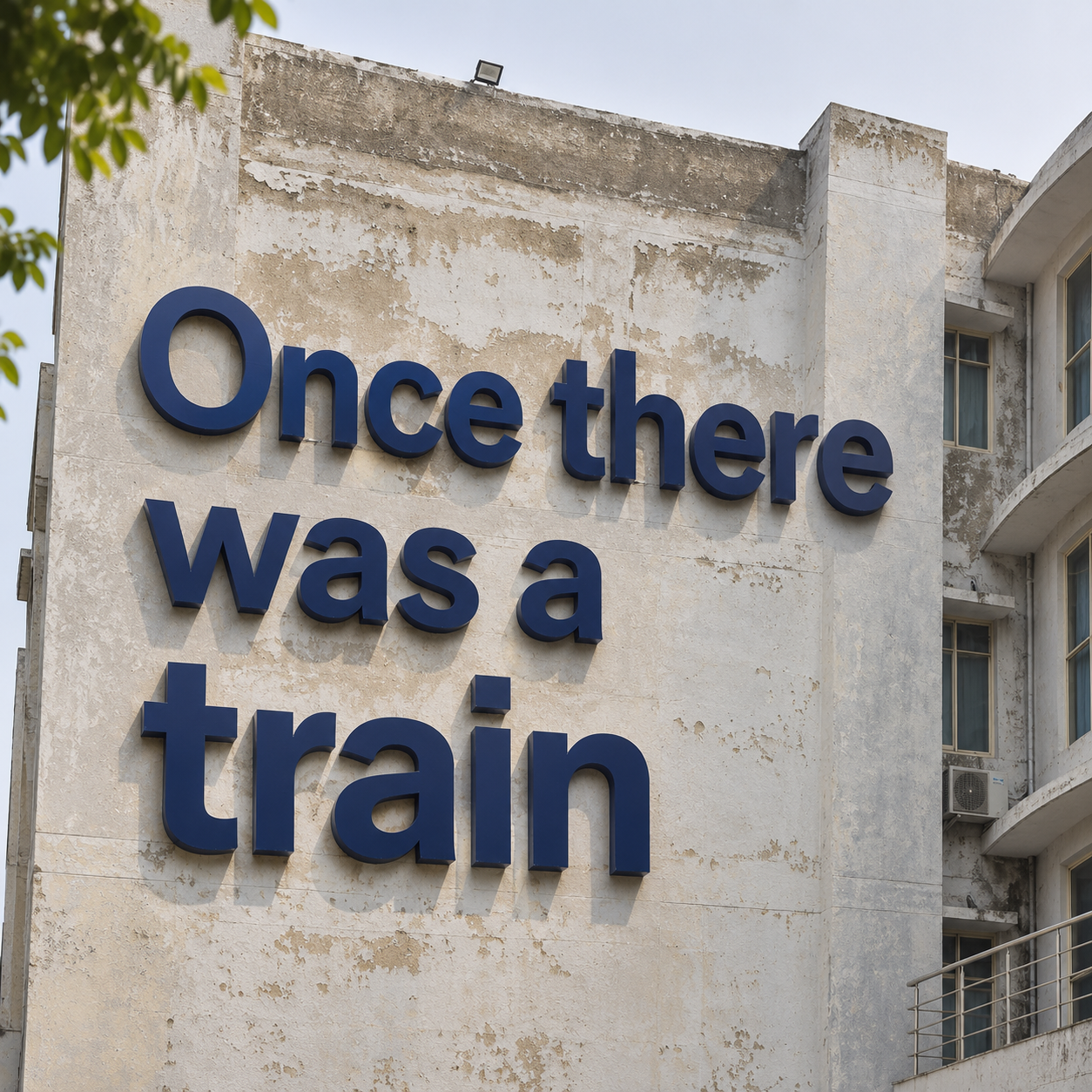
Until a decade ago, people from across Punjab boarded what came to be known as the “cancer train” to Rajasthan, where the Acharya Tulsi Regional Cancer Treatment and Research Institute in Bikaner offered subsidised treatments. Starting from Abohar and stopping at Bathinda at 9 pm, the overnight train carried scores of patients to Bikaner.
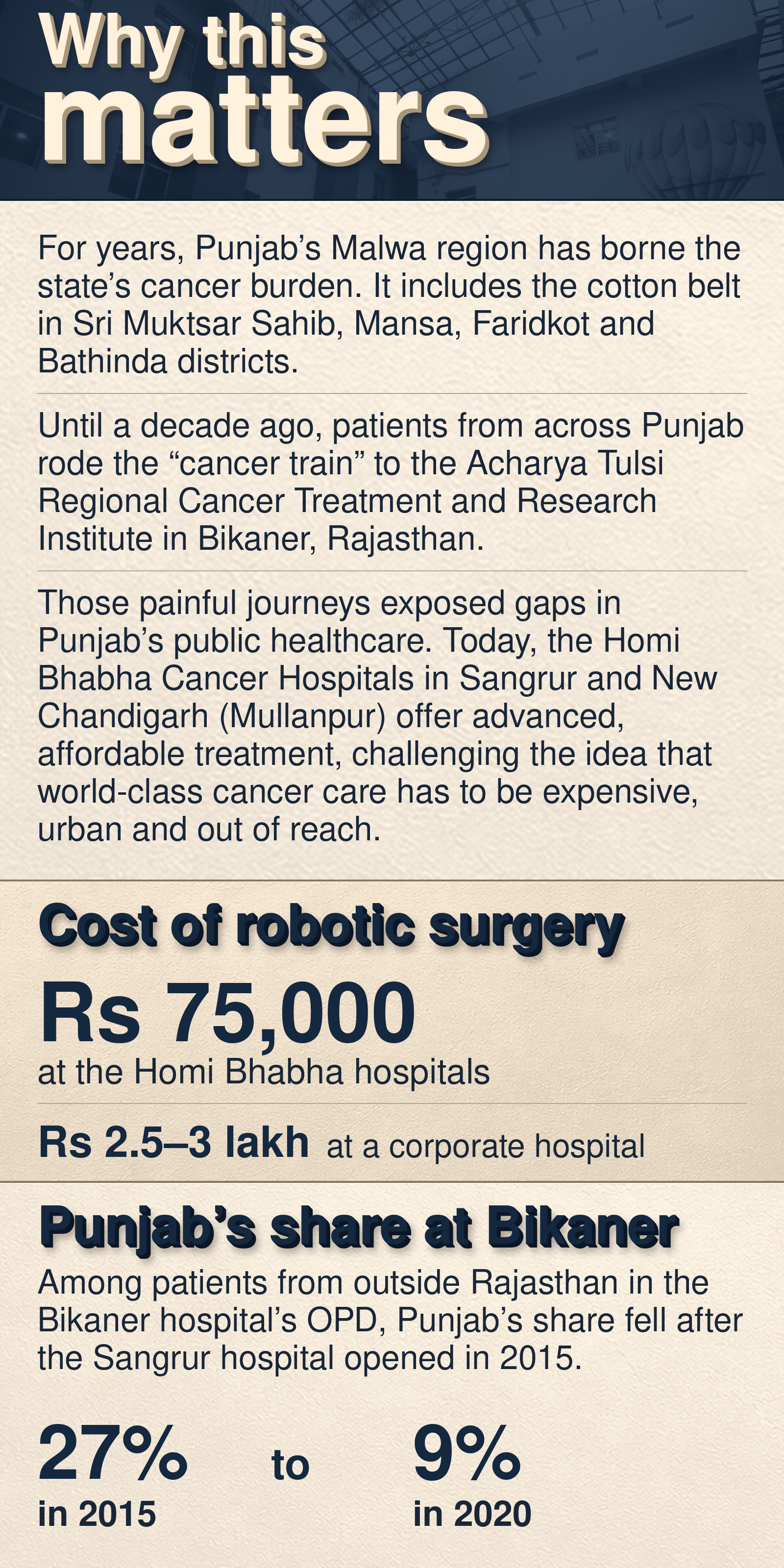
The train, and the painful journeys many undertook, symbolised all that was wrong with public healthcare in the state. Many of them boarded the train because they had nowhere else to go. But today, the Homi Bhabha Cancer Hospital in Sangrur and its main campus in New Chandigarh (Mullanpur) have managed to change the way the region accesses cancer care.
 The number of patients taking the ‘cancer train’ has dropped sharply after 2015, when the Sangrur hospital opened its doors (Express Photo by Jasbir Malhi)
The Sangrur and Mullanpur facilities are part of a network of cancer treatment and research facilities operated by the Tata Memorial Centre under the Central government’s Department of Atomic Energy. Set up with a goal to decentralise cancer care and bring the services of the Mumbai-headquartered Tata Memorial Centre directly to North India, the two public hospitals have drawn patients not only from Punjab but Haryana and Rajasthan too. The hospitals have also helped to take some of the burden off Chandigarh’s Post Graduate Institute of Medical Education & Research (PGIMER), whose oncology departments see around 300 patients daily.
Story continues below this ad
“Everyone was scared of the cancer train. It was commonly believed that those who boarded it never returned,” says Kulwinder Singh, who is visiting the Sangrur facility from Sardulgarh, near Bathinda, with his mother, who has been diagnosed with cancer.
The number of patients taking the ‘cancer train’ has dropped sharply after 2015, when the Sangrur hospital opened its doors. It dropped further after the Mullanpur centre started operating in 2022.
 Dr Tapas Kumar Dora (extreme left) was the first oncologist to arrive at the Sangrur hospital when it opened in 2015 (Express Photo by Jasbir Malhi)
Hospital records demonstrate this: Punjab’s share among patients arriving at the Bikaner facility’s OPD from outside Rajasthan fell from 27% in 2015 to 9% in 2020. According to estimates by senior officials at the Bikaner facility, the daily inflow of patients from Punjab has fallen — from about 100 several years ago to about five.
“The train journey has been reversed,” says Dr Tapas Kumar Dora, the first oncologist to arrive at the Sangrur hospital when it opened in 2015 and is now its officer in charge.
Story continues below this ad
 ⠀⠀
This year, by September 30, the Sangrur hospital had logged 5,751 new cancer patients and Mullanpur 10,059, bringing the total to 15,810 — just short of the 16,035 new patients recorded by the two campuses in 2025.
Roughly 50% of the patients at Mullanpur are from Punjab, while people from Himachal Pradesh, Haryana, Jammu & Kashmir and Uttar Pradesh make up the rest. At Sangrur, 90% of the patients are from Punjab.
These numbers show two things, says Dr Ashish Gulia, the director under whom both the Sangrur and Mullanpur centres operate. “They show the cancer burden in the region. But they also show growing trust,” he says.
 ⠀
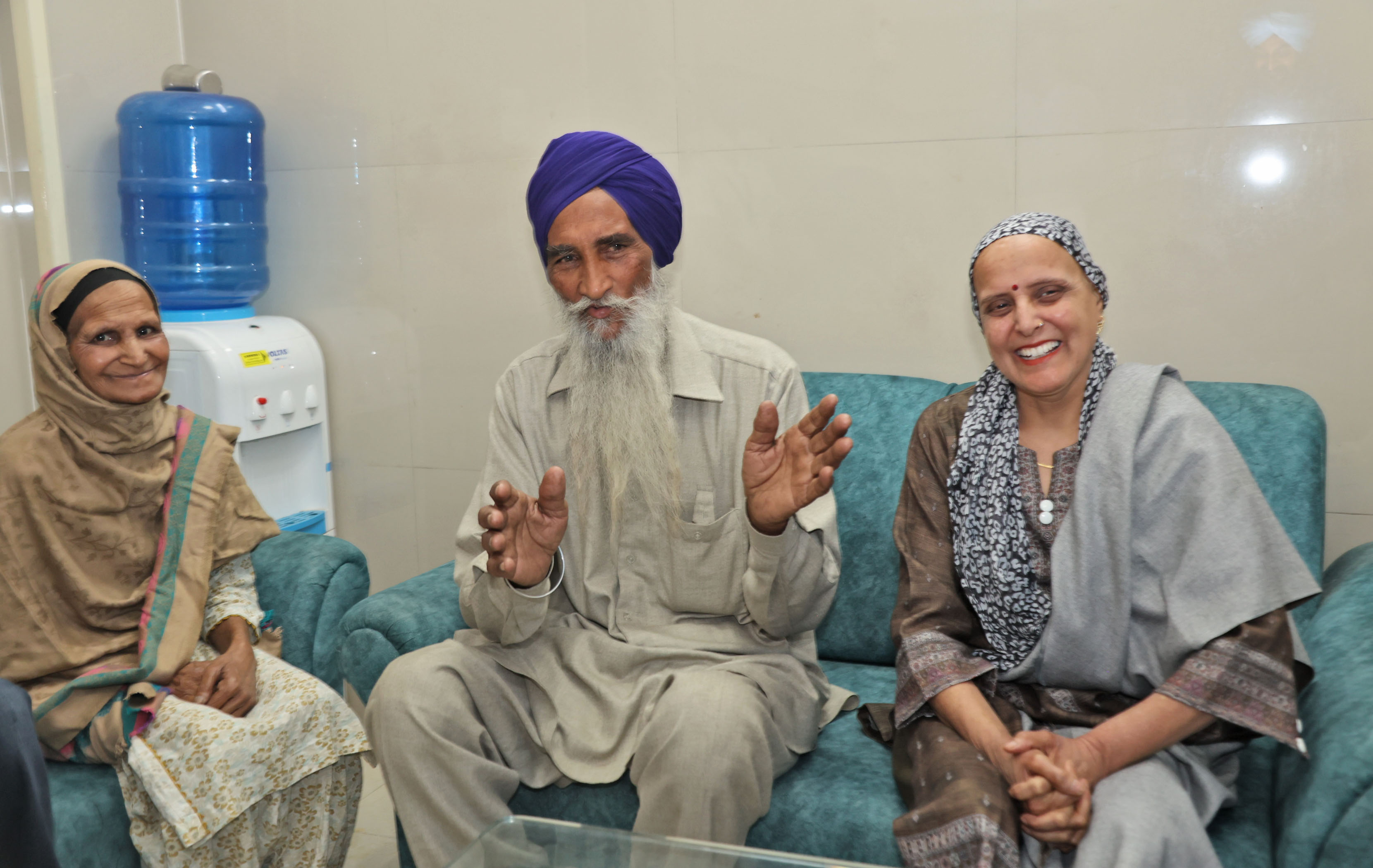
Manjit Kaur is at the Sangrur hospital with her husband Gurmail Singh, 69, who is recovering from a surgery to remove a cancerous cyst in his gums.
Story continues below this ad
From Uchhi Rabbon near Malerkotla, where the couple has three milch cattle and just enough to meet their expenses, they used the Ayushman Bharat scheme to fund the surgery.
“We chose this hospital because it is where five villagers from Uchhi Rabbon were cured of cancer,” says Manjit.
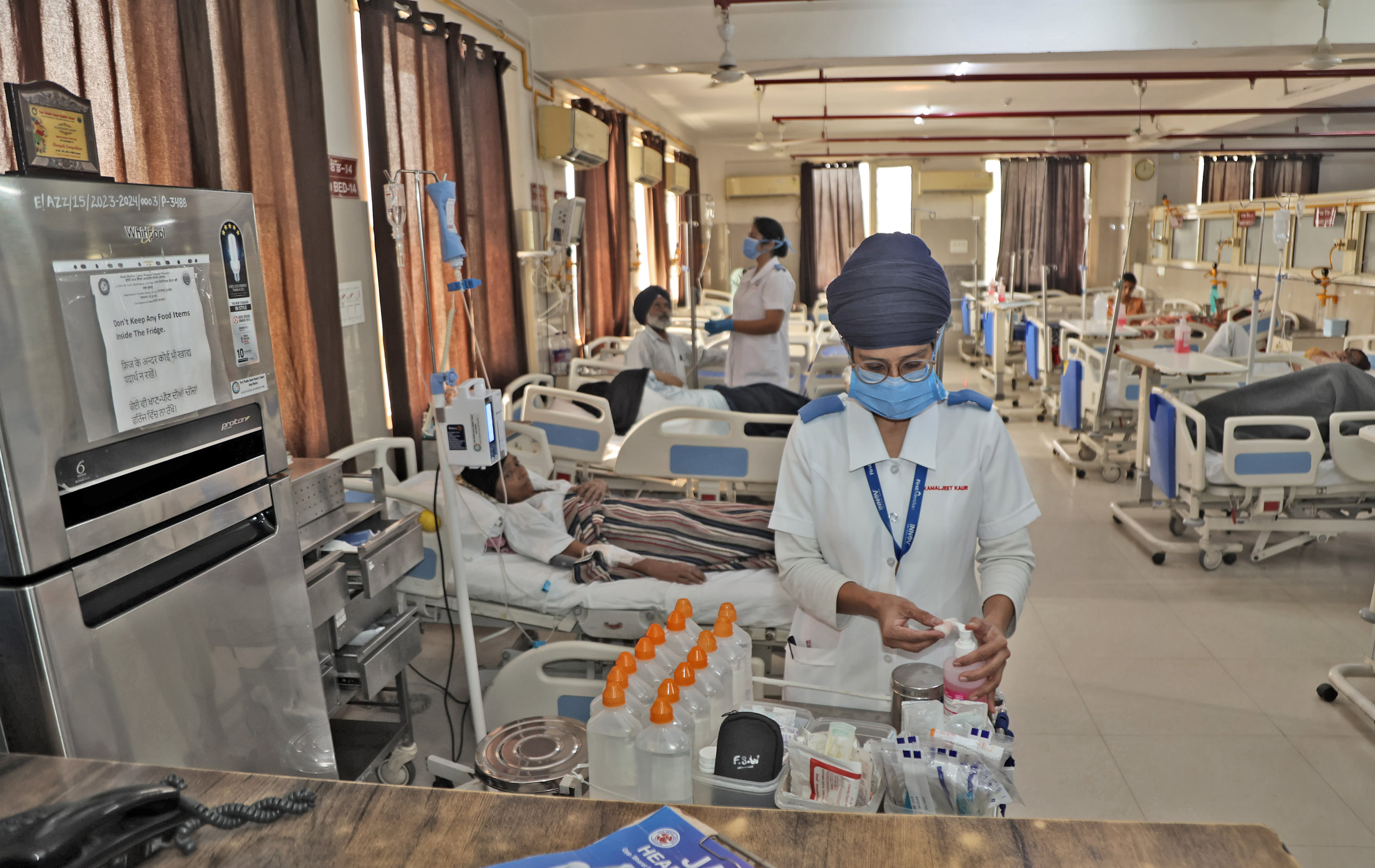
For Gurmail, it has already been a month at the hospital. Manjit spends her days by his bed in a 20-patient ward. Her nights are spent in the dharamshala on campus that’s free for patient attendants. Free langar served on the premises covers her meals.
 Harbans Singh, 70, waits for his doctor at the Homi Bhabha Cancer Hospital in Sangrur. He had btrouble swallowing food before he was diagnosed with Stage 1 oesophageal cancer. He has been visiting the hospital from his village of Bhari Panecha in Patiala for treatment since an endoscopy at Rajindra Hospital Patiala first detected his cancer. Express Photo by Jasbir Malhi
For Gurmail’s after-care, doctors have now advised them to stay on for another week. Under the Ayushman Bharat Pradhan Mantri Jan Arogya Yojana (AB PM-JAY), eligible families receive up to Rs 5 lakh a year for cancer treatment and hospitalisation at empanelled facilities, but routine outpatient visits and extended stays are excluded.
Story continues below this ad
Dr Gulia says that almost 85% of patients across the Sangrur and Mullanpur facilities receive free or heavily subsidised treatment through one of the many government schemes — Ayushman Bharat, Punjab’s Mukh Mantri Sehat Yojana, Himachal Pradesh’s HIMCARE, the Ex-Servicemen Contributory Health Scheme (ECHS) or the Employees’ State Insurance Scheme (ESI).
For those outside these schemes, the hospital draws on donor-funded pools, including a patient welfare fund and a fund for scans or biopsies, which also covers patients before they can avail of the Ayushman Bharat funds. “Last year, we generated more than Rs 60 crore,” Gulia says. “If anybody is curable, that person should not suffer.”
Dr Gulia says their larger ambition is to control cost. “A robotic surgery here can be done with just Rs 75,000, compared to Rs 2.5-3 lakh at a corporate hospital. We remove the middleman,” he says.
Under the Tata Memorial network, medicines for all patients are centrally procured at discounts, directly from companies, after tendering. The average savings come to 40-50% below the maximum retail price, says Dr Gulia.
Story continues below this ad
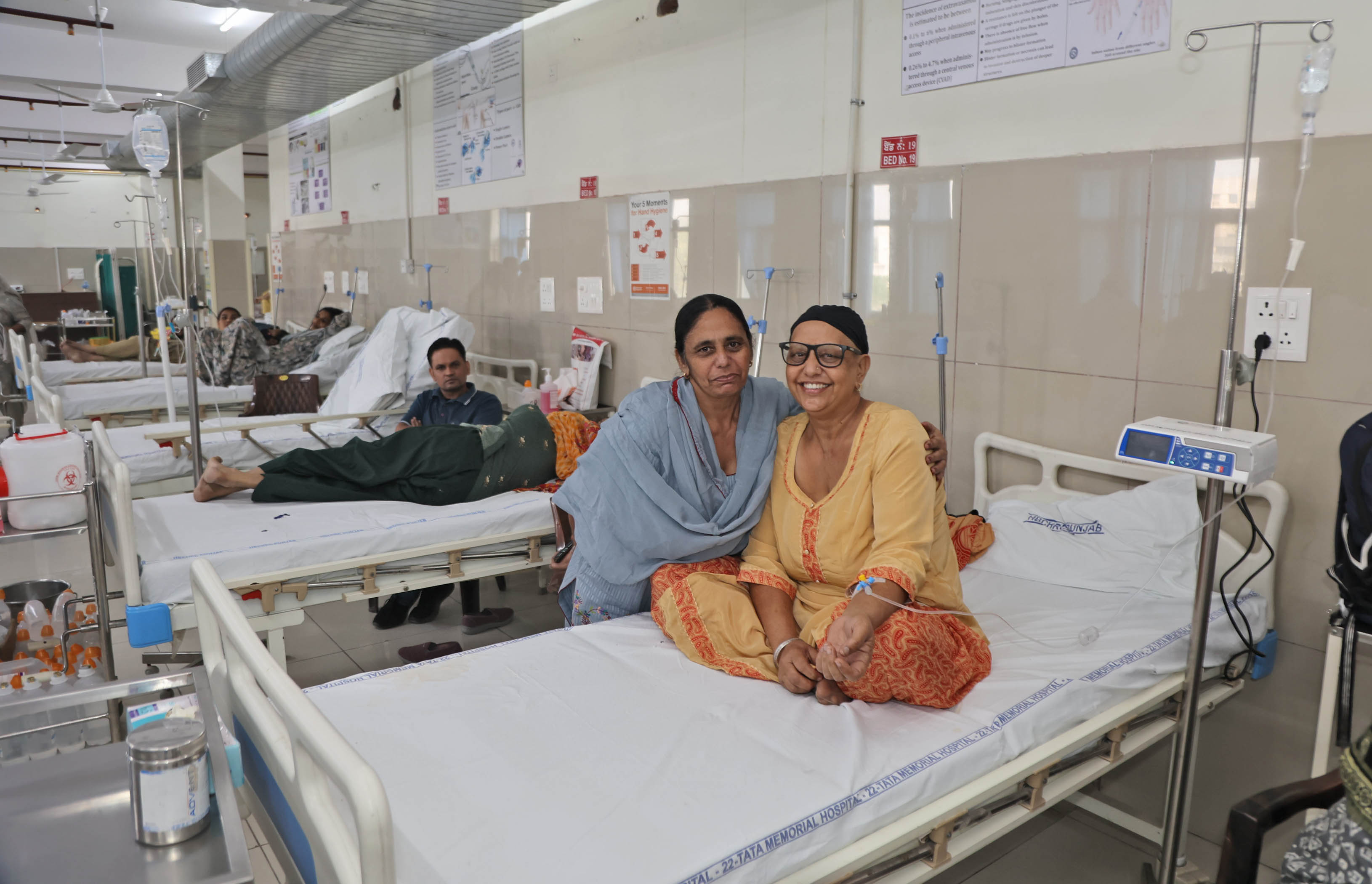 Satinder Kaur at Homi Bhabha Cancer Hospital, Sangrur (Express Photo by Jasbir Malhi)
Manjit is now being guided by the hospital’s ‘kevat’ service on schemes that can help fund their additional stay. Named after the boatmen who ferried Lord Rama across the Sarayu, the kevats serve as patient guides, helping them navigate complex financial, administrative and medical challenges. Sometimes, they connect patients with others facing similar struggles.
At the hospital in Sangrur, Satinder Kaur, her head wrapped in a black scarf, rests after her latest round of chemotherapy. Since she was diagnosed with Stage 2 breast cancer six months ago, she has been taking the bus from her village, Moonak, to Sangrur for her doctor visits. Her doctors, she says, have assured her that the chemotherapy will cure her. “It’s not fatal so long as it’s detected on time,” she says.
 ⠀
Sangrur was not the first choice for Punjab’s first Tata Memorial Hospital.
In 2013, then Punjab Chief Minister Parkash Singh Badal, who wanted to set up a cancer-care facility in the state, led a delegation of officials to Mumbai to meet then Tata Memorial Hospital director Dr R A Badwe. The Tata Memorial Centre was interested in a facility in Chandigarh or Mohali, and land was accordingly allotted in Mullanpur, in the northern part of Mohali.
Story continues below this ad
However, rural Punjab urgently needed cancer care, and the project at Mullanpur was expected to take years. Then Sangrur MP Vijay Inder Singla sought the intervention of then Prime Minister Manmohan Singh, finally paving the way for the facility in Sangrur, adjacent to the Civil Hospital.
On a foggy January day in 2015, Dr Tapas arrived in Sangrur, transferred from the Tata Memorial Centre in Mumbai. With the help of Lakhbir Singh, a local ITI graduate who doubled up as an electrical and civil engineer, he immediately got to work.
“We innovated and improvised every day,” says Dr Tapas, who hails from Odisha and completed his MBBS and MD (Radiation Oncology) degrees from Cuttack.
Showing old photos of workers building the aerial bridge that now connects the hospital’s new and old buildings, Dr Tapas recalls that locals would line up to see what was coming up.
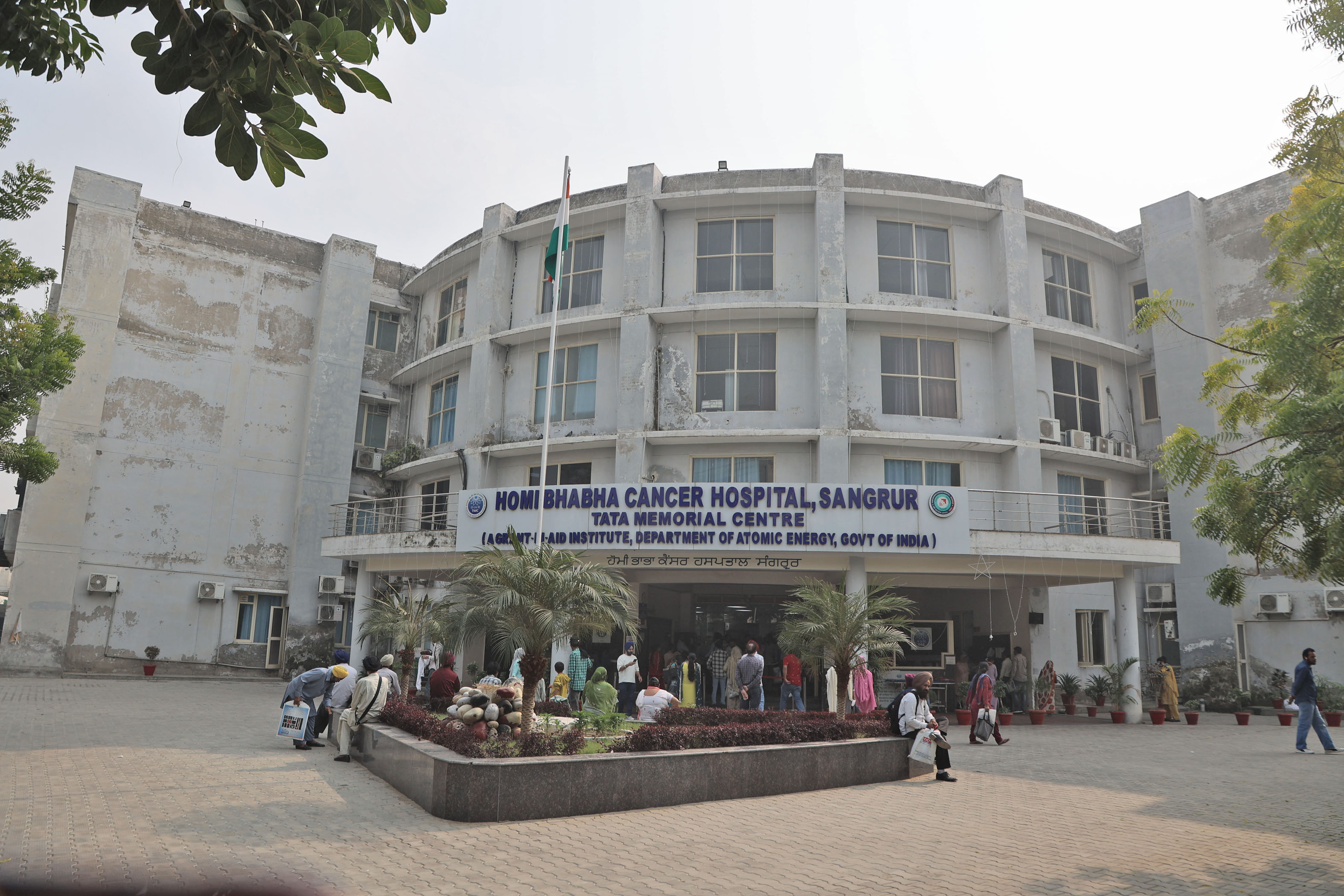 In 2015, the Sangrur cancer facility began operating with just six beds. Now, it has 150 (Express Photo by Jasbir Malhi)
By March 2015, the operation theatre had been set up in what was a store in the Civil Hospital. With patients starting to trickle in, the cancer facility began operating with just six beds.
In 2016, Dr Tapas commissioned a linear accelerator for treating tumours with targeted radiation, followed by a bronchoscope to check for lung cancer in 2018. Interventional radiology was introduced in the hospital in 2021.
But there were other problems. Few trained doctors wanted to come to Sangrur from Mumbai. Initially, they got new residents to serve a one-year bond. “Some ended up liking it here and stayed on,” says Dr Tapas.
Next, they started a few paramedical courses, for which students with Punjab domicile were given preference. After they graduated, they had to work at the hospital for at least a year, a strategy that ensured a steady stream of paramedical staff.
Currently, the Sangrur facility has 240 students in six courses, including BSc Medical Radiography and Imaging Technology, BSc Radiotherapy Technology and BSc Operation Theatre Technology.
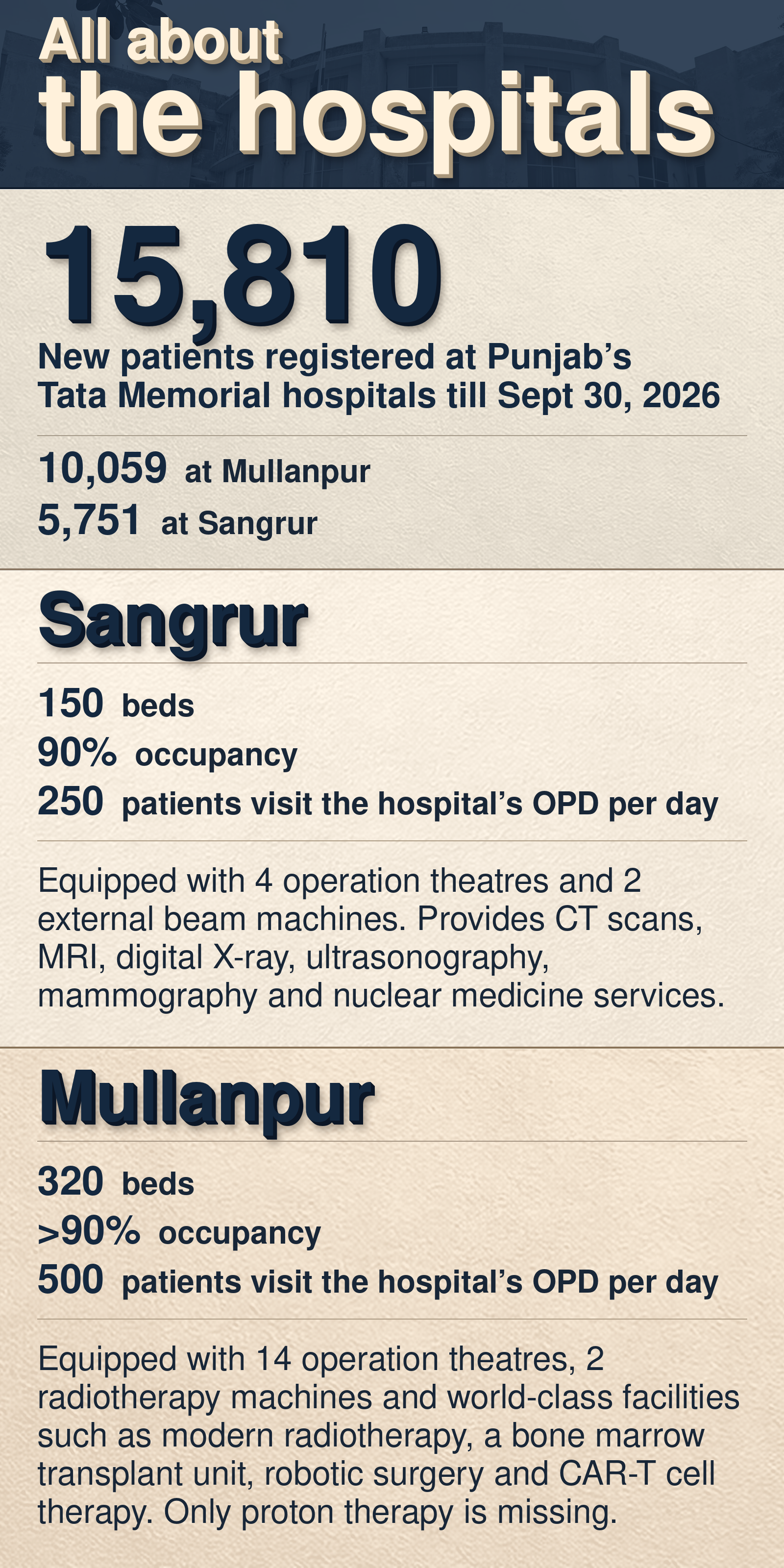 ⠀
The hospital has now expanded to 150 beds and four OTs. Currently, its outpatient footfall is nearly 250 patients daily, and bed occupancy is over 90%.
The centre has two external beam machines that treat nearly 100 patients daily. It also provides patients with CT scans, MRI, digital X-ray, ultrasonography, mammography, and nuclear medicine services. Its dedicated cancer prevention department holds cancer screening camps in villages across Punjab, and cancer walkathons and seminars in government schools in the state.
Dr Tapas says relocating to Sangrur was “the best decision” of his life. “The patients are grateful and are always showering blessings on the staff. This is very different from my experience elsewhere,” he says.
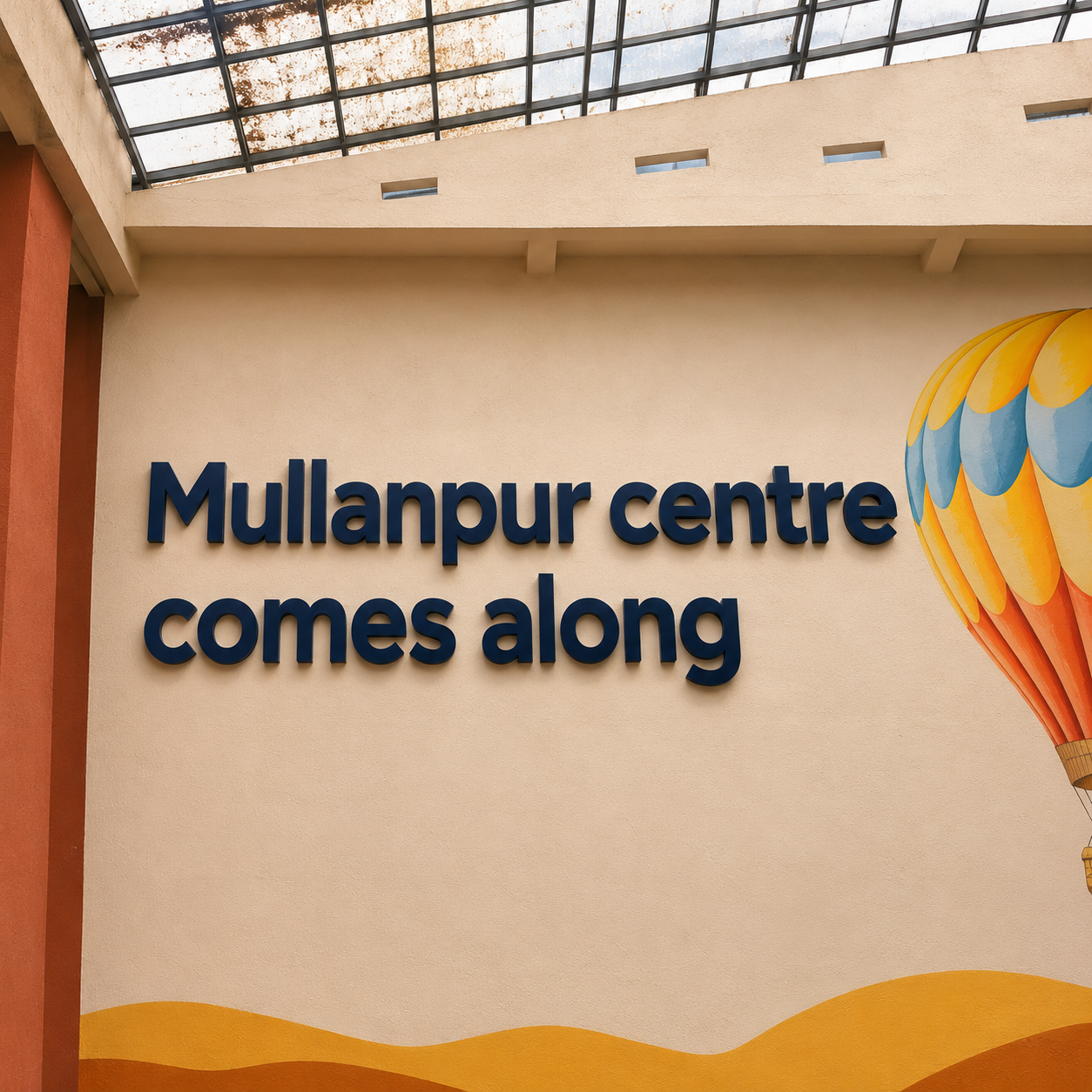 ⠀
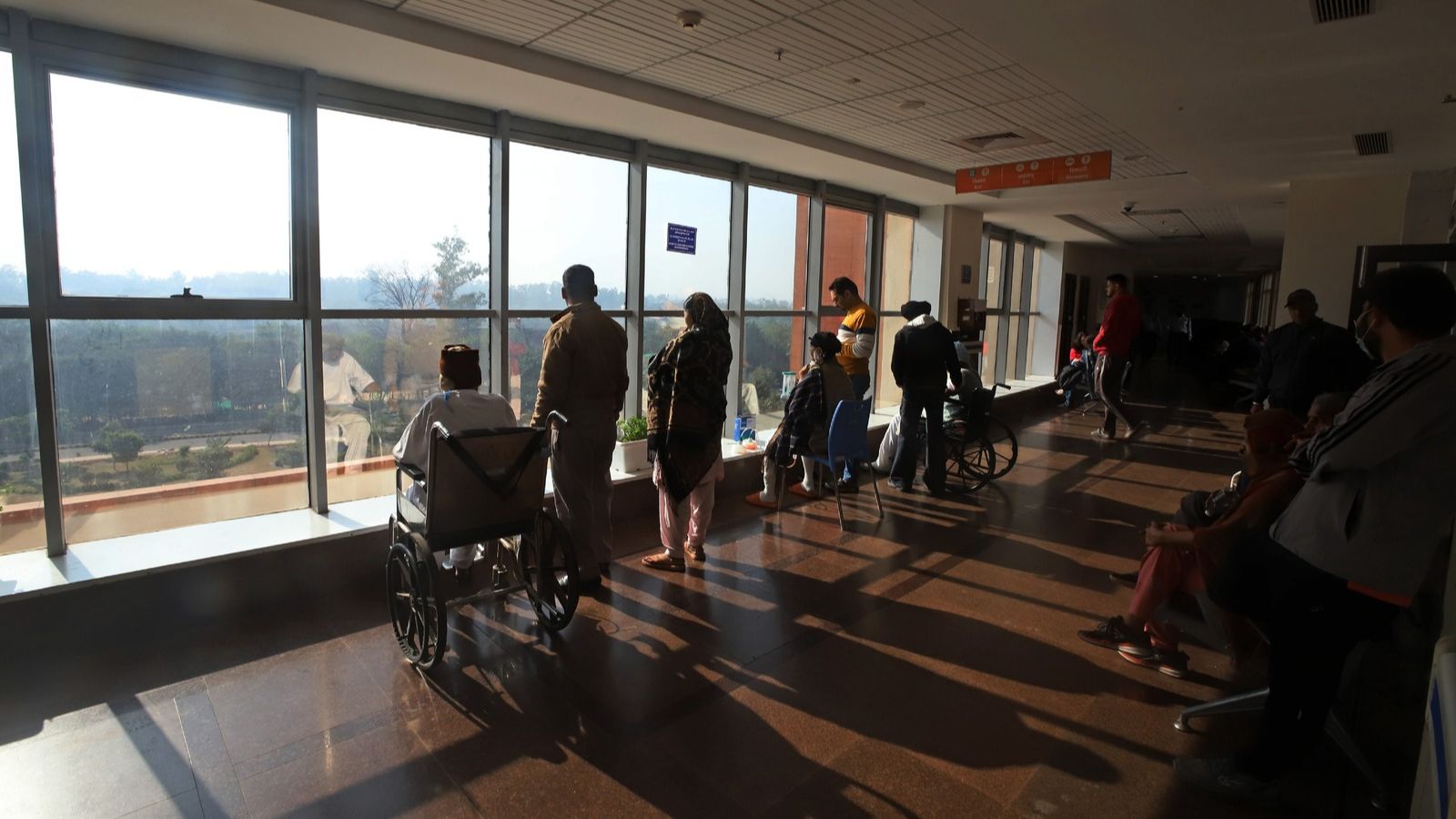
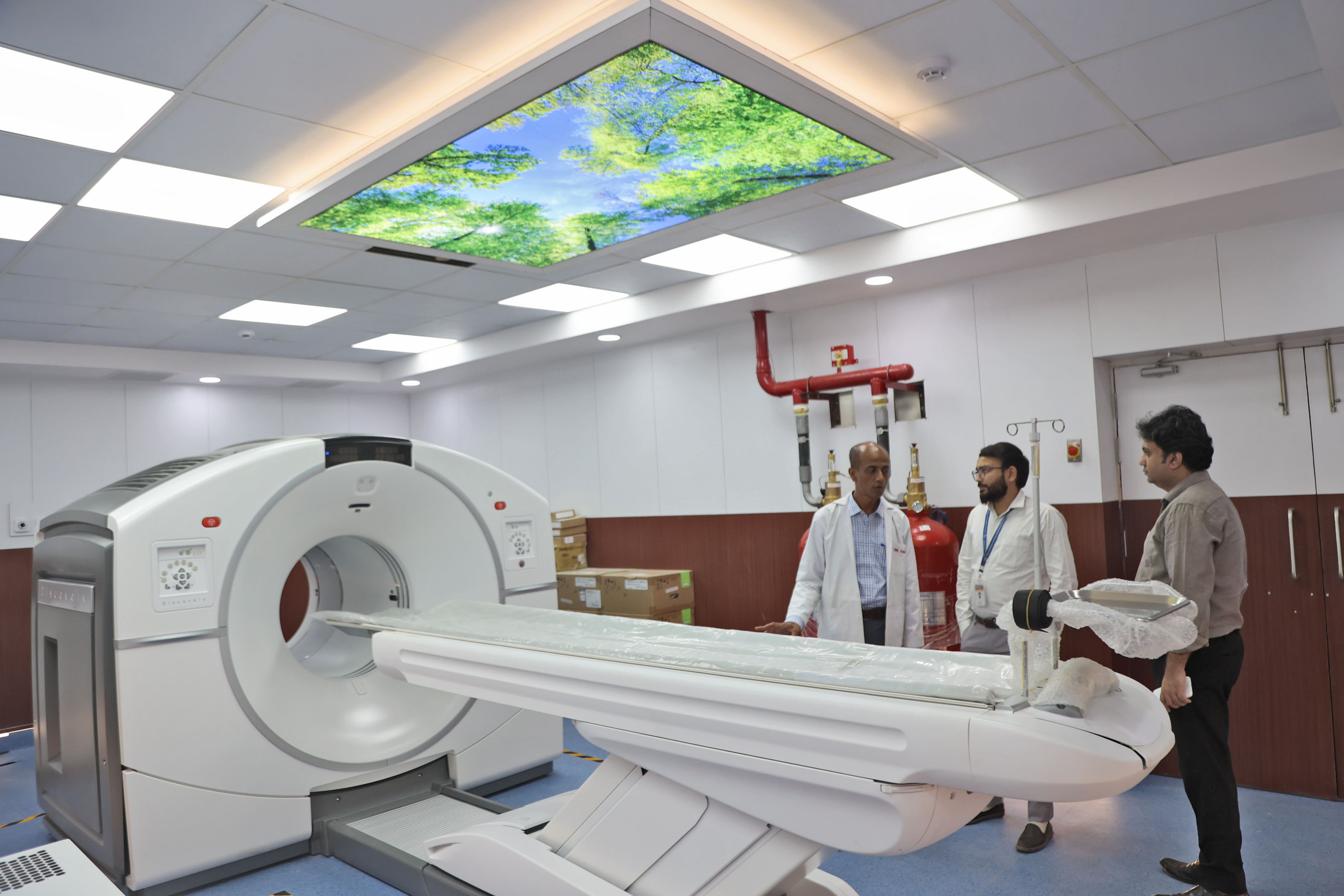
The first thing anyone notices at the Mullanpur facility is not the queue, the smell of disinfectant or the anxiety that usually hangs over a cancer ward. It’s the light that streams into the waiting hall from the cathedral-like ceiling. The corridors are wide and spotless. There is air, space and an unusual calm.
The building was designed, its director says, to make people feel less afraid. “Cancer is curable. But the fear delays people,” says Dr Gulia. “We wanted a hospital where a patient does not feel trapped.”
On August 24, 2022, Prime Minister Narendra Modi inaugurated the Mullanpur centre. While land had been allocated in 2012-13, the project had remained stuck due to issues with environment clearance, land acquisition, finances and then Covid-19.
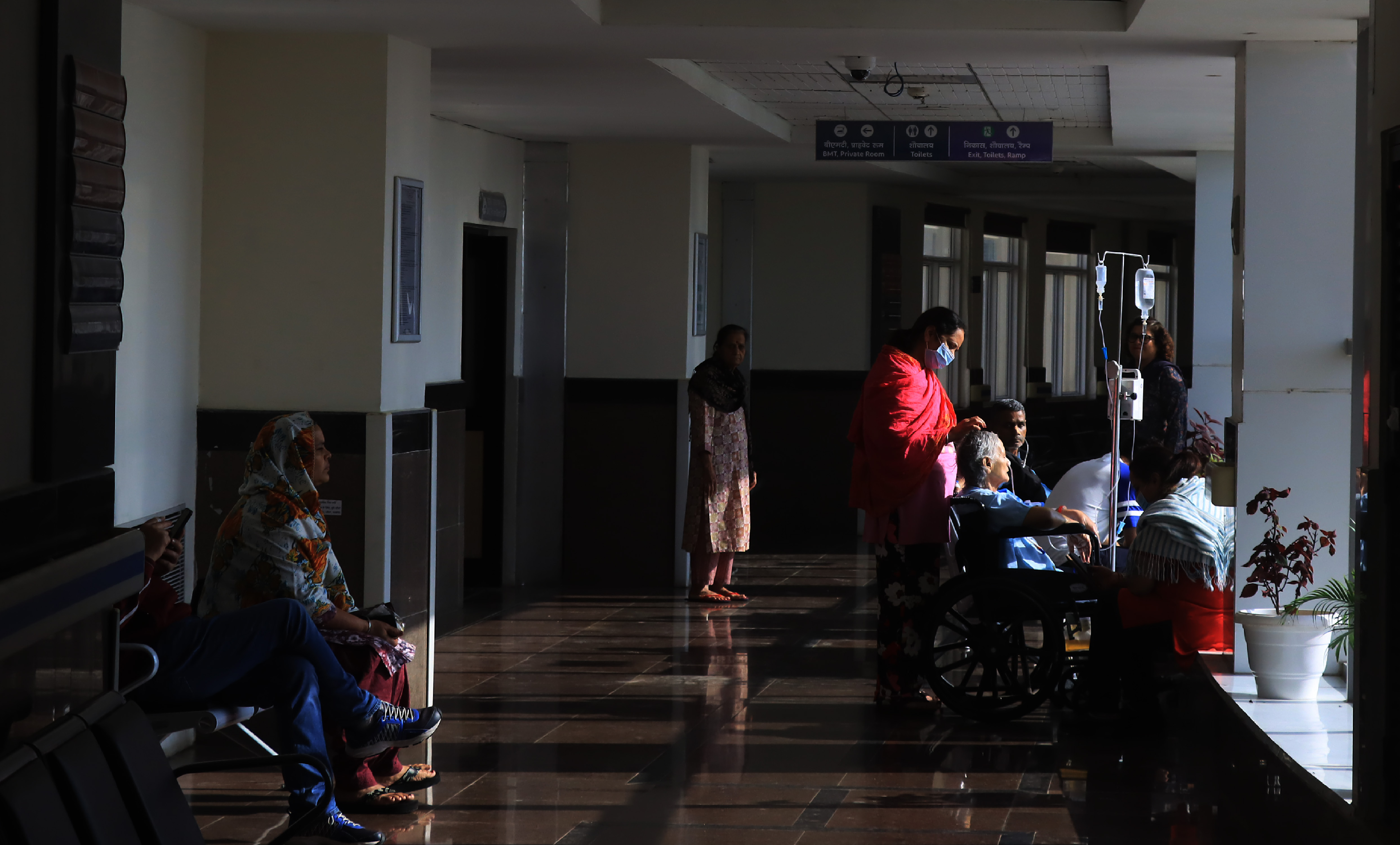 Light streams into the waiting hall of the cancer hospital in New Chandigarh from its cathedral-like ceiling (Express Photo by Kamleshwar Singh)
“It was a pretty tough journey,” says Dr Gulia, who moved to Punjab from Mumbai’s Tata Memorial Centre in 2023. “But within a year and a half of operation, we were almost fully occupied.”
The hospital has 300-320 beds, 14 operation theatres and two radiotherapy machines. It has a bone marrow transplant unit, and offers robotic surgery and CAR-T cell therapy. Dr Gulia says barring proton therapy, which involves a Rs 600-crore machine, the Mullanpur centre has “every other world-class facility”. For now, patients who need the therapy are referred to Tata Memorial’s Mumbai facility.
Across the Sangrur and Mullanpur hospitals, there are more than 200 doctors, 500 nursing staff, 300 support staff and 700 administrative staff. Specialists and staff move between the campuses, allowing patients to draw on a wider pool of expertise.
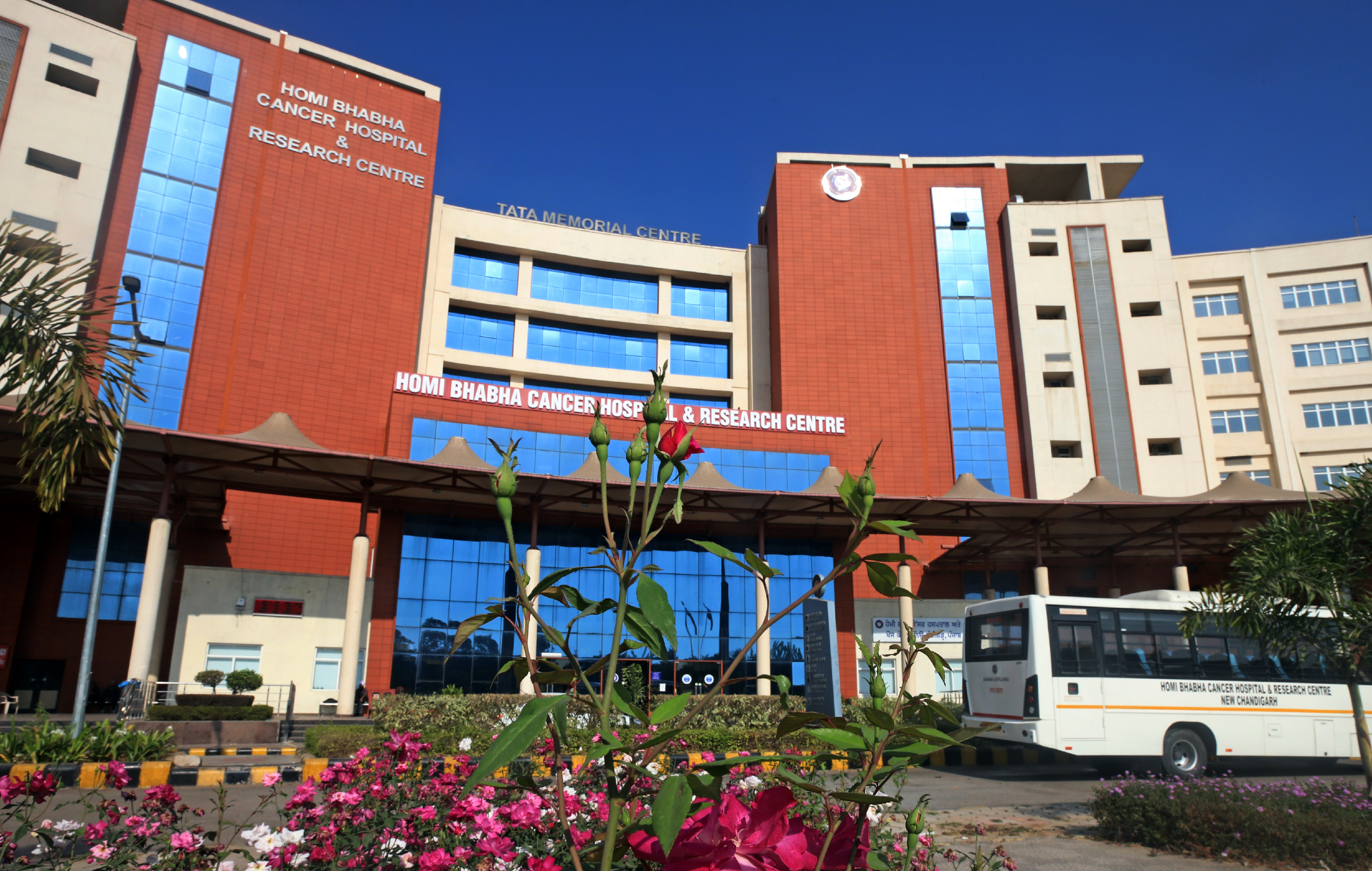 On August 24, 2022, Prime Minister Narendra Modi inaugurated the Mullanpur centre (Express Photo by Kamleshwar Singh)
Dr Gulia, who is based in Mullanpur but visits Sangrur with his team every week, estimates that the two centres have treated nearly a lakh patients so far. He expects nearly 20,000 new patients this year, since “the burden of common cancers shows no sign of diminishing”.
It was at the Mullanpur centre that Gursewak, the plumber from Dhaipai village who was diagnosed with hairy cell leukaemia, spent six months starting January 2025. His wife, Sandeep Kaur, 39, stayed at the on-campus dharamshala, sometimes sleeping on a mattress next to his bed.
“We did not have to pay a paisa for the chemotherapy or the medicines. We only spent on tea for relatives who occasionally came to see me,” he says.
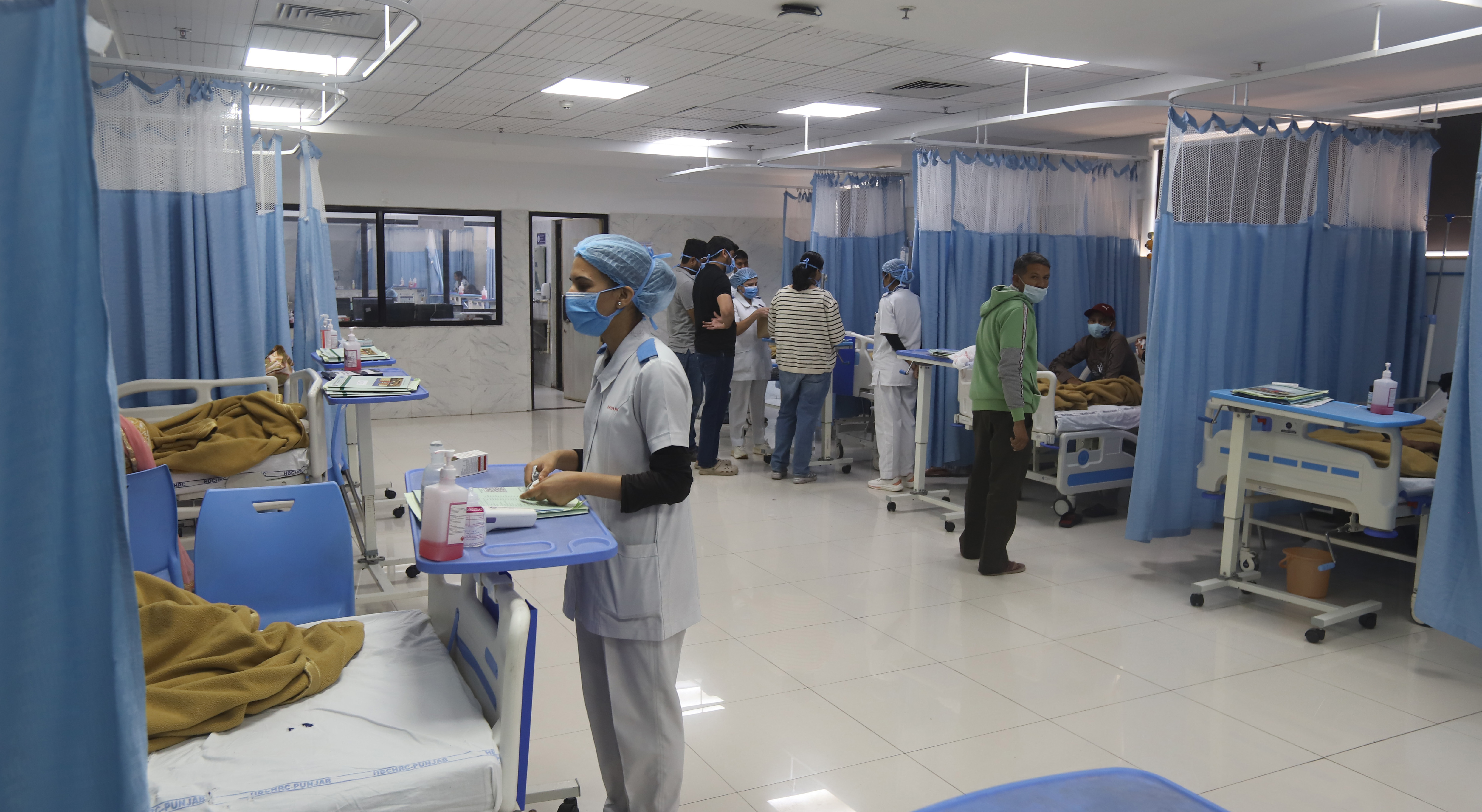 It was at the Mullanpur centre that Gursewak spent six months for his treatment (Express Photo by Kamleshwar Singh)
He has been cancer-free for over a year and currently does not need any medication. “I simply eat healthy and walk 8 km a day,” he says Gursewak, who is now back at work.
Once in a while, he boards a bus that leaves for Chandigarh at 5.30 am, and reaches Mullanpur in just three hours. At the hospital, he meets patients and tells them to hold on. “I tell them to be mentally strong. You have to first beat it in your dimaag (mind),” says the 40-year-old.
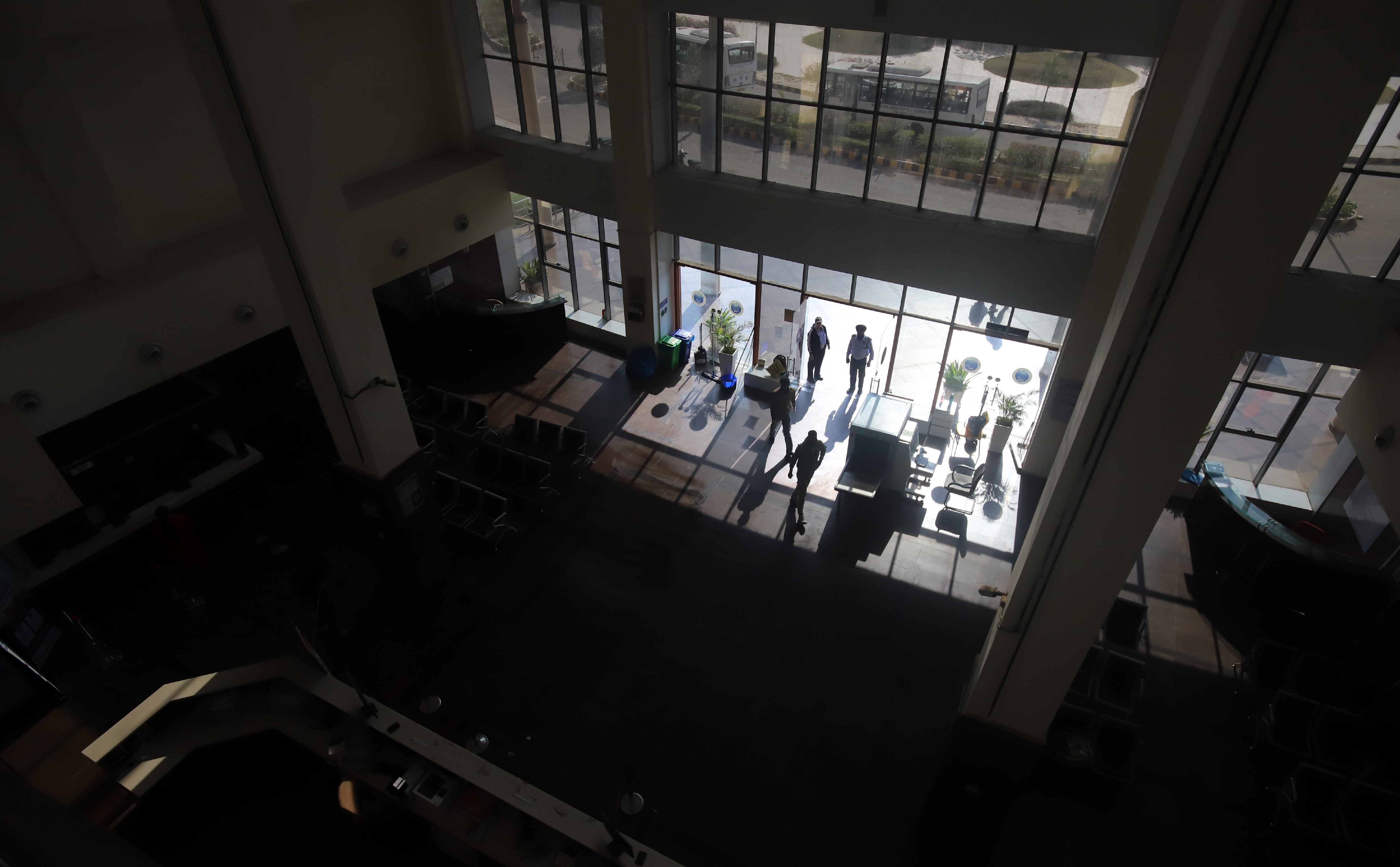 The Mullanpur building was designed, its director says, to make people feel less afraid (Express Photo by Kamleshwar Singh)
KioskNews shows a cleaned-up reading view extracted from the publisher’s page — the original always lives on their site, not ours.