China’s local officials feel financial stick long before seeing carrot
Every Chinese New Year, a finance official in an eastern Chinese county braces for visitors. They run businesses to which his county owes money. When the county lacks the money to pay, he sometimes stops answering his phone. He described those visits to The Economic Observer, a business weekly.
Beijing has now taken his problem and made it his superiors’ problem. In a report to China’s legislature published on November 5, the State Council said the number of local government financing vehicles – investment companies formed by local governments to raise funds – had fallen 92 per cent since 2023. The rest must leave the official list by next June.
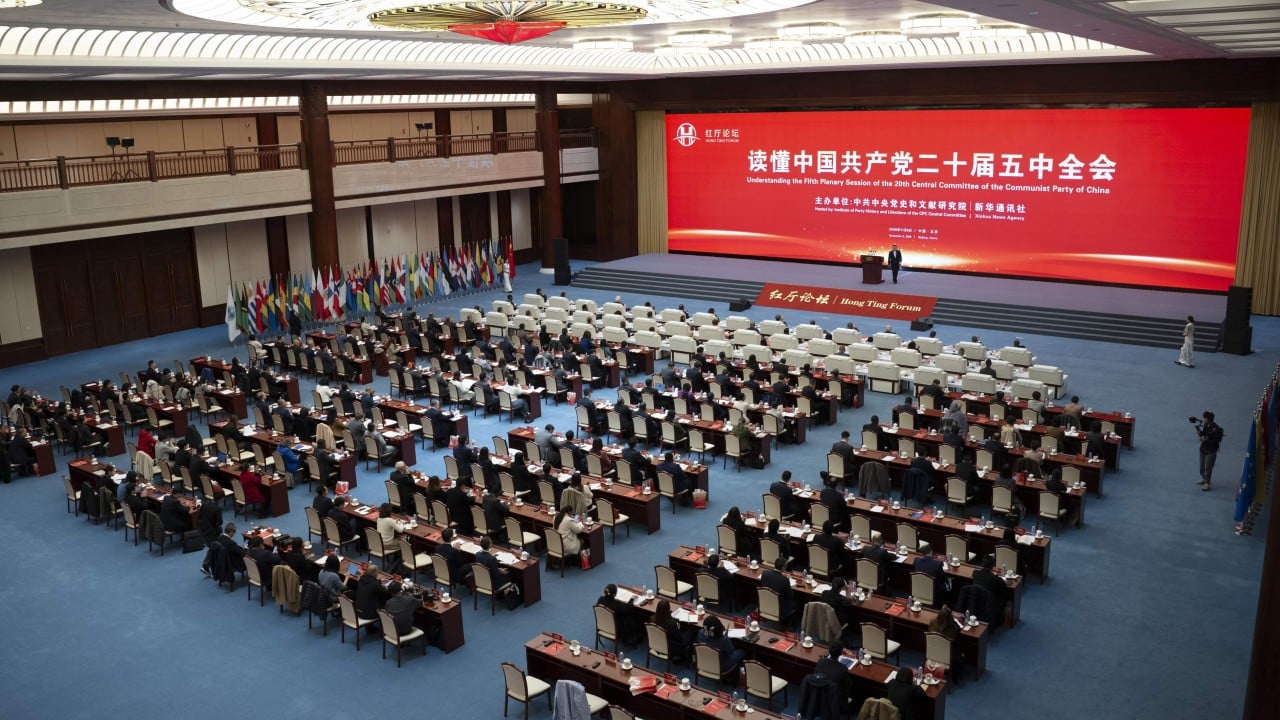
Days earlier, a decision by the Communist Party’s fifth plenum ordered a crackdown on officials who ignore inherited debt, abruptly reverse policies or take on illicit new hidden debt. For investors and suppliers, Hong Kong’s among them, who deal with mainland China’s local governments that matters more than the next stimulus package.
For decades, local officials were judged on growth and competed with cheap land, tax rebates and hidden borrowing. Provinces and cities have now scrapped or rewritten 833 rules and contract clauses promising tax rebates.
The central government’s stick is also personal. Wu Shenghua, a former party secretary of Bijie in Guizhou province, had asked publicly why he should repay his predecessors’ debts. He was expelled from the party in January on grounds that included bribery and failing to tackle local debt risk. A new party secretary now has more to answer for.
The stick reaches Hong Kong. Local financing vehicles sold more than US$46 billion of offshore bonds last year, mostly through Hong Kong and Macau. Beijing now lets these vehicles borrow offshore primarily to refinance. About US$40 billion of their offshore bonds fall due next year, the year they must leave the list. Once off the list, they will be ordinary companies. Holders should not assume a local government will stand behind every one.
03:00
China’s fifth plenum focuses on discipline and loyalty to Xi
The money for industry has moved rather than disappeared. Guangdong, next door to Hong Kong, is building a strategic industries fund with a target of 100 billion yuan (US$15 billion), and Beijing’s policy banks fund national priorities. For Hong Kong investors, the counterparty that matters is shifting from the county to the province. It is still a government, so the old question of “who pays?” remains. It is the same ambition, just better organised.
Sceptics might argue that every Chinese campaign fades. This one will not fade for lack of a stick, but it could stall for lack of a carrot. The order is deliberate: discipline first so new money is not wasted. The risk is that the carrot arrives too late.
Beijing has issued 98 per cent of the bonds it set aside to swap hidden debt. That money mostly refinances what local governments owe banks and bondholders. Officials have received promises. The central government has pledged to provide local governments a share of consumption tax, but it has set no date for its disbursement.
In 2018, the party promised to protect officials who make mistakes while trying new things. A scholar at a provincial party school wrote in August that those rules mostly stay on paper. The plenum has promised again. When a Jiangsu official was cleared, and even promoted, last year after approving a project before all its technical requirements were met, it was rare enough to make national news. Protection is news. Punishment is routine.
The test is whether suppliers get paid. A landscaping contractor from Nantong, Jiangsu province, was sued by his own suppliers because he still owed them for gardens he built six years ago at a public cultural centre.
An executive told The Economic Observer he overheard provincial finance officials describe the drill: delay the final inspection, then delay settlement, then delay payment. A Hong Kong supplier to a mainland county should ask at which stage its bill is stuck and which budget will pay it. A letter of support from the province is not payment.

The county finance official mentioned above has run into a flaw in the rules. After his county reported more of what it owed, he was notified that such arrears count as hidden debt. More hidden debt weighs against officials at performance review time and limits what the county can borrow. The county stood to be penalised for its candour. Others will learn to report less.
Two steps before the party congress next year would bring the carrot forward: protection for officials who report unpaid bills and a date for handing over the consumption tax. Without them, frightened officials will approve less, report less and declare debts settled that are not. The first checkpoint comes in June: whether the financing vehicles leave the list with their bonds paid.
Investors prize one thing above rebates: rules that outlast the officials who sign them. Beijing is right to push local governments in this direction. The verdict will come from that eastern county and whether its finance official can answer his phone next Chinese New Year.
KioskNews shows a cleaned-up reading view extracted from the publisher’s page — the original always lives on their site, not ours.