India and UAE deepen energy ties with proposed strategic oil storage deal
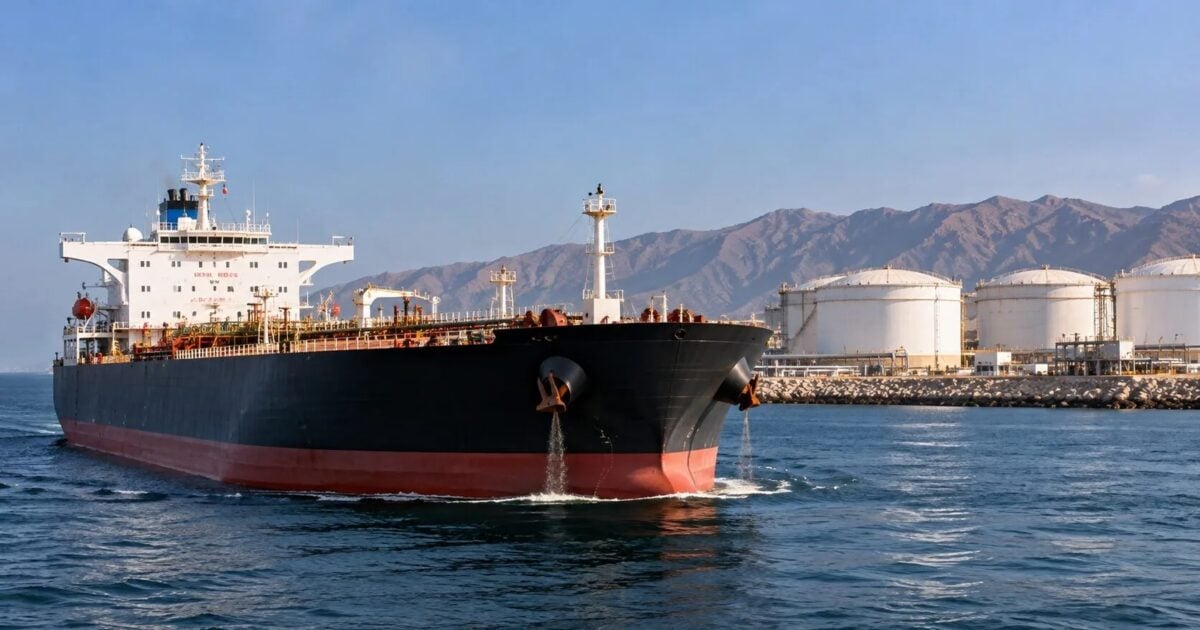
Nov 15 – India and the United Arab Emirates are considering a new energy security arrangement that would allow New Delhi to store part of its strategic oil reserves in Fujairah, while expanding Abu Dhabi’s access to storage facilities in India.
The proposal, announced during a May 2026 visit, builds on an energy partnership that has evolved from crude oil supplies to joint investments in oil production, strategic reserves and long-term gas contracts.
Under the proposed arrangement, Abu Dhabi National Oil Company (ADNOC) could store up to 30 million barrels of crude oil in India. The two countries are also exploring the possibility of India holding part of its emergency oil stocks in Fujairah, an important UAE export hub outside the Strait of Hormuz.
The arrangement is aimed at strengthening energy security and reducing exposure to disruptions along one of the world’s most important oil shipping routes.
From oil storage to joint investments
The partnership dates back to May 2018, when the tanker MT Inspiration delivered two million barrels of Abu Dhabi crude to an underground storage facility in Mangalore, on India’s western coast.
The shipment marked the beginning of an agreement allowing ADNOC to store up to 5.86 million barrels of crude oil in India at its own cost, while retaining the right to sell the oil commercially.
The deal coincided with growing Indian investment in Abu Dhabi’s oil industry.
In 2018, a consortium comprising ONGC Videsh, Indian Oil Corporation and Bharat PetroResources acquired a 10 per cent stake in Abu Dhabi’s Lower Zakum offshore oil concession for $600 million.
The investment was India’s first in Gulf oil production and was expected to provide the consortium with an average of 1.75 million tonnes of crude annually over the 40-year concession.
India’s dependence on imported energy has grown significantly over the years. Its oil imports increased from fewer than one million barrels per day in the 1990s to approximately 4.4 million barrels daily by 2018.
The UAE has since become one of India’s leading energy suppliers. By 2026, it was India’s fourth-largest source of crude oil and second-largest supplier of liquefied natural gas (LNG) and liquefied petroleum gas (LPG).
Fujairah offers an alternative export route
The proposed arrangement would give India access to oil reserves stored in Fujairah, where tankers can load crude without navigating the Strait of Hormuz.
The port is connected to Abu Dhabi’s onshore oilfields through a 406-kilometre pipeline, allowing crude to reach the Gulf of Oman and international markets while bypassing the strait.
The route has gained strategic importance amid disruptions to shipping in the Gulf following the regional conflict in 2026.
ADNOC is also developing a second export route to Fujairah through its West-East Pipeline project, which is expected to become operational in 2027. The company anticipates that the project will double its export capacity through the port.
In India, the proposed 30-million-barrel storage arrangement could involve existing facilities in Visakhapatnam, Andhra Pradesh, and the development of new reserve infrastructure in Chandikol, Odisha.
The agreement also provides for possible cooperation in LNG and LPG storage facilities.
Partnership expands to gas supplies
Beyond crude oil, the two countries are strengthening cooperation in natural gas and petroleum products.
During the May visit, ADNOC and Indian Oil agreed to explore long-term LPG supply arrangements, including opportunities for commercial purchases and sales.
The companies already have a long-term LNG supply agreement. In August 2025, ADNOC signed a 15-year contract to supply Indian Oil with up to one million tonnes of LNG annually, primarily from its Ruwais project.
ADNOC expects Indian Oil’s total purchases under its long-term agreements to reach 2.2 million tonnes annually from 2029, making it the Abu Dhabi company’s largest LNG customer.
In January 2026, ADNOC Gas also signed a 10-year LNG supply agreement with Hindustan Petroleum Corporation, valued at between $2.5 billion and $3 billion.
India is expected to account for 20 per cent of the LNG volumes marketed by ADNOC Gas by 2029.
The proposed Fujairah arrangement would mark another step in the evolving energy partnership, giving India greater flexibility in managing its strategic reserves while strengthening the UAE’s position as a major energy supplier.
KioskNews shows a cleaned-up reading view extracted from the publisher’s page — the original always lives on their site, not ours.