Restricting smartphone use in schools boosts GCSE results, study finds
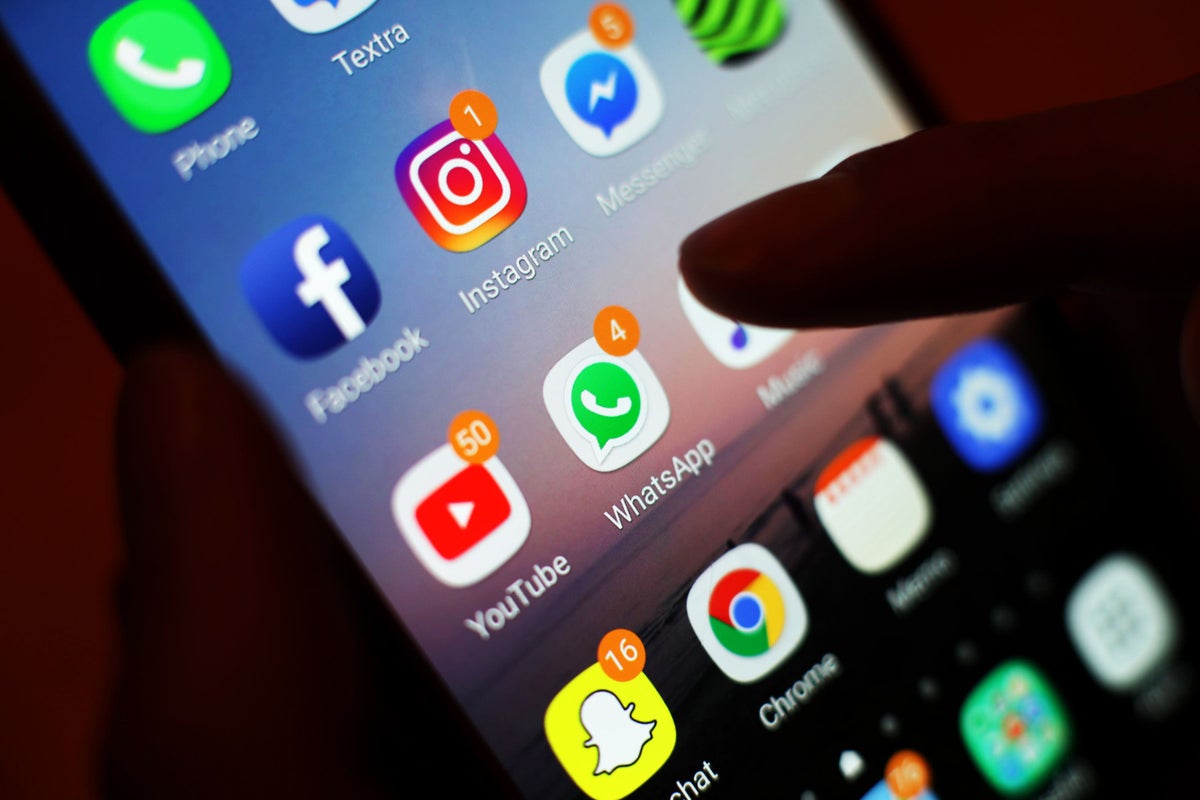
More than half of secondary schools using technology to restrict pupils’ smartphones have reported an increase in GCSE results, according to a new report.
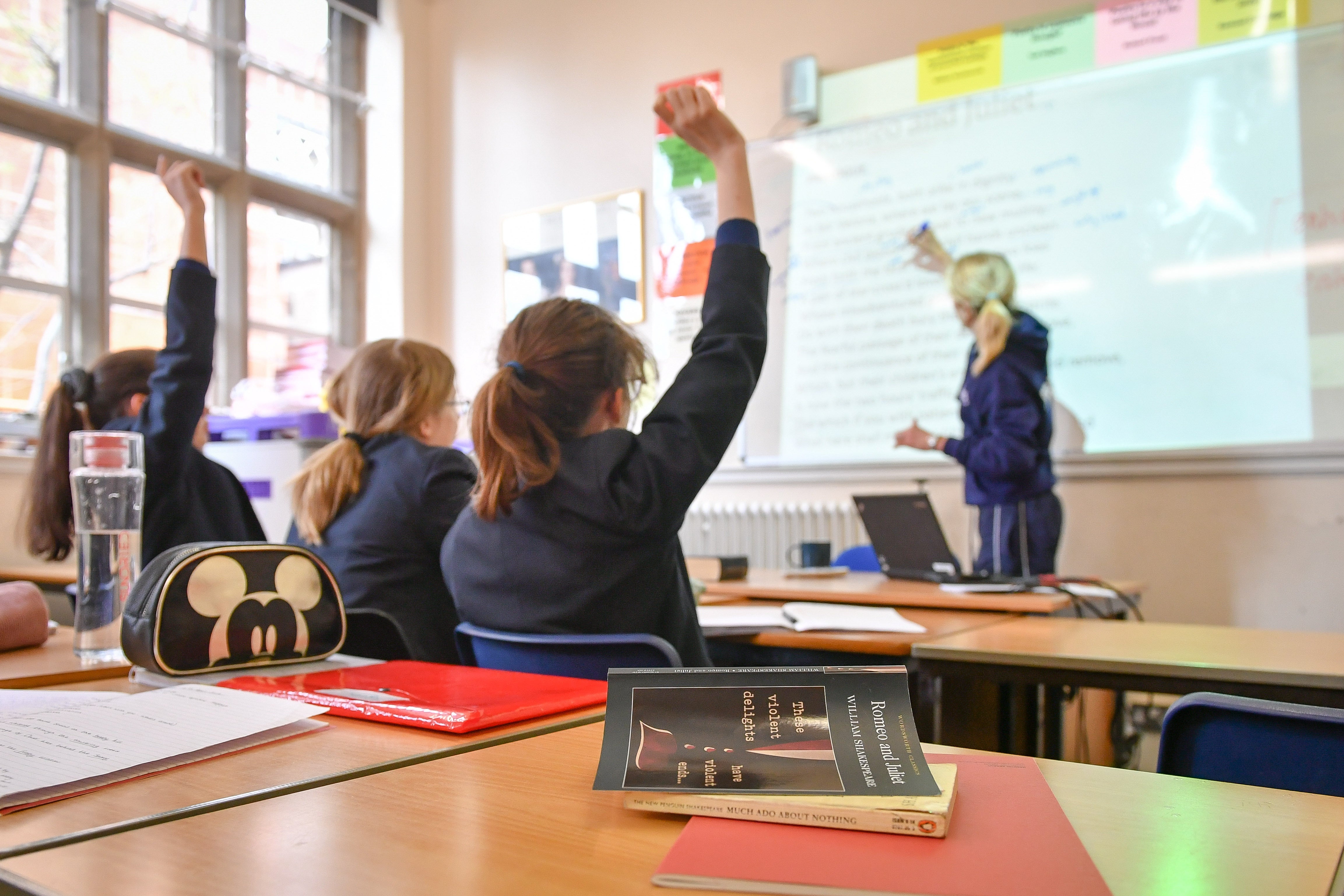
The study, published by education tech company Blackout Education, found 60 per cent of participating schools using device restriction software recorded higher GCSE performance, alongside marked improvements in pupil concentration, classroom order, and face-to-face socialisation.
The findings come amid stricter smartphone policies being implemented in UK schools following updated Department for Education guidance encouraging phone-free school environments.
The study, which is based on data gathered from more than 5,000 pupils across Years 7 to 11 in state, independent, boarding, and day schools across England surveyed the impact of phone-blocking tech on students.
During the study, teaching staff reported calmer learning environments directly improved classroom focus, with 100 per cent of responding staff at one school noting higher pupil productivity and two-thirds reporting fewer requests from pupils to leave lessons.
At one participating school alone, devices accumulated 617,252 hours of scheduled blocking over the academic year – amounting to more than 70 years of cumulative learning time.
On average school days, notifications received by pupils plunged from between 90 and 120 down to just 7 to 10, drastically reducing digital interruptions during teaching hours.
Beyond classroom attainment, researchers have observed significant shifts in student behaviour during break and lunchtimes as face-to-face interaction increased.
At one school, 75 per cent of responding staff observed positive changes in pupils' social interaction following implementation.
"People actually go out and play football more," one pupil said, while another shared: "A year ago, people just sat on their phones at lunch. There's more of an emphasis on human interaction."
A third pupil added: "The behaviour is just becoming normalised."
Mark Hadley, co-founder and chief executive of Blackout Technologies, said the results provide encouraging early evidence of how removing digital distractions supports learning.
“It’s early days, but I believe we are seeing encouraging early indicators of the link between academic progress and marked improvements in pupil concentration when we take away the incredibly distracting influence of smartphones.”
He pointed out that the intervention has also yielded important social and wellbeing benefits, particularly for female pupils.
“Teachers tell us that female students say that they feel less worried about photos being taken of them and then sent, often manipulated, around the school in seconds.”
“Overall, we see more socialising, more games and that phone-free fun also leads to pupils taking up more sports, hobbies and face-to-face conversations with friends outside of the school day.”
Dr Sasha Hall, an educational psychologist, told The Independent that removing smartphones from classrooms alone may not be enough to improve exam results. However, she said minimising distractions gave children a better change of learning.
She said: “I would not claim that smartphone restrictions alone will improve exam results, as there are so many factors involved, but removing that distraction gives children a better chance of concentrating and engaging with their learning.”
The study also tracked wider digital wellbeing habits following a "Digital Detox Day" involving 280 Year 8 pupils, where 80 per cent pledged to reduce screen time and over 70 per cent committed to spending more time on offline activities.
At one school, Year 11 pupils voluntarily activated the blocking tool during revision periods to support independent exam prep.
While the report notes that GCSE outcomes depend on a wide range of academic and socio-economic factors, experts say restricting school-time smartphone usage offers a practical and scalable tool to safeguard learning environments.
KioskNews shows a cleaned-up reading view extracted from the publisher’s page — the original always lives on their site, not ours.