British farmers saw ‘disappointing’ harvest and lower crop yields after hottest summer on record
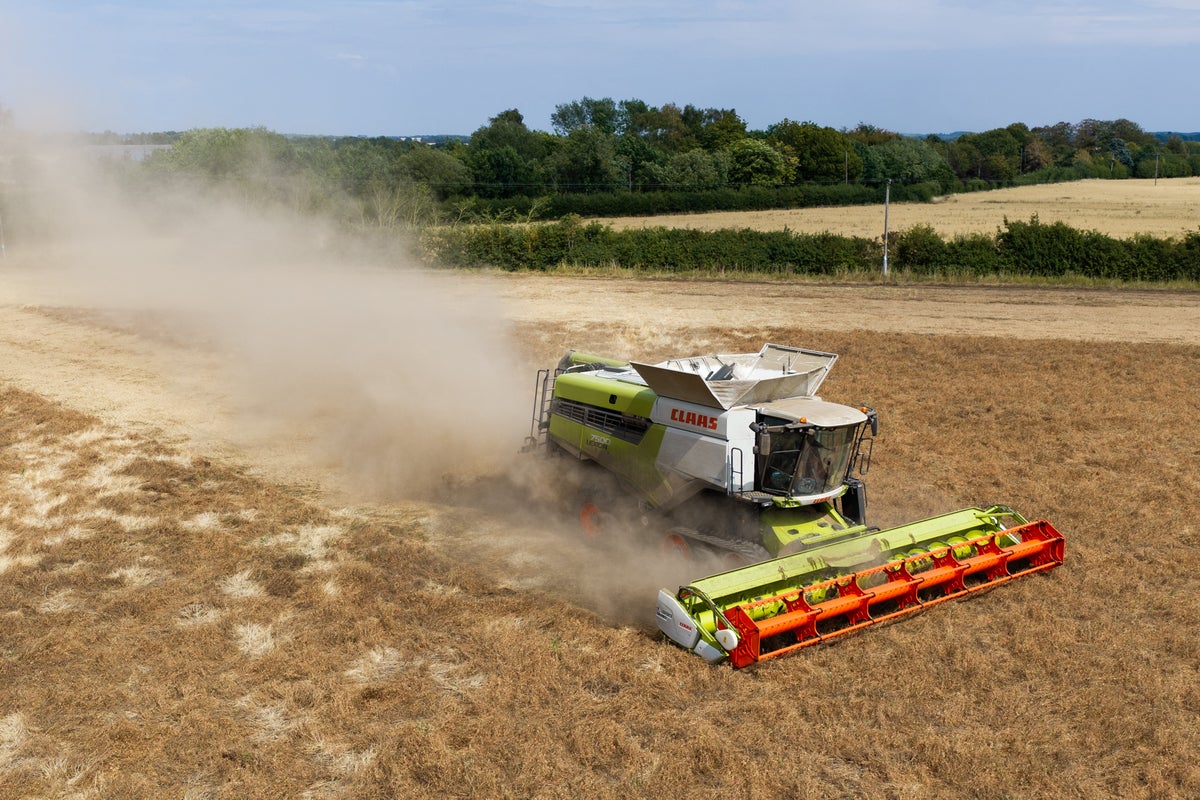
Following a summer marked by extreme weather conditions, this year’s harvest has proved "disappointing", with cereal yields dropping well beneath historical benchmarks, according to fresh findings.
Data from the Agriculture and Horticulture Development Board (AHDB) reveals that as work finishes, wheat, spring barley and oat crops have all fallen short of typical levels. Only winter barley held steady, matching its five-year average of 6.9 tonnes per hectare.
With the winter wheat gathering complete, average yields edged up to 6.9 tonnes per hectare following progress in northern England and Scotland, slightly surpassing August estimates of 6.8 tonnes per hectare.
However, the AHDB noted that final wheat figures remain 11 per cent lower than the national five-year baseline and beneath the 10-year average of 7.9 tonnes per hectare.
Spring barley proved to be "one of the most challenging" crops this year, averaging 4.8 tonnes per hectare, roughly 17 per cent under its five-year average.
Oat yields also lagged, averaging 4.6 tonnes per hectare—14 per cent below the UK five-year average.
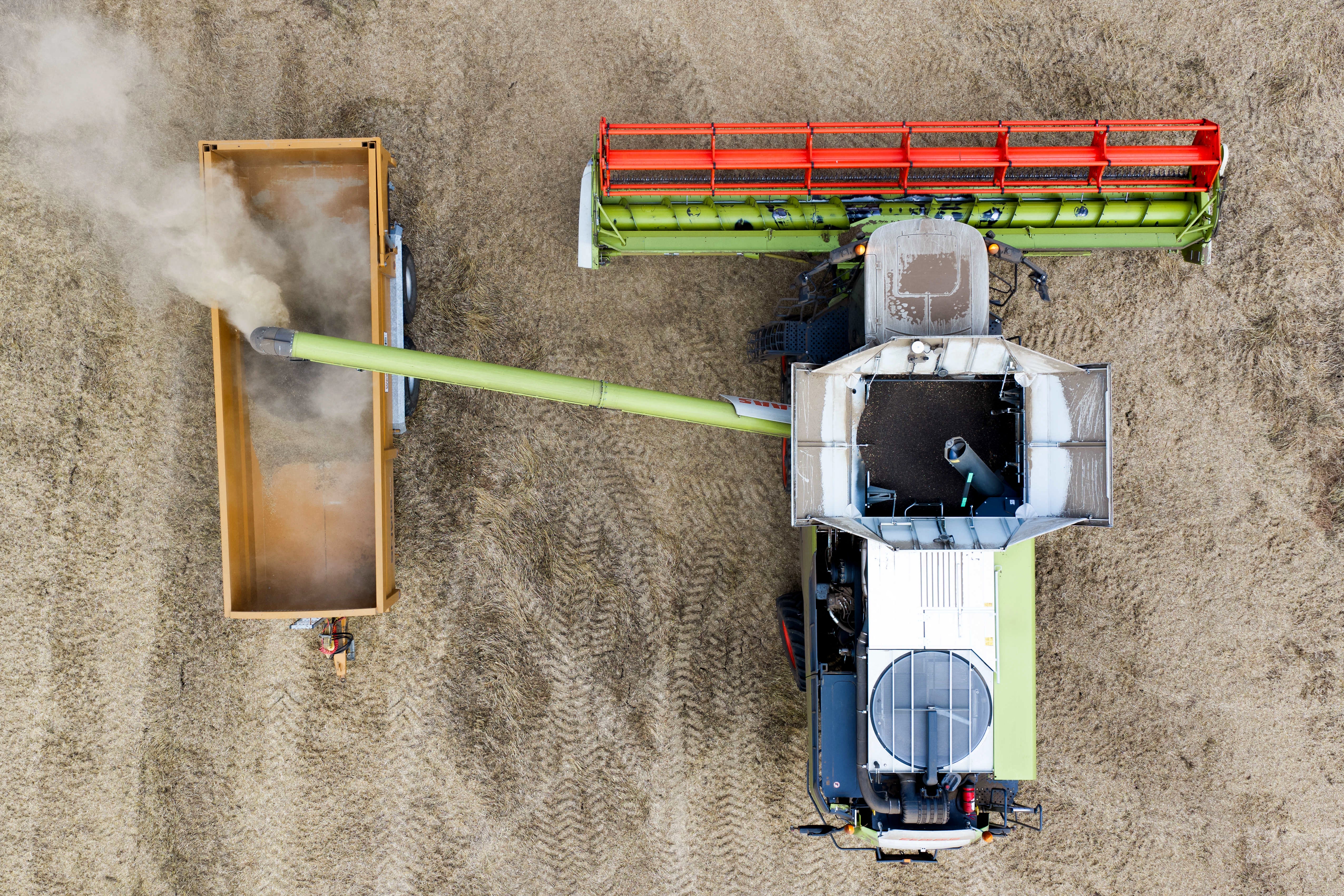
Only oilseed rape crops performed well, with yields averaging at 4 tonnes per hectare, which sits at approximately 19 per cent above the UK five-year average.
The AHDB report also highlighted considerable variation across the country, with average wheat yields ranging from 3.9 tonnes per hectare to 11.5 tonnes per hectare depending on the farm and region.
The board warned that the quality of the crops harvested has also been impacted.
“Overall, the final report reinforces a familiar theme from throughout the season: another highly variable harvest shaped by limited rainfall from spring onwards,” the AHDB said.
“While some farms further north have achieved results close to, or above, their long-term averages, the extent of the reductions across the national averages for wheat, spring barley, and oats confirm how challenging harvest 2026 has been for the UK.”
Anthony Hopkins, AHDB director, cereals and oilseeds, said: “Harvest 2026 is now essentially complete, and we can see just how difficult it has been for farmers across many parts of the UK.
“Although crops harvested further north somewhat helped to moderate the significant reductions in the national average yields, the final report highlights the impact that prolonged dry conditions have had on a large numbers of farms.
“The areas and crops with the most significant hit to yields, have also often faced the greatest impact on quality, highlighting the importance of not just focusing on yields alone.”
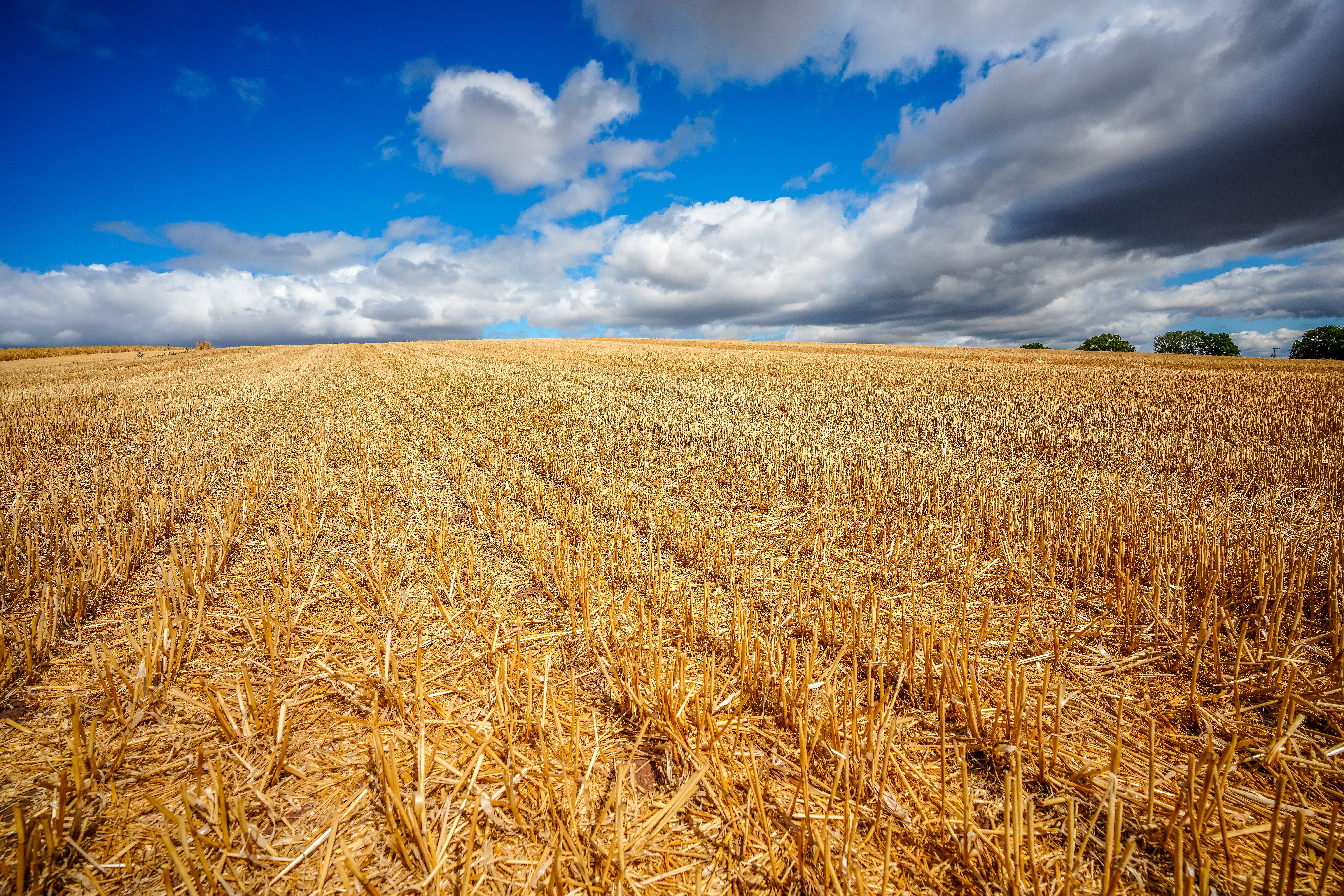
This comes as the UK is battling increasingly extreme weather fuelled by climate change, which is mostly caused by burning fossil fuels for power, to fuel cars, make industrial products and heat homes and buildings, along with agriculture and clearing forests.
This year, the UK has experienced record-breaking deadly heatwaves in May and June, followed by heatwaves and the driest July on record for England and Wales, plunging the whole of Wales and half of England into drought.
The extremely hot and dry summer comes after a dry spring – and is the second year in a row of extreme heat and drought, interspersed with extremely wet winters in what has been described as “weather whiplash”.
“This is the second, or in some cases third, successive challenging harvest,” Mr Hopkins continued.
“At a time of high input costs, arable farmers in the worst-affected areas are really feeling the financial pressure right now.”
Helen Plant, AHDB lead analyst, said: “This final report reinforces just how variable harvest 2026 has been.
“While yields for wheat, oats and spring barley improved slightly as more crops were harvested in Scotland and northern England, the overall picture remains challenging for many growers.”
Ms Plant added: “Average yields only tell part of the story.
“We have seen huge differences between farms, with factors such as soil type, drilling date, previous cropping, local weather conditions and moisture availability all appearing to influence final performance.
“Despite some late improvements, average yields for several key crops remain below both recent and longer-term averages.
“Quality has also been highly variable, which will create additional challenges when storing and marketing grain over the coming months.”
KioskNews shows a cleaned-up reading view extracted from the publisher’s page — the original always lives on their site, not ours.