Why volunteers are gluing seeds to clam shells in Connecticut
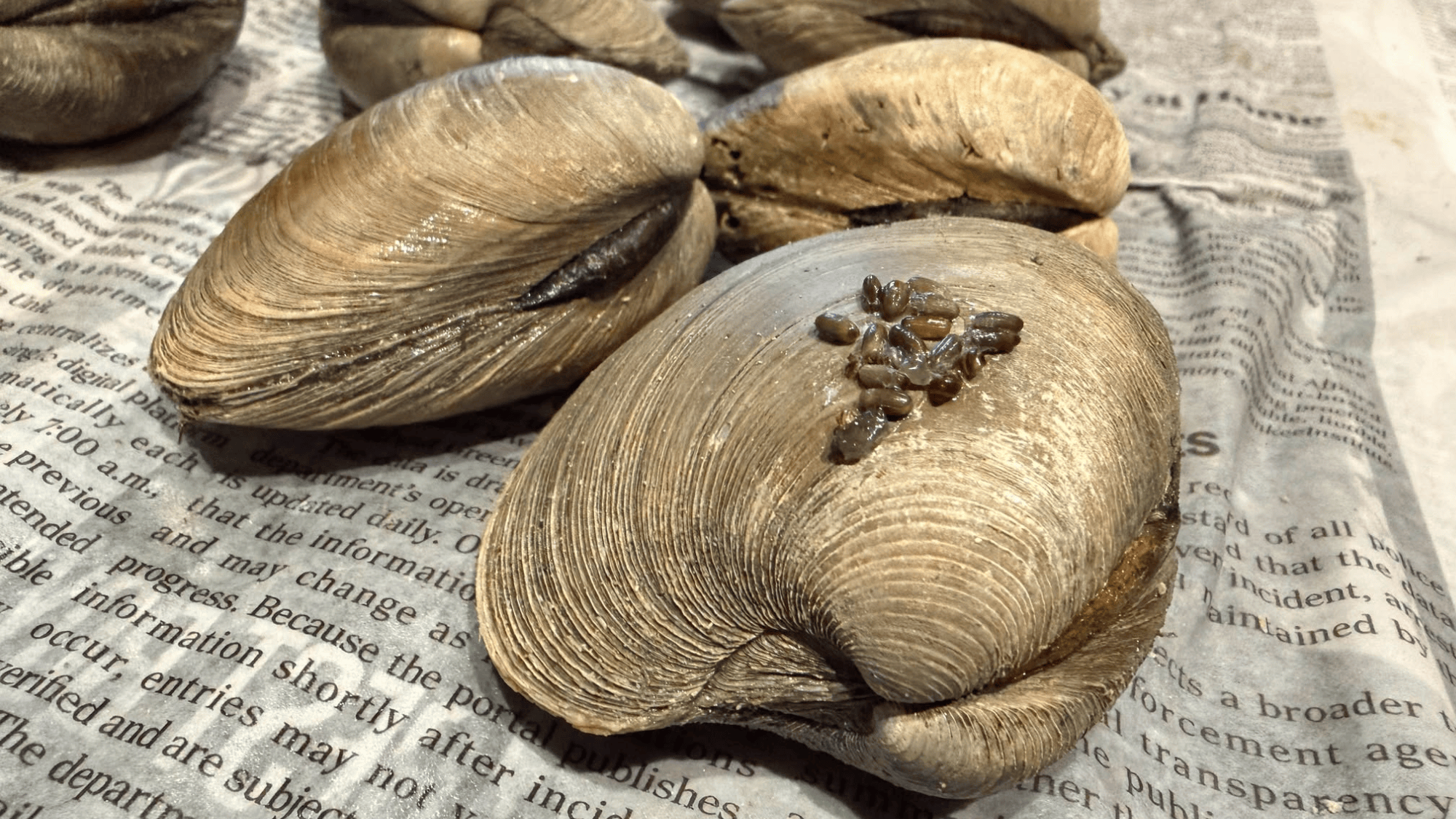
Environmental restoration sometimes requires out-of-the-box thinking. Along the waters of Long Island Sound in New York and Connecticut, experts are tackling the challenge of restoring crucial eelgrass habitats by gluing the plant’s seeds to clams.
Eelgrass (Zostera marina) is an important member of the ecosystem. It provides foraging areas and shelter for young fish and invertebrates, diminishes coastal erosion, draws in excess nutrients, filters water, and releases oxygen, for instance. Compared to the 1930s, eelgrass meadows in and around Long Island Sound have decreased by more than 90 percent, according to regional environmental action group Save the Sound.
To make matters worse, eelgrass is difficult to restore and there have been a lot of failed attempts, Bill Lucey, a Long Island Soundkeeper from the organization, tells Popular Science. In 2025, the team tried a different approach—recruiting clams as underwater gardeners. The strategy was originally ideated by Robert Vasiluth, the founder of Submerged Aquatic Vegetation EngineersEnvironmental (SAVE) .
The approach consists of attaching eelgrass seeds to the clam’s shells. When the clams are released into the sound, they bury into the sediment, taking the seeds down to the bottom and effectively planting them. When they conducted drone imagery to check in on their results this year, they found that the eelgrass meadow coverage had increased by 178 percent.
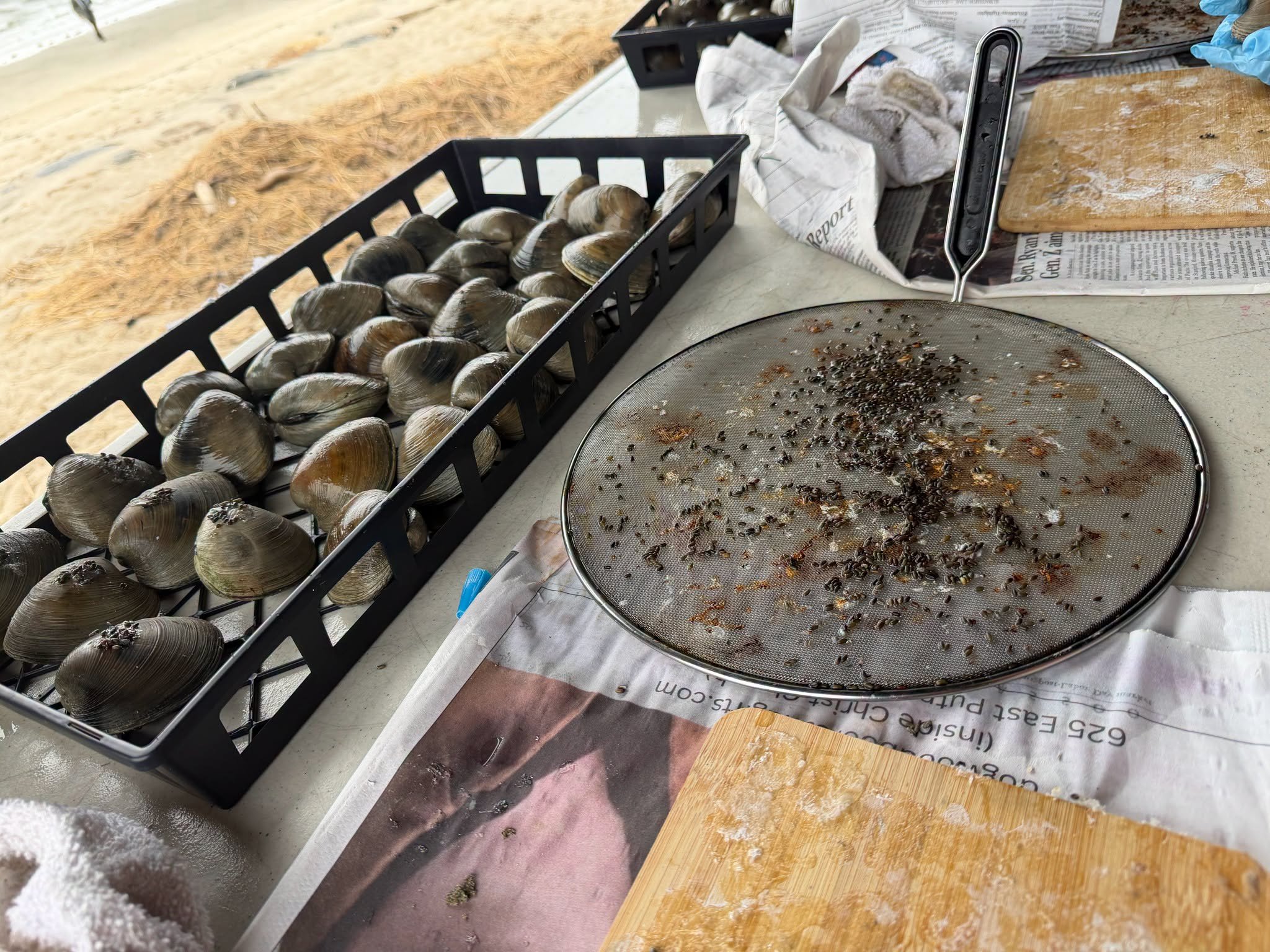
“It needs to survive for three years before we can really trumpet our horns and say it’s working, but the actual method of putting clams out and seeds attached to them really worked. The generation of the plants was incredible,” Lucey explains.
During their 2025 planting, the team used glue typically used in coral reef restoration to attach seeds to the clams. But then Connecticut College biologist Maria Rose yielded better germination rates when she used wet pieces of rice paper (the kind you make spring rolls with) to seal the seeds against the shell. The Save the Sound team asked its volunteers to do the same earlier this week.
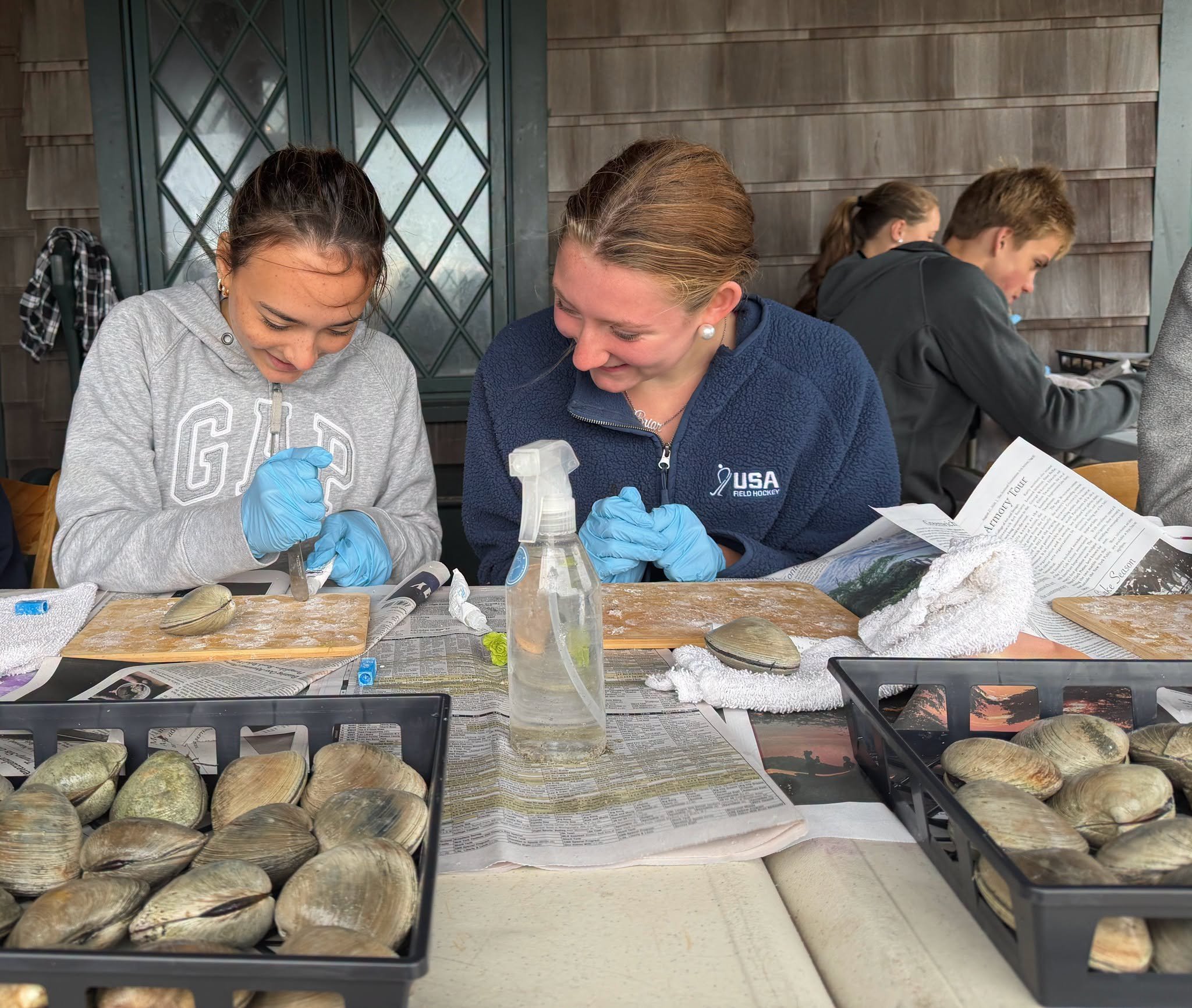
“The problem with the spring roll wrappers is yesterday [Monday, October 19], when we deployed them for the first time in scale, they weren’t all staying on,” says Lucey. “So what we’ve started doing today [Tuesday, October 20] is putting a little pocket of seeds, 10 to 20 eelgrass seeds on the top of the clam, putting a little circle of this [coral] glue around it, and then putting the spring roll wrapper stamp over that and wetting it. And so it keeps the seeds moist, and the glue holds the spring roll wrapper to the clam till it dissolves, and then it’ll release the seeds next to the clam.”
Save the Sound is aiming to release 10,000 claims and 300,000 seeds this season.
KioskNews shows a cleaned-up reading view extracted from the publisher’s page — the original always lives on their site, not ours.