September 13 nears, extension of fuel relaxation unlikely for Delhi eateries
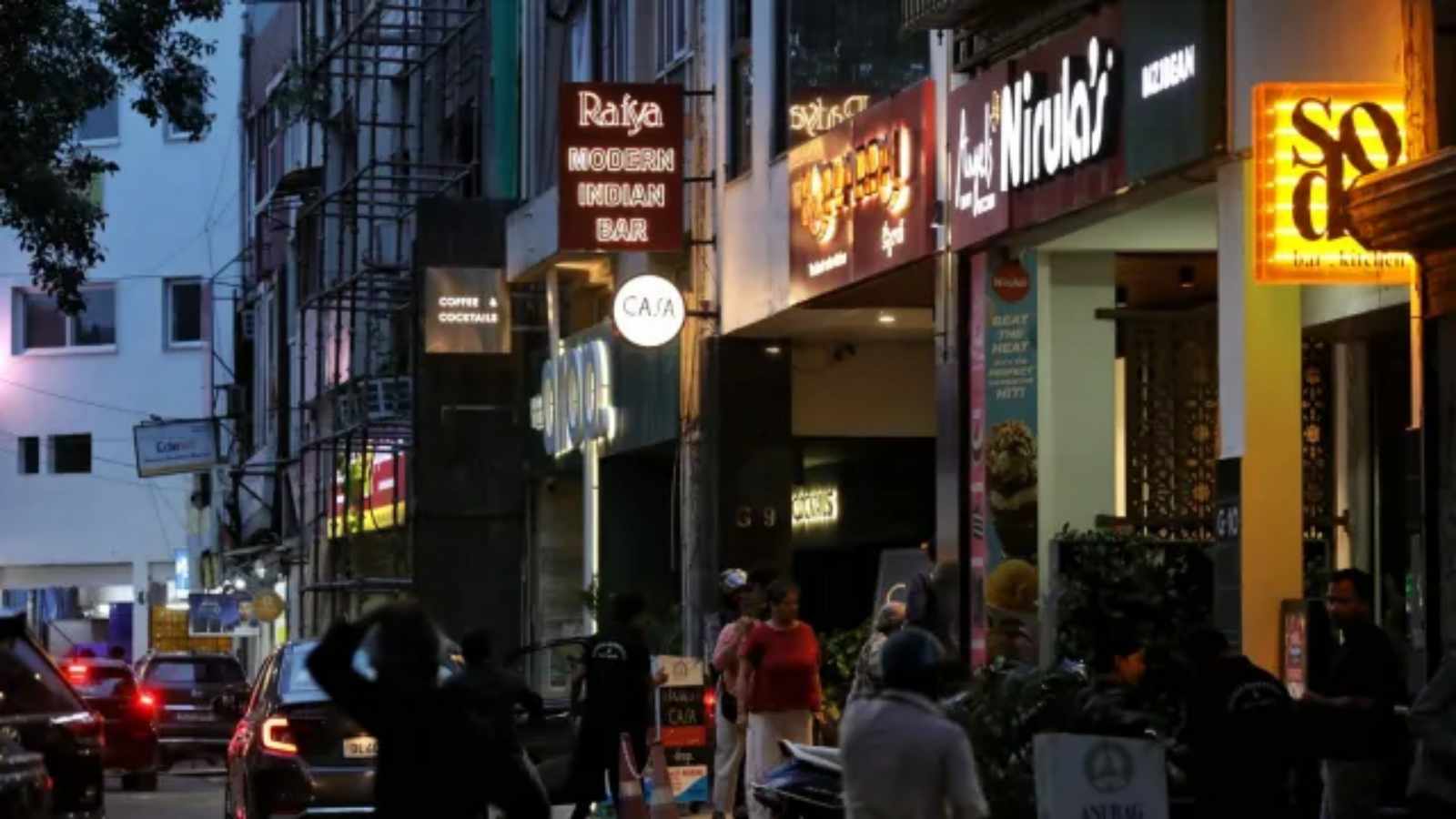
That is when the temporary relaxation allowing restaurants, hotels and other establishments to use fuels such as coal and high-speed diesel (HSD) is set to expire, amid a continuing disruption in natural gas supplies due to the West Asia conflict.
But Delhi-NCR’s primary air pollution watchdog, the Commission for Air Quality Management in National Capital Region and Adjoining Areas (CAQM), is unlikely to extend the relaxation beyond September 13, The Indian Express has learnt.
“The decision on the matter is pending. Officials are concerned that continuing the relaxation through the winter could dilute the gains from restrictions on polluting fuels,” a government official said.
Fuel crunch hits kitchens
At Khadak Singh Ka Dhabha, the pressure is already visible on the menu.
Disruptions in the supply chain have pushed up costs of raw material, forcing the restaurant to raise prices. LPG is available, but at a higher cost. “Prices remain shot up, that’s the concern for now,” said Akshit Behl, growth and investment head at the restaurant.
For Behl and other restaurant owners, the fuel squeeze is part of a larger fallout from the West Asia crisis, which has disrupted natural gas supplies since March.
Story continues below this ad
Temporary reprieve nears end
Coal, kerosene and HSD are not part of NCR’s normal approved fuel regime for industrial and commercial activities. Their use was allowed temporarily after the gas disruption left businesses looking for alternatives.
CAQM first relaxed the restrictions on March 13, allowing industries, hotels, restaurants and other establishments in NCR to use HSD, biomass and refuse-derived fuel pellets in place of natural gas. Where these alternatives were unavailable, coal and kerosene were also permitted.
Since then, the relaxation was extended three times – in April, June and August.
The relaxation until September 13 came following a communication from the Ministry of Petroleum and Natural Gas (MoPNG) dated August 13, which said that “the disruption in natural gas supply, which commenced in early March 2026 due to geopolitical developments in the Middle East, continues to persist”.
Story continues below this ad
Industries, hotels, restaurants and other establishments were allowed to use alternate fuels in place of natural gas. “In case of limitation in availability of such alternative fuels”, the order also permitted the use of coal or kerosene as an interim measure.
But, officials said, there is unlikely to be a fourth relaxation.
“Supply related disruptions, alongside pollution concerns, would be taken up by the Ministry of Petroleum and Natural Gas. The decision then taken would determine the final outcome,” said a senior official.
Coal and other unapproved fuels have been banned across Delhi-NCR for industrial and commercial use since January 1, 2023, as part of the region’s transition towards cleaner fuels. Their continued use could add to the pollution burden at a time when stagnant weather conditions already make it harder for the city to disperse pollutants.
Story continues below this ad
Not going back to coal
Manpreet Singh, owner of Zen restaurant in Connaught Place and a member of the National Restaurants Association of India, said that while costs remained above pre-war levels, the restaurant sector’s formal segment had not returned to coal.
But, Singh said, the larger concern was the continued dependence on coal among the unorganised sector, including smaller eateries and dhabas. “We listen to the government being part of the formal organised sector… but the rest of the unorganised sector continue to rely on coal heavily,” he said.
He also pointed at the difficulty of reversing the transition once establishments have invested in cleaner systems. “Once modern kitchens have shifted to electricity or non-gas based tandoors, it’s nearly impossible to go back,” he said, adding that exhaust and other systems in such establishments were designed around cleaner fuels.
Cleaner kitchens, higher costs
The shift towards PNG or LPG, however, has not come cheap.
Story continues below this ad
While industrial areas have transitioned to PNG, the shift has also meant higher costs, which has discouraged a full PNG adoption, the CAQM’s ‘Report of the Air Quality Experts on Identification of the causes for worsening AQI in Delhi-NCR’ had noted earlier this year.
It added, “While LPG penetration is fairly high in the NCT region, the use of solid fuels is prevalent in urban slums. Further, burning of solid fuels is highly prevalent in the semi-urban areas of NCR districts for both cooking and heating needs.”
Winter emissions
CAQM had introduced its Standard List of Approved Fuels in 2022 as part of the shift towards cleaner fuels. It had identified natural gas, PNG, LPG, electricity, CNG, LNG and specified biofuels among the cleaner options, while coal, HSD, naphtha and light diesel oil were among the more polluting fuels being phased out.
Industry emissions are one of the dominant causes of air pollution with an overall 9% contribution in winter and 14% during summer. At 27%, secondary particulate emissions formed from gaseous emissions from several sectors combined, including industries, is the topmost contributor of pollution during winter.
KioskNews shows a cleaned-up reading view extracted from the publisher’s page — the original always lives on their site, not ours.