Man develops severe fatty liver after drinking up to 3 liters of orange juice daily
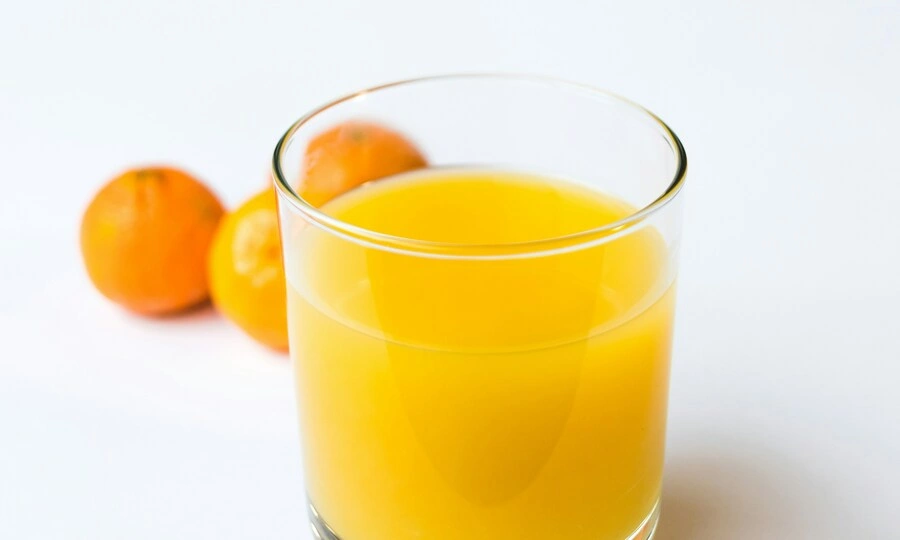
A 48-year-old Hanoi man was diagnosed with grade 3 fatty liver disease after drinking two to three liters of freshly squeezed orange juice daily instead of water for an extended period.
Despite maintaining a healthy weight, exercising regularly, and abstaining from alcohol, the man developed severe liver damage and now requires medication alongside strict dietary changes.
Grade 3 fatty liver is the condition's most advanced phase, characterized by fat accumulation in over two-thirds of liver cells alongside heavy inflammation. Without medical intervention, this severe stage carries a substantial risk of causing permanent liver scarring or progressing to cirrhosis.
Dr. Doan Du Manh of the Vietnam Association of Vascular Diseases shared the case on Wednesday. He identified the patient's daily habit of replacing water with orange juice as the likely cause of the condition.
Manh did not specify exactly when the patient was diagnosed.
He explained that fruit juice contains high levels of natural sugars, primarily fructose. Unlike glucose, fructose is metabolized mainly in the liver.
When sugar intake exceeds the body's energy needs, the liver converts the excess into fat. This process can lead to significant fat accumulation over time, even in individuals who are not obese and do not drink alcohol.
In its early stages, fatty liver disease often progresses silently without obvious warning signs, leading many people to underestimate the risks.
Without proper management, accumulated fat can cause liver inflammation, damage liver cells, and impair overall liver function.
Over time, the condition can also contribute to serious metabolic disorders, including type 2 diabetes, abnormal blood lipid levels, and cardiovascular disease.
Medical experts advise against using fruit juice as a daily substitute for water, especially in large quantities.
While juice provides essential vitamins and minerals, its liquid sugars and excess calories are rapidly absorbed into the bloodstream.
Experts encourage prioritizing plain water, eating whole fruits to retain dietary fiber, and limiting sugary drinks like fruit juices and milk tea.
Patients diagnosed with fatty liver disease should consult a specialist to assess their risk of liver inflammation or fibrosis.
They should also undergo regular blood sugar and liver enzyme tests and avoid unverified products marketed as liver detoxifiers or supplements without prior medical advice.
KioskNews shows a cleaned-up reading view extracted from the publisher’s page — the original always lives on their site, not ours.