The 20 Best TV Characters of All Time, Ranked

Michael Block is a 14 time GLAM Award nominated writer, producer, and host of the podcast Block Talk. Throughout his time in the entertainment industry, he has worked on and off Broadway as a stage manager, written several produced plays, critiqued hundreds of theatrical performances, drag and cabaret shows, and has produced events randing from drag competitoons to variety concerts!
On Block Talk, he interviews nightlife personalities, covers the wide world of entertainment through features, ranking episodes, and recaps ALL of Drag Race, as well as Dragula and Survivor. He has interviewed hundreds of RuGirls that span the globe at DragCon NYC, DragCon LA, and DragCon UK.
In his free time, he makes one-of-a-kind jewelry and gift baskets with his mom. He is a proud member of the LGBTQ+ community.
Sign in to your Collider account
A good television show is driven by an engaging hook, a strong story, and powerful moments. A great TV show is led by extraordinary characters. Great characters go beyond likability. They combine clear human motivations, distinct flaws, and the ability to drive a multi-episode story arc. Viewers need to discover new sides of a character over time—whether that means positive growth or a negative spiral—and still feel engaged and eager to see where their story goes next.
Throughout television history, we’ve been taken by a plethora of iconic characters. The names on this list are proof. From hilarious leads that leave you bursting out laughing to brilliant dramatic antiheroes that changed the game, these characters pushed their shows to great heights, leaving a lasting legacy long after the series ends. While there are hundreds of brilliant characters that could easily be included on this list, these 20 represent a rich history of the medium, influencing the characters that followed.
20 Batman
'Batman' (1966-1968)
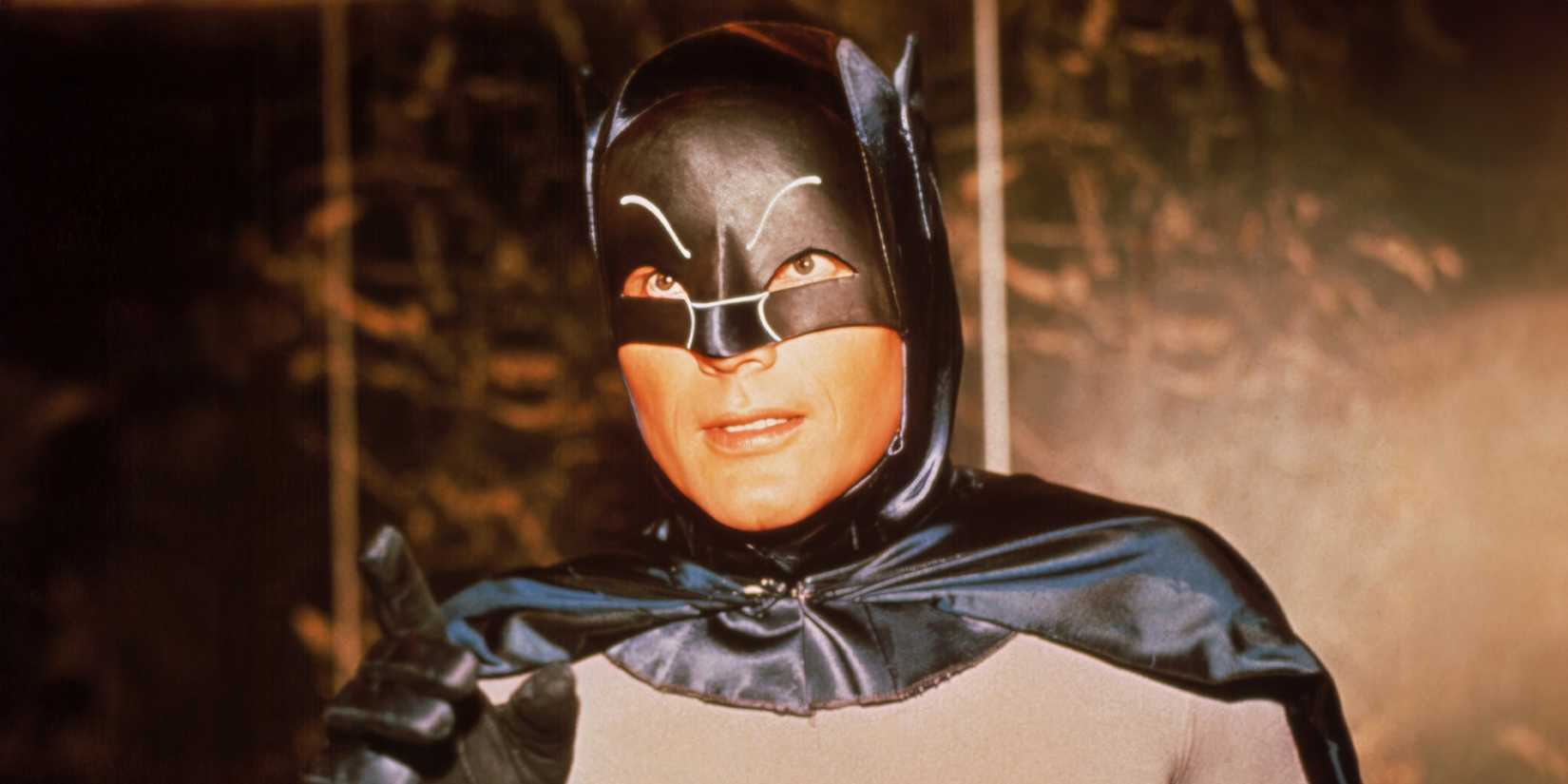
Chances are that when you see an image of Adam West donning the infamous Batman costume, you instantly hear the iconic theme song from the ‘60s series. Today, countless superhero series exist, but they likely wouldn't be what they are without the original Batman's success. For 120 episodes across three seasons, Batman’s iconography defined television. Known for its bright, campy, pop-art style, punchy on-screen comic-book sound effects, namely POW!, BAM!, and a whimsical tone. West’s portrayal was filled with total, deadpan sincerity.
The character itself remained iconic and truly the definitive live-action iteration until Michael Keaton in 1989. West’s Bruce Wayne is stoic, polite, intelligent, and completely committed to civic duty. He combined the suave demeanor of a 1960s spy with a charming, bookish earnestness, avoiding the brooding ego or dark torment of later iterations. The 1966 show turned Batman into a household phenomenon, rescued DC's comic sales, and codified enduring staples of the mythos like the Batcave and the utility belt.
19 J.R. Ewing
'Dallas' (1978-1991)
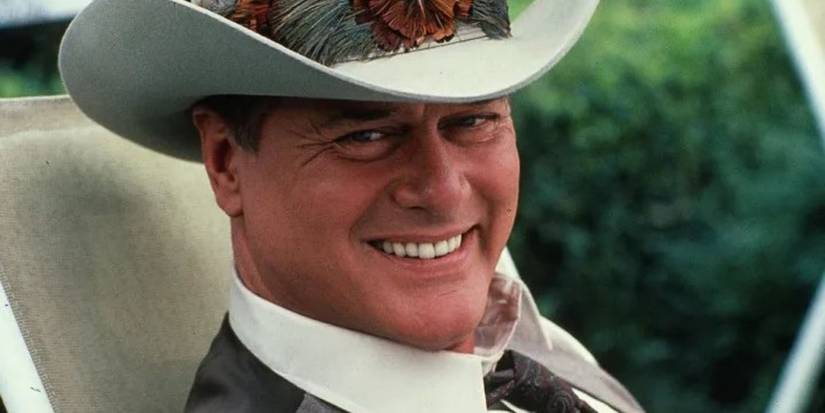
Perhaps the iconic “Who shot J.R.?” is why J.R. Ewing was elevated to such iconic status. Portrayed by Larry Hagman, the fictional villain from the long-running American television soap opera Dallas is depicted as a ruthless, manipulative, covetous, and amoral oil tycoon famous for scheming against business rivals and family members while running Ewing Oil. Deemed one of television’s nastiest antagonists, J.R. pioneered the charismatic antihero, turning a ruthless villain into appointment viewing. His manipulative schemes and ruthless rivalries sparked global obsessions, but television’s most infamous cliffhanger became a game changer for both the character and narrative storytelling. Whether you watched Dallas or not, people were engaged in the conversation about the moment.
J.R. combined venomous business tactics and endless family betrayals with an irresistible Texas swagger, a trademark grin, and a cowboy hat. Though he was a villain, there was complex humanity inside. Beneath the greed and ambition, J.R. possessed a twisted sense of loyalty to his family, a deep drive to earn his father's approval, and moments of unexpected vulnerability that kept him from being a cartoonish villain. Hagman returned to the role in the 2012 revival, playing the part until his death during production of season 2.
18 Daryl Dixon
'The Walking Dead' (2010-2022)

To become a long-running horror thriller, especially one where death is literally around the corner, it’s not necessarily the story that shines brightest; it’s the characters. On The Walking Dead, the revolving door ensemble was one of the best in the genre, with Daryl Dixon emerging as the ultimate fan favorite. Created by Frank Darabont specifically for the series and Norman Reedus, Daryl started as a volatile, rough-edged outsider and expert tracker, slowly evolving into a loyal protector, a skilled crossbowman, and Rick Grimes' (Andrew Lincoln) right-hand man. There wasn’t a weapon that Daryl couldn’t master. Slowly becoming an emotional core, Daryl's powerful character growth carried through the post-apocalyptic world.
Because he had no source material to base him on, Reedus allowed Daryl to be unpredictable and evolve naturally. Despite his tough exterior, Daryl’s greatest character moments were often tied to his relationships, namely with Carol Peletier (Melissa McBride). He wears his heart on his sleeve and doesn't try to trick people. His genuine straight-shooter attitude may have brought antagonistic moments, but at the end of the day, he was a true hero. Daryl naturally transitioned into the moral and tactical backbone of the group, carrying the franchise forward into spin-offs like The Walking Dead: Daryl Dixon.
17 Steve Urkel
'Family Matters' (1989-1998)

There have been quite a few characters who initially were intended to be a single-appearance character. But when they click, they stay. Family Matters evolved into a completely different show once the creators realized Steve Urkel's power. Originally written as a guest star, Jaleel White’s exceptional performance made Urkel the show’s main protagonist. Urkel transformed an ordinary family show into a ratings powerhouse with his unique mix of broad comedy, surprising heart, and iconic pop-culture presence. White also played Urkel's alter ego, Stefan Urquelle, as well as his cousin Myrtle Urkel. Needless to say, Family Matters got the most out of Urkel.
Armed with oversized glasses, high-waisted pants held up by suspenders, a high-pitched snort-laugh, and the immortal line "Did I do that?", Urkel was sitcom gold. Beneath the slapstick clumsiness, Urkel was a brilliant young inventor who built jetpacks, time-travel devices, clones like Urkelbot, and a transformation serum. Despite being constantly rejected by Laura Winslow (Kellie Shanygne Williams) and tortured by neighbors and bullies, Urkel remained fiercely good-natured, loyal, and deeply compassionate. Though there certainly wasn’t a whole faction of TV watchers irked by Urkel, there’s no denying the impact he made as a Black character centered on intellect.
16 Al Swearengen
'Deadwood' (2004-2006)

The Wild West is notorious for colorful characters, and no character was more colorful than Deadwood’s Al Swearengen. Based on the real-life entrepreneur, Swearengen was the proud and boastful owner of the Gem Saloon. While ruthless, foul-mouthed, and dangerous, he evolved into a complex figure who ultimately maneuvered and protected the camp as it moved toward annexation into the Dakota Territory. Ian McShane played him to perfection, taking David Milch’s rich text and making it sound like Western Shakespeare. Milch’s writing gave Al a dense, rhythmic, and shockingly articulate voice. He moved seamlessly from filthy street-slang curses to soaring, philosophical monologues delivered from his Gem Saloon balcony. McShane infused a commanding, hyper-intelligent magnetism that made every scene crackle with tension. He rules like a crime boss—whispering, calculating, and orchestrating the camp's delicate survival.
Though he initially started his run as the bad guy of the series in comparison to Timothy Olyphant’s Seth Bullock, giving him the runway to become a morally grey character made him even more fascinating. Unlike traditional western villains or shiny heroes, Swearengen operates as a brutal survivor-turned-predator who realizes that civilization and order are eventually necessary to protect what he has built. While he commits extortion, manipulation, and murder, he also shows fierce, protective loyalty to his own, such as defending Trixie (Paula Malcolmson), mercifully ending Reverend Smith's (Ray McKinnon) suffering through frontier euthanasia, and resisting corporate-backed bullies like George Hearst (Gerald Raney). Swearengen was so brilliant, no wonder it earned McShane an Emmy!
15 Omar Little
'The Wire' (2002-2008)

One of the great legacy HBO series is The Wire. Created by David Simon, the show dropped viewers directly into the streets of Baltimore with pure authenticity. A genuine ensemble series, the show’s most alluring character was Omar Little. Played by Michael K. Williams, Omar was a legendary, openly gay stick-up man from West Baltimore who makes a living by robbing major drug organizations. Despite being a criminal who wields a sawed-off 12-gauge shotgun, Omar lives by a strict personal moral code: he never harms, robs, or curses at ordinary citizens or "working folk" who aren't "in the game". Omar subverted every gangster trope, building a fascinating arc throughout the run.
With a Robin Hood-like dynamic, he maintains a distinct politeness and composure, famously immortalizing his worldview during a courtroom cross-examination against defense attorney Maurice Levy (Michael Kostroff). Perhaps the most important and groundbreaking part of Omar was being unapologetically, casually gay in a violent, homophobic street environment. He defied stereotypes as vulnerability met menace. In true The Wire fashion, Omar doesn't go out in a blazing, glorious cinematic shootout. He is shot casually in a corner store by a random, young kid, proving that the streets don't care about your legend. Despite his rap sheet, Omar became a fan-favorite antihero and was famously cited by President Barack Obama as his favorite character on the show. If that’s not a sign of respect, I don’t know what is.
14 Bugs Bunny
'Looney Tunes' (1930-Present)

Countless cartoon characters hold a special place in our hearts, but Bugs Bunny remains at the top of the bunch. The iconic, wisecracking anthropomorphic gray rabbit has served as the official mascot of Looney Tunes and Warner Bros. Created in the late 1930s by artists and animators including Tex Avery, Ben Hardaway, Bob Givens, and Chuck Jones, Bugs was originally voiced by Mel Blanc for over 50 years, with later portrayals by Jeff Bergman, Billy West, Joe Alaskey, and Eric Bauza. He is a self-assured, calm, clever, and mischievous trickster who breaks the fourth wall.
Unlike many early cartoon characters who relied purely on slapstick physical comedy happening to them, Bugs acts as a fast-talking, wisecracking insult comic. Bugs earned his reputation as one of the greatest animated characters of all time through his brilliant persona and the ultimate underdog who always outsmarts his tormentors. He never starts the conflict; instead, he casually munches a carrot while calmly dismantling pompous hunters, villains, and authority figures using pure strategy and intellect over brawn. Not every iconic character gets their own signature catchphrase. Bugs sure did! "Eh, what's up, doc?" remains one of the most recognizable lines in television history.
13 Buffy Summers
'Buffy the Vampire Slayer (1997-2003)
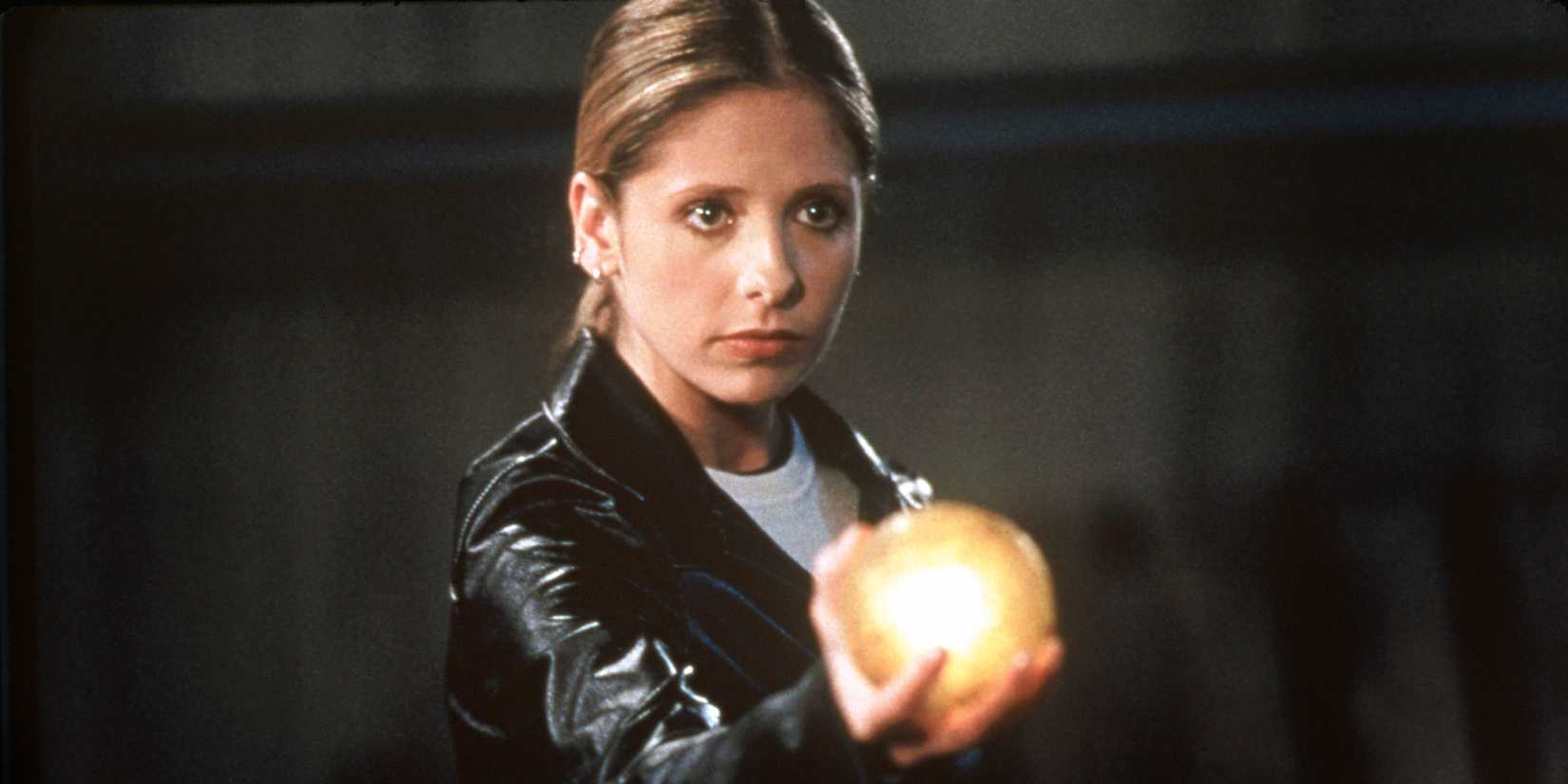
It took some time before bad-ass women were given the platform to showcase their skills in certain genres, and Buffy Summers is a reason why the door has been busted wide open. The titular protagonist of Buffy the Vampire Slayer is "The Chosen One,” a young woman endowed with supernatural strength, agility, quick reflexes, and prophetic dreams to battle vampires, demons, and the forces of darkness. A high school student in Sunnydale, California, it’s soon revealed that the town sits directly atop a gateway to hell known as the "Hellmouth". Buffy fights evil with the help of her loyal friends, Rupert Giles (Anthony Stewart Head), Willow Rosenberg (Alyson Hannigan), and Xander Harris (Nicholas Brendan).
Played by the incomparable Sarah Michelle Gellar, Buffy subverts the helpless "damsel in distress" horror trope and turns everyday adolescent and adult trauma into a compelling superhero metaphor. The supernatural monsters she fights serve as real-world stand-ins for the genuine terrors of high school, isolation, heartbreaks, and the brutal transition into adulthood. Buffy balances super-strength, martial arts, and witty one-liners with deep emotional vulnerability. She deals with realistic, heavy grief, such as losing her mother, dying twice, and facing severe depression, yet keeps going. Buffy is celebrated as a foundational pop-culture heroine who proved women can be complex, flawed, and deeply human while saving the world.
12 Lucy Ricardo
'I Love Lucy' (1951-1957)
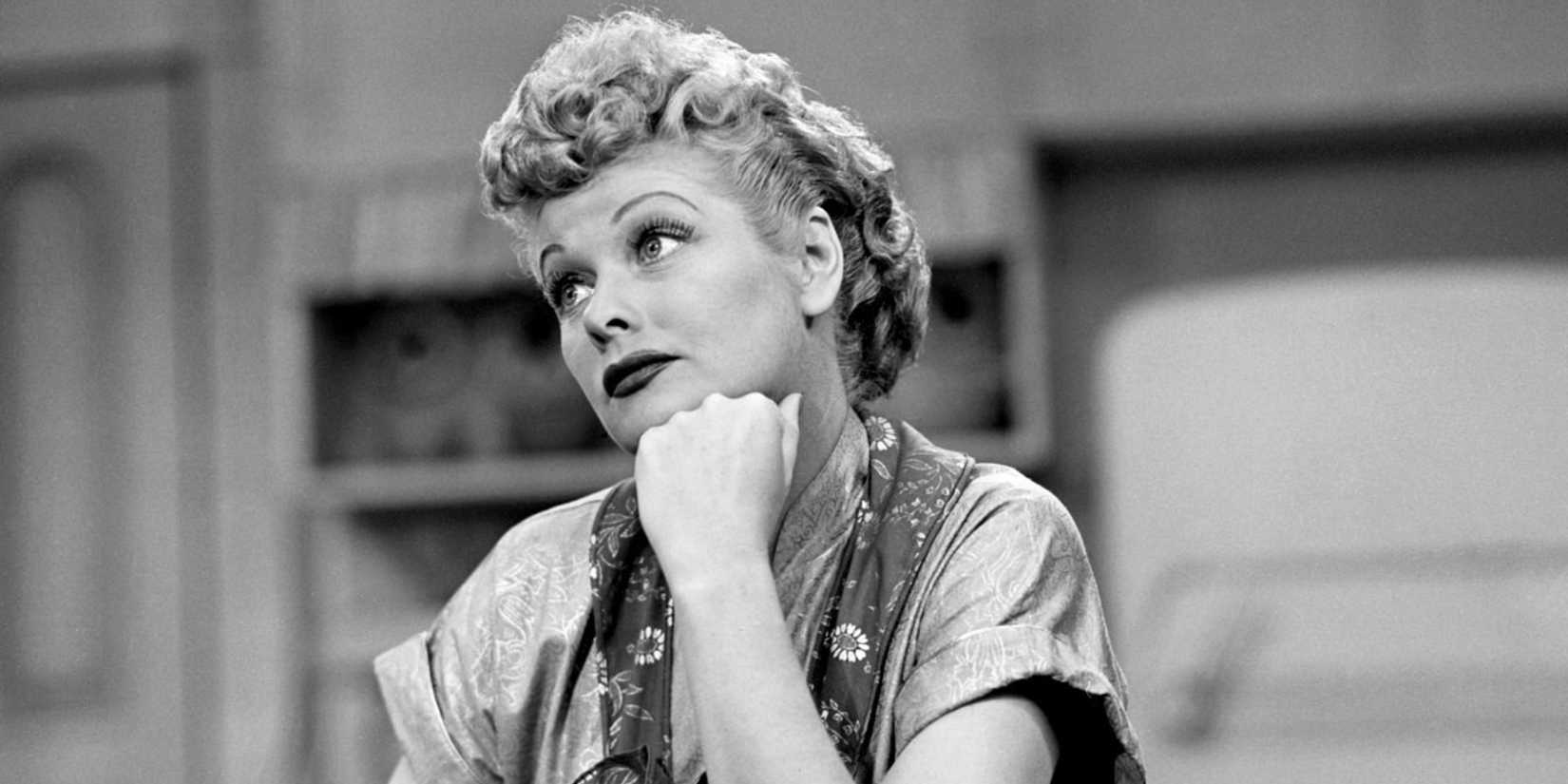
Lucille Ball remains one of the most influential female comedians thanks to her groundbreaking performance as Lucy Ricardo on I Love Lucy. The iconic red-headed housewife brought wit and slapstick comedy to the forefront as the accident-prone woman who constantly dreams of breaking into show business. She is married to Ricky Ricardo, a Cuban-American bandleader played by Ball's real-life husband, Desi Arnaz. Their off-screen chemistry served as the perfect recipe for high-stakes, masterful humor. Lucy is remembered for her physical comedy, fiery schemes to sneak onto her husband's nightclub stage, and catchphrases that became pop culture staples.
Lucy remains at the forefront of inspirational female sitcom characters for her fearless physical comedy, radical emotional complexity, and pioneering spirit that broke the mold for women on screen. Ball treated comedy as a rigorous craft, using elastic facial expressions, pratfalls, and relentless perfectionism to squeeze maximum laughs out of everyday chaos. She refused to be a passive housewife of the era, ensuring Lucy was deeply human. Beneath the wild antics and disasters lay a core of deep affection. No matter how badly Lucy’s wild plans backfired, she was surrounded by a tight-knit circle whose relationships were anchored in a deep, forgiving sense of unconditional love. Lucy Ricardo is a narrative-driving pioneer for comedy.
11 Don Draper
'Mad Men' (2007-2015)
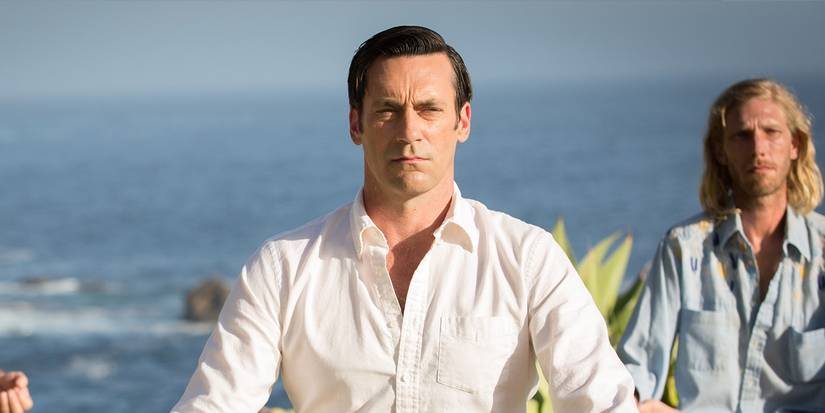
The heartbeat of Mad Men stood firmly behind Don Draper. Born Dick Whitman, he swapped dog tags with his dying commanding officer, Lieutenant Donald Draper, after a fuel explosion. He assumed this new identity to escape his poverty-stricken past and leave the war early. From there, he established himself as a charismatic, brilliant creative director at a major Manhattan advertising agency. On the surface, he embodies the 1960s American Dream—handsome, tailored, and successful. Underneath, he struggles with deep-seated identity fraud, alcoholism, and chronic infidelity. During the run of the series, he had two marriages: first to Betty (January Jones), then to Megan Calvet (Jessica Paré). Both marriages end in divorce due to his infidelity and emotional detachment.
Don remains a fascinating character thanks to Jon Hamm's extraordinary performance. Don personifies the ultimate human contradiction. He is an individual who can effortlessly invent the desires and happiness of others, yet remains completely incapable of finding it for himself. Unlike many cable anti-heroes of the Golden Age of Television who rely on physical violence or crime, Don operates in the psychological and corporate arena, fighting through lies, alcoholism, serial infidelity, and emotional detachment. He’s a richly complex figure whose compelling arc defined the show’s seven-season run. Don understands a fundamental truth about human nature, yet his entire life is an illusion. No character has ever been quite like Don Draper.
KioskNews shows a cleaned-up reading view extracted from the publisher’s page — the original always lives on their site, not ours.