Christa Pike says there is ‘pain in my mind and in my soul’ one month after her failed execution
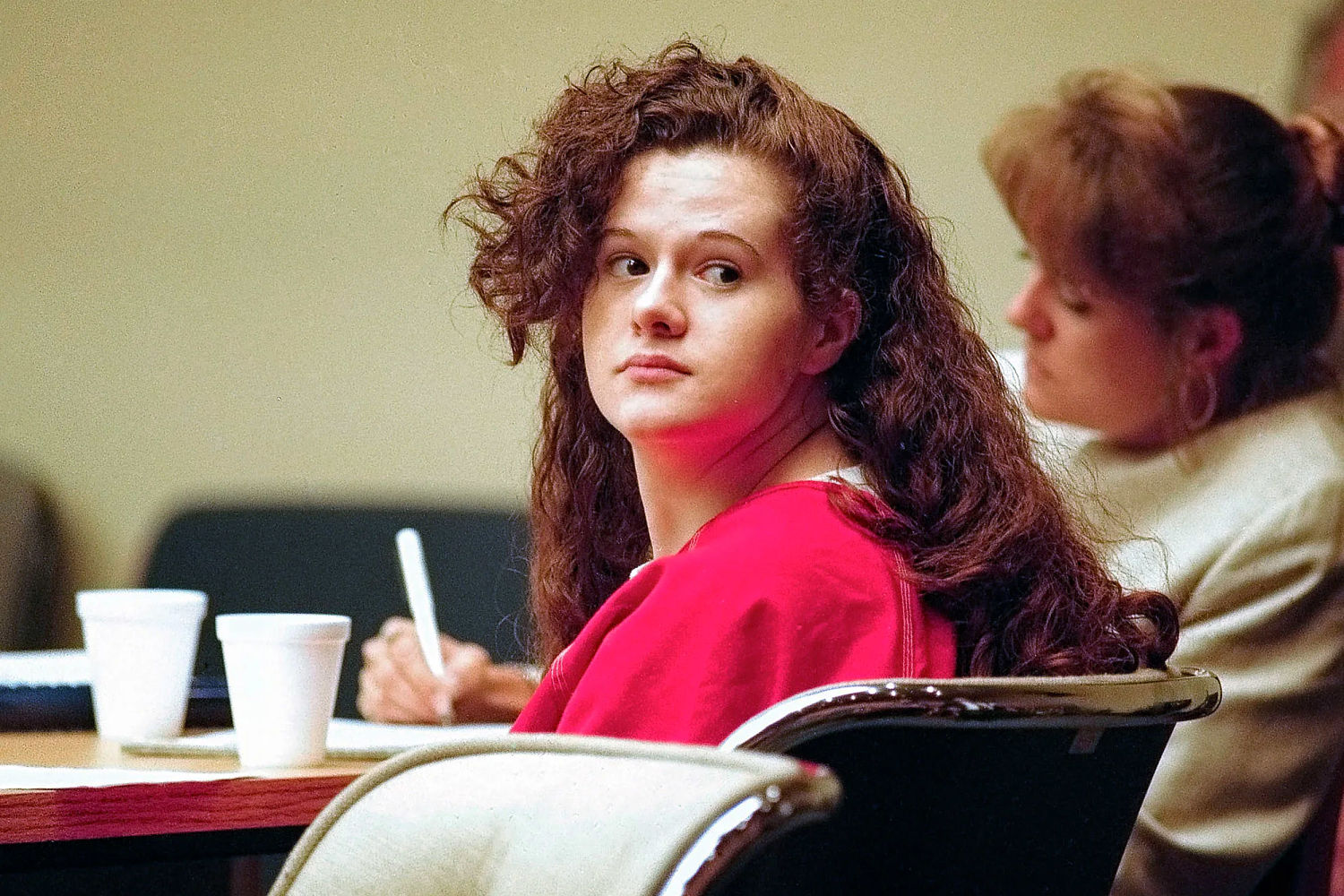
One month ago, Christa Pike survived what seemed impossible: a lethal injection in which two rounds of the drug had already entered her body. Medics took her from the Tennessee death chamber and she was placed on a hospital ventilator; she regained consciousness days later.
Now, Pike, the sole woman on Tennessee’s death row, says she is healing in a prison medical ward, but the pain she still feels extends far beyond the physical.

“There hasn’t been a moment since that night when I haven’t been in pain,” Pike, 50, said in her first public statement, which her legal team shared Friday. “My body hurts. My arms hurt. My hands hurt. My throat hurts. I still struggle to speak. And the pain isn’t just physical. There is pain in my mind and in my soul.”
Pike, a convicted murderer on death row for three decades, was discharged from the hospital and returned to her Nashville prison 10 days after the attempt to execute her on Sept. 30 went awry. Her arms were left swollen and bruised after the execution team tried to insert intravenous lines to deliver two rounds of the lethal drug pentobarbital into her bloodstream, her legal team said. Medical experts have suggested Pike’s injuries could have been the result of incorrect needle insertion or the chemical’s leaking into her tissue.
Before she lost consciousness, she complained that her arm felt as if it was going to burst and that “it burns,” her lawyers said.
“I am recovering, and I know that I am getting stronger,” Pike said in her statement. “But healing is not the same as being okay.”
On the day her execution was scheduled, Pike said, she walked into the Riverbend Maximum Security Institution at peace and prepared to die after her final days were spent saying her goodbyes to loved ones. At the execution chamber, she told witnesses that she was leaving them in “loving kindness,” in reference to a Buddhist prayer her spiritual adviser had her recite.
“I had not contemplated life beyond that night,” Pike added, “and I’m deeply hurt by the incompetence that has put so many people in this terrible position.”
The Tennessee Department of Correction and the office of Gov. Bill Lee could not immediately be reached for comment Friday.
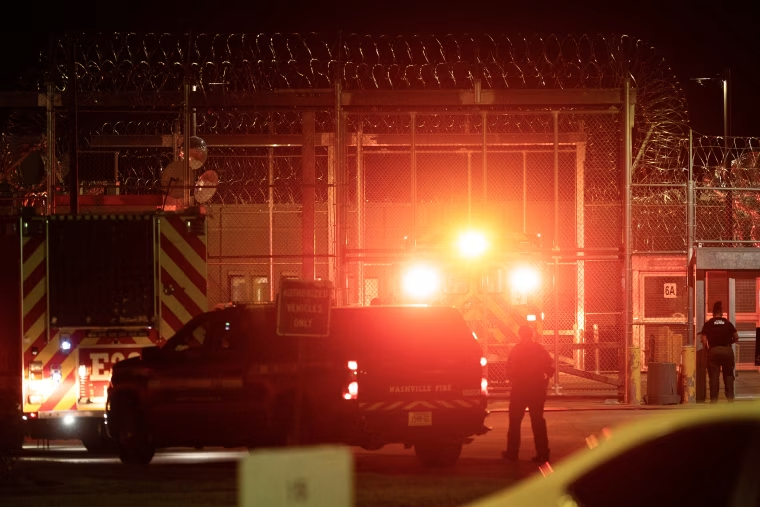
In the wake of the failed execution, a department spokesperson said that it had “followed every step of the State’s lawful, established execution protocol approved by the Attorney General’s Office” and that “the lethal injection chemical in the protocol has consistently been effective.”
Lee has ordered an independent review to “determine exactly what occurred” and said he was pausing all executions through the end of the year. He also announced Correction Commissioner Frank Strada was stepping down at the end of October. Strada said it was “in the best interests” of the state.
But whether the state might try to execute Pike again remains unknown, and it underscores an ethical paradox of the death penalty: that one must be considered sufficiently healthy before one can be put to death.
On Wednesday, Lee did not dismiss the possibility of a second execution attempt: “I suspect her sentence will be the same as before,” he told reporters, “unless determined otherwise by the courts.”
Lee, who leaves office in January, has declined to commute Pike’s death sentence to life in prison. The Republican running to replace him next month, Sen. Marsha Blackburn, said that she would resume executions if she is elected and that she favors expanding the available methods. Her Democratic opponent, Jerri Green, has said she would block any execution while she was in office.
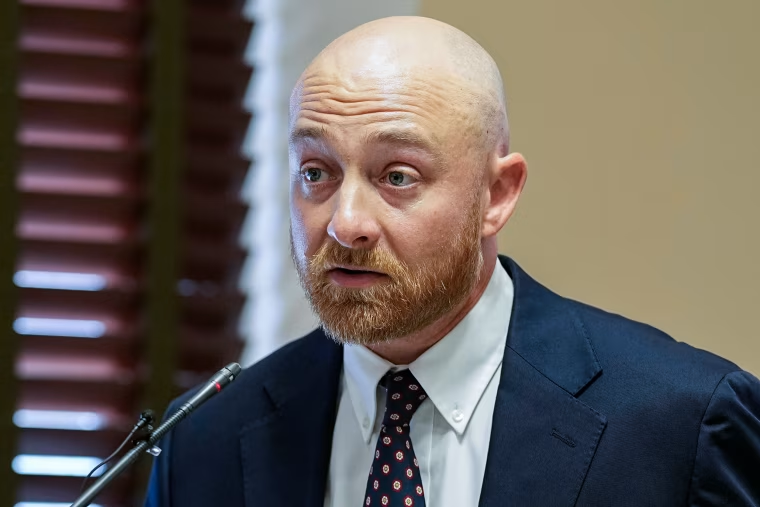
Pike’s lawyers said they expect a “long legal battle” if Tennessee does move forward. A judge this month sided with her defense team when it argued that the state must preserve evidence related to the attempted execution, including syringes, IV lines, drugs and personnel logs.
At the time, state prosecutors said that there was “no pending execution order” and that they had not heard of one coming.
The mother of Pike’s victim, May Martinez, has said Tennessee needs to “make this right” and not remove Pike from death row. Martinez could not immediately be reached for comment.
In 1995, Pike and two other people worked together to torture, slash and bludgeon to death Colleen Slemmer, a 19-year-old classmate in their Job Corps program in Knoxville. Investigators said Pike, then 18, saw Slemmer as a romantic rival.
Pike does not deny her part in the brutal killing. But her lawyers contend that other factors, such as her age at the time and her upbringing marked by years of sexual and physical abuse and neglect, were not fully understood and shared with the jury that sentenced her to death.
In her statement, Pike said, “I continue to think about my victim’s family and the terrible pain and loss they have endured.”
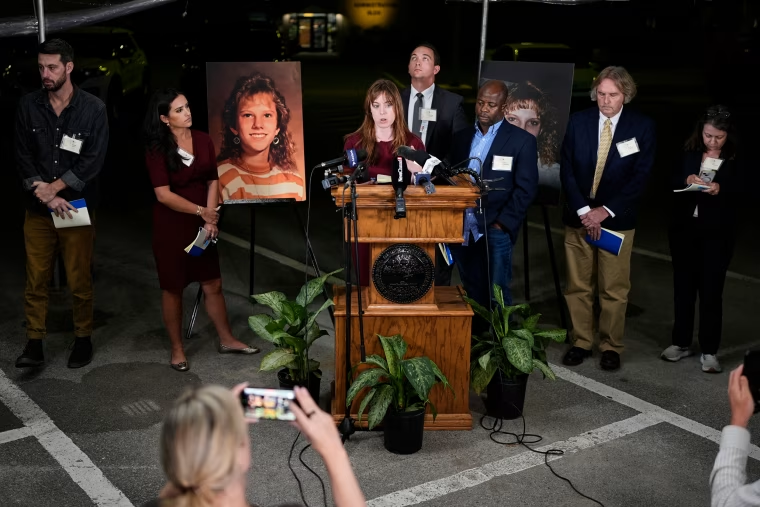
She said she was also grateful for the first responders, doctors and nurses who “treated me with compassion, dignity and respect.”
While she does not know what her fate may be, she said she is left “searching for meaning in what happened to me” as she has become the first person known to have survived a lethal injection after the drugs had already been administered.
“I don’t know why I survived that night,” she added. “I don’t know what comes next. Some days, finding hope is harder than others. For now, I am trying to heal, one day at a time. And I am holding on to the love and kindness of so many people who have reminded me that I am not alone.”
Follow popular topics
KioskNews shows a cleaned-up reading view extracted from the publisher’s page — the original always lives on their site, not ours.