In Tepoztlán, the dead get one more week to celebrate
If you’ve ever seen Disney’s “Coco,” you’ll remember Miguel Rivera had to complete his journey from the Land of the Dead to the world of the living before the afterlife closed for another year. In Mexican culture, that’s usually one day after the veil between the two planes is lifted.
But in Tepoztlán, a Pueblo Mágico with mountains resembling the world of “Avatar,” the farewell to the dead doesn’t end on Nov. 2.
The dead linger for another week — and while they do, the celebration continues.
What is ‘La Octava’?
The term “La Octava” comes from Roman liturgy. It describes an eight-day cycle in which “the believer is turned from one bound to this world into one bound to heaven.”
The Catholic Church continues to celebrate octaves, such as the Octave of Christmas (Dec. 25 to Jan. 1) and the Octave of Easter, from Easter Sunday to Divine Mercy Sunday.
In Tepoztlán, people also commonly observe an octave after a death.
“When somebody dies, we hold a rosary for eight days, until, on the last day, we officially send the dead to the underworld,” says 78-year-old Thomas Muzquiz, a Tepozteco.

Thomas connects this Catholic practice with the celebration of Day of the Dead.
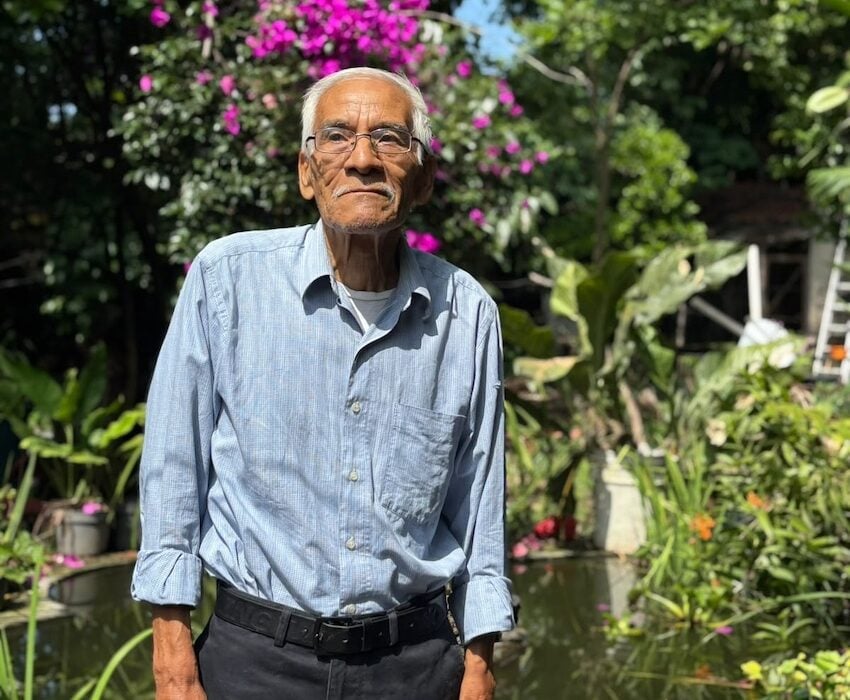
“When Catholicism was introduced to Mexico, it merged with Indigenous tradition,” he explains.
Day of the Dead beautifully fuses pre-Hispanic beliefs with Catholic observance. Food offerings, copal and flower trails coexist alongside processions of saints’ images and crosses.
But when we look behind the copal smoke and past the vivid decorations, we can see that Day of the Dead in Tepoztlán and its octave is more than just a remembrance of those who have passed.
It is about continuing to work on relationships and caring for one another, welcoming the deceased with love and respect: to hang out together, eat their favorite food and have a shot or two of their favorite mezcal, while mariachis set the tone for the night.
La Octava de Tepoztlán and pondering the meaning of death
In Tepoztlán, the first calling of the dead begins at midnight on Oct. 18. Churches across Tepoztlán ring their bells to remind residents that the dead are just around the corner. On Nov. 1 and 2, families welcome their deceased loved ones with offerings and flowers.
“We put cempasúchil out because it is believed to be the only flower the dead can see and smell,” adds Anabel Muzquiz, Thomas’ daughter and a professional tour guide.
But the welcome does not end on Nov. 2. Tepoztlán accommodates its deceased for another week.
On Nov. 8 and 9, one can still experience the spirit of Day of the Dead in Tepoztlán, when residents reunite for La Octava and finally send their deceased home. Nov. 8 is dedicated to children, while Nov. 9 marks the farewell to adults.
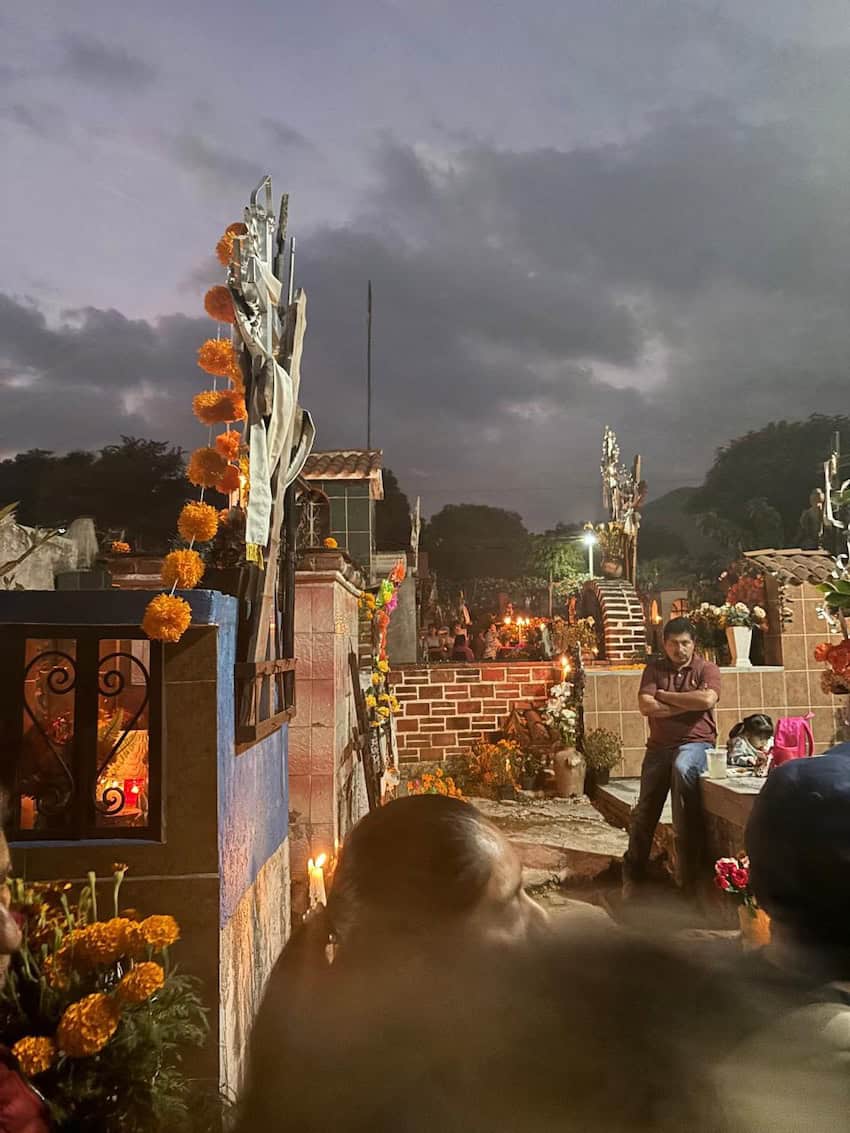
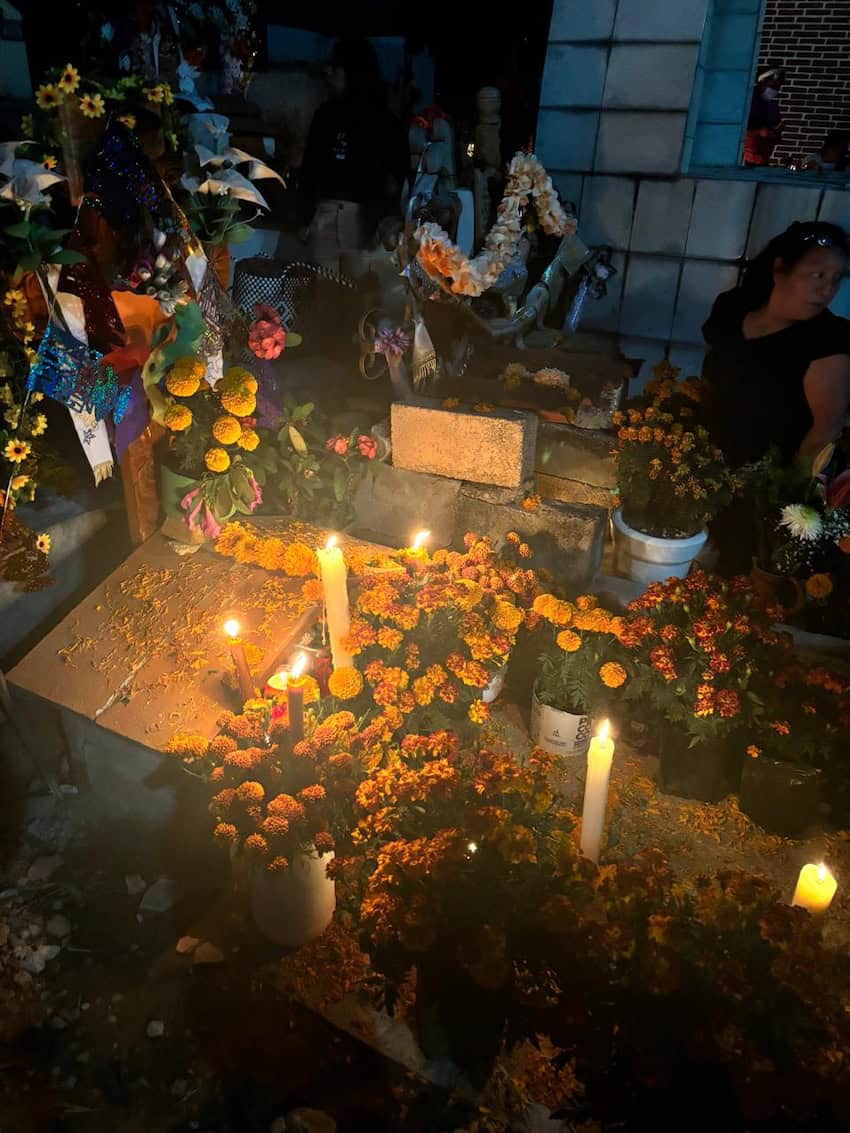
On Nov. 9, people gather at the cemetery to clean and decorate the graves of their dead kin. A procession of saints’ images from different barrios in Tepoztlán travels to the main cemetery in the town center for Mass and remembrance.
“There’s rice pudding, fruit or green mole, mezcal and coffee — whatever they liked,” says Elena, Thomas’ wife, describing the altars renewed on Nov. 9. “The children make little skulls out of chilacayotes and ask for sweets. There are mariachis, and there’s food.”
Walking the streets of Tepoztlán, visiting the different churches in the barrios or strolling around the cemeteries on Nov. 9 is a beautiful opportunity to experience the spirit of Day of the Dead apart from the big festivities and locura of the main event.
It invites people to reflect on their extraordinary relationship with the deceased and gives them another week to ponder the meaning of death, while copal smoke and cardboard skeletons fill the surroundings with humor and a sense of playfulness.
What makes Day of the Dead so peculiar in Morelos?
Other parts of Morelos, like Tepoztlán, are known for their elaborate rituals around Day of the Dead. The Indigenous community of Coatetelco, for example, has a tradition of hanging floating altars decorated with corn.
Its observances also begin in September, when the milpa yields its first corn harvest.
In her paper, “La fiesta: recreación de la cultura y la tradición,” anthropologist Dr. María Cristina Saldaña Fernández describes the Mesoamerican worldview underlying traditions of honoring the dead, in which duality — observed in day and night, cold and heat, life and death — played a fundamental role.
She also mentions how pre-Hispanic observances honoring the dead were connected to the agricultural calendar and coincided with the harvest.
This worldview understood life and death as a continuous process, like the germination, growth, death and return of crops, which can still be observed in Coatetelco and their corn-filled altars.
‘It’s becoming diluted, becoming more like Halloween’
However, although the cycle of life and death prevails, Day of the Dead celebrations, whether in Morelos or elsewhere, are subject to change.
“I remember how people used to light bonfires on every street corner to gather around,” says Thomas, remembering Day of the Dead in Santiago Tepetlapa some 70 years ago. “Back then, the chilacayote was the best. Now you see more mass-produced plastic pumpkins and costumes. It’s becoming diluted, becoming more like Halloween. It’s a different version now. Each generation changes things in response to its surroundings.”
According to Saldaña’s paper, politics, literature, media and cinema have also shaped the celebration, adding new elements while discarding others.
But even as La Octava changes, visitors can still respectfully join the festivities and bid farewell to the dead for another year — all while sipping their favorite mezcal, joining old friends and family, and building new relationships with the living and the deceased.
KioskNews shows a cleaned-up reading view extracted from the publisher’s page — the original always lives on their site, not ours.