Is Philippines’ laws on underwater cables lagging behind its digital hub goal?
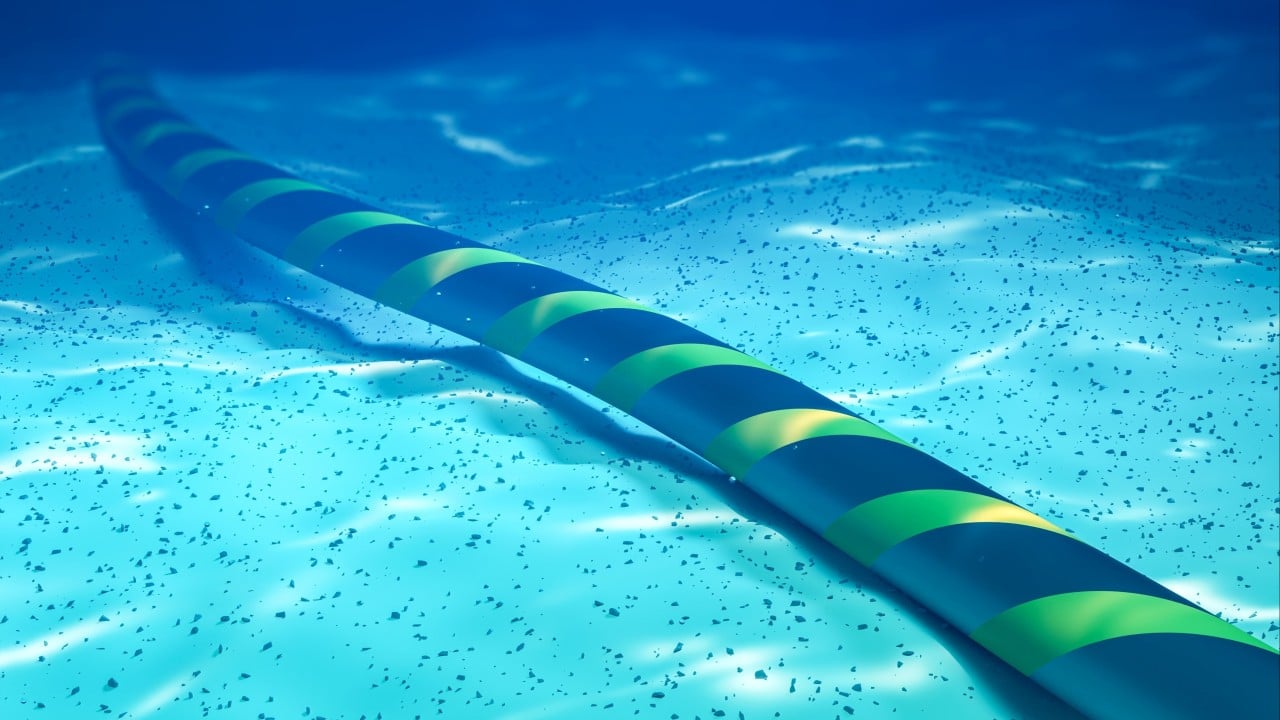
The Philippines’ telco industry wants the country to become a regional digital hub anchored by underwater cables, but analysts warn that slow approvals for repairs, limited monitoring and fragmented official oversight could undermine the ambition.
At a forum on archipelagic governance for subsea cables, PLDT, the Philippines’ largest telecommunications company, called for greater cooperation among government agencies and further reforms to expand the vital digital nodes connecting the country to the world.
While the Philippines’ strategic location in Asia-Pacific presented an opportunity for it to be a key connection point for submarine cables, it would need to invest in high-value assets and simplify approvals for cable deployment and repair work, Albert Villa-Real, president and CEO of PLDT Global, said at the forum on September 29, according to a report by the Philippine Star.
“The Philippines should not think of itself simply as the end point of these international cables. Our ambition should be to become a major digital crossroad of Asia-Pacific,” he added.
PLDT is connected to subsea cable networks, including the Apricot Cable System, which runs across the Asia-Pacific, and the Jupiter Cable System, which links to Japan and the United States.
Villa-Real stressed the importance of undersea cables in an archipelagic country such as the Philippines, which has more than 7,600 islands, saying that fibre lines would have to run underwater to provide connectivity that businesses needed to invest in various systems.
However, multiple permits are required before specialised vessels handling cable repairs can enter local waters, which impedes such works, according to Villa-Real.
His comments came just days before an outage in submarine cable segments connecting the Philippines to Singapore and Hong Kong disrupted connectivity and services nationwide.
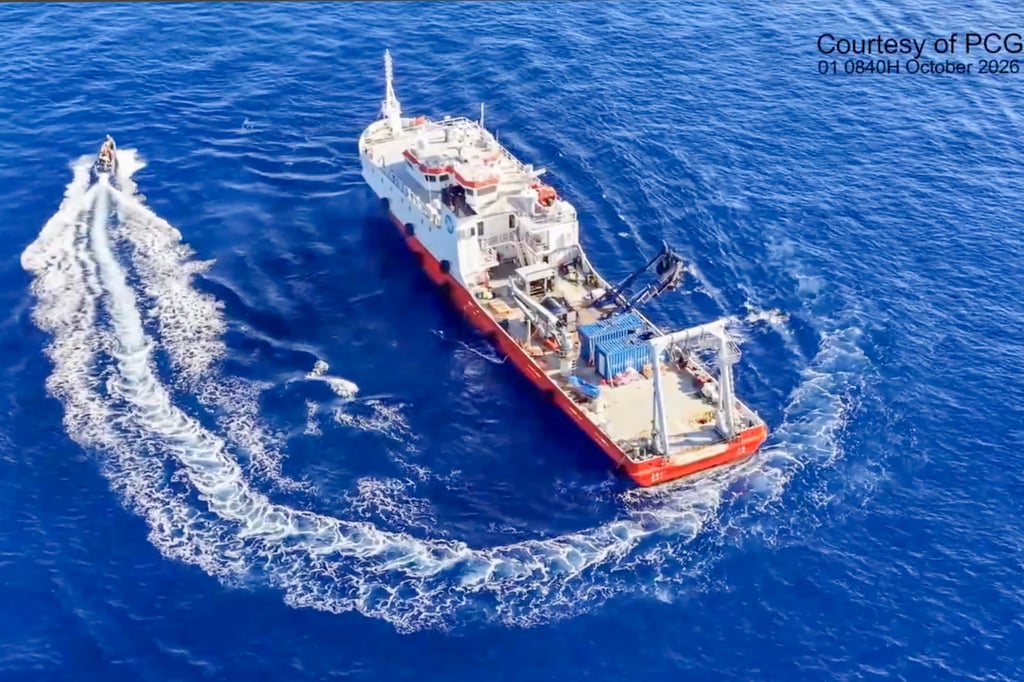
The Philippines has also encountered maritime activities that pose a risk to its critical subsea cables. On October 1, the Philippine coastguard intercepted a research vessel sailing near cable corridors connecting the country to Northeast Asia.
“Most documented damage has been accidental, from anchors and typhoons. I have found no public case of confirmed deliberate damage to a cable in Philippine waters,” said Mark Manantan, chief investigator of the Southeast Asia–Australia Resilient Cable Connectivity Initiative (SEA-ARC).
“There are also reported underwater surveillance drones attributed to a state actor found in Philippine waters, obviously mapping the country’s seabed. Security agencies treat the threat as growing, partly because of the wider maritime context,” said Manantan, who is a research fellow at La Trobe University’s Centre for Global Security.
Analysts said while Philippine officials had made progress in creating frameworks to govern subsea cables, their pace of implementation and the regulatory scope still fell short.
Manila should further streamline rules to facilitate subsea cable repairs and enhance seabed surveillance, said Manantan, noting that responsibility was spread across more than a dozen government agencies, leading to delays in repair and official approval.
“No single agency is responsible for collecting consolidated incident and route data, and the country has not yet designated cable protection zones. Recent incidents showed what this costs. Responses were improvised, and restoration took months rather than days,” he said.
Nonetheless, the Philippines is taking steps to strengthen related legislation and make it easier for foreign firms to be involved in the country’s cable industry, according to analysts.
09:58
Will Batanes become the next South China Sea flashpoint?
Francis Domingo, an associate professor of international relations at the University of the Philippines Diliman, said the Philippines’ Department of Information and Communications Technology (DICT), which is responsible for the protection and governance of subsea cables, had published the National Digital Connectivity Plan (NDCP), under which a regulatory framework would be developed to safeguard submarine cables as critical digital infrastructure.
“It is safe to say that some officials have a clear understanding of the significance of subsea cables based on the NDCP,” Domingo said.
Then secretary of DICT Henry Aguda said in February that the NDCP aimed to boost “resilient connectivity” for Filipinos, especially in underserved areas such as submarine cable systems, supported by public–private partnerships.
Manantan cited the entry of foreign cable repair ships in Philippine territorial waters this year as a sign of progress.
The introduction of the Konektadong Pinoy (Connected Filipino) Act to liberalise the cable market, and a recent announcement on cooperation between DICT and Australia on a cable protection framework were also steps in the right direction, he added.
Domingo said that the Philippines’ largest telecommunications and internet providers were discussing forming a consortium to strengthen the country’s connectivity, given the country’s lack of systems to monitor, detect and protect subsea cables from threats and damage.
Angel Redoble, chairman of the Philippine Institute of Cybersecurity Professionals, however, called on the government to take the lead role due to national security concerns.
“To make sure that our national security interest is prioritised and protected, then we have to have the government become part of the process in anything that is related to submarine cables,” Redoble said.
Manatan said that investors would look to Manila to manage digital infrastructure and implement robust rules to position the country as a subsea or data centre hub during peacetime and crisis.
Citing typhoons and increasing geopolitical tensions, he added: “Officials increasingly see a cable cut as a risk to national security and continuity of government, not just a telecoms outage.”
KioskNews shows a cleaned-up reading view extracted from the publisher’s page — the original always lives on their site, not ours.