Ancient Egyptian curse found in 3,400-year-old trash heap
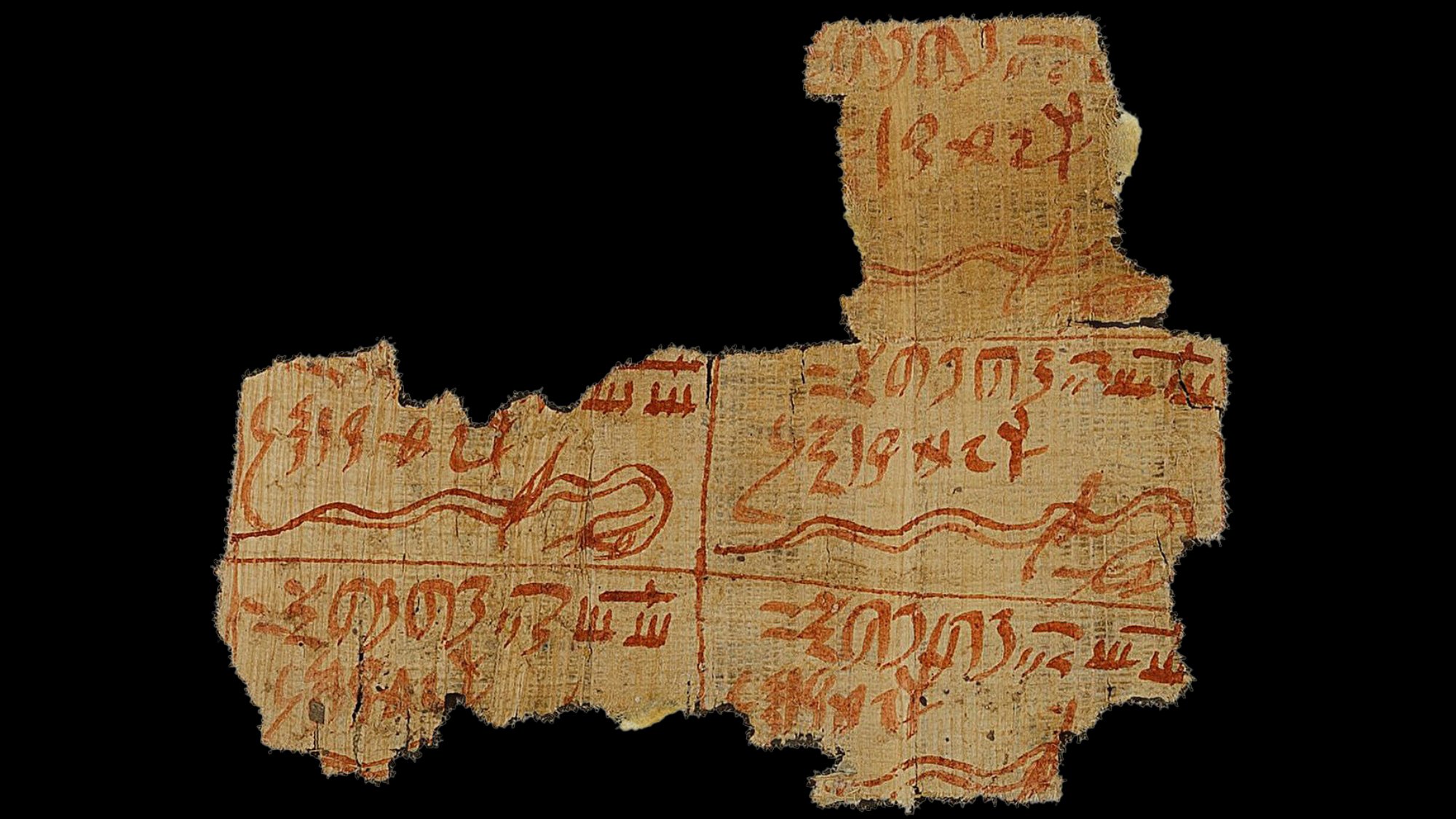
A well-known ancient Egyptian curse is not only older than historians thought—the curse that called upon the sun god’s wrath upon one’s enemies was much more commonly employed than experts assumed. However, the new evidence concerning the “Apophis ritual” wasn’t recently discovered in an excavated spellbook. According to a study published in the Journal of the Egyptian Language and Antiquities, archaeologists learned the latest details from postage stamp-sized papyrus fragments left in 3,400-year-old trash piles.
Prior to finding the 40 charred remnants, the only documentation of the Apophis ritual was a ritual manual dating back to the late fourth century BCE. Egyptian priests originally designed the spell to aid the sun god Ra against Apophis, his eternal foe and the snake god of chaos, fire, and darkness. Others later adapted the ritual to curse enemies of the pharaoh and counter problems associated with the serpent like inclement weather and poisons. But although researchers initially assumed the Apophis ritual was reserved for religious leaders, the papyrus fragments retrieved from temple ruins at Thebes have dramatically expanded its audience.
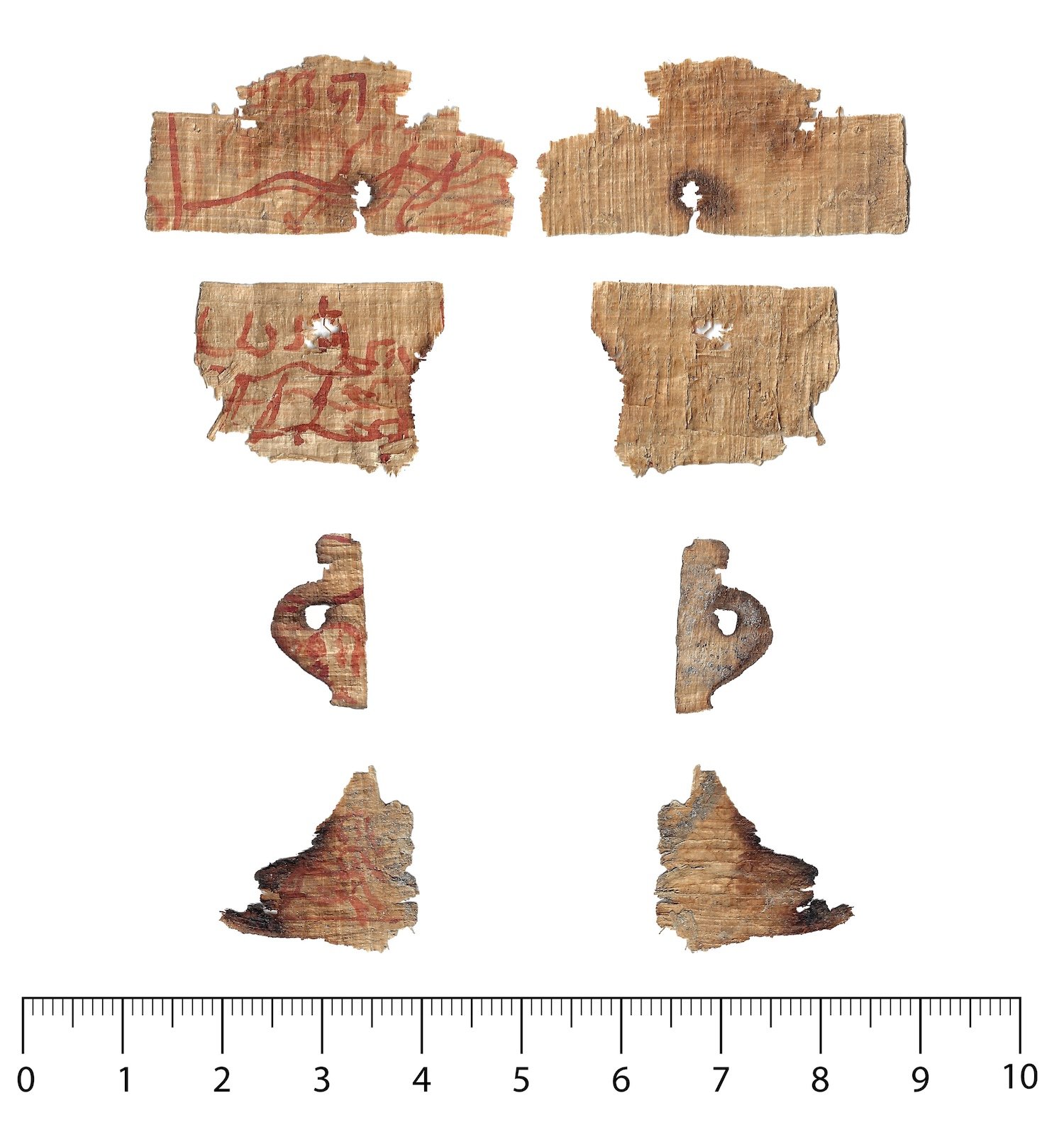
“They show that the ritual was much older than the one surviving copy from the fourth century [BCE] might suggest,” Fredrik Hagen, an Egyptologist at the University of Copenhagen and study co-author, said in a statement. “Already 1,000 years earlier, during what we call the New Kingdom, it was an integrated part of Egyptian culture.”
While additional analysis of the fragments revealed that such rituals were widespread in ancient Egypt, Hagen explained that additional contextual references to the Apophis incantation indicate it was a “common feature” in daily life.
“We know that literate people, including those who were not priests, had access to magical rituals and functioned as magicians and healers,” he said. “It is clear that people approached scribes for help in performing magic, both for protection and for attacking others.”
The existence of the remnants are surprising in their own right, given what the ritual required. Their charring is only part of the necessary curse protocols—prior to burning the written spells, practitioners stepped on the papyrus, stabbed it with a knife, and even spit on it.
“For the ritual to be successful, the materials had to be destroyed by fire, so we are extremely fortunate to have found any of them in a condition that still allows them to be recognized and studied,” said Hagen.
KioskNews shows a cleaned-up reading view extracted from the publisher’s page — the original always lives on their site, not ours.