How Buffy The Vampire Slayer Broke The #1 Rule Of Slasher Horror
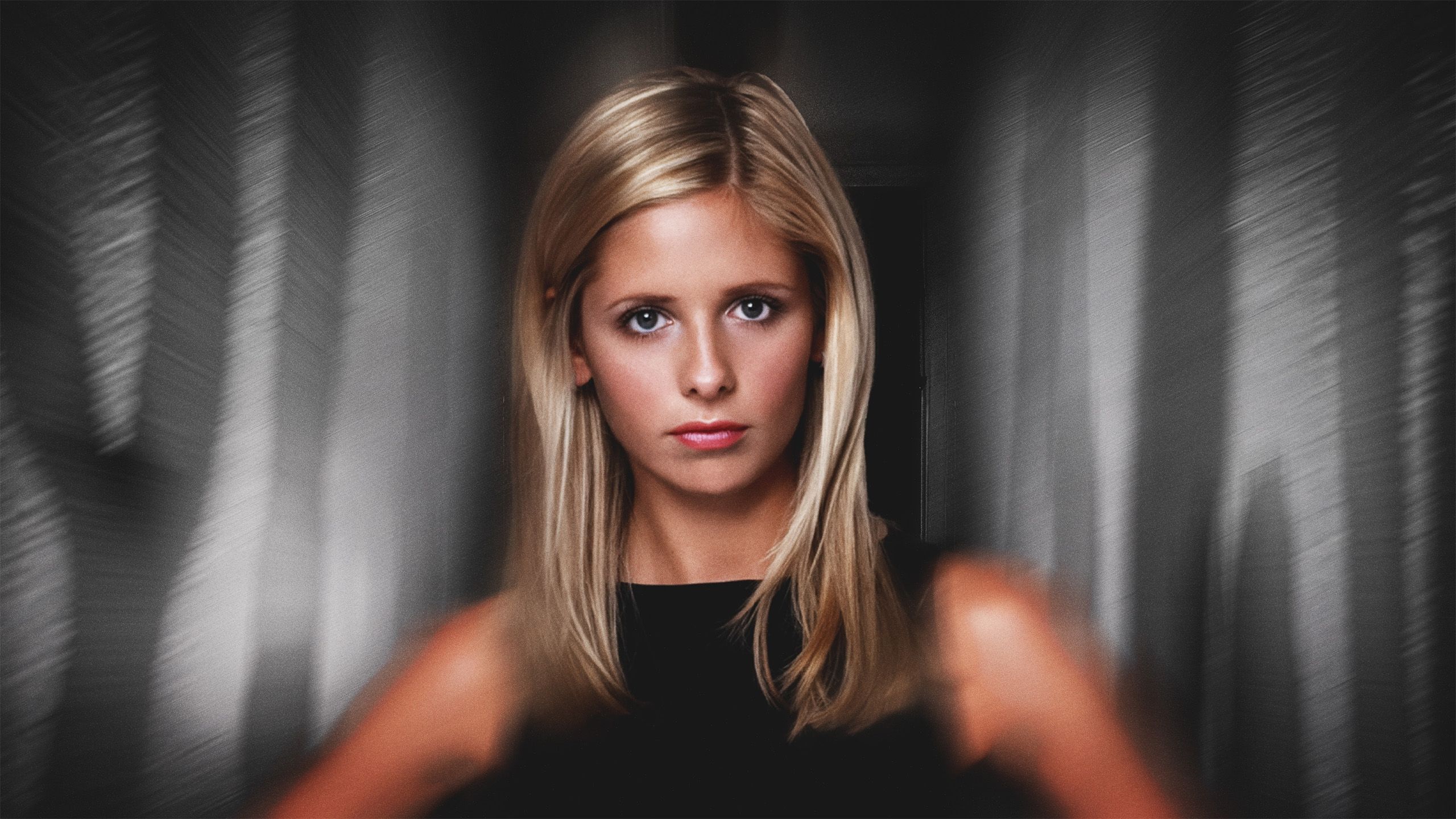

Buffy the Vampire Slayer changed horror television for good, but it had a much more significant impact on the genre at large than many realize.

Shealyn Scott is a Senior Writer at Screen Rant. She has been writing for the site since 2024, focused on network, reality, streaming, and classic television.
A creative writer, journalist, and lover of the written word in all its forms, Shealyn enjoys deconstructing scenes from her favorite shows, using context clues and historical precedent to predict major plot points (which, due to her successful track record, has sparked rumors of clairvoyance).
As an award-winning student journalist, Shealyn spent her college years advocating for the humanities while studying English Literature. Her love of storytelling propelled her to expand her degree with minors in Writing and History, believing life to be a mere collection of stories that can be framed in as many ways as a movie scene.
As a Senior member of the TV Team, Shealyn treats the series she covers like books, analyzing every line, camera angle, and lighting choice. Thankfully, her personal mission statement lines up perfectly with Screen Rant: every creative work deserves just as much thought from the viewer as it received from its creator.
Buffy the Vampire Slayer was a formative series for 90s kids everywhere, but the coming-of-age drama had a greater ripple effect on one of the world's oldest and most illustrious genres. Sarah Michelle Gellar's eponymous monster hunter Buffy Summers is now remembered as a legend in the pop culture zeitgeist, but her iconic story nearly never aired. Creator Joss Whedon had a full-fledged vision for Buffy, but there was truly nothing like it on the market, leaving the 1992 film critically panned and the TV show's pilot widely disparaged. Thankfully, a mid-season lineup change gave the series a golden opportunity.
From Buffy the Vampire Slayer's supernatural fantasy elements to its cast of endearing characters, the show quickly found success on The WB network and cultivated a devoted fanbase. Though the series was far from perfect, there was a seemingly inexplicable allure to the trials and tribulations of Buffy Summers. Yet, while Buffy the Vampire Slayer notoriously switched genres throughout its initial run, the drama was fundamentally rooted in horror. Granted, the vampiric title is a dead giveaway, but the 1997 teen drama built its foundation on classic horror tropes— only to break the genre's biggest rule of the 20th century.
Buffy The Vampire Slayer Turns The Final Girl Trope On Its Head

Buffy the Vampire Slayer is a phenomenal show on its own, but its early popularity was irrefutably due in part to the success of slasher horror throughout the 70s, 80s, and 90s. Franchises like A Nightmare on Elm Street, Halloween, and Friday the 13th had successfully whetted the public's appetite for blood, guts, and gore galore, but it had also primed the audience to expect one pivotal archetype: the Final Girl.
First coined in the late 1980s, "Final Girl" refers to the last character standing in a slasher film, but her survival is far from her most distinctive trait. Rather, early examples of Final Girls had to adhere to strict and timely morality to earn their escape, rejecting sex, drugs, and teenage mayhem to establish themselves as pious, pure, and borderline paranoid heroes. By the time the 1990s rolled around, viewers were tired of only seeing so-called sinless women win, inspiring a wave of subversion in movies like Scream (1996)— and, on the smaller screen, in Buffy the Vampire Slayer.
As Joss Whedon himself has observed, Buffy the Vampire Slayer rewrote the rules of what a horror heroine could be. In the beginning, Buffy is a cheerleader. She's Prom Princess. She's blonde and beautiful and popular— all characteristics that would typically make her a slasher's first kill. Thankfully, instead of following the norm and replacing her with a "Girl Next Door" type, Buffy the Vampire Slayers allowed its protagonist to be an unapologetically girlish teenager. With an active sex life, a flourishing friend group, and a killer sense of style, Buffy was never a Final Girl: she was a Slayer.
Beyond deconstructing some longstanding barriers in the horror genre, Buffy's subversive character also made her much more relatable for the audience. With all due respect to the Laurie Strodes and Sally Hardestys of days past, the vast majority of teen girls undoubtedly identify more with Buffy than the helpless babysitter cliché. At once, that feeling of relatability made Buffy the Vampire Slayer one of the most rewatchable horror shows of all time, but it also gave the series a platform to turn Buffy into a role model— a decision that changed the drama's trajectory for better and for worse.
Unfortunately, Buffy Was Still A Product Of Her Time

The hit supernatural drama never fully backtracked on what made Buffy the beloved character she is to this day, but the harsh reality of Buffy the Vampire Slayer is that it, too, fell victim to horror's penchant for prescribing morality. Be it punishing college students for drinking ("Beer Bad") or painting its main character out to be a destructive sex addict ("Where the Wild Things Are"), Buffy the Vampire Slayer would sporadically veer off its progressive path to deliver what felt like an after-school special on the Dos and Don'ts of young adulthood.
To an extent, it was a necessary evil, especially considering the widespread acclaim the show had garnered by the time we shifted gears to Buffy's college years. Regardless, Buffy the Vampire Slayer season 3 followed in the disappointing footsteps of slasher horror by introducing Faith (Eliza Dushku), a Slayer who wielded her power with such reckless abandon, it made Buffy seem infinitely more respectable in comparison. It's a common storytelling tactic to add conflict, but it also serves to pit two strong women against each other and let the winner wear the white hat.
Nevertheless, Buffy the Vampire Slayer loved a good redemption arc, and whatever female character it seemed to put down would almost always come back better for it. Many will argue that 1997 is practically a different world, and expecting perfection of a nearly 30-year-old show would be pointless. It's a fair concession, but the problem with Buffy the Vampire Slayer's worst episodes isn't that they don't hold up against the scrutiny of 2026 values; it's that the show understood the flaws within the genre it shook up and chose to propagate them anyway.
Regardless, it would be criminal to overlook all the good Buffy the Vampire Slayer did in reforming horror and paving the way for realistic and diverse Final Girls. The show was, in many ways, born from third-wave feminism and the growing conversation surrounding intersectionality. It may have had a misstep or two, but Buffy the Vampire Slayer was radical and revolutionary until its dying breath. Even in its finale, Buffy refuses to be a Final Girl, opting to give potential heroes a rousing call to action: "Slayers, every one of us. Make your choice. Are you ready to be strong?"
What Does The Final Girl Look Like In Modern Horror?
If Buffy the Vampire Slayer chipped away at the genre's outdated gender roles, 21st century horror took a sledgehammer to its remnants. Characters like Buffy and Scream's Sidney Prescott (Neve Campbell) may have begun to turn the tables, but nowadays, simple subversion has been replaced by total redefinition.
Sarah Michelle Gellar appeared in Ready or Not 2: Here I Come as a member of a murderous demonic cult, ironically subverting her iconic role in Buffy the Vampire Slayer.
Modern Final Girls can be brash and off-putting, morally grey, or— what used to be the worst crime of all— popular and sexually active. Nevertheless, modern horror doesn't have an exclusive "one or the other" mentality. Final Girls can still be kind and soft and socially isolated, but the key distinction is that they no longer have to be. From Ti West's X trilogy to the Ready or Not series to the latest installments in the Predator franchise, horror is alive, well, and constantly evolving— something fans can thank Buffy the Vampire Slayer's lasting influence for.
KioskNews shows a cleaned-up reading view extracted from the publisher’s page — the original always lives on their site, not ours.