FSSAI declares ‘low-fat dairy whitener’ unsafe at top Delhi hotel — note the risks
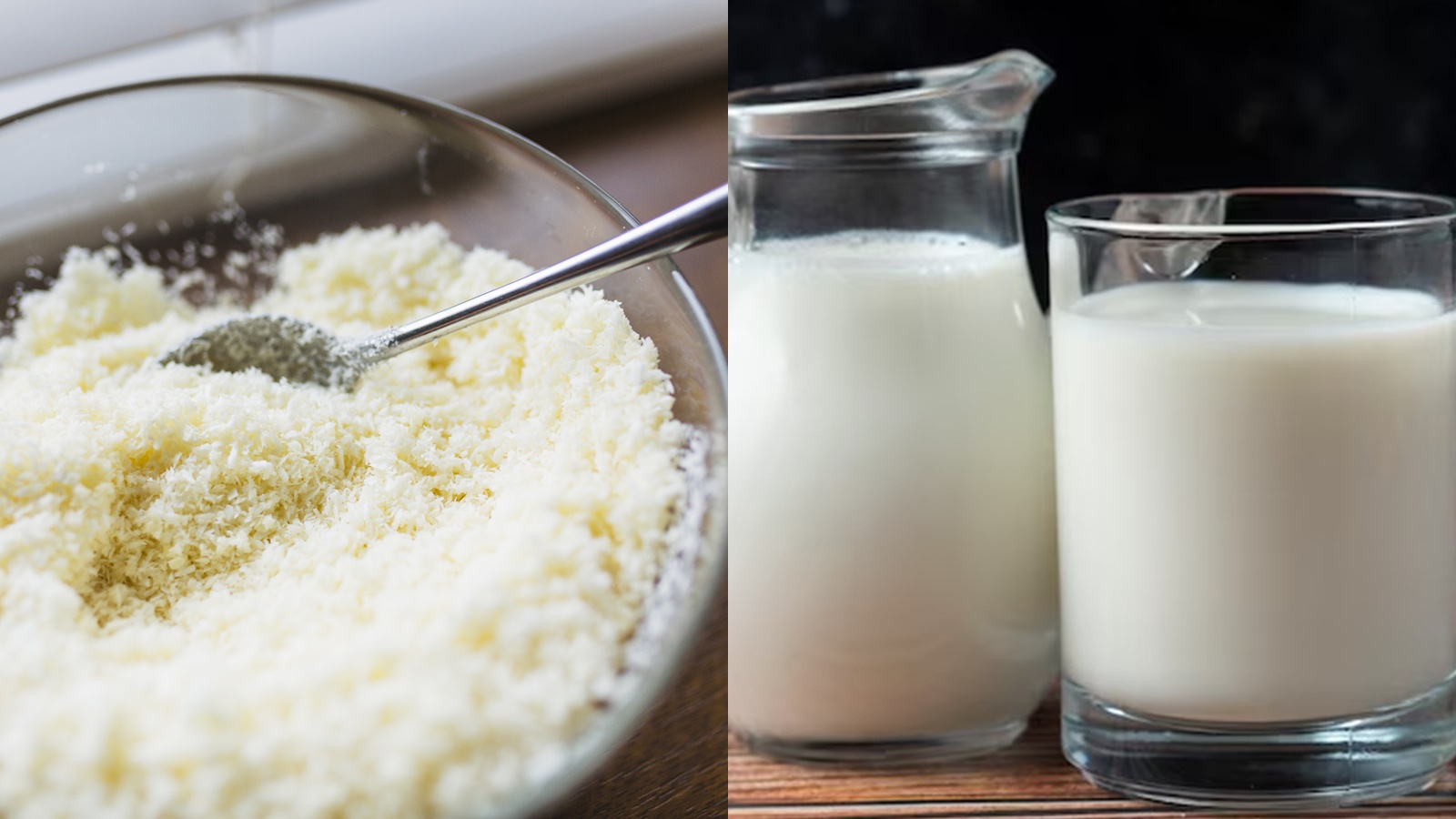
The Food Safety and Standards Authority of India recently issued a non-compliance notice and banned the sale of Nestle’s ‘Low Fat Dairy Whitener’ after a sample taken from a Delhi hotel was declared “unsafe” and “substandard”. Taking to X, the regulatory body shared: “A sample of Nestle “Low Fat Dairy Whitener” collected from M/s Bharat Hotels Ltd. (The Lalit), New Delhi, has been declared unsafe and substandard by Food Analyst reports under the FSS Act, 2006.”
What exactly makes it risky? We reached out to Kanikka Malhotra, clinical nutritionist and diabetes educator, who shares that whatever the adjudication decides, this story should make us look at the cup, not just the lab report.
“A dairy whitener is not milk. It is a processed food designed to look and feel like milk, and the real health question is what it adds to the diet when it is used several times a day,” she tells indianexpress.com, adding that phosphorus is the key point to understand.
DISCLAIMER: This article is based on information from the public domain and/or the experts we spoke to. Always consult your health practitioner before starting any routine.
“It is a nutrient our bodies need, and it occurs naturally in milk, pulses and nuts. But the phosphorus in food and the phosphorus in additives behave differently in the body,” she says, further stressing that naturally occurring phosphorus is bound in protein and phytate, so we absorb only about half of it. Phosphate additives, used as stabilisers and emulsifiers, are absorbed almost completely. Therefore, a cup of tea with a whitener sachet is a small dose, but three or four cups a day, every day, are not.
Who is at risk?
Malhotra says this matters most for people whose kidneys are already under strain.
“Diabetes is a leading cause of chronic kidney disease in India, and when kidney function falls, the body struggles to clear surplus phosphate. High phosphate levels are linked to vascular calcification and heart risk in people with kidney disease,” she elaborated.
Story continues below this ad
In the general population, the evidence for harm from phosphate additives is largely observational, so Malhotra says she would not overstate it. “But for diabetic and kidney-risk clients, it is reason enough to be cautious,” she adds in warning.
As for the brand in focus, Malhotra adds: “Nestle has said that its product is compliant and that the lab’s reading reflects total phosphorus, which includes the natural contribution of milk. That is a technical question for the regulator and the company to settle, and consumers should wait for the outcome.”
 Remember, dairy whitener is not real milk. (Magnific)
How can you make sure your dairy whitener is safe?
Malhotra shares some practical advice to tackle this problem:
- Use fresh milk or plain curd-based options whenever you can.
- Read the ingredient list for ‘phosphate’ or INS numbers such as 338 to 343 and 450 to 452.
- If you have diabetes, kidney disease or high blood pressure, ask your doctor how much additive phosphate is appropriate for you.
“Good health is rarely lost in one dramatic exposure. It is shaped by small things repeated every day, and the humble cup of tea is one of them,” she concludes.
Story continues below this ad
DISCLAIMER: This article is based on information from the public domain and/or the experts we spoke to. Always consult your health practitioner before starting any routine.
KioskNews shows a cleaned-up reading view extracted from the publisher’s page — the original always lives on their site, not ours.